Behavior
What are quick tips for Yorkshire Terrier bloat (gastric dilatation-volvulus/gdv)?
Feed smaller, more frequent meals and use a slow feeder to prevent rapid eating. Monitor for signs of discomfort and consult your vet if worried.
Yorkshire Terrier bloat, also known as gastric dilatation-volvulus or GDV, is a serious health risk for your furry friend. (Yorkshire Terrier bloat (gastric dilatation-volvulus/gdv))
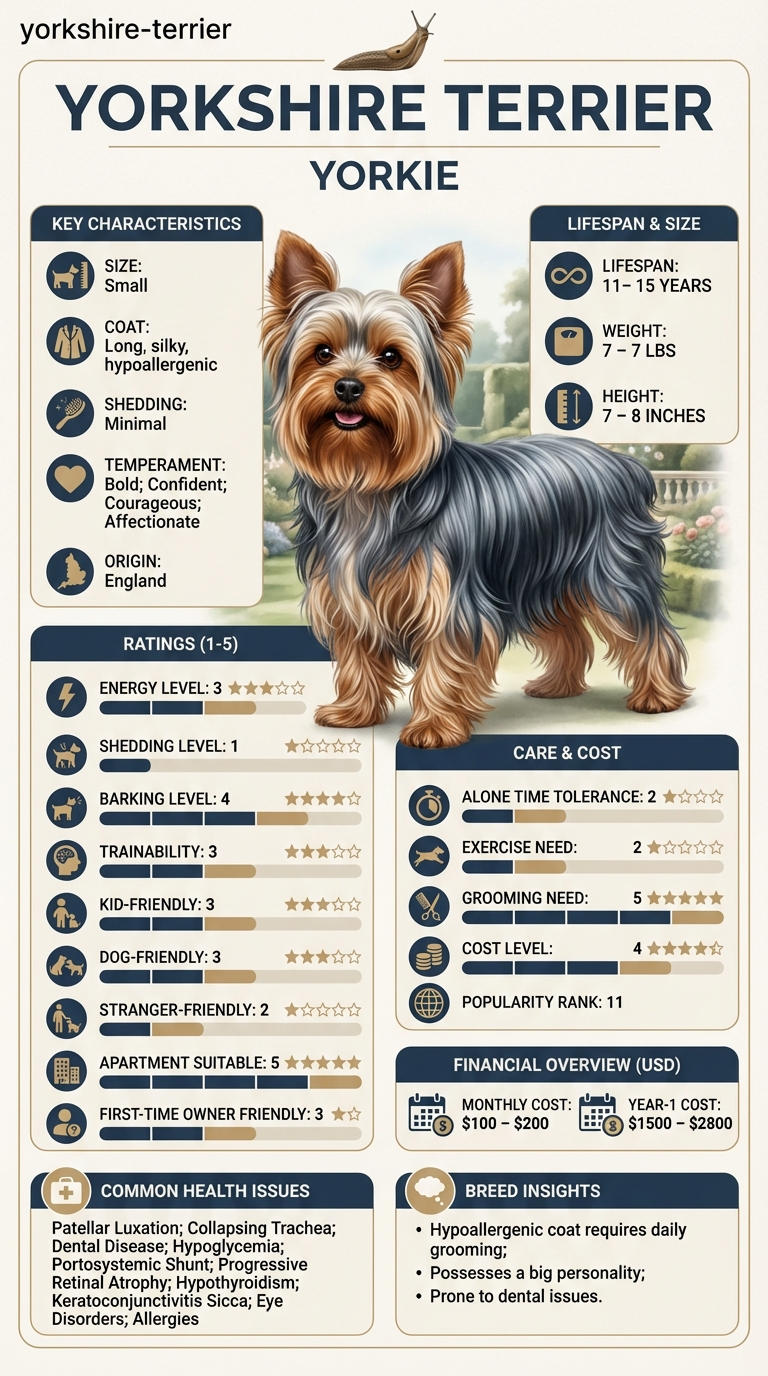
Owners of Yorkshire Terriers often face the anxiety of knowing their small dogs are prone to bloat. Busy families, first-time owners, and those with active lifestyles may overlook the signs, making it even more vital to stay informed.
This guide is not medical advice. If your dog shows pain, sudden behavior change, or worsening symptoms, consult a licensed veterinarian.
Some links may be affiliate links. We may earn a commission at no extra cost to you. We only suggest products we believe are helpful for dog owners.
Yorkshire Terrier bloat, also known as gastric dilatation-volvulus (GDV), is a serious condition that can happen suddenly. It causes the stomach to fill with gas and twist, leading to severe pain and potential death if not treated quickly. Owners may notice their Yorkie trying to vomit without success, pacing, or appearing very anxious.
Bloat is relatively rare but can be more common in smaller breeds like the Yorkshire Terrier. While not every Yorkie will experience this issue, it's crucial for owners to be aware of the signs since it can escalate quickly.
Yorkshire Terriers are small dogs with compact bodies, making them more prone to bloat (gastric dilatation-volvulus/GDV). Their personalities can lead them to eat quickly due to excitement or competition during meal times. This rapid eating can cause air to be swallowed, which contributes to the risk of bloat.
Certain environmental factors, such as stress, lack of exercise, or sudden changes in routine, can trigger bloat in Yorkies. Additionally, feeding large meals or using elevated bowls can contribute to the problem. Keeping an eye on their eating habits and environment is crucial to prevent this serious condition.
If your Yorkshire Terrier frequently shows signs of anxiety during mealtime or exhibits problematic eating habits, consider consulting a professional trainer. They can help with behavioral strategies to ease meal-related stress and promote healthy eating habits.
If your dog exhibits symptoms of bloat such as a swollen abdomen, excessive drooling, or attempts to vomit without success, seek immediate veterinary care. Bloat is a life-threatening condition that requires urgent treatment.
It can take several weeks to months to effectively manage Yorkshire Terrier bloat (gastric dilatation-volvulus/GDV). Consistent monitoring and training are crucial during this period.
Success means recognizing early signs of bloat, implementing preventive measures, and maintaining a healthy lifestyle for your Yorkie. Regular vet check-ups and a proper diet will also contribute to long-term well-being.
Addressing Yorkshire Terrier bloat (gastric dilatation-volvulus/GDV) involves understanding actions that may unintentionally worsen the situation. Here are some common mistakes to avoid, along with safer alternatives.
Yorkshire Terrier bloat (gastric dilatation-volvulus/GDV) can be life-threatening. Recognizing when it’s an emergency is crucial. If your Yorkie shows signs of severe distress, like unproductive retching, a swollen abdomen, or rapid breathing, call your vet immediately.

In less severe cases, you might see symptoms like mild bloating or discomfort. If your Yorkshire Terrier is still eating, drinking, and acting relatively normal, keep a close watch. You can monitor their behavior and contact your vet if symptoms worsen or don’t improve within a few hours.
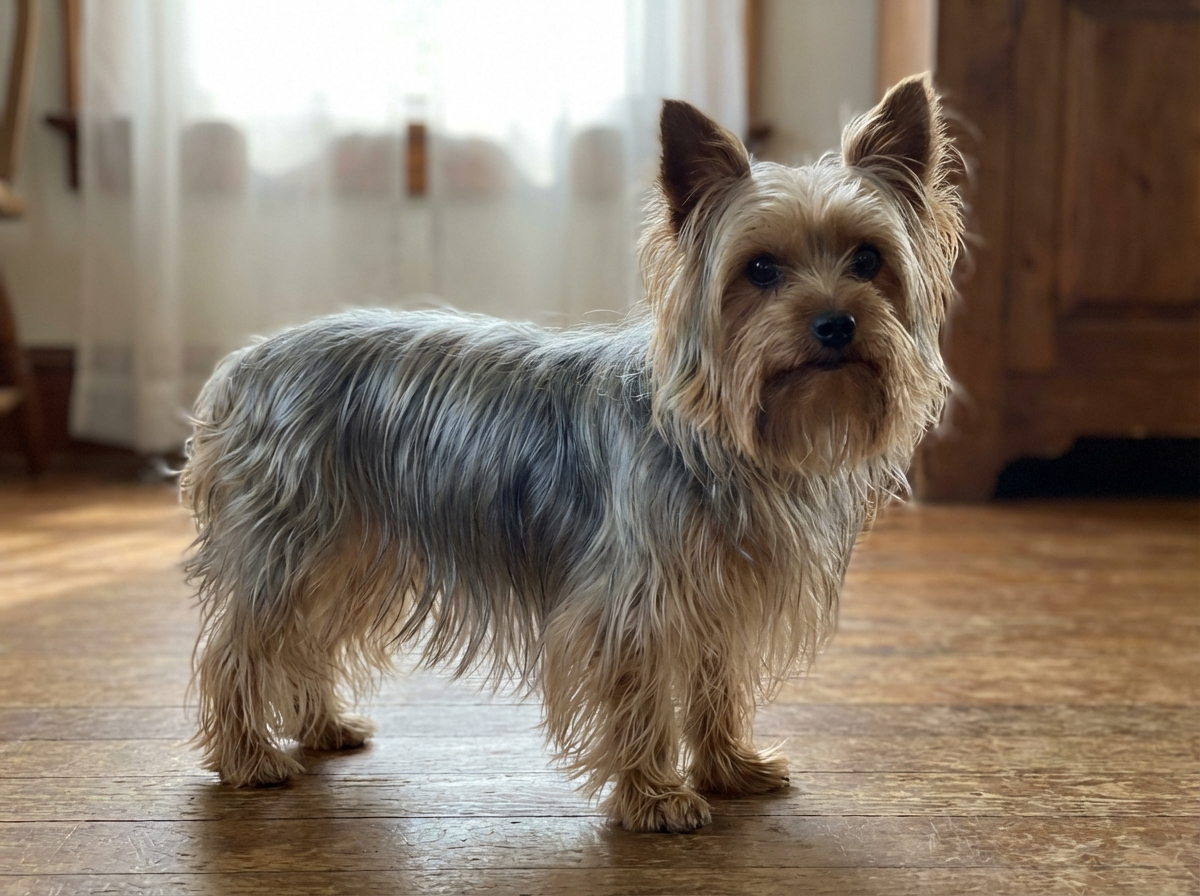
Emily, a first-time Yorkshire Terrier owner, noticed her dog Max had started to act restless and bloated after meals. Initially, she was unsure what was happening, but after a trip to the vet, she learned about the serious risks of GDV. Determined to help Max, she adjusted his feeding schedule to smaller, more frequent meals and incorporated a gentle exercise routine post-meal. Over time, she became more aware of his behavior, allowing her to intervene before any serious issues arose.
Key takeaway: By understanding the signs and making simple changes to Max's routine, Emily significantly reduced the risk of bloat, showcasing the importance of vigilance and proactive care.
Bloat in Yorkshire Terriers can be caused by various factors, including rapid eating, genetic predisposition, or stress. It's essential to monitor their eating habits and reduce stressors in their environment. If your Yorkie shows signs of discomfort, consult a vet immediately.
To help prevent bloat, feed your Yorkshire Terrier smaller, more frequent meals instead of one large meal. Additionally, consider using a slow feeder to reduce rapid eating. Always ensure your dog remains calm during and after meals.
Common symptoms include a distended stomach, excessive drooling, restlessness, and attempts to vomit without success. If you notice these signs, seek veterinary assistance right away, as bloat can be life-threatening.
Yes, bloat can be treated, but it typically requires immediate veterinary intervention. Treatments may include decompressing the stomach, surgery, or medications, with costs ranging from $1,500 to $7,500 depending on severity.
Start by incorporating a consistent feeding schedule and teaching your Yorkie to eat slowly. You can also use training techniques to reward calm behavior during feeding times. Consistency and patience are key.
Early signs of bloat in Yorkshire Terriers include restlessness, a swollen abdomen, and attempts to vomit without producing anything. If you notice these symptoms, it's crucial to seek veterinary care immediately.
Bloat can occur in Yorkshire Terriers after eating due to rapid eating or drinking, or consuming large meals. Feeding smaller, more frequent meals and using a slow feeder can help reduce the risk.
While any Yorkshire Terrier can develop bloat, older dogs may be at higher risk due to age-related health issues. Regular vet check-ups are vital to monitor older dogs for potential symptoms.
If your Yorkshire Terrier shows any signs of bloat, take them to a vet immediately. This condition can progress rapidly and is considered a medical emergency.
Training strategies such as teaching your Yorkshire Terrier to eat slowly can potentially reduce the risk of bloat. Consider incorporating feeding techniques that promote slower eating.
Feed smaller, more frequent meals and use a slow feeder to prevent rapid eating. Monitor for signs of discomfort and consult your vet if worried.
If your Yorkie exhibits symptoms like a swollen stomach or attempts to vomit, take them to a vet immediately. Time is crucial.
Yes, some Yorkshire Terriers may have a genetic predisposition to bloat. Keeping them calm during meals can help mitigate this risk.