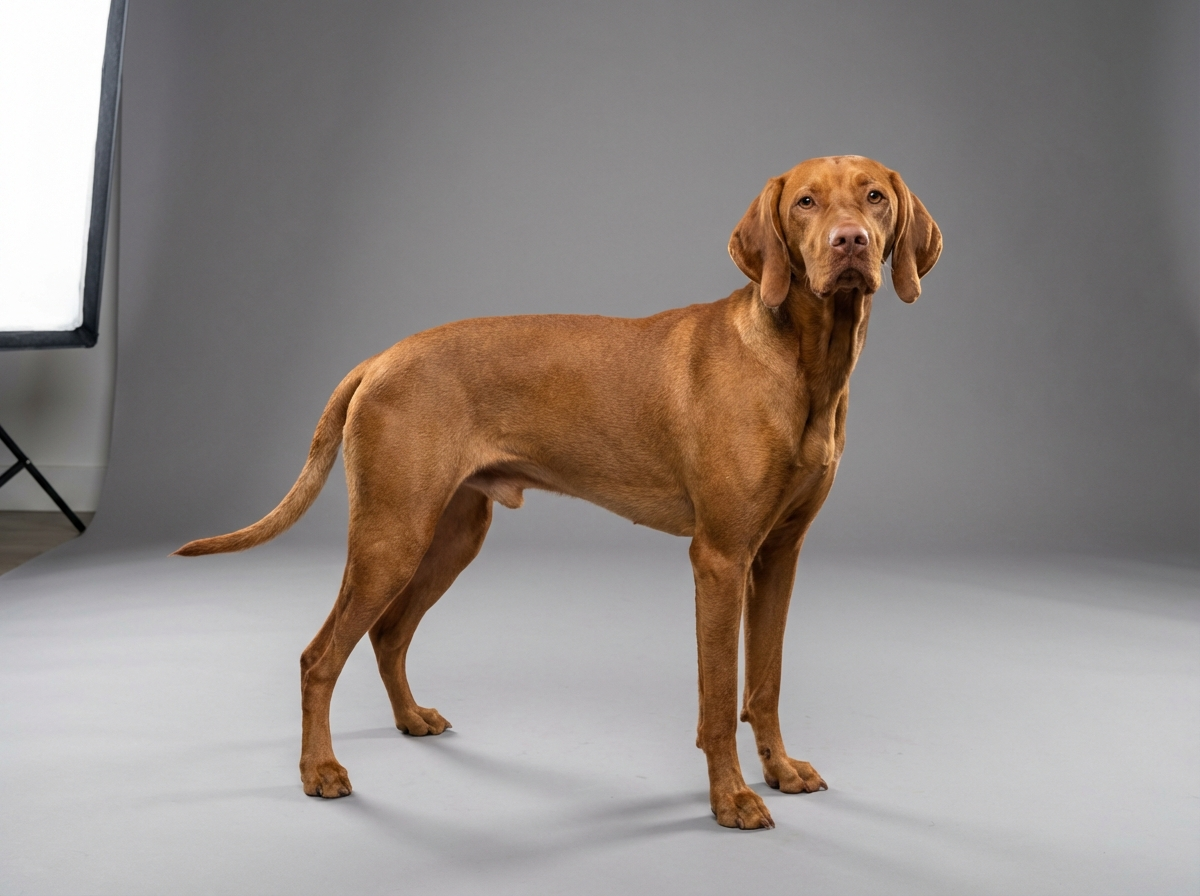
Behavior
What are some quick tips for managing Vizsla respiratory disease?
Ensure your Vizsla has a clean environment, regular vet check-ups, and a balanced diet. Avoid exposing them to smoke or allergens that can worsen their condition.
Quick answer
What are some quick tips for managing Vizsla respiratory disease?
Ensure your Vizsla has a clean environment, regular vet check-ups, and a balanced diet. Avoid exposing them to smoke or allergens that can worsen their condition.
Vizsla respiratory disease can pose serious health challenges for your furry friend. It’s important to understand its causes and how to manage it effectively.
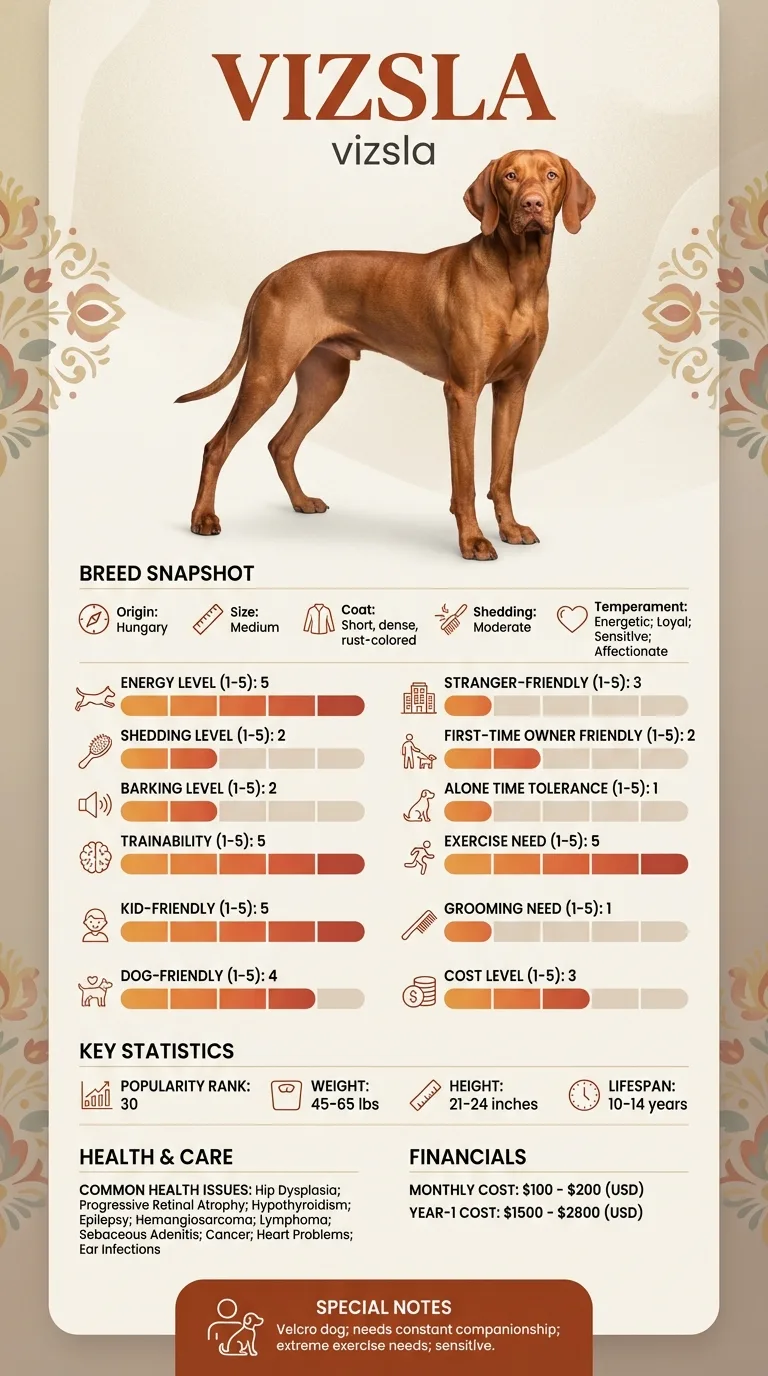
Owners of Vizslas, especially those who are first-time pet parents or have busy lifestyles, may find this issue particularly challenging. It can be overwhelming to navigate health concerns, especially when your beloved dog shows signs of distress.
This guide is not medical advice. If your dog shows pain, sudden behavior change, or worsening symptoms, consult a licensed veterinarian.
Some links may be affiliate links. We may earn a commission at no extra cost to you. We only suggest products we believe are helpful for dog owners.
Check this first
Knowing when to call the vet about Vizsla respiratory disease is crucial. Red flags include difficulty breathing, extreme lethargy, or a bluish tint to the gums. If your Vizsla is showing these signs, don’t wait—contact your vet immediately. These symptoms often indicate a serious condition that requires urgent care.
On the other hand, mild cases of respiratory issues can often be monitored at home. If your Vizsla has a slight cough or occasional wheezing, observe their behavior and appetite. Ensure your dog is comfortable and hydrated. Keep a close eye on them for any changes. If they are still eating, drinking, and playing normally, you can create a watch-and-wait plan.
However, if symptoms persist beyond a day or worsen, reach out to your vet for guidance. It’s always better to be safe and get a professional opinion if you’re unsure. Trust your instincts; you know your dog best!
If any of these apply, call your vet or an emergency clinic now. The rest of this page is for the cases that are not an emergency.
Vizsla respiratory disease can manifest as coughing, wheezing, or difficulty breathing. Daily life with a Vizsla affected by this condition may include frequent vet visits and monitoring for breathing irregularities. It can be stressful for both the dog and the owner, especially during exercise or hot weather.
Respiratory disease is a significant concern for Vizslas, contributing to their health challenges. These dogs are at a higher risk compared to non-brachycephalic breeds, making it crucial for owners to stay vigilant about their respiratory health.
Vizslas are generally healthy, but they can still face respiratory issues due to their active nature and sensitivity to heat. Their medium size and short coat can make them susceptible to respiratory complications if they overexert themselves or become overheated.
Environmental factors can also contribute to respiratory diseases in Vizslas. Poor air quality, allergens, and exposure to smoke or chemicals can impact their breathing. Additionally, living in hot and humid climates without proper ventilation can worsen their respiratory health.
Talk to your vet if your Vizsla experiences difficulty breathing, coughing, or excessive panting. These symptoms could indicate a more serious respiratory issue that requires medical intervention. Regular check-ups can also help catch potential health problems early.
Avoiding common mistakes can significantly improve your Vizsla's respiratory health. Here are some behaviors to watch out for.
Start here: Vizsla Most Common Genetic Disorders: What to Screen For
See all Vizsla health problems, which breeds are prone to respiratory disease, or the full Vizsla breed guide for temperament, exercise needs and ownership costs.
Expect to see improvements in your Vizsla's respiratory health over a period of 3 to 6 months with consistent care and training.
Success means your Vizsla experiences fewer respiratory issues, participates in regular activities without excessive panting, and shows overall improved stamina.
Emily, a busy nurse in Seattle, noticed her Vizsla, Max, struggling to catch his breath during walks. Concerned, she visited the vet, who diagnosed him with respiratory disease. Emily learned that Max needed more controlled exercise and specific training techniques to manage his breathing. With the vet's guidance, she created a routine that included shorter walks and gradual increases in activity. Over several months, Max's breathing improved, allowing him to enjoy longer walks without distress. Emily was relieved and felt a deep bond forming as they navigated this challenge together.
Key takeaway: With the right training and care, you can significantly improve your Vizsla's respiratory health and quality of life.
Vizslas can develop respiratory disease due to various factors, including genetics, environmental conditions, and exposure to allergens. It’s important to monitor their breeding lines for any hereditary issues, as they are prone to certain health conditions. Regular vet check-ups can help identify and manage these risks early. This answer relates to Vizsla respiratory disease.
To help prevent respiratory issues in your Vizsla, ensure they are in a clean environment, free from smoke, and allergens. Regular exercise helps maintain a healthy weight, which is crucial for their respiratory health. Additionally, consult your vet for specific training and care tips tailored to your dog's needs.
Common signs include coughing, wheezing, labored breathing, and excessive panting. If you notice your Vizsla showing these symptoms, it's essential to consult your veterinarian promptly for a thorough evaluation. Early detection can lead to better management of their condition.
Yes, training techniques should focus on gentle exercises that do not overexert the dog. Positive reinforcement methods can help create a stress-free environment. Always consult with your vet or a professional trainer for tailored strategies that consider your Vizsla's health.
Absolutely! A balanced diet can help maintain your Vizsla's overall health and weight, which is vital for good respiratory function. Consult your veterinarian for dietary recommendations that support lung health and avoid obesity.
To manage respiratory issues, keep your Vizsla in a stress-free environment and ensure they stay hydrated. Regular vet check-ups are crucial for monitoring their condition.
Yes, respiratory disease can limit your Vizsla's ability to exercise. Always consult your vet about suitable exercise levels that won't strain their breathing.
While some respiratory issues can be genetic, environmental factors also play a significant role. It's essential to choose a reputable breeder who screens for common health problems.
If your Vizsla exhibits persistent coughing, labored breathing, or a sudden change in behavior, seek veterinary care immediately. Early intervention can make a critical difference in treatment outcomes.
Ensure your Vizsla has a clean environment, regular vet check-ups, and a balanced diet. Avoid exposing them to smoke or allergens that can worsen their condition.
Yes, Vizslas have a higher risk of respiratory issues compared to some other breeds. It's important to stay vigilant and proactive about their health.
Look for signs like coughing, wheezing, or labored breathing. If you notice these symptoms, contact your vet for advice.
If your Vizsla has difficulty breathing, seek veterinary assistance immediately. Quick action can be crucial in emergencies.