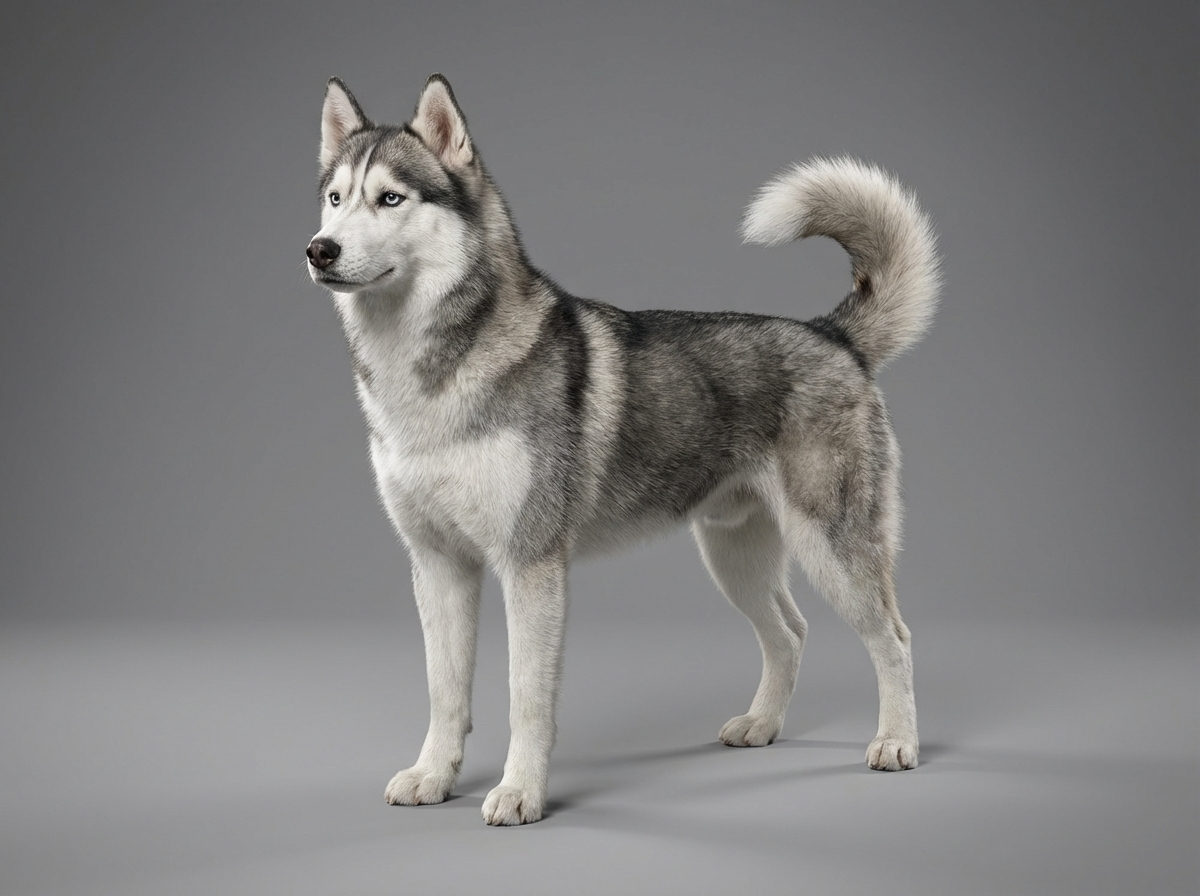
What are quick tips to help a Husky with progressive retinal atrophy?
Keep your home layout consistent and free of obstacles. Use sound cues and maintain a routine to help your dog navigate. Consider using harnesses for added support during walks.
Siberian Husky progressive retinal atrophy (PRA-RCD3) is a serious condition that leads to vision loss.

Owners of Siberian Huskies, especially those with a family history of eye issues, often face the challenges of managing this condition. It's vital for anyone considering this breed to understand the implications of PRA-RCD3.
This guide is not medical advice. If your dog shows pain, sudden behavior change, or worsening symptoms, consult a licensed veterinarian.
Some links may be affiliate links. We may earn a commission at no extra cost to you. We only suggest products we believe are helpful for dog owners.
Siberian Husky progressive retinal atrophy (pra-rcd3) is a genetic eye disorder that leads to gradual vision loss. Daily life for a dog with PRA may involve bumping into objects, difficulty navigating familiar environments, and hesitance in new settings. Owners might notice their Husky struggling to play fetch or being less interested in outdoor activities, which can be concerning for such an active breed.
This condition is relatively common in Siberian Huskies, especially those with a family history of eye disorders. Studies suggest that up to 10% of Huskies may develop some form of progressive retinal atrophy during their lifetime.
Siberian Huskies are prone to genetic conditions like progressive retinal atrophy (PRA-rcd3). This inherited disorder causes gradual vision loss. It's most common in breeds like the Husky, where certain genes affect eye health.
While genetics play a major role, environmental factors can also contribute. Poor nutrition, lack of essential nutrients, or exposure to harmful substances can worsen eye health. Additionally, limited exercise and stimulation may indirectly affect overall well-being.
If your Husky is showing signs of anxiety or fear due to vision loss, consider consulting a professional dog trainer. They can help with specific behavioral training techniques to enhance your dog's confidence and comfort.
If you notice any sudden changes in your Husky's vision or behavior, it's crucial to consult your veterinarian. They can provide a thorough eye examination and discuss potential treatments or management strategies for PRA-rcd3.
It typically takes several months to see noticeable changes in behavior and adaptation strategies for a Siberian Husky with PRA-rcd3.
Success looks like your dog adjusting to their vision loss, showing less anxiety, and using other senses effectively in their environment.
Avoiding these common mistakes will help you manage your Siberian Husky's progressive retinal atrophy (PRA-rcd3) more effectively.
Understanding when your Siberian Husky’s progressive retinal atrophy (PRA-rcd3) becomes an emergency is crucial. While PRA-rcd3 is a progressive condition leading to vision loss, some signs indicate a need for immediate veterinary attention.
Red flags include sudden changes in behavior, such as bumping into objects, fear of the dark, or increased anxiety when navigating familiar spaces. If your Husky displays extreme disorientation or refuses to eat or drink, it’s time to call your vet. Additionally, if you notice any swelling around the eyes or signs of pain, seek help right away.
In contrast, mild cases of PRA-rcd3 can often be managed with careful observation. Symptoms like occasional stumbling or slight hesitance in low light are more common and can be monitored. A plan can include adjusting your home environment to keep your Husky safe, like using night lights and removing hazardous obstacles. Regular vet check-ups are also essential to track the progression of the disease. Always consult your vet for tailored advice on managing your dog's specific condition.

When Sarah adopted Luna, her Siberian Husky, she was excited about their adventures. But when Luna was diagnosed with PRA-rcd3, Sarah felt overwhelmed. At first, Luna bumped into furniture and seemed lost in familiar spaces. Determined to help her, Sarah enrolled Luna in a training course focused on adapting to vision loss. With patience and consistent practice, Luna learned to navigate using her other senses. Now, she confidently finds her way around the house, and their bond has grown stronger through this journey.
Key takeaway: With time, training, and love, dogs with vision loss can adapt and thrive in their homes.
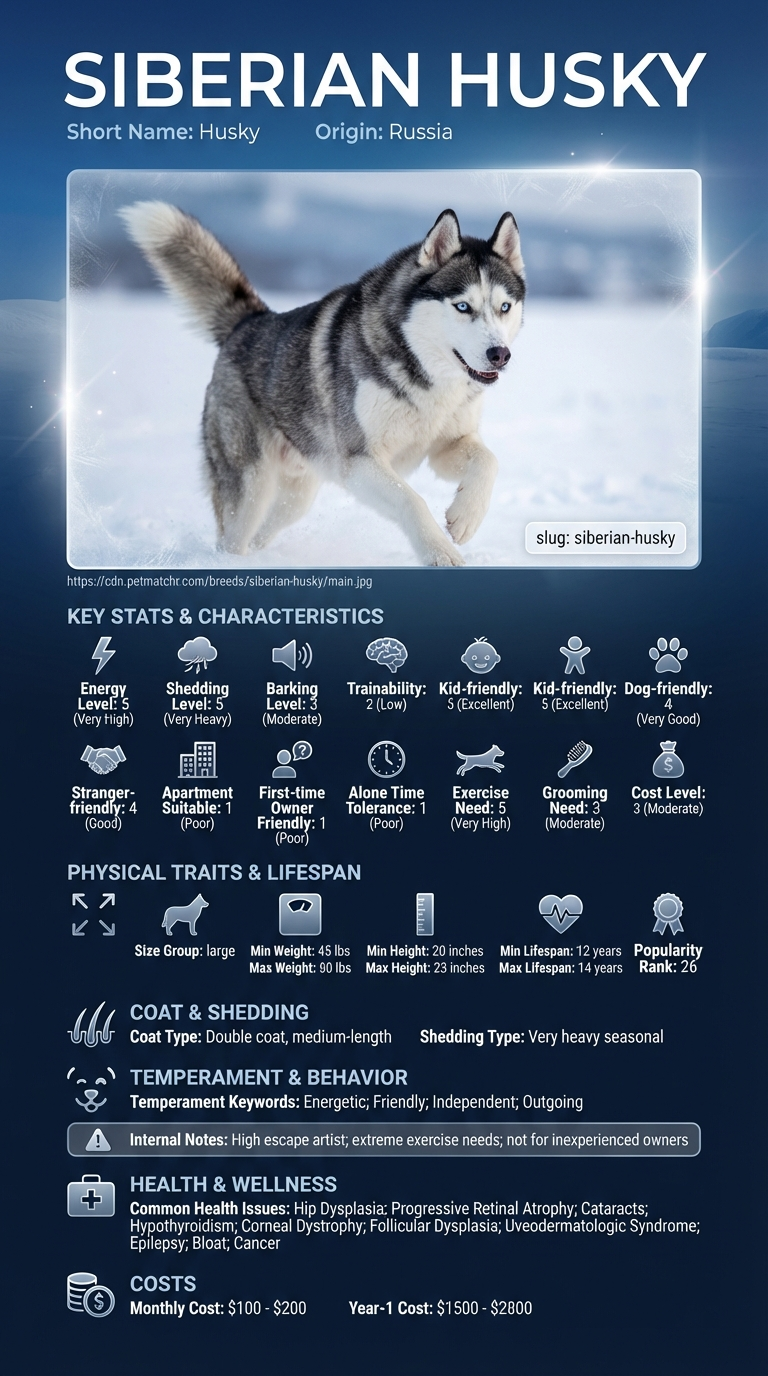
Siberian Husky progressive retinal atrophy (pra-rcd3) is a genetic condition that leads to gradual vision loss. It affects the retina, causing cells to deteriorate over time. This condition typically manifests in middle age, resulting in various levels of blindness.
This condition is often inherited and occurs due to genetic mutations. If your Husky's parents carried the gene, there’s a chance your dog could develop pra-rcd3. Regular veterinary check-ups can help in early detection.
To manage this condition, create a safe environment for your Husky. Keep furniture in the same place to help them navigate easily. Use verbal commands and cues to guide them, as their reliance on sight will decrease.
Currently, there is no cure for progressive retinal atrophy. However, supportive care, such as keeping the environment familiar and using training techniques, can help your dog adjust. Consult your vet for personalized strategies.
Watch for signs like hesitancy to navigate familiar spaces, bumping into objects, or changes in their behavior, such as increased anxiety. If you notice these changes, consult your veterinarian for an evaluation.
Yes, training is possible and can be beneficial. Focus on verbal commands and tactile signals to help your Husky learn and adapt. Consistent, positive reinforcement will encourage good behavior despite their vision challenges.
Yes, older Siberian Huskies can develop progressive retinal atrophy (pra-rcd3). This condition may not show symptoms until later in life, so regular vet check-ups are essential to monitor their eye health.
Early signs of progressive retinal atrophy (pra-rcd3) can include difficulty seeing in low light, hesitance to navigate unfamiliar areas, or bumping into objects. If you notice these signs, consult your vet for an eye examination.
To help your Siberian Husky cope with progressive retinal atrophy (pra-rcd3), maintain a consistent environment. Using tactile cues and keeping their path clear can minimize stress and confusion as their vision changes.
Progressive retinal atrophy (pra-rcd3) is not typically painful. However, the loss of vision can be distressing for your Husky, so providing reassurance and adapting their surroundings can help ease their anxiety.
You should seek veterinary care if you notice any sudden changes in your Siberian Husky's vision or behavior, such as bumping into objects or reluctance to go outside. Early intervention can help manage their condition better.
Keep your home layout consistent and free of obstacles. Use sound cues and maintain a routine to help your dog navigate. Consider using harnesses for added support during walks.
Progressive retinal atrophy itself is not painful, but the vision loss can cause anxiety in your dog. Providing comfort and reassurance will help them adjust.
Spend quality time with your Husky and encourage gentle play. Maintain a calm atmosphere to ease any anxiety they may feel from their vision challenges.