DogBreedCompass
← Back to breed profile

Understanding Siberian Husky Chronic Active Hepatitis

Siberian Husky chronic active hepatitis is a serious liver condition that can significantly affect your dog's health and quality of life.

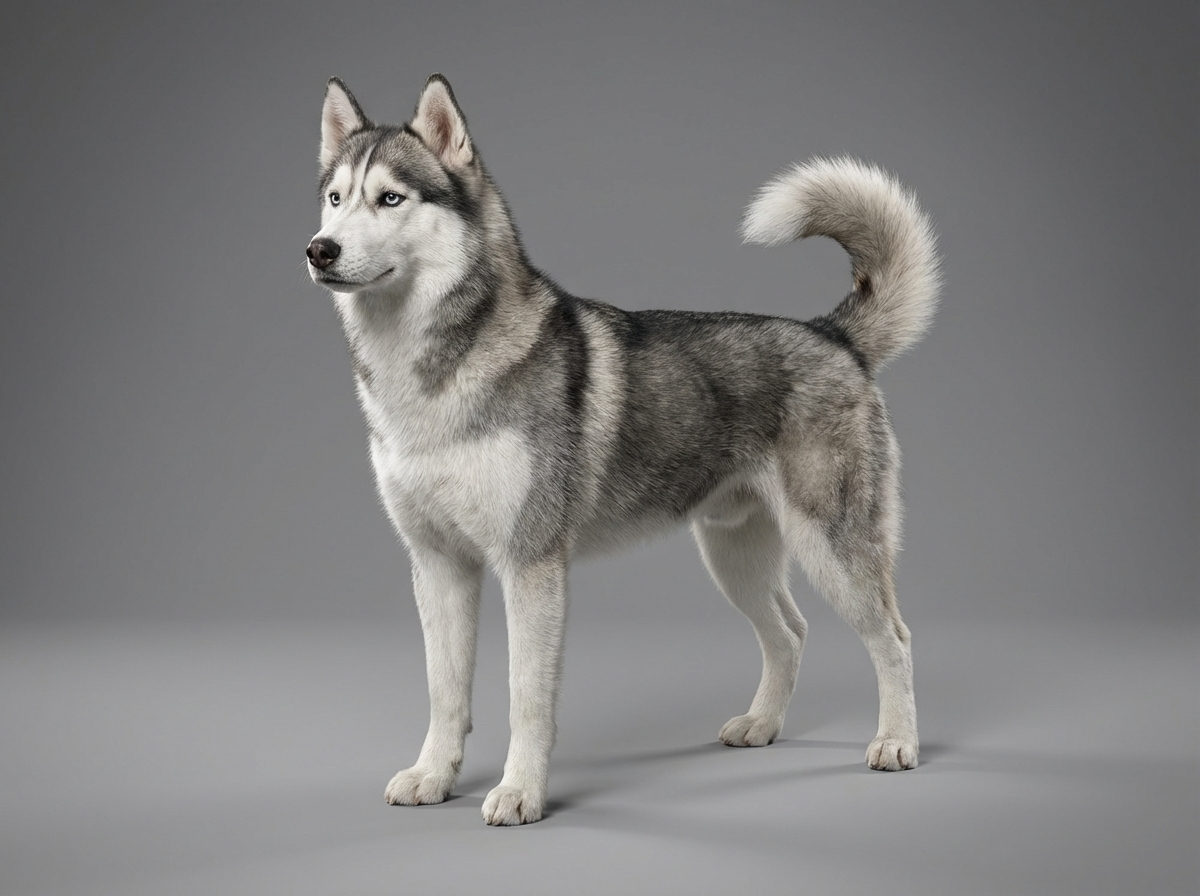
Understanding Siberian Husky Chronic Active Hepatitis infographic

Typically, dog owners who have active Huskies may face challenges in recognizing this issue early. First-time owners or those unfamiliar with the breed's health concerns might be particularly vulnerable.

Important reminder

This guide is not medical advice. If your dog shows pain, sudden behavior change, or worsening symptoms, consult a licensed veterinarian.

Some links may be affiliate links. We may earn a commission at no extra cost to you. We only suggest products we believe are helpful for dog owners.

What this problem looks like

Siberian Husky chronic active hepatitis is a liver disease that can affect your dog's quality of life. Symptoms often include lethargy, loss of appetite, and vomiting. This condition can lead to serious health issues and requires careful management.

Common triggers

  • Genetic predisposition
  • Poor diet
  • Exposure to toxins
  • Infections or other diseases

Chronic active hepatitis is relatively uncommon in Siberian Huskies compared to other breeds. However, when it does occur, it can be quite serious, making regular vet check-ups essential for early detection.

Why this happens

Breed factors

Siberian Huskies are known for their high energy and independent nature. This breed can be prone to certain health issues, including chronic active hepatitis, due to genetic factors. Their strong-willed temperament can also make training and management more challenging, leading to potential stressors that affect their health.

Environment factors

Environmental factors can also contribute to chronic active hepatitis in Huskies. Poor diet, exposure to toxins, or lack of regular veterinary care can exacerbate liver issues. Additionally, a stressful home environment may increase anxiety, which can further impact their overall health.

What you can try

At-home strategies

  • Provide a balanced and high-quality diet specifically tailored for liver health. Look for foods rich in antioxidants and low in fat.
  • Establish a consistent routine for exercise to help manage their energy levels. Engaging in daily activities can reduce stress and anxiety.
  • Monitor their behavior closely. If you notice any signs of lethargy, loss of appetite, or unusual behaviors, document these changes.

When to consider a trainer

If your Siberian Husky shows signs of anxiety or behavioral issues, consider hiring a professional trainer. Look for someone experienced with Huskies and their unique needs, especially if your dog struggles with separation anxiety or aggression.

When to talk to your vet

Consult your veterinarian if you suspect chronic active hepatitis or any other health issues. Regular check-ups are essential, especially if your Husky exhibits symptoms like jaundice, vomiting, or excessive thirst. Early intervention can make a significant difference in treatment outcomes.

Realistic expectations

Managing Siberian Husky chronic active hepatitis typically takes several months. You should expect to see improvements in your dog's condition within 2 to 4 months of consistent care and treatment.

Success means your Husky shows reduced symptoms, improved energy levels, and normal liver function test results. Regular vet check-ups will help monitor progress.

Mistakes that make this worse

Avoiding these common mistakes can help manage Siberian Husky chronic active hepatitis more effectively. Here are some behaviors to steer clear of, along with safer alternatives.

  • Ignoring symptoms: Not recognizing signs like lethargy or loss of appetite can delay treatment. Instead, monitor your Husky closely and consult your vet if you notice any changes in behavior.
  • Overfeeding: Giving your Husky too many treats or table scraps can worsen liver issues. Stick to a vet-recommended diet and portion control to support their health.
  • Lack of exercise: While exercise is essential, over-exerting your Husky can stress their liver. Opt for moderate, regular activities instead of intense workouts.
  • Skipping vet visits: Neglecting regular check-ups can lead to undetected issues. Schedule consistent vet visits to monitor your Husky's liver health and adjust care as needed.
  • DIY treatments: Trying home remedies without veterinary guidance can be risky. Always consult your vet before introducing new treatments or supplements to your Husky's routine.
  • Stressful environments: High-stress situations can negatively impact your Husky's health. Create a calm home environment and avoid loud noises or chaotic situations when possible.

When Siberian Husky Chronic Active Hepatitis is an Emergency

Understanding when Siberian Husky chronic active hepatitis becomes an emergency is crucial for your dog's health. Certain signs indicate that immediate veterinary care is necessary. If your Husky exhibits severe lethargy, vomiting, or loss of appetite, these are red flags. Additionally, if you notice jaundice (yellowing of the skin or eyes) or excessive bleeding, you should call your vet right away.

On the other hand, mild symptoms can often be monitored at home. If your Husky seems slightly less active than usual or has occasional digestive upset, it may not be an emergency. You can keep an eye on these symptoms for a few days while maintaining a proper diet and hydration. However, if symptoms persist or worsen, seek veterinary guidance.

Always trust your instincts as a pet owner. If you’re ever unsure about your Husky's condition, it’s better to err on the side of caution and consult your veterinarian.

Understanding Siberian Husky Chronic Active Hepatitis - When Siberian Husky Chronic Active Hepatitis is an Emergency

Finding Hope with Max's Hepatitis Journey

Lisa, a dedicated owner in Denver, noticed her Siberian Husky, Max, was more lethargic and had a decreased appetite. After a vet visit, she learned he had chronic active hepatitis. Initially overwhelmed, Lisa committed to a strict diet and medication regimen. She educated herself on managing his condition and even joined a local support group for Husky owners. Over the next few months, with regular vet visits and a consistent routine, Max regained his energy and joy for life. Lisa felt relieved and empowered, knowing she could manage his health effectively.

Key takeaway: With dedication and the right support, you can successfully manage your Siberian Husky chronic active hepatitis, ensuring they live a happier, healthier life.


Frequently asked questions

What is Siberian Husky chronic active hepatitis?

Siberian Husky chronic active hepatitis is a liver disease that can cause serious health issues. It involves inflammation of the liver, which can lead to a range of symptoms like vomiting, jaundice, and lethargy. Early detection and treatment are crucial for managing this condition.

Why does my Siberian Husky have chronic active hepatitis?

Chronic active hepatitis in Siberian Huskies can be caused by various factors including genetic predisposition, autoimmune issues, or exposure to toxins. It's essential to consult a veterinarian for proper diagnosis and treatment options. Regular check-ups can also help catch any liver problems early.

How is Siberian Husky chronic active hepatitis diagnosed?

Diagnosis typically involves blood tests, ultrasounds, and possibly liver biopsies. Your vet will look for elevated liver enzymes and other indicators that point to liver dysfunction. Accurate diagnosis is vital for determining the best treatment plan.

What are the treatment options for Siberian Husky chronic active hepatitis?

Treatment may include medication to manage symptoms and dietary changes to support liver health. In some cases, your vet may recommend supplements or specific diets designed for liver support. Regular monitoring is essential to adjust treatments as needed.

Can Siberian Huskies recover from chronic active hepatitis?

Recovery from Siberian Husky chronic active hepatitis varies based on the severity of the disease and the promptness of treatment. Some dogs can live healthy lives with proper management, while others may require ongoing care. Always work closely with your veterinarian to monitor your dog's health.

What are the symptoms of Siberian Husky chronic active hepatitis?

Symptoms of Siberian Husky chronic active hepatitis can include vomiting, diarrhea, lethargy, and jaundice. If you notice these signs, it's essential to consult your vet for a proper diagnosis and treatment.

How can I manage my Siberian Husky's chronic active hepatitis?

Managing Siberian Husky chronic active hepatitis often involves a special diet, regular veterinary check-ups, and possibly medications. Your vet can help design a care plan tailored to your dog's needs.

Can Siberian Husky chronic active hepatitis be inherited?

Yes, some liver conditions, including chronic active hepatitis, can have a genetic component. If your Husky has a family history of liver issues, it's important to monitor their health closely and discuss this with your veterinarian.

When should I take my Siberian Husky to the vet for chronic active hepatitis?

You should take your Siberian Husky to the vet if you notice any signs of illness such as loss of appetite, excessive thirst, or changes in behavior. Early intervention can make a significant difference in managing chronic active hepatitis.

Are there specific diets recommended for Siberian Huskies with chronic active hepatitis?

Yes, dogs with chronic active hepatitis often benefit from a diet low in protein and high in digestible carbohydrates. Your vet can recommend a specific diet that supports liver health for your Siberian Husky.

Quick answers

View more answers
Health

What are some quick tips for Siberian Husky chronic active hepatitis?

Ensure your Husky has a balanced diet and regular vet check-ups. Avoid exposing them to toxins and be alert for any symptoms like vomiting or jaundice. Early detection can significantly improve outcomes.

Living

How can I help my Husky with chronic active hepatitis?

Support your Husky's liver health by providing a low-fat, high-quality diet and plenty of hydration. Regular exercise is also important but should be tailored to their energy levels and overall health.

Health

What should I do if my Husky shows symptoms of liver disease?

If your Siberian Husky displays symptoms like vomiting or lethargy, contact your veterinarian immediately. Quick action can help prevent more severe complications.

Related DogBreedCompass guides

  • Siberian Husky separation anxiety guideLearn how to manage your Husky's separation anxiety effectively.
  • Siberian Husky behavior problemsExplore common behavior problems in Huskies and how to address them.
  • Siberian Husky cost breakdownUnderstand the costs associated with owning a Siberian Husky to budget for health issues.
  • Siberian Husky chronic active hepatitis trainingFind effective training methods to help your Husky with chronic active hepatitis.
  • Siberian Husky health concernsLearn about other health issues that may affect your Husky.

Related guides