Living
What are quick tips for Shibа Inu care?
Provide regular exercise, mental stimulation, and consistent training. Establish a routine to help manage their behavior and anxiety.
The debate between Shibа Inu purebred vs. mixed breeds can be complex. Understanding these differences matters for health and behavior.
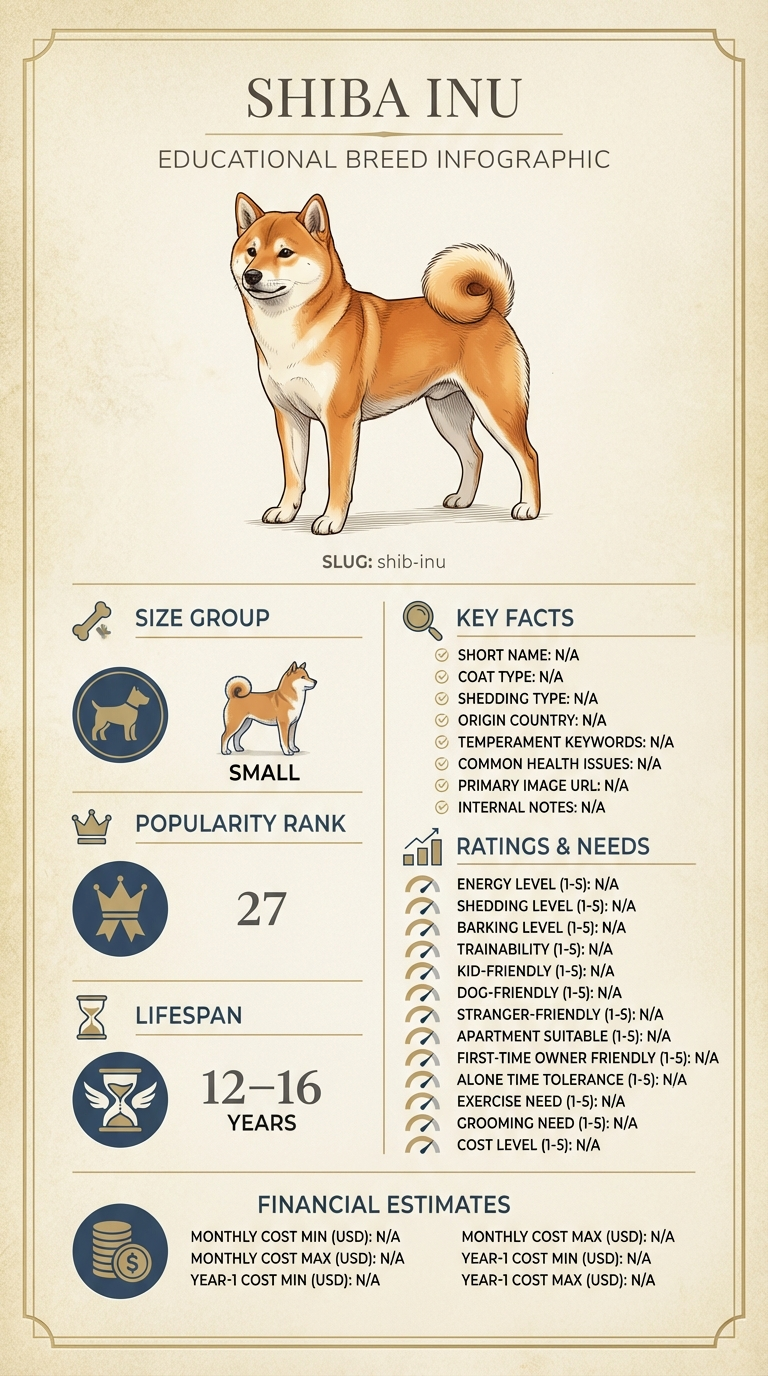
New dog owners or those considering adoption often struggle with this decision. They want to ensure they choose the right dog for their lifestyle and are wary of potential health problems.
This guide is not medical advice. If your dog shows pain, sudden behavior change, or worsening symptoms, consult a licensed veterinarian.
Some links may be affiliate links. We may earn a commission at no extra cost to you. We only suggest products we believe are helpful for dog owners.
The debate between Shibа Inu purebreds and mixed breeds often leads to confusion for potential dog owners. Purebred Shibа Inus are known for their distinct characteristics, but they may also come with higher health risks, such as a greater likelihood of developing certain conditions like cancer. In contrast, mixed breeds can offer hybrid vigor, leading to a potentially healthier pet with diverse traits.
Shibа Inus, whether purebred or mixed, can experience these issues. Many owners report behavioral problems and health concerns, especially in purebreds, making it a common dilemma for those considering this breed.
Shibа Inus, as purebred dogs, can have genetic predispositions to certain health issues. This includes a higher risk of developing conditions like cancer, which contributes to behavioral changes. Additionally, their unique temperament can make them less adaptable to mixed breed characteristics, leading to confusion around behavior expectations.
The environment plays a significant role in how a Shibа Inu behaves. Factors such as lack of socialization, inadequate training, or a high-stress household can exacerbate issues. A busy lifestyle or insufficient exercise can also lead to anxiety and behavioral problems, making it essential to create a supportive home environment.
If your Shibа Inu shows persistent anxiety or behavior issues despite your efforts, it may be time to consult a professional trainer. Look for trainers who specialize in anxiety or breed-specific behaviors. They can provide tailored strategies to address your dog's unique needs.
If you notice significant changes in your Shibа Inu's behavior, such as aggression, withdrawal, or excessive barking, consult your veterinarian. They can rule out medical issues that may be affecting your dog's behavior and recommend appropriate treatments or therapies.
Expect to see gradual improvement over 3 to 6 months with consistent training and socialization.
Success means your Shibа Inu is better adjusted, less anxious, and can enjoy being around other dogs and people.
Avoiding these common mistakes can make a significant difference in your Shibа Inu's behavior and overall well-being.
Understanding when your Shibа Inu's behavior is an emergency is crucial. If you notice extreme anxiety or aggression that seems out of character, it could indicate a serious issue. Look for signs like persistent barking, destructive behavior, or refusal to eat. These can be red flags that require immediate veterinary attention.
In contrast, if your Shibа Inu is displaying mild signs of anxiety, like occasional whining or reluctance to interact, you might choose to monitor the situation. Create a calm environment and observe how they respond to different situations. If the behavior persists or worsens, it’s best to consult your vet before it escalates.
Always trust your instincts. If something feels off, don’t hesitate to reach out to your veterinarian. They can provide guidance tailored to your Shibа Inu’s specific needs.
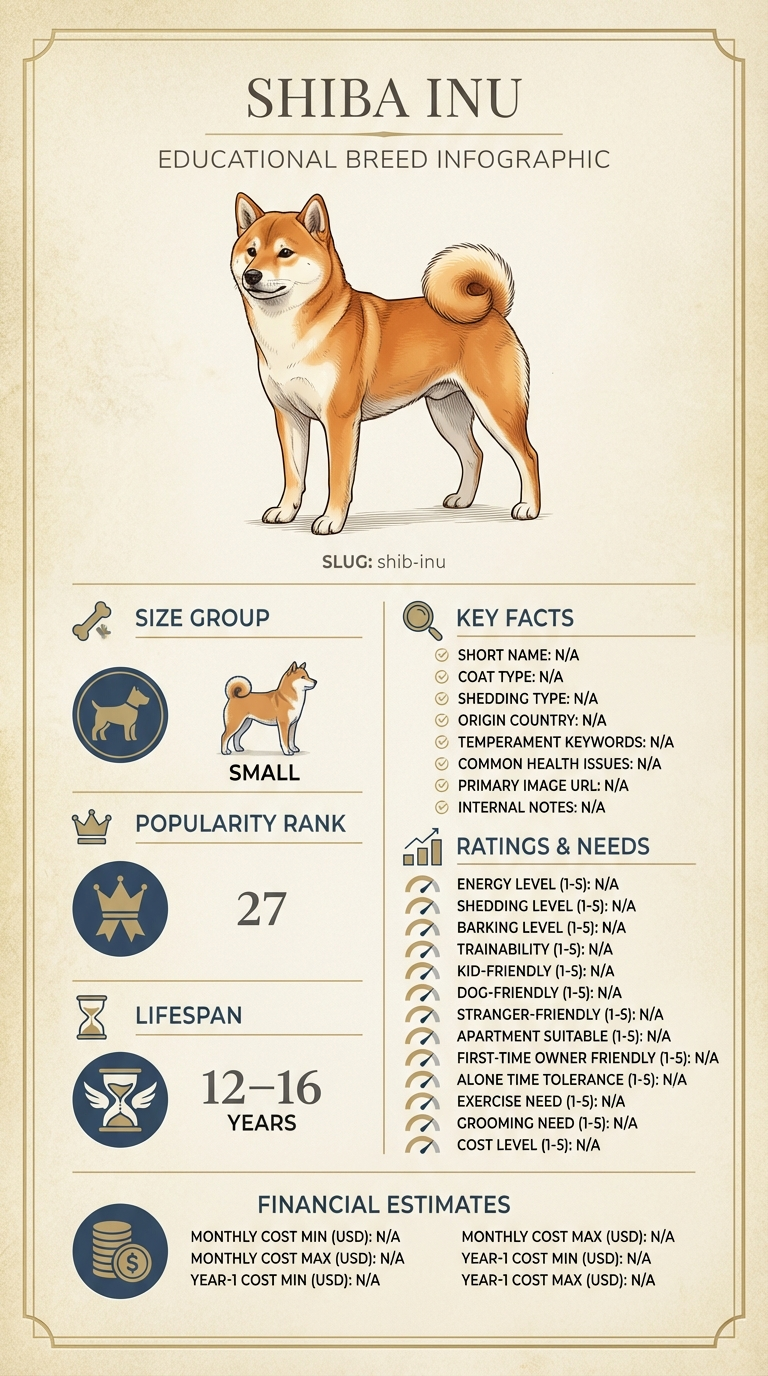
Maria, a first-time dog owner in Seattle, adopted a Shibа Inu named Kai. Initially, Kai showed signs of anxiety and aggression towards other dogs. After consulting a trainer and committing to daily training sessions, Maria learned to manage his behavior. With patience and consistency, Kai became more sociable, allowing Maria to take him to the park without worry.
Key takeaway: With the right training and socialization, even a Shibа Inu with behavioral issues can thrive and enjoy life.
Shibа Inu purebreds often have more predictable traits such as size, temperament, and health issues. Mixed breeds can vary widely, potentially leading to fewer inherited health risks. However, this variability also means they may not exhibit the classic Shibа Inu characteristics. This answer relates to Shibа Inu purebred vs. mixed breeds.
Behavioral issues in Shibа Inu can stem from genetic factors, socialization, or training inconsistencies. Purebreds may display more pronounced traits due to their lineage, while mixed breeds can have unique behavioral quirks. Understanding your dog's background can help address these issues effectively.
Training a Shibа Inu to reduce anxiety often involves consistent routines, positive reinforcement, and gradual exposure to stressors. For purebreds, it may be beneficial to consult a trainer experienced with breed-specific traits. Mixed breeds may require tailored strategies based on their unique backgrounds.
Consider your lifestyle, the dog's health profile, and potential behavioral traits. Purebreds may have specific health issues, while mixed breeds might offer more genetic diversity. Think about your ability to handle breed-specific training needs and potential health concerns.
To reduce excessive barking, start by identifying the triggers. Use positive reinforcement to reward quiet behavior and teach the 'quiet' command. Consistency and patience are key, especially with Shibа Inu's independent nature.
When deciding between a Shibа Inu purebred and a mixed breed, consider health history, temperament, and potential behavior issues. Mixed breeds may offer more genetic diversity, which can lead to fewer health problems. It's also important to think about your lifestyle and how each type fits into it.
If you adopt a mixed breed, start with proper introductions and allow your Shibа Inu to acclimate at their own pace. Consistent training and positive reinforcement can help ease any anxiety. If issues arise, consider consulting a professional trainer for tailored advice.
Shibа Inu mixed breeds can inherit health issues from either parent breed. While purebreds are often at higher risk for specific conditions, mixed breeds can also face challenges. Regular vet check-ups can help catch and manage these potential health issues early on.
Training can vary between Shibа Inu purebreds and mixed breeds based on their unique temperaments and backgrounds. Purebreds might have more predictable behaviors, while mixed breeds may display a wider range of traits. Understanding each dog's specific needs is key to successful training.
If your Shibа Inu exhibits sudden changes in behavior or shows signs of distress, it's time to consult a vet. This includes excessive barking, anxiety, or aggression. Early intervention can help address any underlying health issues or behavioral problems effectively.
Provide regular exercise, mental stimulation, and consistent training. Establish a routine to help manage their behavior and anxiety.
The cost of a Shibа Inu can range from $1,000 to $3,000, depending on whether it's purebred or mixed. Initial costs include vaccinations and spaying or neutering.
Groom your Shibа Inu every 4-6 weeks to keep their coat healthy. Regular brushing helps reduce shedding and maintain skin health.
Positive reinforcement is the most effective training method for Shibа Inu. Use treats and praise to encourage good behavior and make training fun.
Shibа Inu may face issues like separation anxiety and stubbornness. Early socialization and consistent training can help mitigate these problems.