Health
What should I do if I suspect my Shibа Inu has pra-rcd3?
Schedule a vet appointment for an eye examination to confirm the diagnosis and discuss management options.
Shibа Inu progressive retinal atrophy (PRA-RCD3) is a serious eye condition that can lead to vision loss in your beloved pet. This condition matters because it can significantly affect your dog's quality of life.
Owners of Shibа Inus, especially those who notice their dog becoming more cautious or hesitant in new environments, often struggle with this issue. New dog owners or those unfamiliar with eye conditions may find it particularly challenging to navigate.
This guide is not medical advice. If your dog shows pain, sudden behavior change, or worsening symptoms, consult a licensed veterinarian.
Some links may be affiliate links. We may earn a commission at no extra cost to you. We only suggest products we believe are helpful for dog owners.
Shibа Inu progressive retinal atrophy (pra-rcd3) is a genetic condition that leads to gradual vision loss. This can be particularly distressing for both the dog and its owner, as the Shibа Inu may struggle with navigating familiar environments. Day-to-day, you might notice your Shibа Inu bumping into furniture, hesitating when walking outside, or showing signs of increased anxiety in new places.
This condition is relatively common among Shibа Inus, especially as they age. Many owners report seeing early signs of vision impairment by the time their dog is around 5 years old, with symptoms progressively worsening over time.
Shibа Inus can inherit progressive retinal atrophy (PRA-rcd3) due to genetic factors. This breed has a predisposition to eye issues, which can lead to gradual vision loss. If your Shibа Inu comes from a line with a history of PRA, this may explain their condition.
Environmental factors play a lesser role in PRA but can still contribute to overall eye health. Poor nutrition and lack of appropriate care can exacerbate any existing conditions. Ensuring your dog has a balanced diet and regular vet check-ups is essential.
If your Shibа Inu struggles significantly with navigation or shows anxiety related to vision loss, consider hiring a professional trainer. They can offer tailored strategies and support for your dog's specific needs.
If you notice any rapid changes in your dog's vision or behavior, contact your vet. They can provide a thorough examination and discuss potential treatment options, including diet changes or supplements that may support eye health.
You can expect to see gradual changes in your Shibа Inu's vision over several months to years. Early detection and consistent management can help maintain their quality of life.
Success means being able to adapt your dog's environment to support their needs, like using consistent verbal cues and maintaining a safe space. Your Shibа Inu will navigate their surroundings with confidence, even as their sight diminishes.
Here are common mistakes owners make that can worsen Shibа Inu progressive retinal atrophy (pra-rcd3) and tips for better approaches.
Recognizing when Shibа Inu progressive retinal atrophy (PRA-rcd3) becomes an emergency is crucial for your dog's health. Certain red-flag signs indicate that immediate veterinary attention is needed. These include sudden changes in behavior, such as disorientation or bumping into objects, which may signify rapid vision loss. Additionally, if your Shibа Inu shows signs of severe distress or anxiety related to their sight, you should contact your vet right away.
On the other hand, mild cases of PRA-rcd3 can often be monitored. For instance, if your Shibа Inu is experiencing gradual vision changes without any sudden behavioral shifts, it may not require immediate intervention. Keeping a close eye on their daily activities and comfort level can provide valuable insights. Establishing a monitoring plan can help you track any progression of the condition without panicking unnecessarily.
Remember, while waiting to see how things develop, ensure your home environment is safe and familiar for your Shibа Inu. Reducing hazards can help them navigate their surroundings better as they adapt to changes. However, if you notice any worsening symptoms or new issues arise, it’s best to consult your veterinarian for professional guidance.
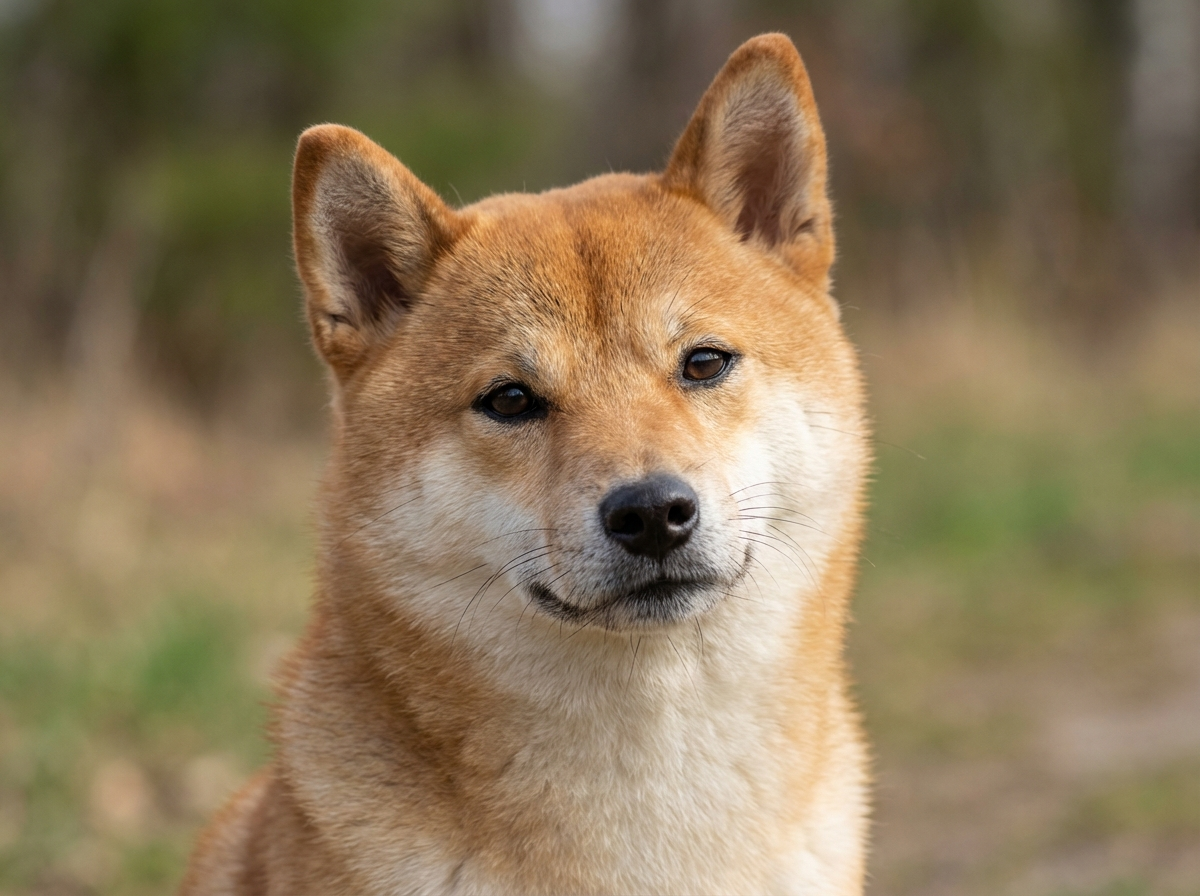
Lisa, a dog owner from Denver, noticed her Shibа Inu, Mochi, hesitating at stairs and bumping into furniture. After a vet visit, she learned about Progressive Retinal Atrophy (PRA-rcd3). Determined to help Mochi, Lisa implemented a training routine using verbal commands and consistent pathways around the house. Over time, Mochi became more confident, learning to navigate without fear. Lisa also marked furniture edges with bright tape to help Mochi gauge distances. Their bond grew stronger as they adapted together.
Key takeaway: With patience and the right strategies, you can help your Shibа Inu cope with progressive retinal atrophy while maintaining their happiness and independence.
Shibа Inu progressive retinal atrophy (pra-rcd3) is a genetic condition that affects the retina, leading to gradual vision loss. It is inherited and can become apparent as your dog ages. Regular check-ups with your vet can help monitor the condition.
To help your Shibа Inu adjust, maintain a consistent environment by keeping furniture in the same place. Use verbal cues and tactile guides to assist them. Patience and gentle encouragement can make a significant difference.
Signs of pra-rcd3 include difficulty navigating in low light, bumping into objects, and hesitance to go outside. You might also notice changes in their behavior, such as increased anxiety. Observing these signs early can lead to better management.
Unfortunately, there is no cure for pra-rcd3. However, early diagnosis can help manage the condition. Regular vet visits can provide guidance on care strategies to support your dog's remaining vision.
Yes, specialized training can help your Shibа Inu adapt to their vision loss. Techniques include using a harness with verbal commands. This training can improve their confidence and mobility.
Early signs of Shibа Inu progressive retinal atrophy (pra-rcd3) include difficulty seeing in low light, a tendency to bump into objects, and changes in behavior, such as reluctance to navigate familiar areas. If you notice any of these signs, it's essential to consult your vet for a thorough examination.
Yes, Shibа Inus with progressive retinal atrophy (pra-rcd3) can lead fulfilling lives. They may adapt well to their vision loss by relying on their other senses and receiving proper training and support from their owners. Consistent routines and safe environments can help them thrive.
To help your Shibа Inu adjust, maintain a consistent environment and avoid rearranging furniture. Use verbal cues and touch to guide them, and consider using scent trails or tactile markers in your home. Training can also play a crucial role in building their confidence.
If you notice any signs of vision problems, such as difficulty navigating or changes in behavior, it's time to see your vet. Early intervention can help manage the effects of Shibа Inu progressive retinal atrophy (pra-rcd3) and improve your dog's quality of life.
Yes, progressive retinal atrophy (pra-rcd3) is a hereditary condition in Shibа Inus. It's essential to discuss your dog's family history with your vet, especially if you are considering breeding, to avoid passing on this condition to future generations.
Schedule a vet appointment for an eye examination to confirm the diagnosis and discuss management options.
Keep their environment consistent and use verbal cues to help them navigate safely.
Consider using harnesses designed for visually impaired dogs, which can provide guidance and support during walks.
No, pra-rcd3 itself is not painful, but the adjustment to vision loss can be stressful for your dog.