Behavior
What are Shibа Inu genetic load quick tips?
Focus on regular vet visits and maintain a healthy diet to manage genetic load. Training and socialization can help reduce any behavioral issues associated with genetics.
Shibа Inu genetic load refers to the presence of harmful genetic variants in the breed.
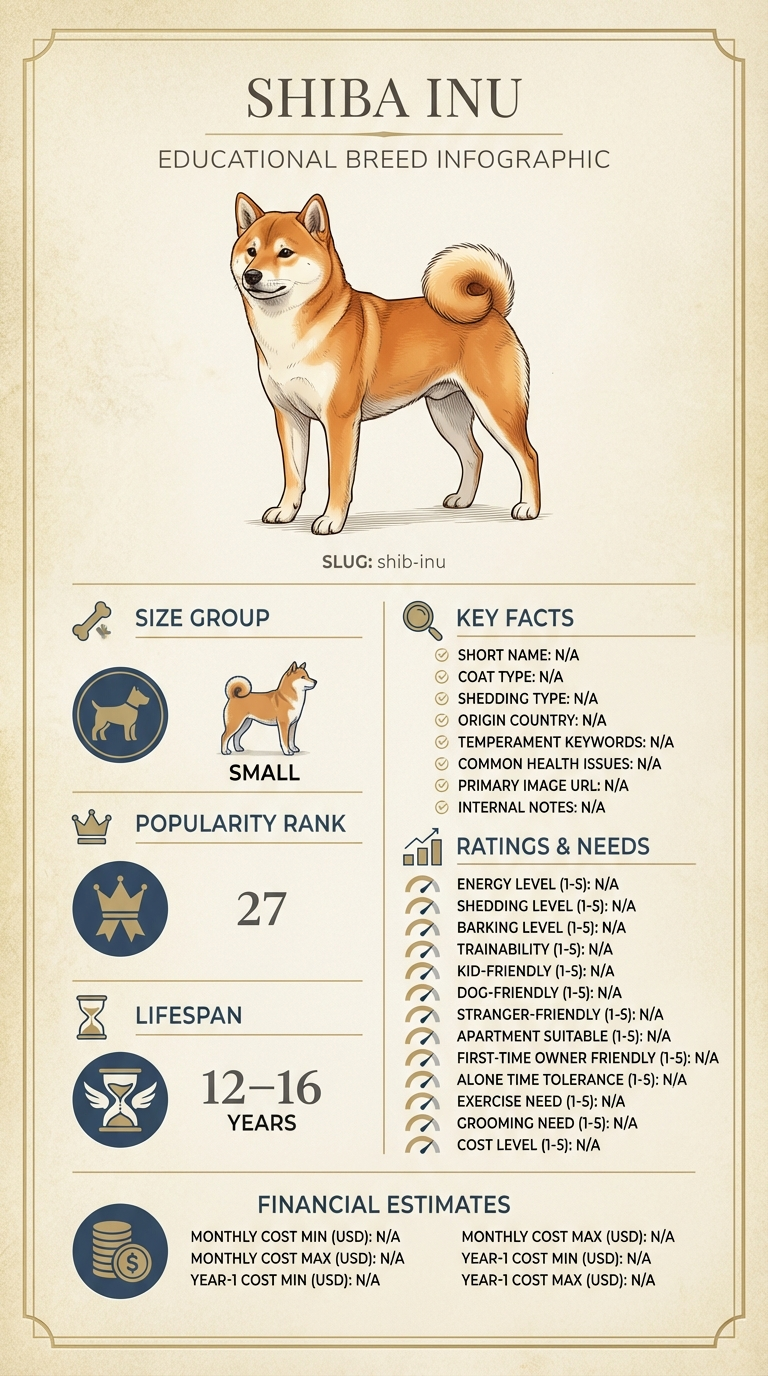
New and experienced Shibа Inu owners alike may struggle with genetic load. This includes those who notice unusual behaviors or health issues in their dogs, and who want to provide the best care possible.
This guide is not medical advice. If your dog shows pain, sudden behavior change, or worsening symptoms, consult a licensed veterinarian.
Some links may be affiliate links. We may earn a commission at no extra cost to you. We only suggest products we believe are helpful for dog owners.
Shibа Inu genetic load refers to the presence of harmful genetic variants that can affect the dog's health and behavior. Day-to-day, this may manifest as increased susceptibility to certain health issues or behavioral problems. Owners might notice their Shibа Inu has a lower tolerance for stress or is more prone to anxiety, leading to challenges in training and socialization.
The genetic load issue is relatively common among Shibа Inus, given their popularity and breeding practices. Many owners report facing genetic-related health concerns or behavioral quirks, which can stem from these inherited traits.
The Shibа Inu is known for specific genetic traits that can increase its vulnerability to certain health issues. These traits may lead to a higher genetic load, which means a greater concentration of harmful genetic variants. Such genetic predispositions can be inherited, affecting the dog's overall behavior and health.
Environmental factors also play a significant role in how a Shibа Inu's genetic load manifests. Stressful living conditions, lack of proper exercise, or inadequate socialization can exacerbate genetic tendencies. Additionally, a dog's environment can influence its mental and emotional well-being, leading to behavioral problems.
If your Shibа Inu shows persistent behavioral issues despite your efforts, it may be time to consult a professional dog trainer. A trainer can provide tailored strategies and help address specific problems linked to genetic load. This is especially important if your dog exhibits aggression, extreme anxiety, or other severe behaviors.
If you notice any sudden changes in your Shibа Inu's health or behavior, consult your veterinarian. They can assess for underlying medical conditions related to genetic load. Additionally, if behavioral strategies aren't effective, a vet can guide you on potential health issues and recommend appropriate interventions.
You can expect to see gradual improvements in your Shibа Inu's behavior over 3 to 6 months with consistent training.
Success means your Shibа Inu displays more stable behavior, reduced anxiety, and better social interactions.
Avoiding these common mistakes can help you manage your Shibа Inu's genetic load more effectively. Here are some behaviors to steer clear of and safer alternatives.
When dealing with Shibа Inu genetic load, it's crucial to recognize when you should call your vet immediately versus when you can monitor the situation at home. If your Shibа Inu shows severe symptoms like sudden lethargy, difficulty breathing, or excessive vomiting, these are red flags that require immediate veterinary attention. Other signs include seizures, unresponsiveness, or any visible pain. If you see these symptoms, don’t wait; contact your vet right away.
On the other hand, if your Shibа Inu has mild signs that don't seem to worsen, such as occasional vomiting without blood or slight changes in energy levels, it might be manageable at home. In these cases, keep a close eye on them and monitor their behavior. You can create a plan to observe their eating habits and activity levels for a few days. If their condition improves, great! If not, then it’s time to seek professional help.
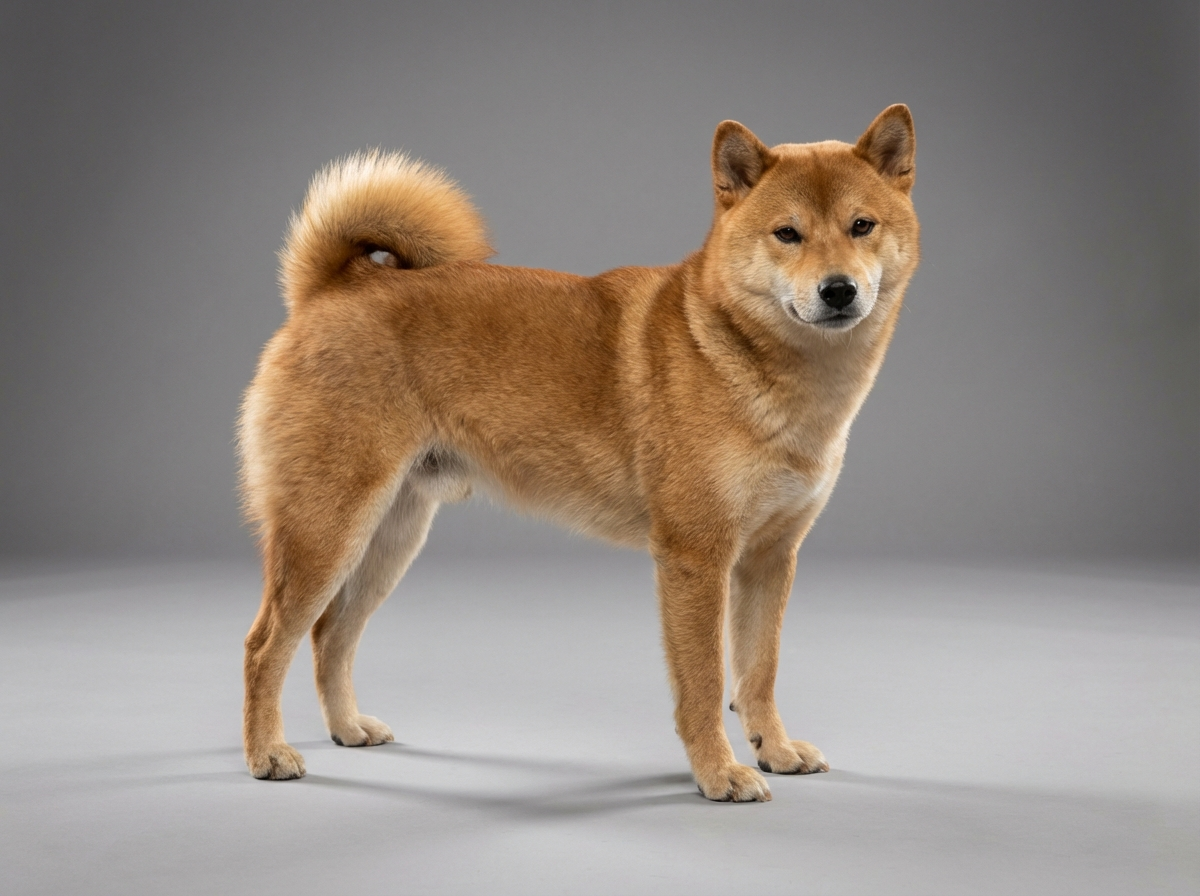
Meet Jamie, a dedicated dog owner living in a bustling city. Her Shibа Inu, Kiko, struggled with anxiety and fear in new situations, often barking excessively at strangers. Jamie learned about the impact of genetic load on her breed and decided to seek help. She enrolled Kiko in a training program focused on desensitization and positive reinforcement. Over several months, with patience and commitment, Kiko became more confident and even started playing with other dogs at the park. Jamie discovered that understanding Kiko's genetic background was key to their success.
Key takeaway: Training a Shibа Inu with genetic challenges requires patience, education, and a tailored approach to their unique needs.
Shibа Inus may have a higher genetic load due to inherited traits from their lineage. Breeding practices can concentrate harmful genetic variants, which could lead to health issues. Understanding your dog's genetic background can help you manage potential problems.
While you can't change your dog's genetics, you can mitigate its effects. Focus on regular vet check-ups, a balanced diet, and appropriate exercise to keep your Shibа Inu healthy. Training and socialization can also improve their overall well-being.
Common signs include recurring health issues like allergies or joint problems. Look for behavioral changes like anxiety or aggression, which can also be linked to genetic factors. If you notice any concerning symptoms, consult your vet.
Yes, genetic testing can help identify potential health risks associated with genetic load. Knowing your dog's genetic makeup allows you to make informed decisions regarding their care. It can also guide breeding choices if you plan to have puppies.
Absolutely! Training can improve behavior and reduce anxiety, which may be linked to genetic predispositions. Positive reinforcement techniques tailored to your Shibа Inu's needs can make a significant difference in their quality of life.
Signs of genetic load in your Shibа Inu can include unusual health issues, behavioral problems, or lower energy levels. If you notice persistent symptoms like lethargy or frequent illnesses, it’s time to consult your vet.
As Shibа Inus age, they may show more symptoms related to genetic load. Older dogs might be more susceptible to health issues linked to their genetic background, so regular vet check-ups become even more crucial.
If you suspect a high genetic load in your Shibа Inu, the first step is to consult your veterinarian. They can recommend genetic testing and help you find suitable training or treatment options.
Yes, training can help manage some behavioral problems associated with genetic load in Shibа Inus. Consistent training and socialization can improve their responses to stressors and enhance their overall well-being.
While you can't completely eliminate genetic load, you can help your Shibа Inu by providing a healthy diet, regular exercise, and mental stimulation. Engaging them in activities can alleviate some negative effects on behavior and health.
Focus on regular vet visits and maintain a healthy diet to manage genetic load. Training and socialization can help reduce any behavioral issues associated with genetics.
Provide a stable environment, engage in regular exercise, and explore training options to enhance their well-being. A supportive routine can make a big difference.
Consult your vet promptly to address any health concerns. Early intervention is key to managing potential genetic issues effectively.