Behavior
What are quick tips for managing Shibа Inu gastrointestinal disorders?
Monitor their diet closely and avoid sudden food changes. Regular vet visits can help catch issues early.
Shibа Inu gastrointestinal disorders can cause serious discomfort and health issues for your pet. These problems may include inflammatory bowel disease, acid reflux, and more.
Typically, owners of Shibа Inus may face these challenges, especially if their dog shows signs of discomfort after eating. This can be particularly difficult for busy families or first-time pet owners who may not recognize the symptoms right away.
This guide is not medical advice. If your dog shows pain, sudden behavior change, or worsening symptoms, consult a licensed veterinarian.
Some links may be affiliate links. We may earn a commission at no extra cost to you. We only suggest products we believe are helpful for dog owners.
Shibа Inus can face gastrointestinal disorders, which manifest as vomiting, diarrhea, or changes in appetite. These issues can cause discomfort and stress for both the dog and the owner. Daily life may involve frequent vet visits, special diets, and monitoring to manage the symptoms.
Gastrointestinal disorders are relatively common in Shibа Inus, especially as they age or if they have a sensitive stomach. Owners should be vigilant about any signs of distress.
Shibа Inus can be prone to certain gastrointestinal disorders due to their unique physiology. Genetic factors can contribute to issues like inflammatory bowel disease or pyloric stenosis, which may be more common in this breed. Their diet and eating habits can also play a role in their digestive health.
Environmental factors such as stress, sudden diet changes, or the presence of irritants can lead to gastrointestinal disorders in Shibа Inus. For example, if they experience anxiety from separation or changes in their routine, it can manifest in digestive problems. Additionally, low-quality food or food allergies may trigger gastrointestinal issues.
If your Shibа Inu is showing signs of anxiety or stress-related gastrointestinal issues, consider consulting a trainer. A professional can help address behavioral problems and teach coping strategies.
If your Shibа Inu experiences ongoing gastrointestinal disorders, such as persistent vomiting, diarrhea, or weight loss, it's essential to consult a vet. They can provide a proper diagnosis and recommend appropriate treatments or dietary changes.
You can expect to see improvements in your Shibа Inu's gastrointestinal issues within 4 to 8 weeks, depending on the severity of the disorder and the consistency of your training and dietary changes.
Success means your Shibа Inu will have fewer stomach upsets, improved appetite, and an overall happier demeanor. You'll notice more regular bathroom habits and less discomfort during meals.
Avoiding these common mistakes can help improve your Shibа Inu's gastrointestinal health.
Gastrointestinal disorders in your Shibа Inu can range from mild to severe. It's crucial to know when to seek immediate veterinary help versus when you can monitor your pet at home. Red flags that indicate an emergency include severe vomiting, blood in the stool, or signs of dehydration such as excessive panting and lethargy. If your Shibа Inu is unable to keep food or water down for more than 24 hours, it's time to call your vet.
Mild cases can often be managed at home. Look for signs like occasional vomiting, mild diarrhea, or decreased appetite. If your dog is still active, drinking water, and not showing extreme distress, you can monitor their condition for a short time. Keep an eye on their behavior, and consider small, bland meals to help settle their stomach. However, if symptoms persist or worsen, do not hesitate to reach out to your veterinarian for guidance.
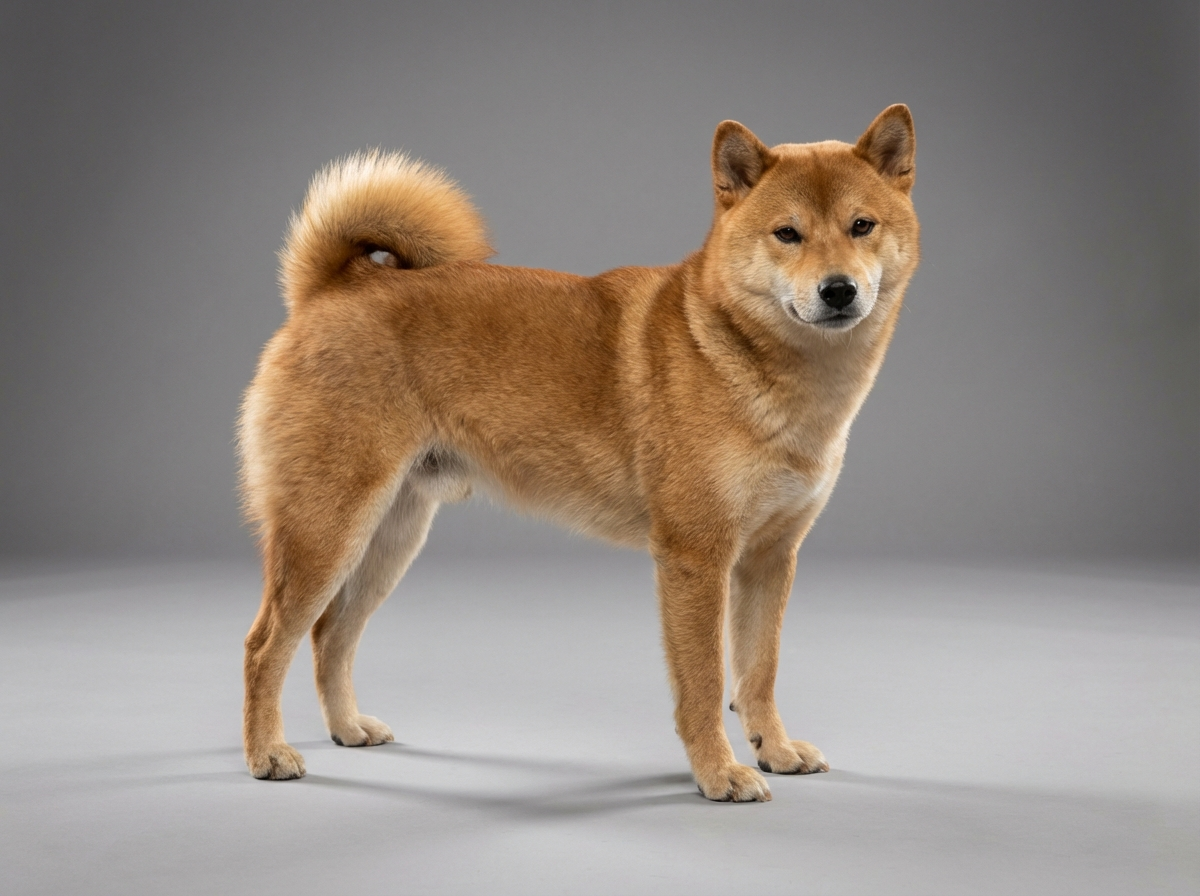
Nina, a busy nurse living in a small apartment, noticed that her Shibа Inu, Mochi, was frequently having digestive issues. After countless vet visits, she learned that Mochi had a mild case of inflammatory bowel disease. Determined to help her furry friend, Nina researched dietary changes and began cooking homemade meals tailored for Mochi's needs. It took a few weeks, but with patience and consistency, Mochi's symptoms improved significantly. Now, Mochi enjoys his meals without discomfort, and Nina feels relieved to see him thriving.
Key takeaway: With the right diet and a commitment to training, you can effectively manage Shibа Inu gastrointestinal disorders and improve your dog's quality of life.
Shibа Inus can experience gastrointestinal disorders due to various reasons, including dietary issues, allergies, or stress. Inflammatory bowel disease and conditions like acid reflux are also common. It's essential to monitor their diet and consult with your vet for a proper diagnosis.
To help stop gastrointestinal disorders in your Shibа Inu, start by adjusting their diet to include high-quality, easily digestible food. Gradually introduce new foods and keep an eye on their reactions. Regular vet check-ups can also help identify any underlying issues.
Watch for signs like vomiting, diarrhea, bloating, or changes in appetite. If your Shibа Inu shows any of these symptoms consistently, it's crucial to consult your vet. Early intervention can make a significant difference in treatment.
While training won't directly stop gastrointestinal disorders, stress management training can help reduce anxiety, which might contribute to digestive issues. Techniques such as desensitization and positive reinforcement can be beneficial. Always ensure your Shibа Inu feels secure in its environment.
Consider switching to a high-fiber diet or limited ingredient food that is gentle on the stomach. Adding small amounts of pumpkin or probiotics might also aid digestion. Always consult with your vet before making significant dietary changes.
Common symptoms include vomiting, diarrhea, and loss of appetite. You might also notice weight loss or lethargy in your Shibа Inu. If these symptoms persist, it's crucial to consult your vet.
Yes, dietary changes can often help manage gastrointestinal disorders. Switching to a high-quality, easily digestible dog food may alleviate some symptoms. Always consult your vet before making any significant changes to your dog's diet.
If your Shibа Inu experiences vomiting or diarrhea for more than 24 hours, you should see a vet. Additionally, if you notice blood in their stool or persistent lethargy, seek veterinary care immediately. Early intervention is key to preventing more serious issues.
Yes, older Shibа Inus can be more prone to gastrointestinal disorders due to age-related changes. Their digestive systems may become less efficient, leading to issues. Regular vet check-ups can help monitor their health and catch any problems early.
Training can help by establishing a routine for feeding and bathroom breaks. Positive reinforcement can encourage your Shibа Inu to follow this routine, which may help reduce anxiety and associated gastrointestinal issues. Always consult a trainer familiar with gastrointestinal problems.
Monitor their diet closely and avoid sudden food changes. Regular vet visits can help catch issues early.
If they show symptoms, visit the vet immediately. Otherwise, routine check-ups every 6-12 months are ideal.
Yes, stress can lead to digestive issues in Shibа Inus. Providing a stable environment can help reduce stress.