Health
What are quick tips for managing Shibа Inu dilated cardiomyopathy (DCM)?
Monitor your dog's activity levels and provide a low-sodium diet. Regular vet check-ups are essential for managing their health.
Shibа Inu dilated cardiomyopathy (DCM) is a serious heart condition that can affect your dog's health and lifespan.
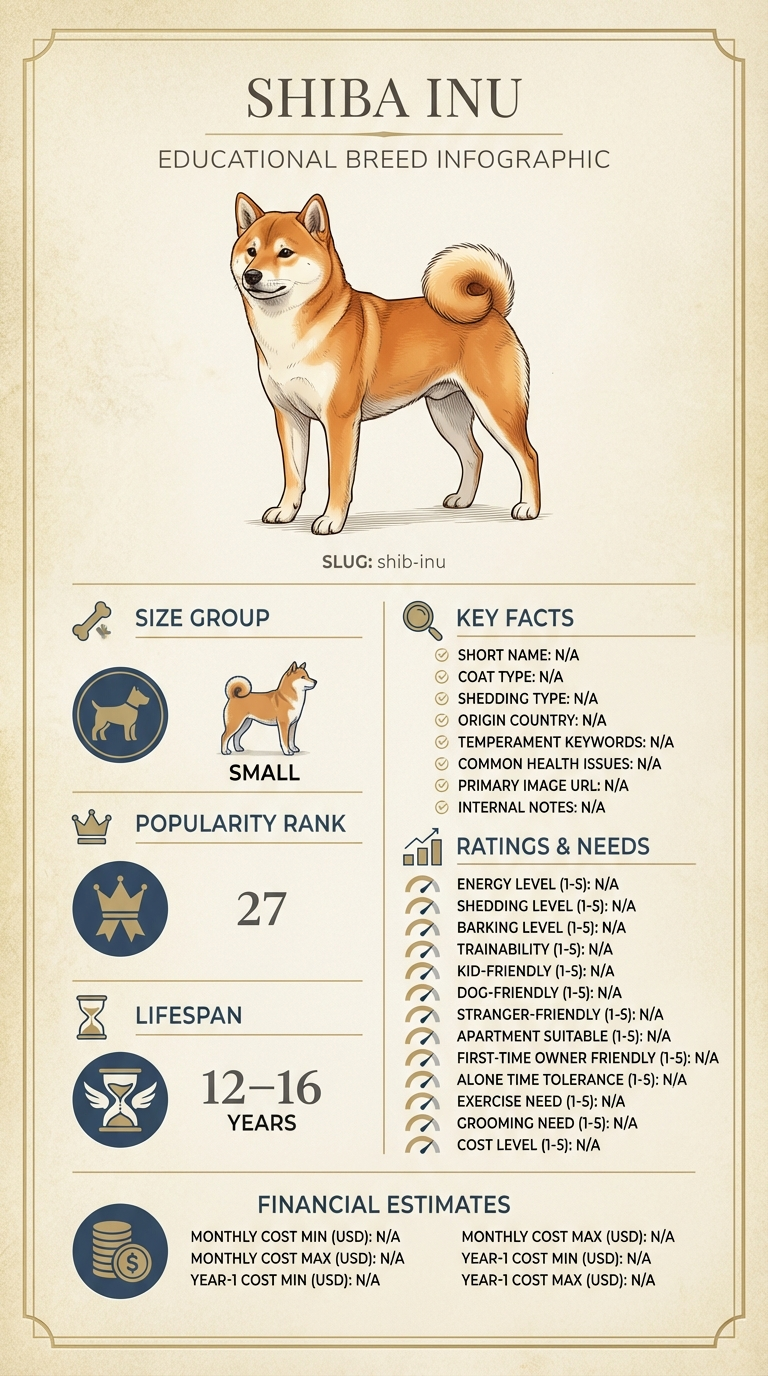
Typically, dog owners who face this issue are dedicated Shibа Inu parents who may notice troubling signs such as lethargy or difficulty breathing. They often feel overwhelmed by the potential health risks and the need for proactive care.
This guide is not medical advice. If your dog shows pain, sudden behavior change, or worsening symptoms, consult a licensed veterinarian.
Some links may be affiliate links. We may earn a commission at no extra cost to you. We only suggest products we believe are helpful for dog owners.
Shibа Inus can suffer from dilated cardiomyopathy (DCM), a serious heart condition. This problem manifests as lethargy, coughing, fainting, and difficulty breathing. Owners often notice their Shibа Inu becoming less active or showing signs of distress during exercise.
DCM is one of the most common cardiac diseases in Shibа Inus, with a significant risk of sudden cardiac death. While not every Shibа Inu will develop this condition, it's important for owners to be aware and monitor their pets for any symptoms.
Shibа Inus are prone to dilated cardiomyopathy (DCM) due to genetic factors. This breed has a higher risk of heart issues, which can lead to the heart becoming enlarged and less effective at pumping blood. If your Shibа Inu has a family history of heart problems, this could increase their chances of developing DCM.
Environmental factors can also contribute to DCM. Poor diet, lack of exercise, and obesity can exacerbate heart problems in Shibа Inus. Stressful situations or sudden changes in their routine may also affect their heart health.
If your Shibа Inu exhibits signs of anxiety or behavioral issues, consider consulting a professional trainer. A trainer can help with specific behaviors that might stress your dog and contribute to heart issues.
It's essential to talk to your vet if you notice symptoms like coughing, lethargy, or difficulty breathing. Regular check-ups can help monitor heart health, especially if DCM is a concern in your dog's breed.
Managing Shibа Inu dilated cardiomyopathy (DCM) typically takes several weeks to months. You'll likely need regular vet visits and adjustments to treatment plans.
Success means your Shibа Inu is stable, showing fewer symptoms, and maintaining a good quality of life. You should see improved energy levels and overall health with proper care.
Avoiding these common mistakes can help improve your Shibа Inu's condition and overall health.
Recognizing when your Shibа Inu's dilated cardiomyopathy (DCM) becomes an emergency is crucial. There are clear signs that require immediate veterinary attention, while other symptoms may warrant monitoring at home.
If your Shibа Inu displays any of the following red-flag signs, call your vet without delay: - Sudden collapse or fainting - Severe difficulty breathing or gasping for air - Persistent coughing or wheezing - Extreme lethargy or weakness
These symptoms indicate that your dog may be in serious distress and could be at risk of sudden cardiac events. On the other hand, there are mild cases of DCM that can be observed at home. If your Shibа Inu shows these signs, you can monitor them: - Occasional coughing without severe distress - Mild lethargy that doesn't worsen - Slight decrease in appetite without other symptoms
In these situations, keep a close watch and consult your vet for a follow-up. Keeping track of your dog's behavior can help you decide if a visit to the vet is necessary. Always err on the side of caution, especially with a condition as serious as DCM. Regular check-ups and monitoring can help you manage your Shibа Inu's health effectively.

Mia, a busy nurse in San Francisco, was heartbroken when her Shibа Inu, Yuki, was diagnosed with dilated cardiomyopathy (DCM). Initially, she felt overwhelmed and unsure of what to do. After extensive research and consultations with her veterinarian, Mia learned about the importance of a specialized diet and regular medication. She also joined a support group for dog owners facing similar challenges. After a few months of commitment to Yuki's new routine, Mia noticed that Yuki had more energy and seemed happier, which filled her with hope.
Key takeaway: With dedication and the right support, managing your Shibа Inu's DCM can lead to a better quality of life for both you and your furry friend.
Shibа Inu dilated cardiomyopathy (DCM) is a serious heart condition that affects the breed. It leads to an enlarged heart and can result in sudden cardiac death. Regular vet check-ups are crucial for early detection.
DCM can be genetic or may develop due to other health issues. Factors like age and certain lifestyle choices can also contribute. Always consult your vet to understand your dog's specific situation.
Managing DCM involves regular veterinary care, medication, and lifestyle adjustments. A low-sodium diet and controlled exercise can help. Always follow your vet's recommendations for the best outcome.
Training can assist in managing stress and anxiety, which is important for dogs with DCM. Focus on calm, gentle training methods. Avoid overly strenuous activities that could put extra strain on their heart.
Common signs include lethargy, coughing, difficulty breathing, and fainting. If you notice any of these symptoms, consult your vet immediately. Early intervention can be life-saving.
Currently, there is no cure for DCM, but it can be managed with medication and lifestyle changes. Regular veterinary visits are essential for monitoring the condition and adjusting treatment as needed.
Early signs of Shibа Inu dilated cardiomyopathy (DCM) can include lethargy, reduced exercise tolerance, and a cough. If you notice these symptoms, consult your vet promptly for evaluation.
Yes, certain diets may influence the risk of dilated cardiomyopathy in Shibа Inus. It's important to feed a balanced diet and discuss any specific dietary concerns with your veterinarian.
Dilated cardiomyopathy can have a genetic component in Shibа Inus. If you're considering breeding, it's wise to have your dog's heart evaluated and discuss potential risks with a vet.
Supporting a Shibа Inu with DCM includes regular vet check-ups, medications as prescribed, and maintaining a low-stress environment. Monitoring their activity levels and providing a heart-healthy diet can also help.
If your Shibа Inu shows signs like excessive panting, fainting, or a swollen abdomen, seek veterinary attention immediately. Early detection and treatment can significantly improve their quality of life.
Monitor your dog's activity levels and provide a low-sodium diet. Regular vet check-ups are essential for managing their health.
Engage in gentle training and provide a stable environment. Avoid high-stress situations to keep them relaxed.
Contact your veterinarian immediately if your dog shows symptoms like coughing or lethargy. Early treatment is crucial.
Yes, but limit exercise to gentle walks and play. Avoid strenuous activities to protect their heart.