Health
What are quick tips for managing Shibа Inu cardiomyopathy?
Regular vet check-ups, a heart-healthy diet, and controlled exercise can aid in managing Shibа Inu cardiomyopathy.
Shibа Inu cardiomyopathy is a serious heart condition that affects these beloved dogs. Understanding it is crucial for their health and happiness.
Owners of Shibа Inus, especially those with active or aging dogs, often face challenges in recognizing and managing cardiomyopathy. Busy pet parents may overlook subtle signs until the condition worsens.
This guide is not medical advice. If your dog shows pain, sudden behavior change, or worsening symptoms, consult a licensed veterinarian.
Some links may be affiliate links. We may earn a commission at no extra cost to you. We only suggest products we believe are helpful for dog owners.
Shibа Inu cardiomyopathy is a serious heart condition that affects the muscle of the heart. Day-to-day, dogs with this issue may show signs of lethargy, coughing, or difficulty breathing. These symptoms can vary in severity, making it crucial for owners to recognize changes in their dog's behavior.
This condition is not extremely common but can occur in Shibа Inus, especially those with a family history of heart problems. Regular vet check-ups can help catch it early.
Shibа Inus can be prone to certain genetic health issues, including cardiomyopathy. This breed may inherit conditions that affect heart muscle function, leading to complications. Additionally, their unique body structure can put stress on the heart.
Stressful environments can exacerbate heart issues in Shibа Inus. Factors such as a lack of exercise, poor diet, or exposure to high-stress situations can contribute to the development of cardiomyopathy. A sedentary lifestyle can also impact overall heart health.
If your Shibа Inu shows signs of anxiety or stress, consider hiring a professional trainer. They can provide tailored strategies to help reduce anxiety and improve your dog's overall well-being.
If you notice symptoms like coughing, lethargy, or difficulty breathing, contact your vet immediately. Regular check-ups are essential for monitoring your Shibа Inu's heart health, especially if they are at risk for cardiomyopathy.
Managing Shibа Inu cardiomyopathy typically takes several months of consistent care and monitoring. Owners should expect to see signs of improvement in their dog's energy and overall health within three to six months after starting appropriate treatment and lifestyle changes.
Success looks like your Shibа Inu showing increased energy levels, improved appetite, and a more stable heart rate. Regular vet check-ups will confirm that the heart condition is being managed effectively.
When dealing with Shibа Inu cardiomyopathy, certain common mistakes can exacerbate the issue. Here are some behaviors to avoid, along with safer alternatives.
Recognizing when Shibа Inu cardiomyopathy is an emergency is crucial for your dog's health. Some signs indicate you should call your vet immediately, while others can be monitored at home. Knowing the difference can save your dog's life.
**Emergency Signs:** If your Shibа Inu shows any of the following symptoms, contact your vet right away: - Sudden collapse or fainting. - Difficulty breathing or rapid panting. - Persistent coughing or wheezing. - Severe lethargy or weakness. - Swollen abdomen or signs of pain when touched.
These symptoms may indicate severe heart issues that require immediate intervention.
**Monitor at Home:** If your dog displays mild symptoms, you may choose to monitor them closely. Watch for signs like occasional coughing, slight lethargy, or decreased appetite. These could be less urgent but still concerning. Create a plan to track these symptoms and consult your vet if they worsen.
Regular check-ups are essential for Shibа Inu cardiomyopathy. Discuss any changes in behavior or health with your vet to ensure your pup stays happy and healthy. Remember, it’s always better to err on the side of caution when it comes to your dog’s health.
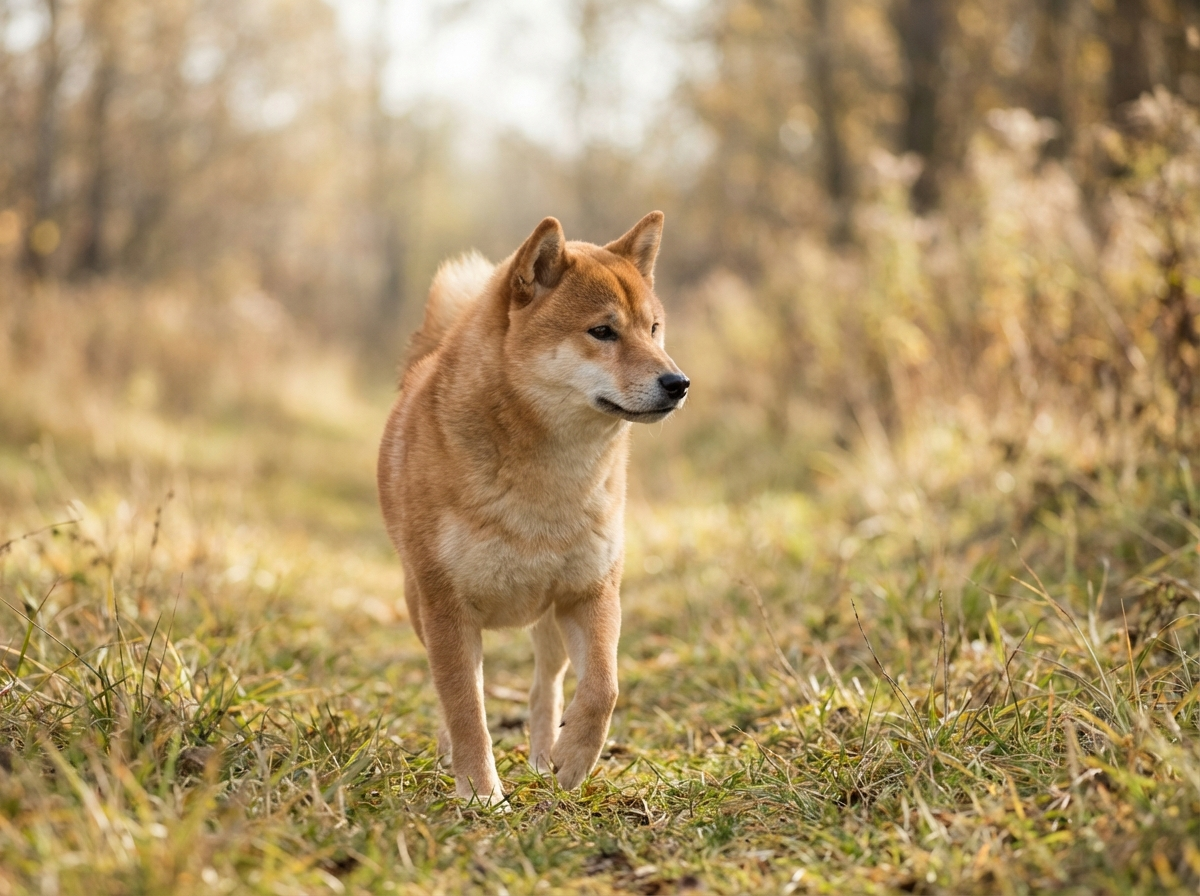
Jessica, a devoted Shibа Inu owner, noticed her dog, Mochi, becoming lethargic and less active. After consulting with her vet, she learned that Mochi had cardiomyopathy. Determined to help her furry friend, Jessica committed to a treatment plan that included medication, a special diet, and regular vet visits. Over the next few months, with patience and dedication, Mochi gradually regained his energy and enthusiasm for life. Jessica celebrated every small victory, from short walks to playful moments in the yard, grateful for the support she received from the vet and online communities.
Key takeaway: With dedication and proper care, managing Shibа Inu cardiomyopathy is possible, leading to a happier and healthier life for your dog.
Shibа Inus can develop cardiomyopathy due to genetic factors or underlying health conditions. It's essential to consult your vet for an accurate diagnosis and tailored treatment plan.
To manage Shibа Inu cardiomyopathy, focus on regular vet check-ups, a balanced diet, and appropriate exercise. Medications may also be prescribed to support heart health.
Watch for symptoms like coughing, lethargy, or difficulty breathing. If you notice any of these signs, contact your vet immediately for evaluation.
Positive reinforcement training is effective for Shibа Inus with cardiomyopathy. Keeping training sessions short and stress-free helps minimize anxiety and avoid overexertion.
Yes, lifestyle changes like a healthy diet, moderate exercise, and reducing stress can greatly benefit your Shibа Inu's heart health. Always consult your vet before making significant changes.
Early signs of Shibа Inu cardiomyopathy can include lethargy, decreased exercise tolerance, and coughing. If you notice these symptoms, it’s important to consult your veterinarian for proper diagnosis and treatment.
Yes, cardiomyopathy can have a hereditary component in Shibа Inus. If your dog has a family history of heart issues, regular check-ups with a vet are crucial for early detection and management.
For older Shibа Inus with cardiomyopathy, a combination of a low-sodium diet, controlled exercise, and regular vet check-ups can help manage the condition. Always follow your vet’s recommendations for the best care.
If your Shibа Inu collapses, it's critical to seek immediate veterinary care. This could be a sign of severe cardiomyopathy or other serious health issues that need urgent attention.
Cardiomyopathy can lead to changes in behavior, such as increased anxiety or reluctance to engage in physical activities. If you notice behavioral changes, consult your vet to discuss possible underlying issues.
Regular vet check-ups, a heart-healthy diet, and controlled exercise can aid in managing Shibа Inu cardiomyopathy.
Use positive reinforcement and keep training sessions short to prevent stress and overexertion.
Coughing, lethargy, or difficulty breathing are signs that require immediate veterinary attention.
Consult your vet for a specific diet that supports heart health and meets your Shibа Inu's needs.