Living
What are quick tips for managing Shibа Inu brachycephalic features?
Keep your Shibа Inu cool and avoid strenuous activities, especially in hot weather. Regular vet check-ups are essential for monitoring their breathing health.
Shibа Inus often face challenges due to their brachycephalic features, which can impact their breathing. (Shibа Inu brachycephalic features)
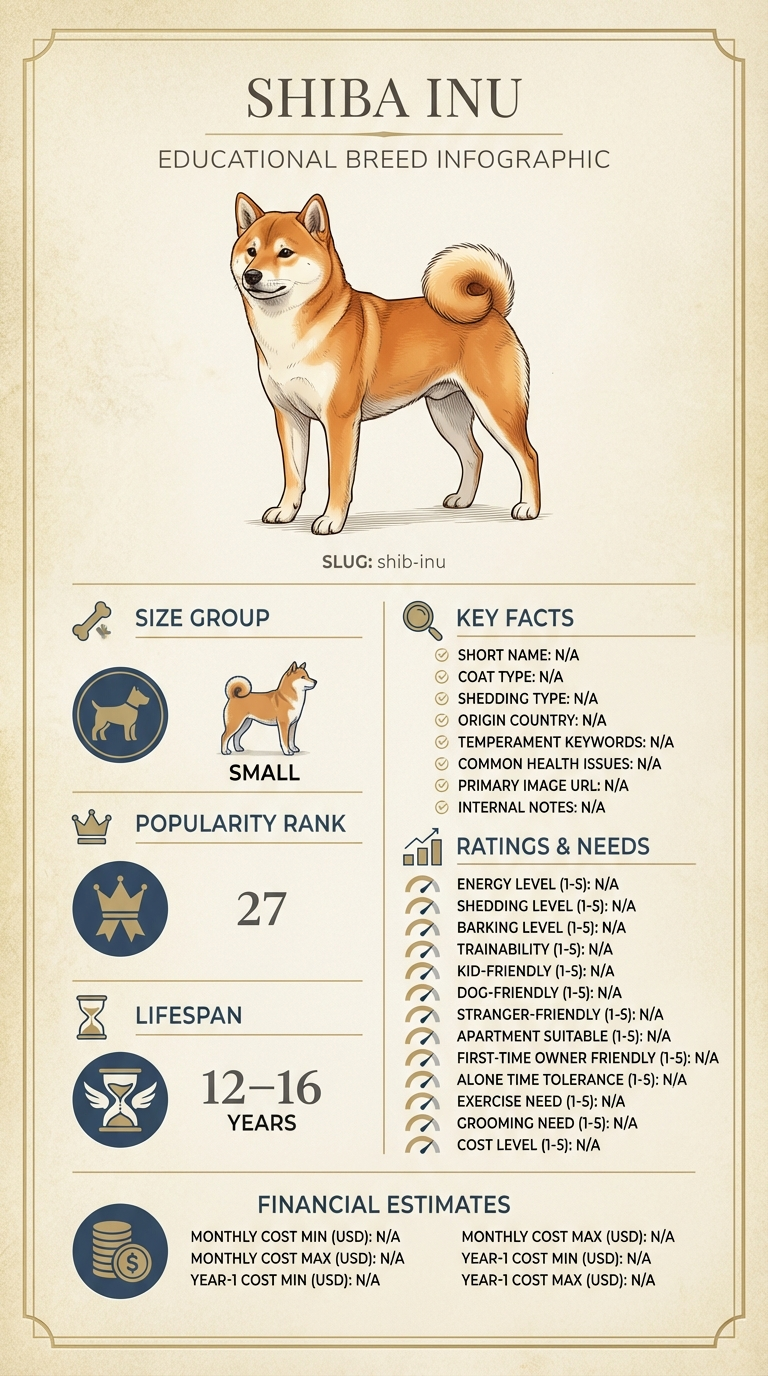
Owners of Shibа Inus, especially first-time dog parents, may struggle with managing these breathing challenges. It's essential to recognize the signs and take action to ensure your dog's well-being.
This guide is not medical advice. If your dog shows pain, sudden behavior change, or worsening symptoms, consult a licensed veterinarian.
Some links may be affiliate links. We may earn a commission at no extra cost to you. We only suggest products we believe are helpful for dog owners.
Shibа Inus with brachycephalic features often struggle with breathing difficulties, especially during physical activity or in hot weather. This condition can manifest as snoring, labored breathing, and excessive panting. Owners may notice their Shibа Inu becoming easily fatigued or experiencing distress during walks or playtime.
Brachycephalic features are fairly common in Shibа Inus due to their compact facial structure. Many Shibа Inus exhibit some level of breathing difficulty, especially as they age or if they become overweight.
Shibа Inus are naturally prone to brachycephalic features, which means they have short noses and flat faces. These traits can lead to breathing difficulties, especially during exercise or in hot weather. Genetic factors play a significant role in these characteristics, making some Shibа Inus more susceptible than others.
Environmental factors can worsen brachycephalic issues. For instance, hot or humid weather can lead to overheating, making breathing even more challenging. Additionally, lack of proper exercise can cause weight gain, which further strains their respiratory system.
If your Shibа Inu's behavior becomes concerning, such as excessive panting or anxiety during walks, it may be time to consult a professional trainer. They can help with training strategies specific to managing brachycephalic features and anxiety.
If you notice persistent breathing difficulties, coughing, or lethargy, consult your veterinarian. They can assess your dog's health and recommend treatments or interventions tailored to your Shibа Inu's specific needs.
With consistent training and care, you can see improvements in your Shibа Inu's breathing and behavior within 4 to 6 weeks.
Success looks like your Shibа Inu being able to engage in regular activities without excessive panting or difficulty breathing, showing a calmer demeanor.
Here are some common mistakes that can exacerbate your Shibа Inu's brachycephalic features. Avoiding these pitfalls can help improve your dog's breathing difficulties.
Understanding when your Shibа Inu's brachycephalic features become an emergency is crucial. Some signs require immediate vet attention, while others can be monitored at home. If your Shibа Inu exhibits severe breathing difficulties, such as gasping for air, blue-tinged gums, or extreme lethargy, these are red flags. Call your vet right away because these symptoms can indicate a serious problem.
In contrast, if your dog shows mild signs, like occasional snorting or slight wheezing after exercise, you may not need to panic. Monitor their breathing and keep track of any changes. Ensure they have a calm environment and avoid strenuous activities until you consult with your vet. Also, if your Shibа Inu seems to struggle slightly during warm weather but recovers quickly, this can often be managed with some care and attention.
To summarize, watch for these critical signs that warrant immediate action: - Gasping for air - Blue-tinged gums - Extreme lethargy
Conversely, monitor these less severe signs: - Occasional snorting - Mild wheezing after exercise - Slight struggle in warm weather
Always prioritize your dog's health and seek professional advice when in doubt. Keeping an eye on their behavior can help you decide whether to wait or call your vet.
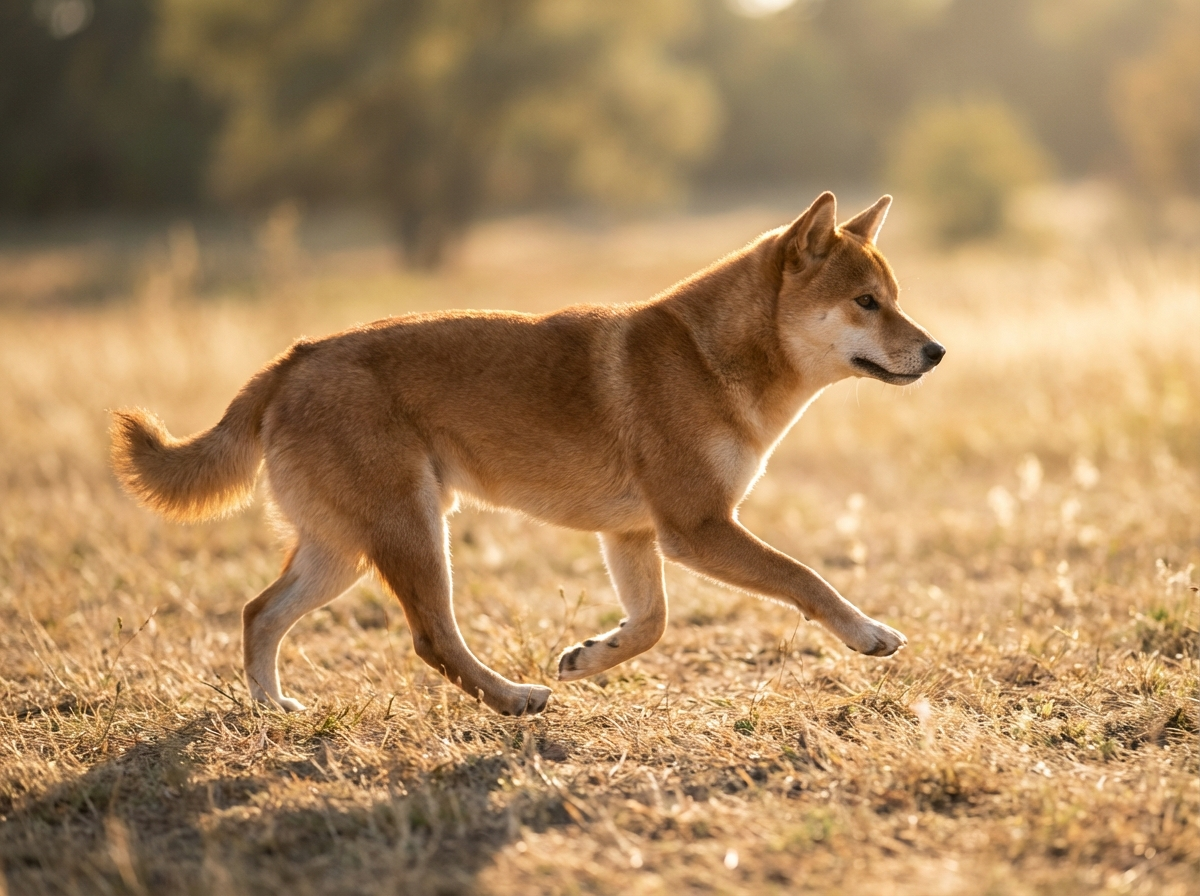
Emma, a first-time dog owner, adopted Mochi, a Shibа Inu with pronounced brachycephalic features. At first, she noticed Mochi struggled during walks, often panting heavily and needing frequent breaks. Worried about his health, Emma consulted a vet and learned that with proper training and environmental adjustments, she could help him adapt. She began implementing short, gentle walks and focused on positive reinforcement training techniques. Gradually, Mochi became more comfortable and less anxious, enjoying his time outdoors more.
Key takeaway: With patience and tailored training, you can help a Shibа Inu with brachycephalic features breathe easier and enjoy life to the fullest.
Shibа Inus can have brachycephalic features due to their specific genetic background. This can lead to breathing difficulties, especially in hot weather or during exercise. It's important to monitor their breathing and consult a vet if you notice any issues. This answer relates to Shibа Inu brachycephalic features.
To help your Shibа Inu with breathing difficulties, ensure they receive regular, controlled exercise without overheating. Providing a cool environment and avoiding strenuous activities during hot weather can also be beneficial. Additionally, regular vet check-ups can help identify any specific health concerns.
Training for Shibа Inus with brachycephalic features should focus on calm, controlled exercises rather than high-energy activities. Teaching basic commands and practicing short training sessions can help build a strong bond while ensuring they don't overexert themselves. Consider using positive reinforcement techniques.
Yes, products like breathable harnesses and cooling vests can help keep your Shibа Inu comfortable. These products can reduce stress during walks and help maintain a stable body temperature. Always consult your vet before introducing new tools.
Watch for signs like excessive panting, coughing, or a blue-tinged tongue. If your Shibа Inu seems lethargic or has difficulty breathing, it's crucial to seek veterinary assistance immediately. Prompt action can prevent serious complications.
If your Shibа Inu is struggling to breathe, has a persistent cough, or seems excessively tired after minimal exercise, these could be signs of health issues related to their brachycephalic features. It's crucial to consult a vet if you notice any of these symptoms.
Yes, older Shibа Inu dogs may experience more pronounced symptoms due to age-related health issues. Regular vet check-ups are essential to monitor their breathing and overall health as they age.
Keep your Shibа Inu cool by providing plenty of water, staying indoors during peak heat, and using fans or air conditioning. Avoid strenuous activities on hot days, as brachycephalic dogs are more prone to overheating.
Training your Shibа Inu with positive reinforcement can help manage behavior problems. Focus on short training sessions to prevent them from getting overly excited, which can exacerbate breathing issues.
If your Shibа Inu shows signs of a brachycephalic episode, such as extreme panting or distress, remain calm and help them to a cool, quiet area. Contact your vet for advice on how to handle the situation and whether a visit is necessary.
Keep your Shibа Inu cool and avoid strenuous activities, especially in hot weather. Regular vet check-ups are essential for monitoring their breathing health.
Ensure your Shibа Inu is well-hydrated and offer short, gentle walks rather than long runs. This helps prevent overheating and stress on their breathing.
Absolutely! Training helps your Shibа Inu learn to manage their energy levels and fosters a calm demeanor, which can ease breathing issues.
Avoid exposing your Shibа Inu to extreme temperatures and heavy exercise. Instead, keep activities light and supervise them closely.