Health
What are quick tips for managing ARVC in Shibа Inus?
Monitor your Shibа Inu regularly for any signs of heart issues and maintain regular vet check-ups. Provide a stress-free environment and a balanced diet to support their heart health.
Shibа Inu arrhythmogenic right ventricular cardiomyopathy (ARVC) is a heart rhythm disorder that can affect your dog's health.
Typically, owners of Shibа Inus may notice unusual behavior in their dogs, especially if they are active or energetic. Many first-time dog owners or those unfamiliar with heart conditions may feel overwhelmed when faced with symptoms of ARVC.
This guide is not medical advice. If your dog shows pain, sudden behavior change, or worsening symptoms, consult a licensed veterinarian.
Some links may be affiliate links. We may earn a commission at no extra cost to you. We only suggest products we believe are helpful for dog owners.
Shibа Inu arrhythmogenic right ventricular cardiomyopathy (ARVC) is a serious heart condition that affects the heart's rhythm. This can lead to irregular heartbeats, which can be alarming for both the dog and the owner. Symptoms might include excessive panting, lethargy, or fainting spells, making daily life challenging for these dogs and their families.
ARVC is relatively uncommon in dogs overall, but it can be a concern for Shibа Inus. Responsible breeding practices can help reduce the risk, but some dogs may still be affected. It's essential for owners to be aware of this condition and monitor their pets for any signs.
Shibа Inus can be predisposed to arrhythmogenic right ventricular cardiomyopathy (ARVC) due to genetic factors. This breed may inherit specific heart conditions that can lead to abnormal heart rhythms. Understanding these breed-specific risks is crucial for Shibа Inu owners.
Environmental factors such as diet, stress, and lack of exercise can exacerbate ARVC symptoms. Changes in routine or living conditions can increase anxiety and affect heart health. Keeping a stable and calm environment is essential for managing this condition.
If your Shibа Inu shows signs of anxiety or distress related to ARVC, a professional trainer can help. Trainers can provide guidance on behavior modification techniques that reduce anxiety and promote calmness in your dog.
Contact your vet if you notice any concerning symptoms such as irregular heartbeats, excessive panting, or fainting. Regular check-ups are vital to monitor your dog's heart health and adjust their care plan as needed.
Expect to see noticeable improvements in your Shibа Inu's behavior within 6 to 12 weeks of consistent training and care.
Success means your Shibа Inu experiences fewer episodes of arrhythmogenic right ventricular cardiomyopathy (ARVC) symptoms and exhibits a more relaxed demeanor.
Understanding common mistakes can help you avoid further complications with your Shibа Inu's arrhythmogenic right ventricular cardiomyopathy (ARVC). Here are some behaviors to watch out for.
Recognizing when your Shibа Inu's arrhythmogenic right ventricular cardiomyopathy (ARVC) is an emergency can save their life. There are clear red flags that indicate you should contact your vet immediately. These include sudden collapse, severe lethargy, difficulty breathing, or a persistent cough. If your dog shows these signs, don’t wait. Call your vet right away.
On the other hand, there are milder symptoms that can be monitored at home. If your Shibа Inu has occasional coughing or shows signs of fatigue after exercise, you can create a watch-and-wait plan. Keep track of their behavior and note any changes. Regular check-ups with your vet can help manage ARVC effectively, but any significant changes should prompt a consultation.
It's essential to trust your instincts. If you feel something is off with your Shibа Inu, it's better to err on the side of caution. Always prioritize their health and well-being.
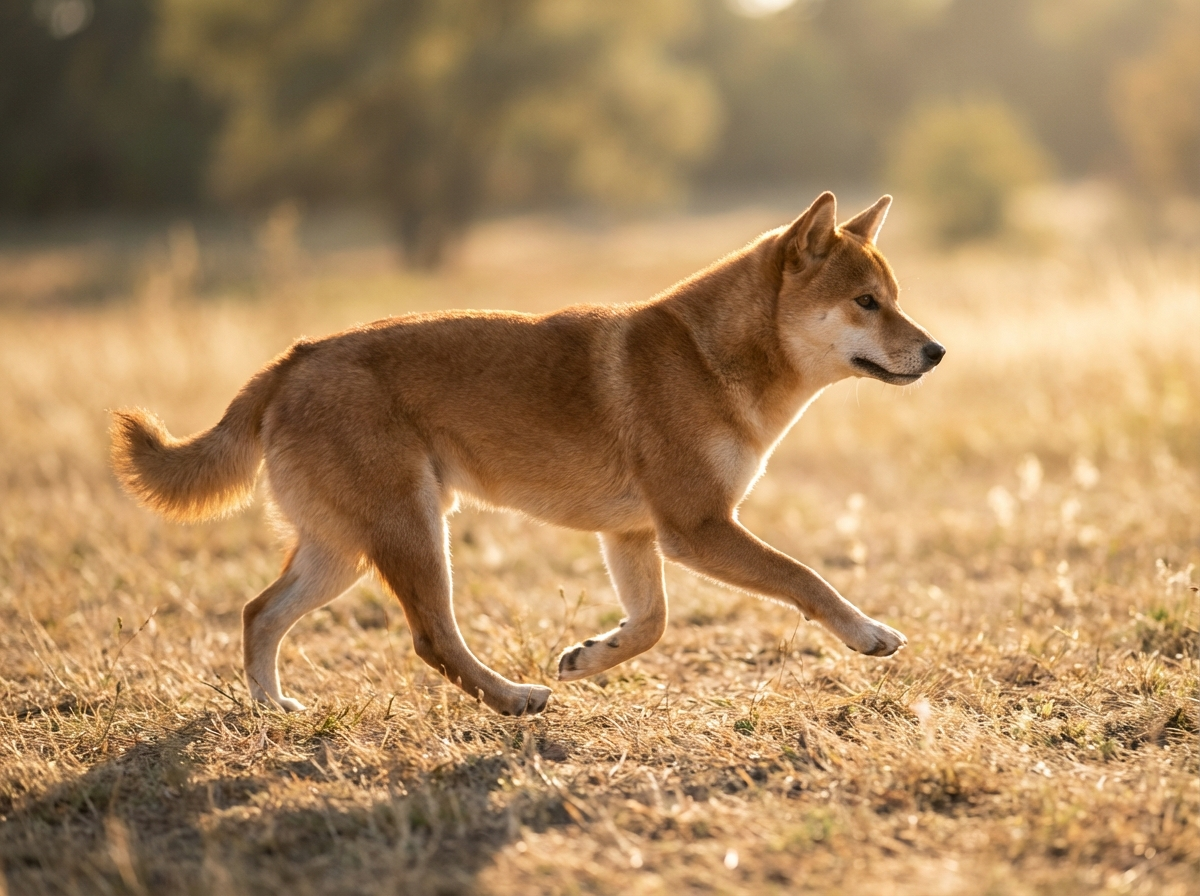
Sarah, a first-time dog owner in Denver, noticed her Shibа Inu, Kiko, often seemed anxious and had irregular heart rhythms. After a vet diagnosed Kiko with ARVC, Sarah felt overwhelmed. She researched how to manage Kiko's condition and started a routine that included calming exercises and a specialized diet. Over the next few months, with consistent training and a focus on Kiko’s well-being, Sarah saw a significant reduction in Kiko’s anxiety and heart issues. The combination of love, patience, and proper care truly made a difference.
Key takeaway: With the right approach, managing Shibа Inu arrhythmogenic right ventricular cardiomyopathy (ARVC) is possible. Consistent training and care can lead to a healthier, happier dog.
Shibа Inu arrhythmogenic right ventricular cardiomyopathy (ARVC) is a heart rhythm disorder that affects the heart's ability to pump blood efficiently. This condition can lead to irregular heartbeats and potentially serious health issues. Regular veterinary check-ups are essential to monitor your dog's heart health.
The exact cause of ARVC in Shibа Inus is not fully understood, but it is often linked to genetic factors. Some dogs may inherit a predisposition to this condition, making it crucial to understand your dog's family history. Regular veterinary visits can help catch any early signs of heart problems.
Managing your Shibа Inu with ARVC involves regular veterinary care, including heart monitoring. Your vet may recommend medication or lifestyle changes to help manage their condition. Ensuring a stress-free environment and maintaining a healthy diet are also vital.
Signs of ARVC may include lethargy, coughing, and difficulty breathing. If you notice these symptoms, it's essential to consult your veterinarian as soon as possible. Early detection can significantly improve your dog's quality of life.
Exercise for Shibа Inus with ARVC should be managed carefully. While light walks can be beneficial, avoid intense activities that could put additional strain on their heart. Always consult your vet before starting or changing your dog's exercise routine.
Signs of ARVC in Shibа Inus can include fainting, lethargy, and rapid breathing. If you notice any of these symptoms, it's important to consult your vet as soon as possible for a thorough evaluation.
Yes, older Shibа Inus may exhibit more severe symptoms of ARVC due to age-related changes in their heart. Regular check-ups become even more crucial as they age to monitor their heart health.
Diagnosis typically involves a combination of physical examinations, ECG tests, and sometimes ultrasounds. Your vet will assess your Shibа Inu's heart rhythm and overall health to confirm the diagnosis.
While there's no specific diet to cure ARVC, a well-balanced diet low in sodium and tailored to your Shibа Inu's health needs can support their overall well-being. Always consult with your vet for dietary recommendations.
If you suspect your Shibа Inu has ARVC, contact your veterinarian immediately. Early diagnosis and management can significantly improve their quality of life and help you make informed decisions about their care.
Monitor your Shibа Inu regularly for any signs of heart issues and maintain regular vet check-ups. Provide a stress-free environment and a balanced diet to support their heart health.
Training should be gentle and positive, focusing on basic commands to keep your Shibа Inu mentally stimulated without physical stress. Short, frequent training sessions work best.
Consider providing a calm environment, minimizing stressors, and ensuring a nutritious diet. Regular vet consultations will help tailor the best lifestyle for your dog's condition.
The costs for managing ARVC can vary depending on veterinary care and medications needed. Expect to budget for regular check-ups and potential treatments.