Behavior
What are quick tips to prevent Rottweiler cruciate ligament injuries?
Keep your Rottweiler at a healthy weight, provide regular low-impact exercise, and avoid high-impact activities like jumping on hard surfaces.

Quick answer
What are quick tips to prevent Rottweiler cruciate ligament injuries?
Keep your Rottweiler at a healthy weight, provide regular low-impact exercise, and avoid high-impact activities like jumping on hard surfaces.
Rottweiler cruciate ligament injuries can lead to significant pain and mobility issues for your dog. Understanding this problem is crucial for their well-being.
Owners of Rottweilers who are active or have high-energy lifestyles often face challenges with cruciate ligament injuries. This can be especially troubling for families who enjoy outdoor activities with their dogs.
This guide is not medical advice. If your dog shows pain, sudden behavior change, or worsening symptoms, consult a licensed veterinarian.
Some links may be affiliate links. We may earn a commission at no extra cost to you. We only suggest products we believe are helpful for dog owners.
We research and check what we publish, but we do not warrant that any figure, date, price, or statement is accurate, complete, or current, and we accept no liability for any loss, cost, injury, or other harm arising from the use of this site. Use it as one reference among several. You remain responsible for your own decisions and for your dog's care - confirm anything that matters with a licensed veterinarian or another qualified professional before you act on it. Full disclaimer.
Check this first
Rottweiler cruciate ligament injuries can vary in severity, and knowing when to act quickly is crucial. If you notice any of the following red-flag signs, it's time to call your vet immediately. These signs include sudden inability to bear weight on the affected leg, severe swelling around the knee, or any signs of extreme pain when the joint is touched.
If your dog is limping but still able to walk or run, this might indicate a less severe injury, which can be monitored at home.
In cases where your Rottweiler is showing mild symptoms, such as slight limping or reluctance to jump, you can develop a watch-and-wait plan. Keep an eye on their activity level and limit strenuous exercise until you can schedule a vet visit. Providing a comfortable space for your dog to rest is also critical during this time.
Always ensure that your Rottweiler is not engaging in activities that could worsen the injury, like running or jumping.
Monitoring your dog closely for any changes in their condition is important. If their symptoms worsen, or if they develop a fever or are showing signs of distress, seek veterinary help right away. Understanding the difference between an emergency and a manageable situation can help you make informed decisions about your dog's care.
If any of these apply, call your vet or an emergency clinic now. The rest of this page is for the cases that are not an emergency.
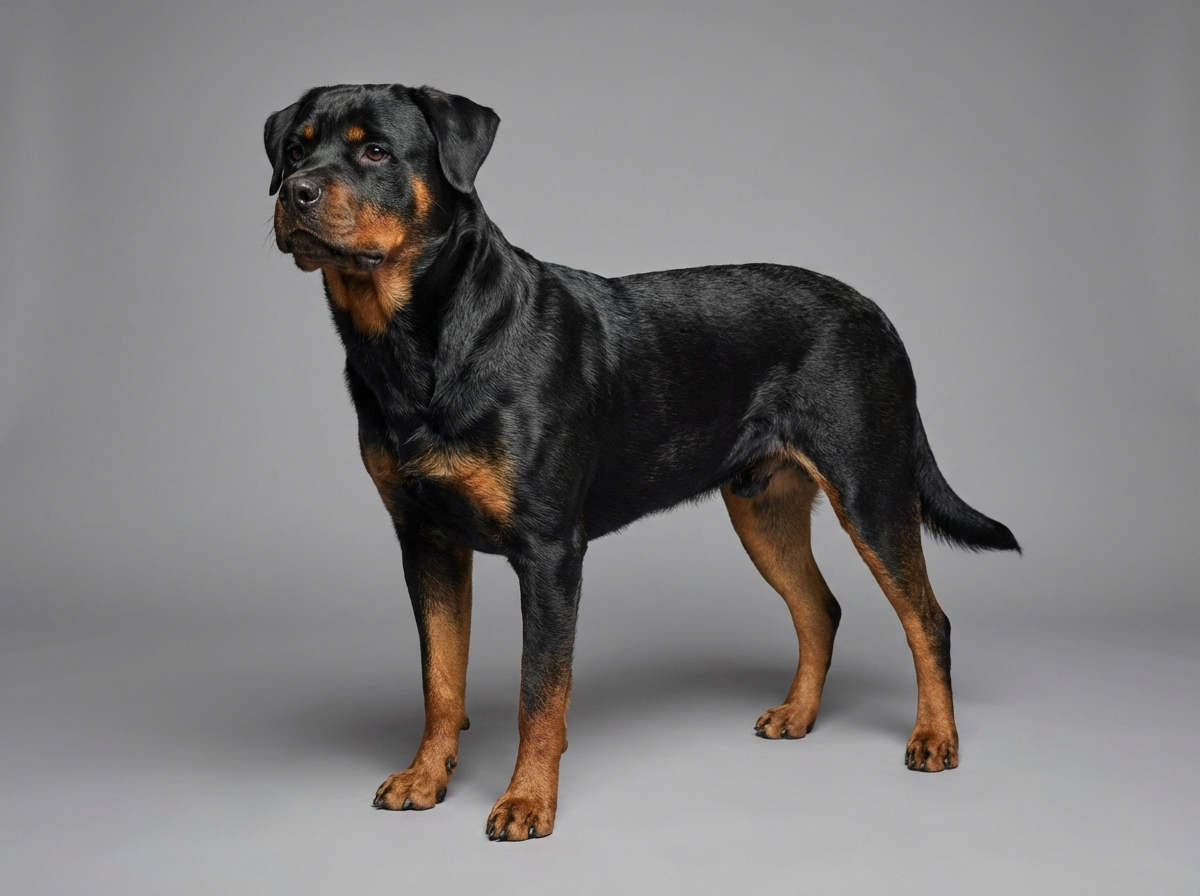
Rottweiler cruciate ligament injuries can be a painful and frustrating issue for both dogs and their owners. These injuries typically manifest as limping, difficulty in rising, and reluctance to engage in physical activity. They often arise from sudden movements, excessive jumping, or even just regular wear and tear as the dog ages. Rottweilers, being a large and powerful breed, are particularly susceptible to these injuries, especially if they are overweight or not properly exercised.
Cruciate ligament injuries are fairly common in Rottweilers, especially those between 4 to 8 years old. Studies suggest that large breeds, including Rottweilers, are at a higher risk compared to smaller breeds. If your Rottweiler has had previous injuries or a family history of joint issues, the likelihood increases.
Rottweilers are large, powerful dogs with strong muscles and joints. Their size and weight can put extra stress on their knees, making them more prone to cruciate ligament injuries. Additionally, some Rottweilers may have inherited traits that make their ligaments weaker or more susceptible to damage.
The environment also plays a significant role in these injuries. Activities like jumping, running on hard surfaces, or sudden changes in direction can lead to ligament tears. Lack of proper exercise or conditioning can weaken their muscles, increasing the risk of injury during normal play.
Consult your vet if your Rottweiler has recurring issues or shows signs of pain or swelling in the knee area. They can provide guidance on treatment options and assess whether surgery is necessary.
Understanding what not to do can be just as important as knowing the right actions. Here are some common mistakes that may worsen Rottweiler cruciate ligament injuries and safer alternatives to consider.
See all Rottweiler health problems, which breeds are prone to cruciate ligament injuries, or the full Rottweiler breed guide for temperament, exercise needs and ownership costs.
It may take 6 to 12 weeks to see significant improvement in your Rottweiler's condition after starting a treatment plan.
Success looks like your Rottweiler being able to move comfortably without limping, returning to regular activities, and showing no signs of pain during exercise.
When Sarah adopted Max, her Rottweiler, he was already showing signs of a cruciate ligament injury. After a trip to the vet, she learned that Max needed surgery and a strict recovery plan. With patience and commitment, Sarah followed the vet's advice, incorporating gentle exercises and physical therapy. Over the next few months, she noticed Max regaining strength and confidence. By the end of the recovery period, Max was happily running in the park again, proving that with the right care, Rottweilers can bounce back from injuries.
Key takeaway: Early intervention and a dedicated recovery plan are crucial for helping Rottweilers recover from cruciate ligament injuries.
Rottweilers are prone to cruciate ligament injuries due to their large size and physical activity levels. Factors like obesity, age, and lack of conditioning can increase the risk. It's important to monitor their weight and ensure they get regular, appropriate exercise.
To prevent cruciate ligament injuries in Rottweilers, keep them at a healthy weight and engage them in regular, low-impact exercise. Avoid high-impact activities, especially on hard surfaces, and consider strength-building exercises. Training that focuses on proper movement patterns can also help reduce the risk.
Signs of cruciate ligament injuries in Rottweilers include limping, difficulty standing or jumping, and swelling around the knee. If your Rottweiler is reluctant to bear weight on a leg or shows signs of pain, consult your veterinarian for a thorough examination.
Treatment options for cruciate ligament injuries in Rottweilers may include rest, physical therapy, and in some cases, surgery. Your vet will recommend the best approach based on the severity of the injury and your dog's overall health.
Yes, training your Rottweiler can help avoid cruciate ligament injuries. Focus on strengthening their muscles through controlled exercises and incorporate agility training that promotes proper movement. Consulting a professional trainer with experience in large breeds can be beneficial.
Recovery from cruciate ligament injuries in Rottweilers typically takes several weeks to months, depending on the treatment method. Post-surgery rehabilitation may require additional time and commitment. Follow your veterinarian's guidance for a tailored recovery plan.
Rottweiler cruciate ligament injuries can be caused by various factors, including genetics, obesity, and high-impact activities. These injuries often occur during sudden movements or accidents, especially in larger breeds like Rottweilers. Regular check-ups and a balanced diet can help mitigate risks.
Signs of a cruciate ligament injury in your Rottweiler may include limping, swelling around the knee, or reluctance to engage in physical activity. If your dog is showing these symptoms, it's crucial to consult a veterinarian for an accurate diagnosis and treatment plan.
Yes, older Rottweilers are generally at higher risk for cruciate ligament injuries due to natural wear and tear on their joints. As they age, their ligaments may weaken, making them more susceptible to injury. Regular vet visits can help monitor their joint health.
To help prevent Rottweiler cruciate ligament injuries, maintain a healthy weight, provide regular low-impact exercise, and avoid high-impact activities. Training your Rottweiler with proper techniques can also reduce the risk of injury during play or exercise.
Surgery for Rottweiler cruciate ligament injuries is typically recommended if conservative treatments, like rest and physical therapy, are not effective. If your dog continues to experience pain or mobility issues, consult your vet to discuss the best course of action.
Keep your Rottweiler at a healthy weight, provide regular low-impact exercise, and avoid high-impact activities like jumping on hard surfaces.
If your Rottweiler shows signs of knee pain, such as limping or reluctance to move, consult your veterinarian for a proper diagnosis.
Treatment options can vary widely, but surgery and rehabilitation may cost several thousand dollars, depending on the severity of the injury.
Yes, proper training can strengthen your Rottweiler's muscles and improve their movement, reducing the risk of injuries.
Absolutely! Keeping your Rottweiler at a healthy weight is crucial to prevent stress on their joints and reduce the risk of cruciate ligament injuries.
A one-page prep sheet for this condition: the signs, the questions to ask, what to get priced. Unlocks here.
You get: Vet visit prep sheet
No spam. One-click unsubscribe. See our privacy policy.
Preview page 1 before you decide.