DogBreedCompass
← Back to breed profile

Understanding Poodle (Standard) Skin Infections

Poodle (Standard) skin infections can be a serious concern for dog owners. These infections often arise in facial folds and can lead to discomfort and health issues.

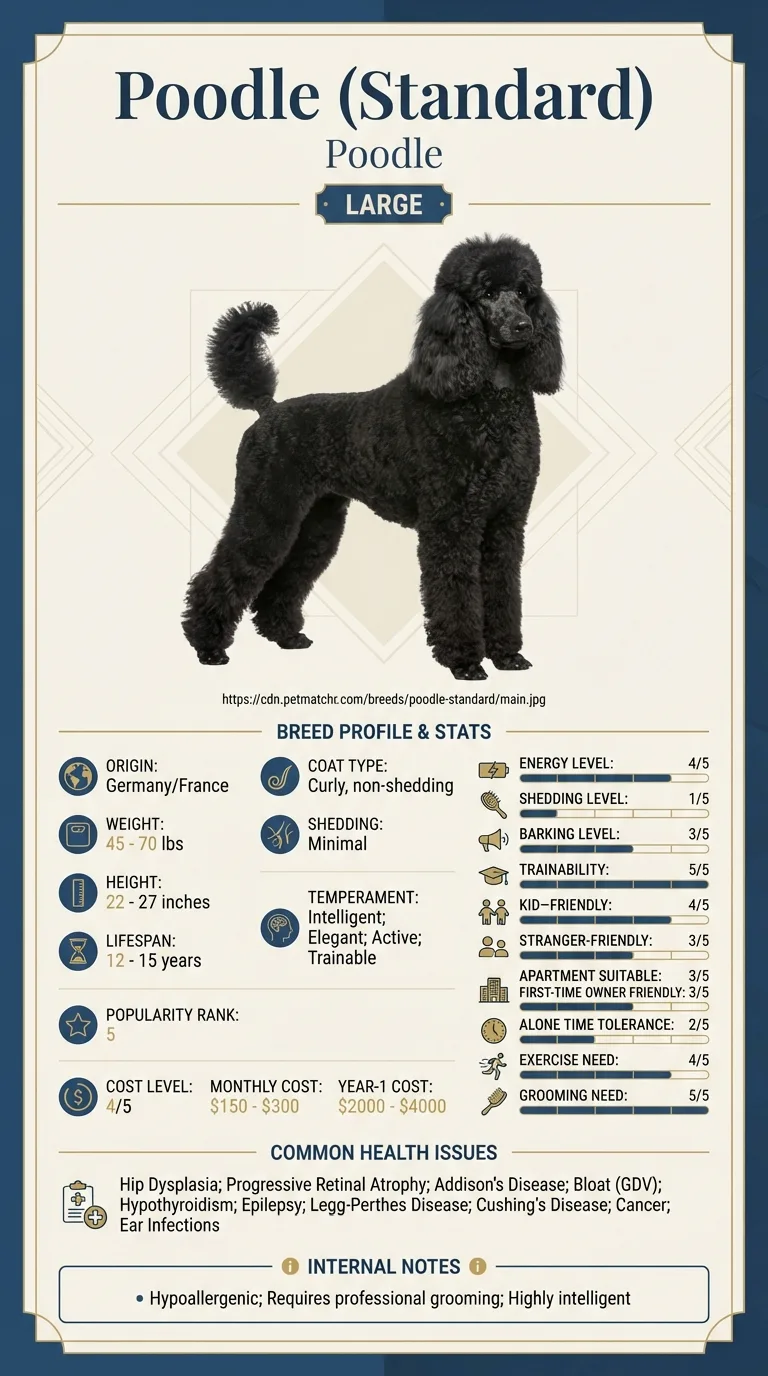
Understanding Poodle (Standard) Skin Infections infographic

Owners of Poodles (Standard) often struggle with skin infections, especially those who are new to the breed or lack experience in grooming. Busy families and individuals may find it challenging to maintain their dog's grooming needs, leading to potential skin issues.

Important reminder

This guide is not medical advice. If your dog shows pain, sudden behavior change, or worsening symptoms, consult a licensed veterinarian.

Some links may be affiliate links. We may earn a commission at no extra cost to you. We only suggest products we believe are helpful for dog owners.

What this problem looks like

Poodle (Standard) skin infections are a common issue that many owners face. These infections often manifest as redness, itching, or even sores on the skin, particularly in areas like facial folds. Daily life with a Poodle dealing with skin infections can be challenging, as their discomfort may lead to scratching or licking, affecting their overall mood and behavior.

Common triggers

  • Allergies to food or environmental factors
  • Poor grooming habits leading to matting
  • Humidity and moisture in the environment
  • Inadequate nutrition affecting skin health
  • Underlying health issues like hypothyroidism

Skin infections are relatively common in Poodles (Standard), especially if they are not groomed regularly or have underlying allergies. Many owners report dealing with this issue at least once during their dog's lifetime, making it an important aspect of Poodle care.

Why this happens

Breed factors

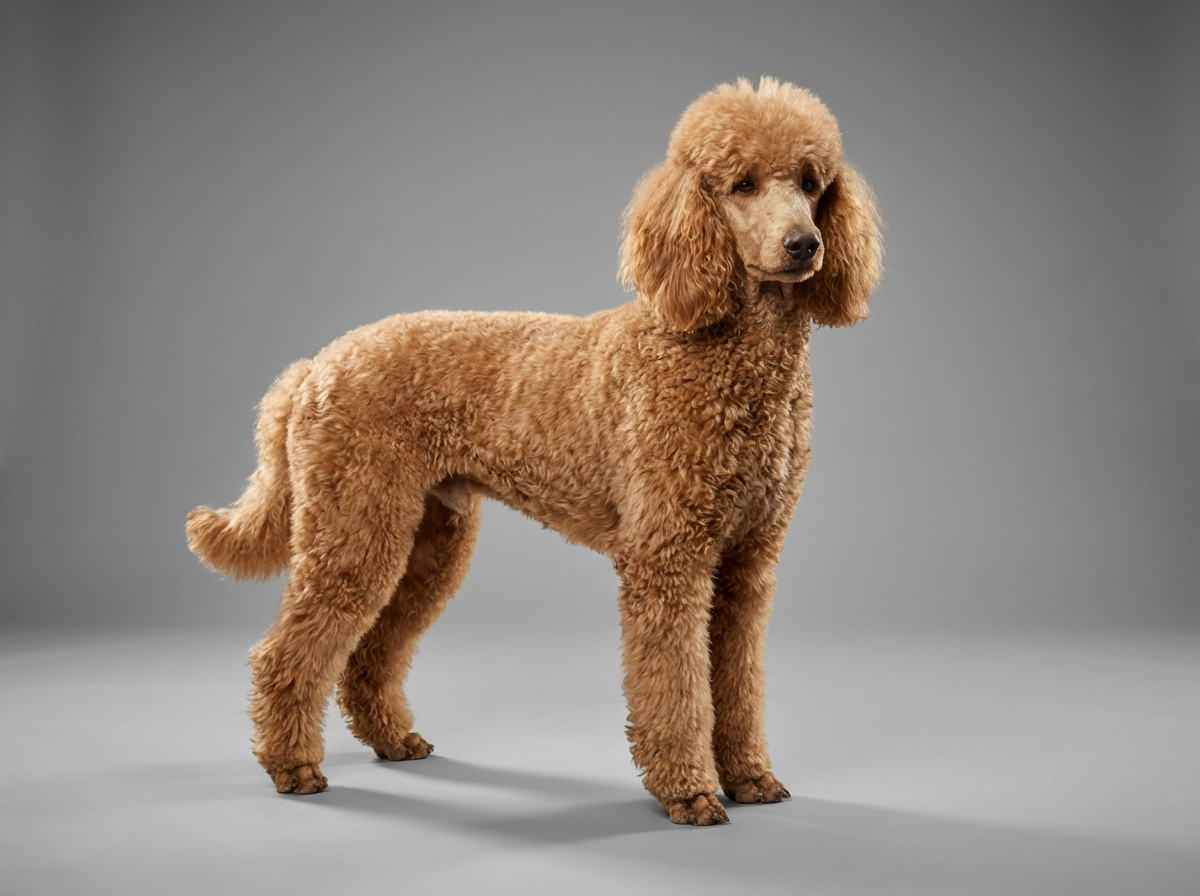
Poodles (Standard) have a unique coat that can trap moisture and bacteria, making them more prone to skin infections. Their curly fur, while beautiful, requires regular grooming to prevent matting, which can irritate the skin. Additionally, Poodles are known for their sensitive skin, which may react to environmental allergens or irritants.

Environment factors

Skin infections can also stem from environmental factors such as humidity and allergens. High humidity can create a breeding ground for bacteria and yeast. Furthermore, exposure to harsh chemicals in cleaning products or certain grooming supplies can lead to skin irritation and infections.

What you can try

At-home strategies

  • Regularly groom your Poodle (Standard) to keep their coat clean and dry. Aim for at least every 4-6 weeks with a professional groomer to maintain coat health.
  • Bathe your dog with a gentle, hypoallergenic shampoo specifically designed for dogs. This can help remove allergens and keep their skin clean. Bathing every 1-2 months is usually sufficient.
  • Inspect your Poodle's skin regularly for any signs of irritation, redness, or unusual odor. Early detection can prevent more severe infections.

When to consider a trainer

If your Poodle is excessively scratching or biting at their skin, it might be a sign of allergies or discomfort. Consult a trainer for behavioral strategies to help manage their anxiety and reduce scratching before seeking medical help.

When to talk to your vet

If home care strategies don't improve your Poodle's skin condition within a week, or if you notice symptoms like inflammation or pus, it's time to see a vet. Persistent skin infections can be a sign of underlying health issues, and a vet can provide treatments like medicated shampoos or medications.

Realistic expectations

You may see improvements within a few weeks after implementing a consistent care routine and following vet recommendations. However, full resolution can take several months, depending on the infection's severity and underlying causes.

Success means your Poodle (Standard) has clear, healthy skin with no signs of irritation or infection. Regular grooming and care routines are established, and your dog feels comfortable and happy.

Mistakes that make this worse

When dealing with Poodle (Standard) skin infections, it's important to avoid common mistakes that can worsen the situation. Here are some behaviors to watch out for, along with safer alternatives.

  • Neglecting grooming: Failing to regularly groom your Poodle can lead to matting and skin irritation. Instead, establish a consistent grooming routine to keep their coat clean and healthy.
  • Ignoring signs of infection: Some owners may overlook symptoms like redness or odor. If you notice these signs, consult your vet promptly to prevent further issues.
  • Over-bathing: While keeping your Poodle clean is important, excessive bathing can strip natural oils and worsen skin infections. Bathe your dog no more than once a month unless advised otherwise by a vet.
  • Using harsh products: Many pet shampoos contain ingredients that can irritate sensitive skin. Choose hypoallergenic products specifically designed for dogs, and always test a small area first.
  • Self-diagnosing: Some owners may try to treat skin infections without professional guidance. Always consult your vet for an accurate diagnosis and appropriate treatment options.
  • Neglecting nutrition: Poor diet can contribute to skin issues. Ensure your Poodle receives a balanced diet rich in essential fatty acids to support skin health.
  • Avoiding vet visits: Some may delay veterinary care due to cost concerns. Don’t hesitate to seek help, as early intervention can save money and your dog’s comfort in the long run.

When Poodle (Standard) Skin Infections Are an Emergency

Recognizing when Poodle (Standard) skin infections require immediate veterinary attention is crucial. There are clear signs that indicate an emergency, as well as symptoms that can be monitored at home. Knowing the difference can help you respond appropriately and keep your pup safe.

**Call Your Vet Immediately If:** - Your Poodle has severe swelling or redness on the skin. - There are open wounds or sores that won’t stop bleeding. - Your dog shows signs of fever, lethargy, or decreased appetite. - The skin infection is accompanied by vomiting, diarrhea, or other systemic symptoms.

These symptoms could indicate a serious infection requiring immediate treatment. Ignoring them can lead to severe complications.

**Monitor at Home If:** - There are mild rashes or localized redness without swelling. - Your dog is still active and eating normally. - The skin infection appears to be occasional and not worsening.

In these cases, you can create a plan with your vet to manage the issue. Regularly check the affected area and note any changes in your dog’s behavior or the condition of the skin.

Understanding these signs can ease your mind and ensure your Poodle gets the right care when needed. Always err on the side of caution and consult with your vet if you’re unsure about your dog’s condition.

Understanding Poodle (Standard) Skin Infections - When Poodle (Standard) Skin Infections Are an Emergency

Emily's Journey with Charlie's Skin Infections

Emily, a busy nurse in Seattle, adopted Charlie, her lovable Standard Poodle. After a few months, she noticed red, irritated skin in Charlie's facial folds. Concerned, she took him to the vet, who diagnosed Charlie with skin infections due to moisture and lack of proper grooming. After discussing a treatment plan, Emily committed to regular grooming and a new bathing routine. It took several weeks, but gradually, Charlie's skin improved, and his energy returned.

Key takeaway: Regular grooming and prompt veterinary care are crucial for managing Poodle (Standard) skin infections. A consistent routine can lead to healthier skin and happier pets.

Frequently asked questions

Why does my Poodle (Standard) have skin infections?

Poodle (Standard) skin infections can stem from various causes, including allergies, poor hygiene, or moisture trapped in their curly coat. Regular grooming and cleaning of facial folds can help reduce the risk. It's essential to monitor your dog for signs of redness or irritation.

How can I stop Poodle (Standard) skin infections?

To stop Poodle (Standard) skin infections, maintain a consistent grooming routine and keep their coat clean and dry. Regularly check and clean their facial folds to prevent moisture buildup. If infections persist, consult your vet for appropriate treatments.

What are the signs of a skin infection in my Poodle (Standard)?

Signs of skin infections in Poodles include redness, swelling, itching, and discharge in the affected areas. You might also notice your dog scratching or licking excessively. If you observe these symptoms, it's best to visit your veterinarian.

Can allergies cause skin infections in Poodles?

Yes, allergies can lead to skin infections in Poodles. Environmental allergens, food sensitivities, or flea bites can cause itching, resulting in skin damage and infections. Identifying and treating the underlying allergies is crucial.

How can I improve my Poodle's skin health?

Improving your Poodle's skin health involves a balanced diet rich in omega fatty acids and regular grooming. Additionally, ensure they have a clean living environment and consider using hypoallergenic products. Regular vet check-ups can also help maintain their skin health.

Are skin infections common in Poodles?

Skin infections can be a common issue for Poodles due to their curly, dense coats that can trap moisture. However, with proper grooming and care, the risk can be significantly reduced. Regular inspections and hygiene practices are key.

What are common signs of skin infections in Poodles (Standard)?

Common signs include redness, swelling, itching, or unusual odors. You might also notice your Poodle scratching or biting at their skin. If you see any of these symptoms, it's best to consult your vet.

Can skin infections lead to more serious health issues in Poodles (Standard)?

Yes, untreated skin infections can lead to more severe conditions, including systemic infections. It's important to address these infections early to prevent complications. Regular vet check-ups can help catch these issues before they escalate.

Are certain breeds more prone to skin infections than others?

While any dog can develop skin infections, breeds like the Poodle (Standard) may be more susceptible due to their dense, curly coats. This can trap moisture and dirt, leading to infections. Regular grooming is essential for prevention.

How can I help prevent skin infections in my Poodle (Standard)?

To prevent skin infections, maintain a regular grooming schedule, keep your Poodle's skin clean and dry, and monitor for any signs of irritation. A balanced diet and good hygiene practices can also contribute to skin health.

When should I take my Poodle (Standard) to the vet for skin infections?

If your Poodle shows persistent signs of skin irritation, such as itching, redness, or discharge, it's time for a vet visit. Early intervention can prevent more serious health issues and ensure your Poodle stays happy and healthy.

Quick answers

View more answers
Behavior

What are quick tips for preventing Poodle (Standard) skin infections?

To prevent skin infections, groom your Poodle regularly, keep their coat dry, and clean facial folds often. Monitor for signs of irritation and consult your vet for persistent issues.

Living

How often should I groom my Poodle (Standard)?

Groom your Poodle (Standard) every 4 to 6 weeks to maintain coat health and prevent skin infections. Regular brushing at home is also beneficial.

Health

What signs indicate a skin infection in my Poodle?

Look for redness, swelling, or discharge in your Poodle's skin. If they are scratching or licking excessively, it might signal an infection.

Health

Can diet affect my Poodle's skin health?

Yes, a diet rich in omega fatty acids can improve skin health in Poodles. Consult your vet about the best dietary options for your dog.

Related DogBreedCompass guides

  • how to stop Poodle (Standard) skin infectionsLearn how to prevent skin infections in your Poodle (Standard).
  • Poodle (Standard) behavior problemsUnderstand the behavior problems that may lead to anxiety in your Poodle.
  • Poodle (Standard) cost breakdownFind out about the costs associated with owning a Poodle (Standard).
  • Poodle (Standard) skin infections trainingExplore common training strategies for Poodles to improve their well-being.
  • Poodle (Standard) separation anxiety guideCheck out tips for managing separation anxiety in your Poodle.

Related guides