DogBreedCompass
← Back to breed profile

Poodle (Standard) Patellar Luxation: What You Need to Know

Poodle (Standard) patellar luxation can be a painful condition for your dog. It happens when the knee cap dislocates from its normal position.

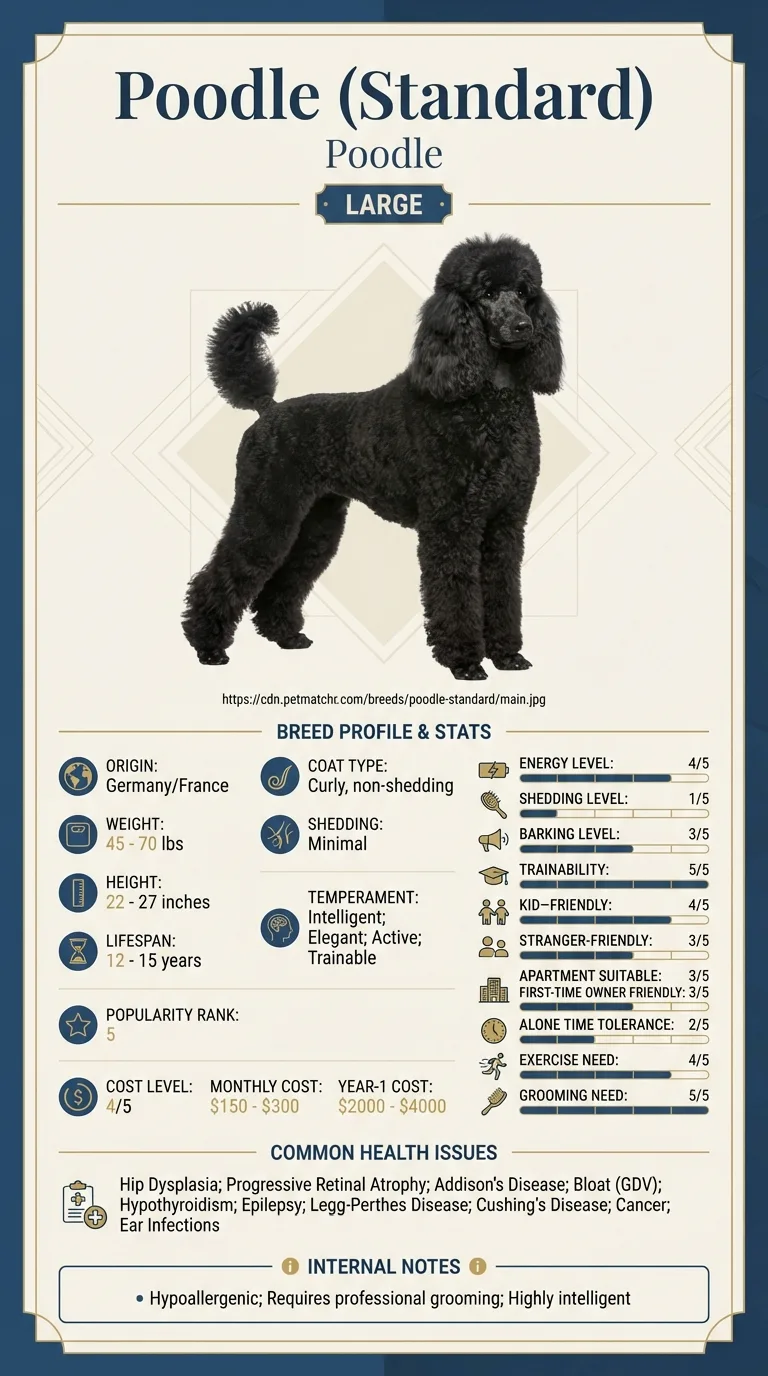
Poodle (Standard) Patellar Luxation: What You Need to Know infographic

Owners of Poodles often face this challenge, especially if their dog is active or has a history of joint issues. New dog owners may feel overwhelmed by the symptoms and unsure how to help their pet.

Important reminder

This guide is not medical advice. If your dog shows pain, sudden behavior change, or worsening symptoms, consult a licensed veterinarian.

Some links may be affiliate links. We may earn a commission at no extra cost to you. We only suggest products we believe are helpful for dog owners.

What this problem looks like

Poodle (Standard) patellar luxation is a common issue where the kneecap dislocates, causing pain and mobility problems. This can lead to limping, difficulty in walking, and reluctance to engage in physical activity. If your Poodle seems to be favoring one leg or has trouble jumping, it might be experiencing this condition.

Common triggers

  • Genetic predisposition due to the breed's structure
  • Injury during play or exercise
  • Obesity, which can put extra strain on joints
  • Age-related wear and tear

Patellar luxation is fairly common in Poodles (Standard), especially among younger dogs. It's estimated that up to 30% of Poodles may experience this problem at some point in their lives.

Why this happens

Breed factors

Poodles (Standard) can inherit a predisposition to patellar luxation due to their genetics. This condition is often linked to the structure of their knees and ligaments, which can be weaker in some individuals. If your Poodle has a family history of joint issues, they may be more susceptible.

Environment factors

Environmental factors can also play a role. A Poodle may develop patellar luxation if they engage in excessive jumping or rough play, especially on hard surfaces. Additionally, obesity can increase stress on their joints, leading to dislocation.

What you can try

At-home strategies

  • Maintain a healthy weight for your Poodle. Monitor their diet and provide regular exercise to prevent obesity. This will reduce strain on their joints.
  • Create a safe play area with soft surfaces to minimize the risk of injuries. Avoid allowing your Poodle to jump from heights or engage in rough play.
  • Incorporate gentle stretching and strengthening exercises into their routine. Simple activities like slow walks and controlled play can help build muscle around the knee.

When to consider a trainer

If your Poodle seems to have trouble with mobility or shows signs of discomfort, consider consulting a professional trainer. They can provide guidance on safe exercise techniques and help modify their activities to prevent further injury.

When to talk to your vet

If you notice persistent limping or difficulty in movement, it's essential to consult your vet. They can assess the severity of the patellar luxation and recommend a treatment plan, which may include physical therapy or in some cases, surgery.

Realistic expectations

You can expect to see improvements in your Poodle's condition within a few weeks of starting a training and management plan. However, full recovery may take several months, especially for dogs with severe luxation.

Success means your Poodle can walk and run comfortably without limping, and you see fewer instances of knee discomfort. Ideally, your dog will be able to engage in normal activities without showing signs of pain.

Mistakes that make this worse

Avoid these common mistakes that can escalate your Poodle (Standard) patellar luxation issues.

  • Neglecting proper weight management: Allowing your Poodle to become overweight increases stress on their knees. Focus on a balanced diet and regular exercise to maintain a healthy weight.
  • Ignoring pain signals: If your Poodle shows signs of pain or limping, it’s easy to dismiss it as a minor issue. Instead, consult your vet immediately to prevent further injury.
  • Forgetting about leash training: Letting your Poodle pull on the leash can strain their knees. Invest time in training them to walk calmly beside you.
  • Skipping regular vet check-ups: Regular veterinary visits help catch health issues early. Make sure to have your Poodle examined by a vet at least once a year.
  • Overexerting during playtime: Engaging in rough play can aggravate patellar luxation. Opt for gentle games that don’t put excessive strain on their joints.
  • Delaying treatment: If your vet recommends a treatment plan, don’t wait too long to start. Early intervention can prevent serious complications.
  • Using stairs frequently: Allowing your Poodle to navigate stairs excessively can worsen their condition. Consider using ramps or baby gates to limit access.

When Poodle (Standard) Patellar Luxation is an Emergency

Recognizing when Poodle (Standard) patellar luxation becomes an emergency can save your dog's mobility and comfort. If you notice any of the following red-flag signs, it's crucial to call your vet immediately. These signs include severe limping, inability to put weight on the affected leg, swelling around the knee, or excessive pain when touched. Additionally, if your dog seems to be in distress or is vocalizing when moving, don't wait—seek help right away.

In less urgent cases, you can monitor your Poodle at home. If your dog shows occasional limping that resolves with rest, or if they seem to be favoring one leg only during play, it may be manageable. It's also common for some Poodles to recover quickly from minor dislocations. However, you should still have a plan in place for monitoring their behavior and comfort levels. Keeping them calm and limiting vigorous activities can help prevent worsening the condition.

Always consult with your vet if you're unsure whether your Poodle's symptoms are serious. They can provide specific guidance based on your dog's condition and history. In the case of patellar luxation, early intervention can make a significant difference in treatment success and recovery time.

Poodle (Standard) Patellar Luxation: What You Need to Know - When Poodle (Standard) Patellar Luxation is an Emergency

Maggie's Journey with Patellar Luxation

Maggie, a Standard Poodle, was diagnosed with patellar luxation at just two years old. Her owner, Sarah, noticed Maggie limping after playtime and became worried. After consulting their vet, they started a treatment plan that included gentle exercises, weight management, and specific training to strengthen Maggie's legs. Over the next few months, Sarah diligently worked with Maggie, ensuring she didn't overexert herself while gradually increasing her activity level. Eventually, Maggie was able to run without limping and enjoy her favorite games again.

Key takeaway: With patience and a consistent approach, it's possible to manage Poodle (Standard) patellar luxation effectively. Regular vet check-ups and tailored exercises can lead to a happier, more active life for your dog.

Frequently asked questions

Why does my Poodle (Standard) have patellar luxation?

Patellar luxation in Poodles (Standard) often occurs due to genetic factors, causing the kneecap to dislocate. It can also develop from injury or wear over time. Regular vet check-ups can help catch this issue early.

How to stop Poodle (Standard) patellar luxation?

To manage patellar luxation, maintain your dog's weight and ensure regular, controlled exercise. A vet may recommend physical therapy or surgery in severe cases. Consistent monitoring is key to preventing further issues.

What are the signs of patellar luxation in my Poodle (Standard)?

Common signs include limping, difficulty jumping, or a noticeable 'skipping' gait. You might also see your dog holding their leg up intermittently. If you notice these symptoms, consult your vet promptly.

Can training help with Poodle (Standard) patellar luxation?

Training can help strengthen muscles around the knee, potentially alleviating some symptoms. Focus on low-impact exercises and consult a trainer or vet for a tailored program. Avoid high-impact activities that could worsen the condition.

What is the recovery process for Poodle (Standard) patellar luxation surgery?

Recovery typically involves restricted activity for several weeks, followed by gradual reintroduction of exercise. Physical therapy may also be recommended to aid in healing. Always follow your vet's specific post-surgery instructions.

What causes patellar luxation in Poodle (Standard) dogs?

Patellar luxation in Poodle (Standard) dogs is often caused by genetic factors that affect the structure of the knee. It can result from improper alignment of the thigh bone, shin bone, and patella, leading to dislocation. Other contributing factors may include injuries or trauma.

How can I tell if my Poodle (Standard) has patellar luxation?

Signs of patellar luxation in your Poodle (Standard) may include limping, skipping a leg, or holding the leg up after activity. If you notice your dog frequently shakes or twists its leg, it may be a sign of discomfort. Consulting a veterinarian is essential for a proper diagnosis.

Is patellar luxation common in older Poodle (Standard) dogs?

Yes, patellar luxation can be more common in older Poodles due to wear and tear on the knee joint. As they age, the soft tissues that stabilize the patella may weaken. Regular vet check-ups can help monitor joint health as your dog gets older.

What are the treatment options for Poodle (Standard) patellar luxation?

Treatment for Poodle (Standard) patellar luxation can vary based on severity. Mild cases may be managed with weight control and physical therapy, while severe cases may require surgical intervention to realign the patella. Always discuss the best approach with your vet.

Can I prevent patellar luxation in my Poodle (Standard)?

While not all cases of patellar luxation can be prevented, maintaining a healthy weight and providing regular exercise can help. Early socialization and training may also reduce the risk of injuries that could lead to luxation. Regular vet visits are key in catching potential problems early.

Quick answers

View more answers
Behavior

What are Poodle (Standard) patellar luxation quick tips?

Keep your Poodle at a healthy weight and avoid strenuous activities to prevent patellar luxation. Regular vet visits are essential for monitoring. Gentle exercises can help strengthen their legs.

Costs

How much does it cost to treat Poodle (Standard) patellar luxation?

Treatment costs can range from $1,500 to $4,000, depending on the severity and type of treatment needed. Consult your vet for a more precise estimate based on your dog's condition.

Health

Is patellar luxation hereditary in Poodles (Standard)?

Yes, patellar luxation can be hereditary, so it's important to choose a reputable breeder who screens for this and other health issues. Early detection can help manage the condition.

Related DogBreedCompass guides

  • Poodle (Standard) separation anxiety guideLearn how to manage and train your Poodle (Standard) to avoid behavior issues related to separation anxiety.
  • Poodle (Standard) behavior problemsIdentify and address common behavior problems in Poodles (Standard) to improve their quality of life.
  • Poodle (Standard) cost breakdownExplore the unique costs associated with owning a Poodle (Standard) and budget for potential health issues like patellar luxation.
  • Poodle (Standard) patellar luxation trainingDiscover effective training techniques specifically for Poodles (Standard) to help alleviate patellar luxation concerns.
  • Common health issues in Poodles (Standard)Understand the various health issues that Poodles (Standard) may face, including patellar luxation and how to manage them.

Related guides