Behavior
What are quick tips for managing Poodle progressive retinal atrophy (pra-rcd3)?
Keep your home environment stable and familiar to help your Poodle navigate safely. Consider using sound cues and verbal commands to guide them.
Poodle progressive retinal atrophy (PRA-RCD3) leads to vision loss, affecting your dog's quality of life.
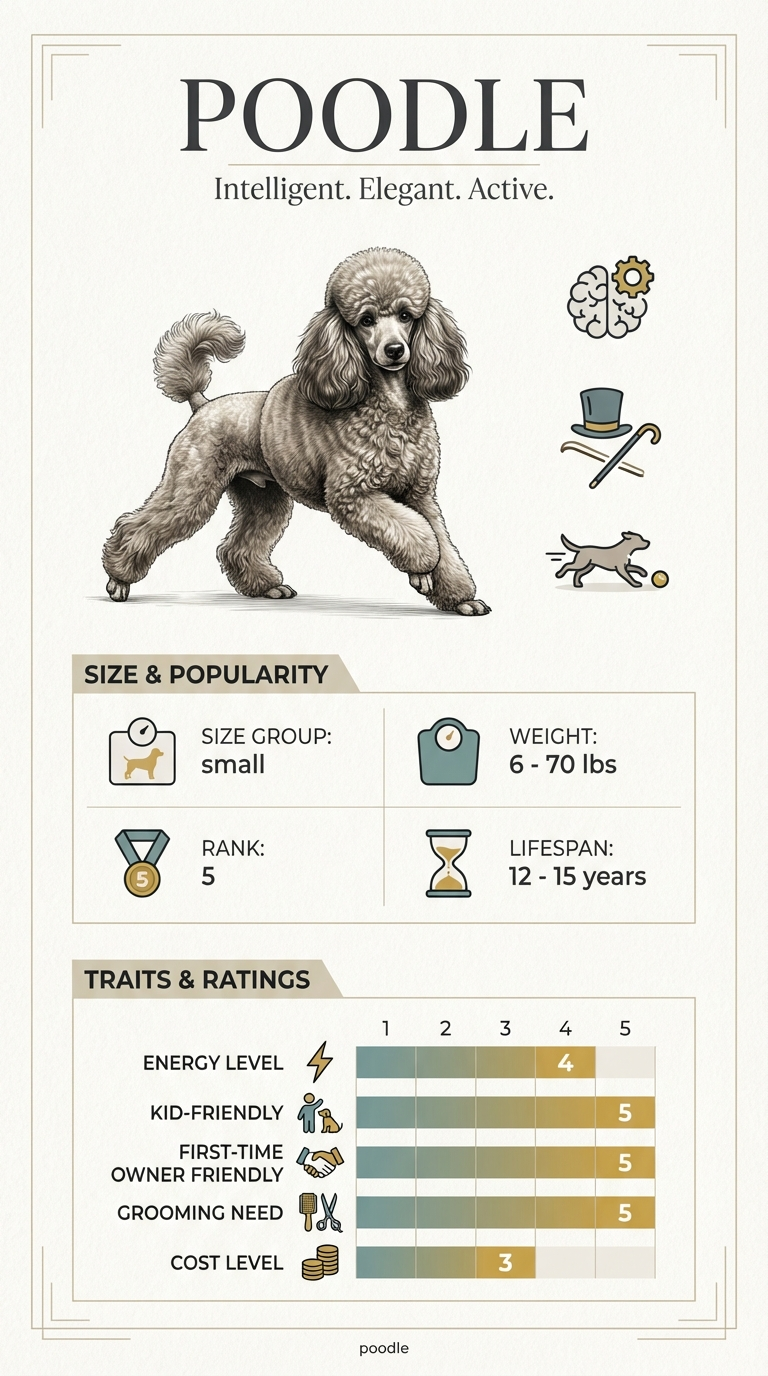
Owners of Poodles, especially those with older dogs, often face the challenges of managing this condition. They may notice their furry friends struggling with navigation or becoming hesitant in new environments.
This guide is not medical advice. If your dog shows pain, sudden behavior change, or worsening symptoms, consult a licensed veterinarian.
Some links may be affiliate links. We may earn a commission at no extra cost to you. We only suggest products we believe are helpful for dog owners.
Poodle progressive retinal atrophy (pra-rcd3) is a genetic condition that leads to gradual vision loss. This can significantly impact your Poodle's daily life, causing confusion and anxiety as their world becomes less visible. You'll notice signs like bumping into furniture, hesitance to play, or difficulty finding toys.
Poodle progressive retinal atrophy (pra-rcd3) is relatively common among Poodles, particularly in certain lines. It's essential to be proactive about eye health in this breed, as early detection can help manage the condition.
Poodles are prone to genetic conditions, including Progressive Retinal Atrophy (PRA-rcd3). This condition is inherited and can lead to gradual vision loss. It's a result of degeneration in the retina, which can be more common in specific bloodlines.
Environmental factors, such as inadequate exposure to light or stress, can exacerbate the effects of PRA-rcd3. If your Poodle is not stimulated or feels anxious, this may impact their overall well-being and coping with vision loss.
If your Poodle shows signs of anxiety or significant behavior changes due to their vision loss, consider consulting a dog trainer. A professional can provide tailored strategies to ease their anxiety and improve their confidence.
Talk to your vet if you notice any sudden changes in your Poodle's behavior or health. If you suspect your dog may be experiencing severe vision loss or other complications related to PRA-rcd3, getting a professional assessment is crucial.
Managing Poodle progressive retinal atrophy (pra-rcd3) typically involves a gradual adjustment period of 6 to 12 months as your dog adapts to vision changes.
Success means your Poodle can navigate familiar spaces confidently and respond to verbal cues, even with limited vision.
Certain behaviors can unintentionally make your Poodle's progressive retinal atrophy (PRA-rcd3) symptoms worse. Here are some common mistakes to avoid, along with better alternatives.
Poodle progressive retinal atrophy (PRA-rcd3) can be concerning, and knowing when to act is crucial. If you notice severe symptoms, such as sudden blindness, dilated pupils, or significant changes in behavior like bumping into objects, these are red flags. These signs mean you should call your vet immediately for an evaluation.
On the other hand, if your Poodle shows mild symptoms, such as gradual vision loss without sudden changes, it's important to monitor the situation. Keep track of how your dog navigates their environment and any behavioral changes. Schedule a veterinary check-up to discuss your observations and develop a management plan.
In summary, watch for the following emergency signs that require immediate vet attention: sudden behavioral shifts, severe visual impairment, and distress or confusion in unfamiliar settings. If the symptoms are less severe and seem to progress slowly, a wait-and-see approach with regular vet check-ins may be appropriate.

Sarah, a first-time dog owner, noticed her Poodle Max was bumping into furniture and seemed hesitant during walks. After a vet confirmed he had progressive retinal atrophy (pra-rcd3), she felt overwhelmed. Determined to help Max, she started using bright, tactile markers in their home and taught him to recognize verbal commands more clearly. Over several months, Max learned to navigate his surroundings with confidence, and their bond deepened as they explored new environments together. Sarah also joined a local support group for pet owners dealing with similar issues, which provided her with useful tips and emotional support.
Key takeaway: With patience and the right strategies, you can help your Poodle adapt to progressive retinal atrophy (pra-rcd3) and maintain a high quality of life.
Poodle progressive retinal atrophy (pra-rcd3) is a genetic condition that leads to gradual vision loss in Poodles. It affects the retina, causing the photoreceptor cells to deteriorate over time. This can result in difficulty seeing in low light and eventually complete blindness.
This condition is inherited and caused by a genetic mutation. If both parents are carriers of the gene for PRA-rcd3, there's a significant chance their puppies will develop the condition. Regular veterinary check-ups can help monitor your Poodle's eye health.
While there is no cure for PRA-rcd3, you can support your Poodle by keeping their environment consistent and safe. Avoid moving furniture around and use verbal cues to guide them. Training can also help them adapt to their vision loss.
Yes, positive reinforcement training works well for Poodles. Use treats and praise to encourage them to follow commands. Also, consider teaching them to navigate obstacles using their other senses, like sound and smell.
Signs of vision loss include bumping into objects, hesitating when moving through unfamiliar spaces, or showing anxiety in new environments. If you notice these behaviors, consult your vet for an eye exam.
Absolutely! Many Poodles with PRA-rcd3 adapt well to their condition. With proper training, consistent routines, and some adjustments at home, they can live happy and fulfilling lives.
If you're breeding or adopting a Poodle, genetic testing can be helpful. It can identify whether your dog is a carrier of the gene for PRA-rcd3, allowing for informed decisions about breeding and care.
Early signs of Poodle progressive retinal atrophy (pra-rcd3) include difficulty seeing in dim light and hesitance to navigate unfamiliar environments. You may notice your Poodle bumping into objects or appearing disoriented. Observing these behaviors can help you seek veterinary advice sooner.
Yes, Poodles with progressive retinal atrophy (pra-rcd3) can still engage in training, but it may require some adjustments. Focus on using verbal cues and tactile signals instead of visual ones. Providing a consistent environment will help your Poodle feel secure while learning.
In older Poodles, progressive retinal atrophy (pra-rcd3) may lead to an accelerated decline in vision. As they age, they may also develop other health issues, making it essential to work closely with your vet. Regular check-ups can help manage their overall well-being.
If you notice signs of vision loss or behavioral changes in your Poodle, it’s best to consult a vet as soon as possible. Early diagnosis can help you understand the condition and manage it effectively. Your vet can provide guidance on treatment options and care.
Currently, there is no cure for Poodle progressive retinal atrophy (pra-rcd3). However, managing the condition through regular vet visits and supportive care can help improve your Poodle's quality of life. Staying informed will allow you to make the best decisions for your dog's needs.
Keep your home environment stable and familiar to help your Poodle navigate safely. Consider using sound cues and verbal commands to guide them.
Use positive reinforcement techniques, rewarding them with treats and praise for following commands. Teaching them to rely on their other senses can also be beneficial.
Watch for signs like bumping into furniture, hesitation in unfamiliar places, or increased anxiety. Regular vet visits are crucial for monitoring their eye health.
Currently, there is no cure for PRA-rcd3. However, with proper care and adaptation, affected Poodles can lead happy lives.


