Behavior
What are quick tips for managing Poodle osteochondritis dissecans (ocd)?
Ensure your Poodle maintains a healthy weight and limit high-impact activities. Regular vet check-ups are essential for monitoring their condition.

Quick answer
What are quick tips for managing Poodle osteochondritis dissecans (ocd)?
Ensure your Poodle maintains a healthy weight and limit high-impact activities. Regular vet check-ups are essential for monitoring their condition.
Poodle osteochondritis dissecans (OCD) is a painful joint condition that can hinder your dog's mobility and quality of life.
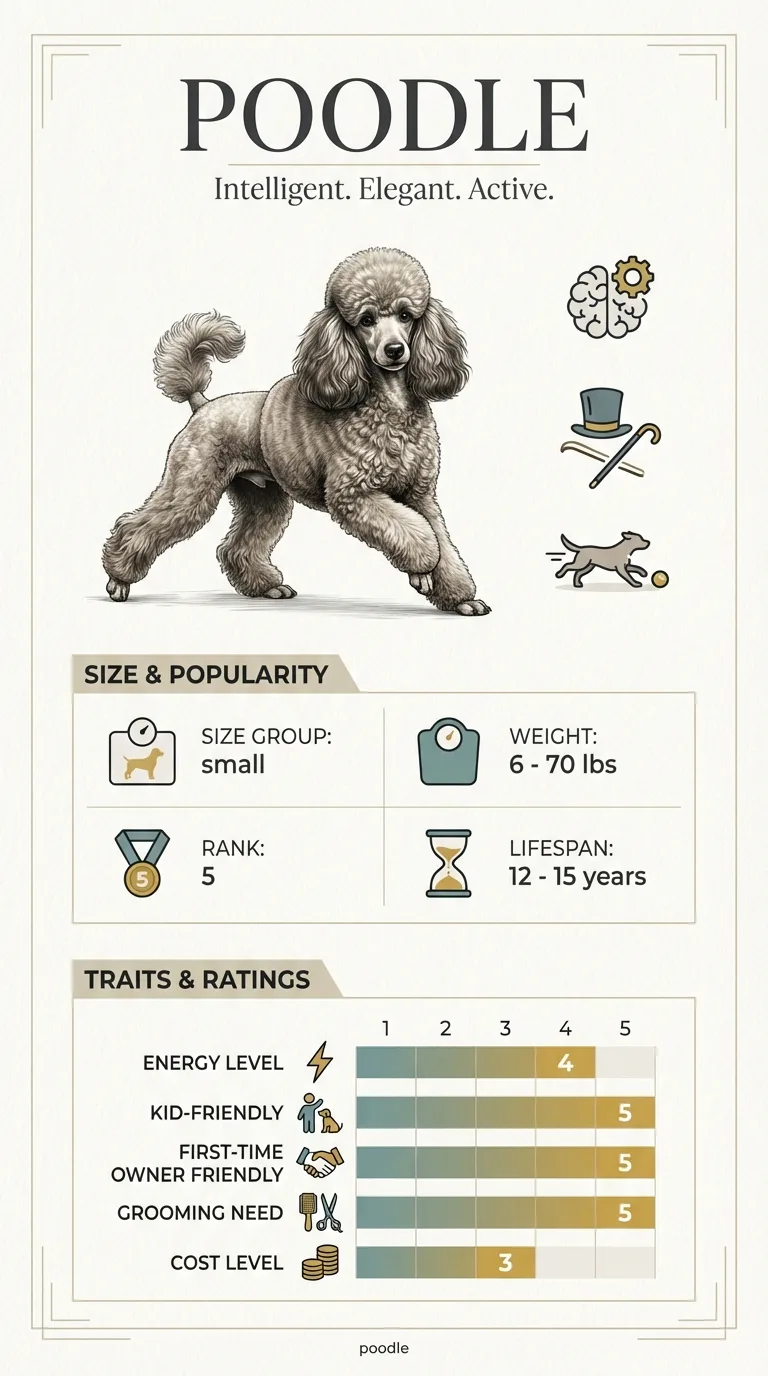
Owners of Poodles, especially those who are first-time pet parents, often face challenges with this condition. Busy families or individuals who may not recognize the signs of joint pain could find themselves struggling to manage their Poodle's health effectively.
This guide is not medical advice. If your dog shows pain, sudden behavior change, or worsening symptoms, consult a licensed veterinarian.
Some links may be affiliate links. We may earn a commission at no extra cost to you. We only suggest products we believe are helpful for dog owners.
We research and check what we publish, but we do not warrant that any figure, date, price, or statement is accurate, complete, or current, and we accept no liability for any loss, cost, injury, or other harm arising from the use of this site. Use it as one reference among several. You remain responsible for your own decisions and for your dog's care - confirm anything that matters with a licensed veterinarian or another qualified professional before you act on it. Full disclaimer.
Check this first
Recognizing when Poodle osteochondritis dissecans (OCD) becomes an emergency can save your dog's health. It’s crucial to differentiate between serious symptoms and mild cases that can be monitored. If your Poodle shows any of the red-flag signs, it's time to call your vet immediately.
Signs that require urgent vet attention include: - Severe limping or inability to use the affected limb - Swelling around the joints - Intense pain when touched or moved - Sudden changes in behavior, like increased aggression or hiding These symptoms indicate that your Poodle may be experiencing significant joint distress or complications that need professional intervention.
On the other hand, if your Poodle has mild symptoms, like occasional limping after exercise or slight discomfort, you can monitor the situation at home. In these cases, consider keeping your dog calm and limiting high-impact activities. You can also track their behavior for patterns and consult your vet for guidance on managing the condition. If the symptoms persist or worsen, don't hesitate to reach out to your vet.
Understanding the difference between emergency signs and manageable symptoms is crucial. It allows you to act quickly when necessary, ensuring the best care for your Poodle.
If any of these apply, call your vet or an emergency clinic now. The rest of this page is for the cases that are not an emergency.
Poodle osteochondritis dissecans (OCD) is a painful joint condition that affects younger dogs, often seen in active breeds. This issue arises when the cartilage in the joints does not develop properly, leading to discomfort and mobility challenges. Day-to-day signs can include limping, reluctance to exercise, and difficulty climbing stairs.
Osteochondritis dissecans (OCD) is relatively common in Poodles, especially those that are more active or larger. Owners should be vigilant, as it typically appears between 4 to 8 months of age. If left untreated, it can lead to chronic pain and arthritis.
Poodles are prone to osteochondritis dissecans (OCD) due to their genetic makeup. This condition often arises from rapid growth and development, particularly in larger Poodles. Their active nature can exacerbate the discomfort caused by this joint issue.
Environmental factors can also play a role in a Poodle developing OCD. An overly active lifestyle, excessive jumping, or rough play can stress their joints. Additionally, poor nutrition and obesity can lead to joint problems, making them more susceptible to conditions like OCD.
Consult your vet if your Poodle exhibits persistent limping, reluctance to play, or signs of pain. They can assess the severity of OCD and recommend appropriate treatment options, which may include medication or physical therapy.
Avoiding these common mistakes can help improve your Poodle's osteochondritis dissecans (OCD) symptoms.
See all Poodle health problems, which breeds are prone to osteochondritis dissecans ocd, or the full Poodle breed guide for temperament, exercise needs and ownership costs.
Managing Poodle osteochondritis dissecans (OCD) can take several weeks to months. Early intervention and consistent care make a significant difference.
Success means your Poodle experiences reduced pain, improved mobility, and a higher quality of life. Regular vet check-ups and following a tailored exercise plan are crucial.
When Sarah adopted Max, her energetic Poodle, she noticed he hesitated to jump and play as much as other dogs. After a vet visit, she learned Max had osteochondritis dissecans (OCD). Determined to help him, Sarah followed the vet's advice, which included a special exercise plan and joint supplements. Over the next few months, she monitored Max's progress closely. With patience and dedication, Max slowly regained his confidence and mobility, returning to his playful self.
Key takeaway: Early diagnosis and a consistent care routine can significantly improve your Poodle's quality of life with osteochondritis dissecans (OCD).
Poodle osteochondritis dissecans (OCD) is often due to abnormal cartilage development, which can be influenced by genetics, diet, and activity level. Rapid growth in puppies can also play a role. Consulting your vet can help identify the underlying cause and appropriate treatment.
Signs of Poodle osteochondritis dissecans (ocd) include limping, reluctance to exercise, or pain when touching the affected joint. If you notice these symptoms, it's best to consult your veterinarian for a proper diagnosis.
Treatment typically involves rest, weight management, and sometimes medication to relieve pain and inflammation. In severe cases, surgery may be necessary. Always follow your vet's advice for the best outcome.
To help prevent Poodle osteochondritis dissecans (ocd), ensure your Poodle maintains a healthy weight and gets regular, controlled exercise. Avoid high-impact activities until your vet gives the all-clear.
Training should focus on gentle exercises and positive reinforcement. Avoid strenuous activities that stress the joints, and always consult a trainer experienced with recovering dogs to tailor a safe plan.
If your Poodle shows signs of pain, limping, or decreased activity, consult your vet as soon as possible. Early intervention can significantly improve outcomes for conditions like osteochondritis dissecans (ocd).
Yes, while Poodle osteochondritis dissecans (OCD) is more common in younger dogs, older Poodles can also experience joint issues. Changes in their activity level or signs of pain should prompt a visit to the vet for evaluation. Early intervention can help manage their discomfort.
To help your Poodle, ensure they get appropriate rest and avoid high-impact activities that can worsen the condition. Physical therapy or low-impact exercises recommended by your vet can also be beneficial. A proper diet to maintain a healthy weight will reduce stress on their joints.
In some cases, surgery may be recommended to remove loose cartilage or improve joint function. Your vet will assess the severity of the condition and discuss the best treatment options. It's important to weigh the pros and cons before deciding on surgery.
Ensure your Poodle maintains a healthy weight and limit high-impact activities. Regular vet check-ups are essential for monitoring their condition.
A balanced diet can help manage your Poodle's weight, reducing stress on their joints. Consult your vet for dietary recommendations tailored to their needs.
Watch for increased limping, difficulty standing, or reluctance to move. If you notice these signs, contact your vet immediately.
A one-page prep sheet for this condition: the signs, the questions to ask, what to get priced. Unlocks here.
You get: Vet visit prep sheet
No spam. One-click unsubscribe. See our privacy policy.
Preview page 1 before you decide.