Behavior
What are quick tips for Poodle heat sensitivity?
Keep your Poodle hydrated, avoid outdoor activities during peak heat, and provide a cool resting area. Use cooling products like vests or mats to help them stay comfortable.
Poodle heat sensitivity can pose serious risks during warmer months. It's essential for owners to recognize and manage this issue to keep their dogs safe.
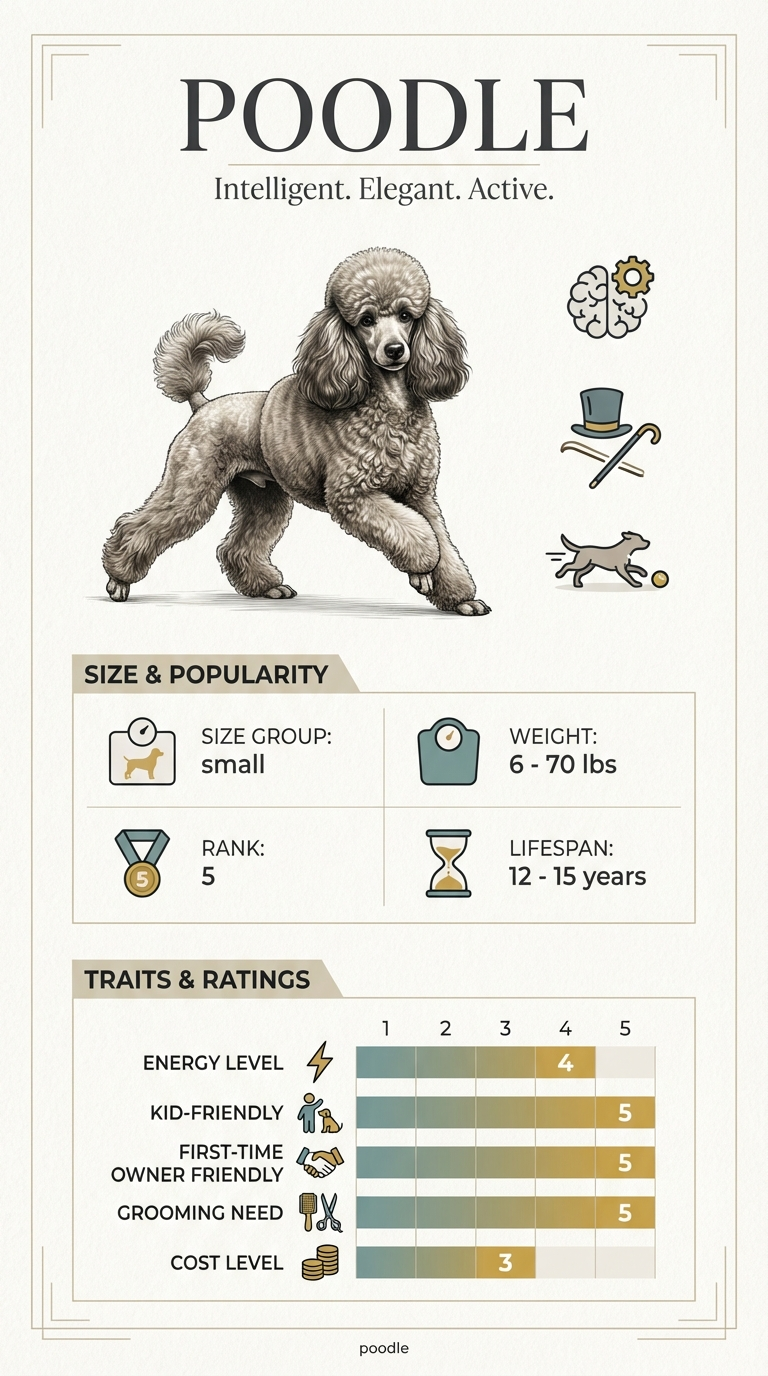
Typically, first-time Poodle owners or those living in hot climates may find themselves facing this challenge. It can be particularly concerning for busy families or individuals who may not notice signs of overheating right away.
This guide is not medical advice. If your dog shows pain, sudden behavior change, or worsening symptoms, consult a licensed veterinarian.
Some links may be affiliate links. We may earn a commission at no extra cost to you. We only suggest products we believe are helpful for dog owners.
Poodle heat sensitivity is a common issue that can affect your dog's comfort and health. On hot days, Poodles may struggle with overheating, which can lead to heatstroke if not managed properly. This problem can manifest as excessive panting, lethargy, or refusal to engage in physical activities.
Heat sensitivity is quite common among Poodles, especially in warmer climates. Given their coat type and energy levels, it's crucial for owners to be vigilant about their dog's comfort in hot weather.
Poodles are particularly sensitive to heat due to their dense coat and lower heat tolerance. Their size and metabolism also play a role, making them more vulnerable to overheating in warm conditions.
Heat sensitivity in Poodles can be exacerbated by environmental factors such as high humidity, poor ventilation, and lack of shade. Additionally, if a Poodle is not accustomed to heat or is overexerted during warm weather, they may struggle even more.
If your Poodle shows signs of anxiety or panic during hot weather, a trainer can help them cope. Look for someone experienced in behavior modification techniques for dogs.
If your Poodle experiences severe heat sensitivity, such as vomiting, excessive panting, or lethargy, it’s important to consult a vet. They can rule out underlying health issues and provide additional guidance.
You may start noticing improvements in your Poodle's heat sensitivity within 2 to 4 weeks of consistent training and changes in environment.
Success looks like your Poodle being able to enjoy walks and outdoor playtime without showing signs of distress or overheating.
Avoiding these common mistakes can help manage your Poodle's heat sensitivity better.
Recognizing when your Poodle's heat sensitivity is an emergency can save their life. If you notice any signs of heatstroke, it's crucial to act immediately. Signs of heatstroke include excessive panting, drooling, weakness, and confusion. If your Poodle collapses or has a seizure, call your vet right away. These are red flags that require urgent care.
On the other hand, if your Poodle shows mild heat sensitivity, such as panting more than usual or avoiding outdoor activities during the hottest part of the day, you can monitor them closely. Make sure to provide plenty of water and a cool, shaded place for them to rest. Adjust their exercise schedule to cooler times of day, and keep an eye on their behavior. If these symptoms persist or worsen, consult your vet for advice.
In summary, immediate vet care is essential if your Poodle exhibits severe symptoms. For mild cases, take preventive measures and watch for changes in their condition. This balance will help keep your furry friend safe and comfortable during warm weather.
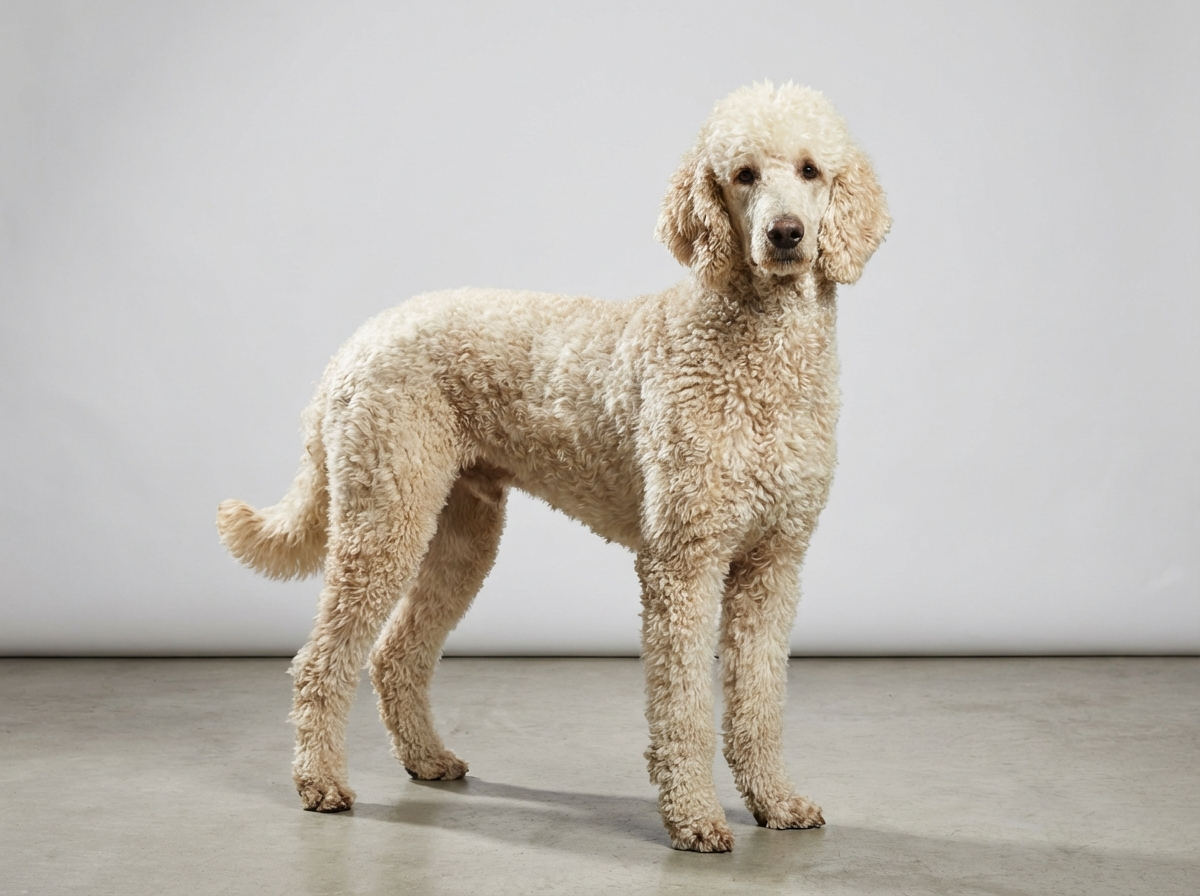
Samantha, a first-time dog owner, noticed that her Poodle, Max, would pant excessively and refuse to walk on sunny days. Desperate to help him, she researched how to stop Poodle heat sensitivity and learned to adjust their routine. She began taking Max for walks during cooler times of the day and set up an indoor play area with air conditioning. After a few weeks, Max seemed happier and more comfortable, even enjoying short outdoor play sessions in the evening.
Key takeaway: Understanding your dog's heat sensitivity is crucial. Adjusting their routine and environment can lead to a happier, healthier pet.
Poodles can be sensitive to heat due to their thick, curly coats that retain warmth. Additionally, their small size can make it harder for them to cool down. It’s important to monitor their behavior in warm weather to prevent overheating.
To help your Poodle cope with heat sensitivity, provide plenty of shade and fresh water during outdoor activities. Limit exercise during the hottest parts of the day and consider using cooling vests or mats designed for dogs. Gradually acclimate them to warmer temperatures if needed.
Signs of heatstroke in Poodles include excessive panting, drooling, weakness, and confusion. If you notice these symptoms, move your dog to a cooler place and offer water. If their condition doesn’t improve quickly, contact a vet immediately.
While you can't change your Poodle's natural heat sensitivity, you can train them to recognize when it's too hot to be outside. Use positive reinforcement to reward them for seeking shade or staying indoors during high temperatures.
If your Poodle gets too hot, bring them indoors or to a shaded area immediately. Offer cool water and apply a damp cloth to their paws and belly to help cool them down. Monitor their temperature and consult a vet if they don’t recover quickly.
Yes, certain breeds, including Poodles, are more susceptible to heat sensitivity due to their coat types and body size. It's crucial for owners of these breeds to take extra precautions during warmer months.
Signs of Poodle heat sensitivity include excessive panting, drooling, and lethargy. You may also notice your Poodle seeking out cool surfaces or shade and having difficulty cooling down after exercise.
Yes, older Poodles often have a harder time regulating their body temperature. It's essential to monitor them closely during hot weather and provide plenty of water and shade.
You can help your Poodle stay cool by providing fresh water, ensuring they have access to shade, and avoiding walks during the hottest parts of the day. Consider using cooling mats or vests designed for dogs to aid in temperature regulation.
If your Poodle shows signs of severe heat sensitivity, such as confusion, vomiting, or loss of consciousness, you should seek veterinary care immediately. Early intervention can prevent serious health issues like heatstroke.
While training cannot eliminate heat sensitivity, it can help your Poodle learn to seek shade or water when feeling hot. Positive reinforcement training can encourage them to stay cool and hydrated during warmer days.
Keep your Poodle hydrated, avoid outdoor activities during peak heat, and provide a cool resting area. Use cooling products like vests or mats to help them stay comfortable.
Watch for excessive panting, drooling, or lethargy. If you notice these signs, move them to a cooler location and provide water.
Early morning or late evening is ideal for exercising your Poodle when temperatures are cooler. This helps reduce the risk of heat sensitivity.


