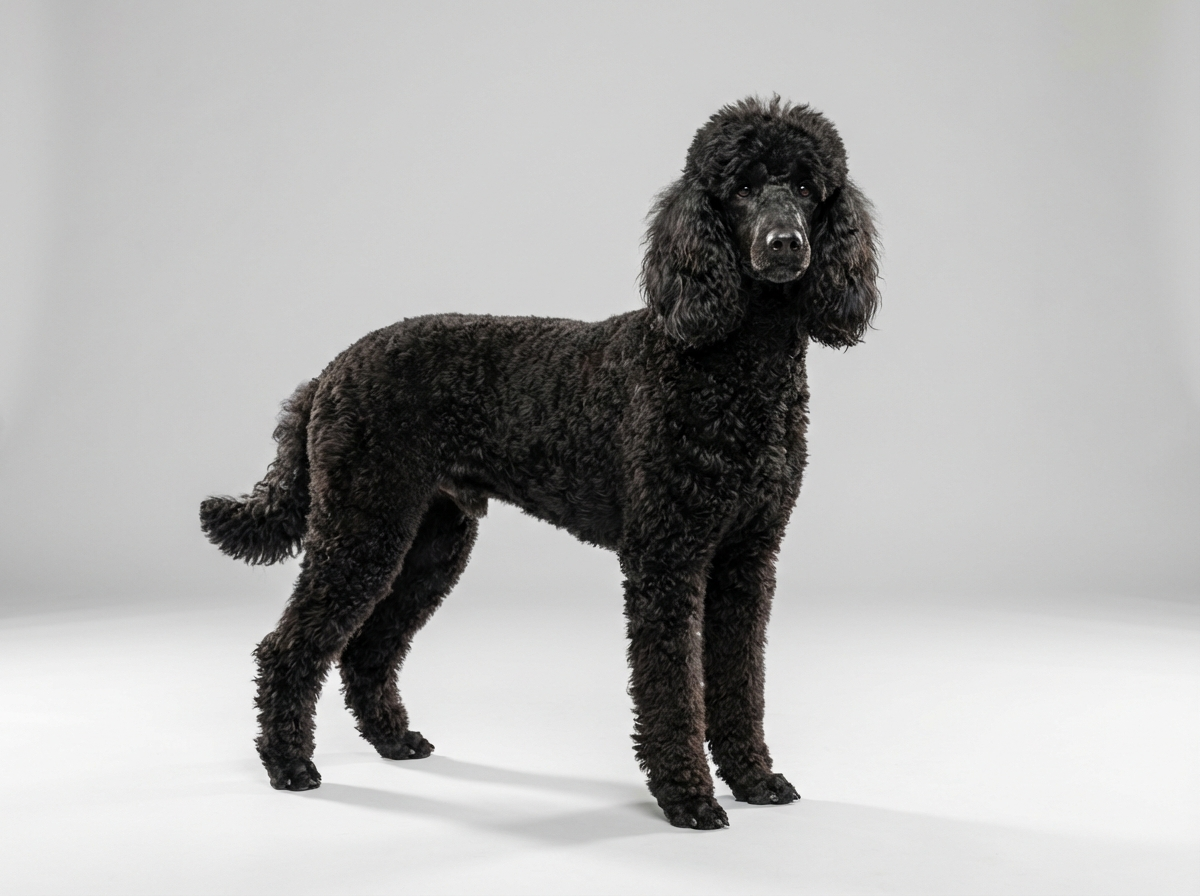
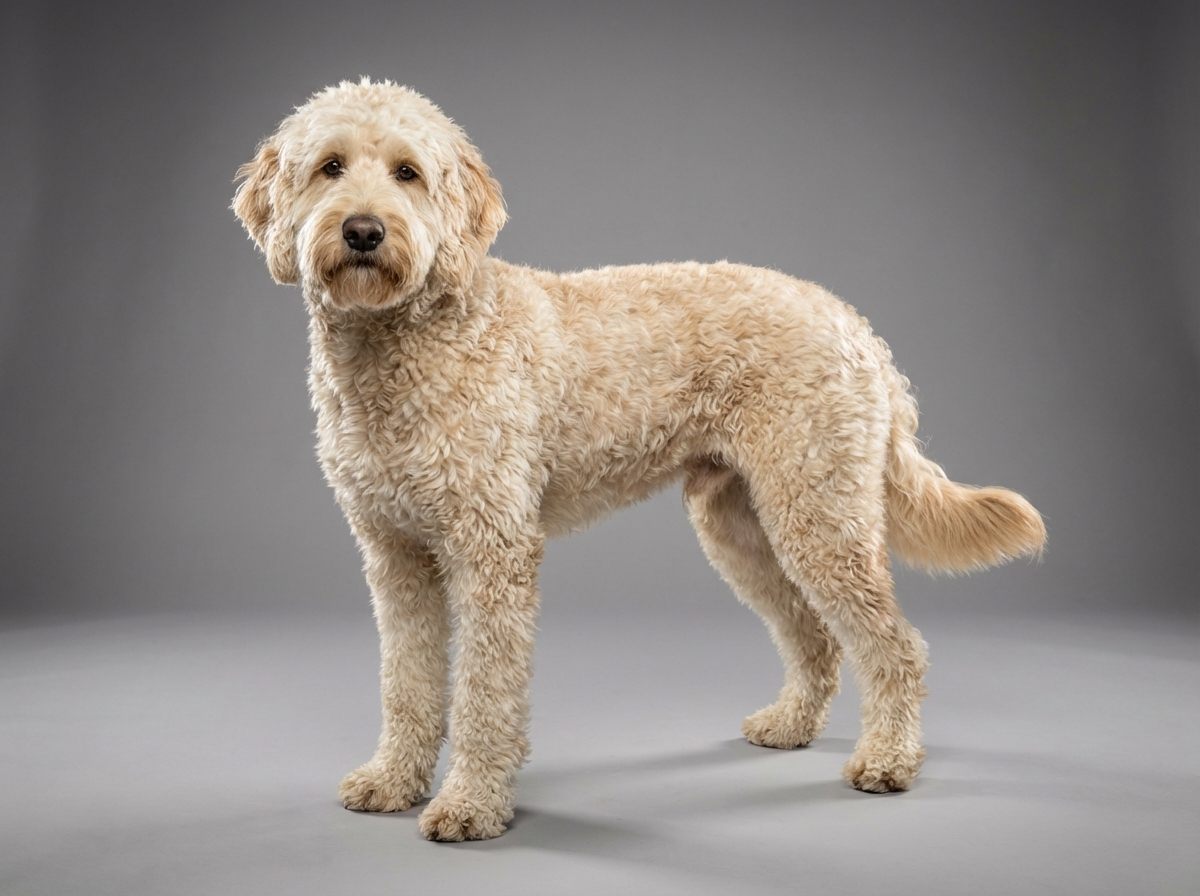
Health
What are quick tips for Poodle (All Sizes) respiratory disease?
Keep your Poodle at a healthy weight, avoid smoke exposure, and ensure regular vet check-ups.

Quick answer
What are quick tips for Poodle (All Sizes) respiratory disease?
Keep your Poodle at a healthy weight, avoid smoke exposure, and ensure regular vet check-ups.
Poodle (All Sizes) can face respiratory disease, which is a serious concern for their health. This condition can greatly impact their quality of life. (Poodle (All Sizes) respiratory disease)
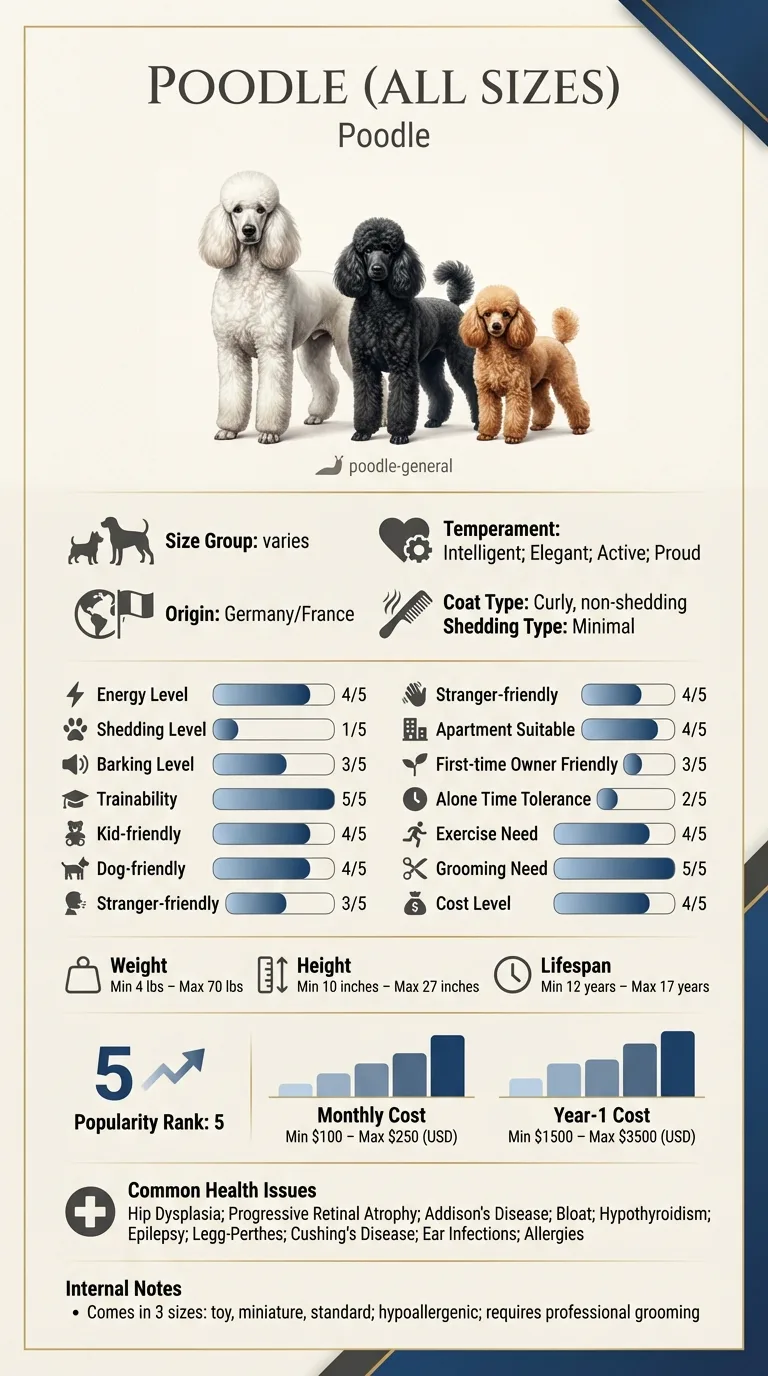
New and experienced Poodle owners alike may struggle with respiratory disease in their dogs. Busy families, individuals in urban areas, or those with limited experience may find this particularly challenging.
This guide is not medical advice. If your dog shows pain, sudden behavior change, or worsening symptoms, consult a licensed veterinarian.
Some links may be affiliate links. We may earn a commission at no extra cost to you. We only suggest products we believe are helpful for dog owners.
We research and check what we publish, but we do not warrant that any figure, date, price, or statement is accurate, complete, or current, and we accept no liability for any loss, cost, injury, or other harm arising from the use of this site. Use it as one reference among several. You remain responsible for your own decisions and for your dog's care - confirm anything that matters with a licensed veterinarian or another qualified professional before you act on it. Full disclaimer.
Check this first
Recognizing when respiratory disease in your Poodle (All Sizes) is an emergency can save your dog's life. Immediate veterinary attention is needed if you notice severe symptoms. These include difficulty breathing, blue-tinged gums, excessive coughing, or if your dog collapses or is lethargic and unresponsive.
In less urgent situations, you might notice mild symptoms like occasional coughing, sneezing, or nasal discharge. These can often be monitored at home. Create a plan to observe your dog's behavior, but always consult your vet if symptoms persist or worsen over time. Keeping track of changes in your Poodle’s breathing patterns can help you make informed decisions about their health.
It's essential to be proactive about your Poodle’s respiratory health. Conditions like allergies or mild infections may not require immediate action, but they can develop into more serious issues. If your dog shows signs of distress, don’t hesitate to reach out to your veterinarian for guidance.
If any of these apply, call your vet or an emergency clinic now. The rest of this page is for the cases that are not an emergency.
Poodle (All Sizes) respiratory disease can manifest as coughing, wheezing, or difficulty breathing. This condition often results from genetic predispositions, especially in smaller sizes, which may face higher risks. Daily life with a Poodle suffering from respiratory issues can involve frequent vet visits and adjustments to their activity levels to accommodate their breathing difficulties.
Respiratory disease in Poodles is notably common, particularly in smaller sizes, which can be at a 479% higher risk than non-brachycephalic breeds. It's crucial for owners to recognize early signs and seek veterinary advice promptly.
Poodles, regardless of their size, can be prone to certain respiratory issues due to their anatomical structure. Their elongated snouts and nasal passages generally help with breathing, but factors like obesity can exacerbate respiratory problems. Additionally, some lines may have inherited health issues that affect lung function, making them more susceptible to respiratory diseases.
Environmental factors can also contribute to respiratory disease in Poodles. Poor air quality, exposure to allergens, or irritants like smoke can trigger respiratory issues. Stressful situations, such as loud noises or a chaotic environment, may also heighten anxiety, leading to breathing difficulties.
If you notice persistent coughing, difficulty breathing, or other signs of respiratory distress, contact your vet immediately. They can assess your Poodle's condition and recommend appropriate treatments or interventions.
Addressing respiratory disease in your Poodle (All Sizes) can be tricky. Here are common mistakes that may inadvertently worsen the situation, along with safer alternatives.
Start here: Poodle (All Sizes) Genetic Disorders: What to Screen For
See all Poodle General health problems, which breeds are prone to respiratory disease, or the full Poodle General breed guide for temperament, exercise needs and ownership costs.
Improvement in your Poodle’s respiratory issues can take several weeks to months, depending on the severity of the condition and treatment adherence.
Success means your Poodle can breathe comfortably during daily activities, showing an increased energy level and reduced coughing or wheezing.
When Sarah brought Bella, her Standard Poodle, home, she noticed Bella struggled to catch her breath during walks. After a trip to the vet, Sarah learned that Bella had respiratory disease, common in Poodles. Determined, Sarah followed a treatment plan that included medication and weight management. Over a few months, Bella showed significant improvement, enjoying longer walks and playing without struggling to breathe.
Key takeaway: With prompt veterinary care and a dedicated approach, you can help your Poodle manage respiratory disease effectively.
Poodles (All Sizes) can develop respiratory diseases due to various factors, including genetics, obesity, and environmental conditions. Brachycephalic traits can also increase their risk as their short snouts may hinder airflow. Regular vet check-ups are essential to monitor their respiratory health.
To address respiratory disease in Poodles, ensure they maintain a healthy weight and avoid exposure to smoke or allergens. Regular exercise and a balanced diet can improve their overall health. Consult your vet for specific training and management strategies tailored to your dog's needs.
Common symptoms include coughing, difficulty breathing, and excessive panting. You may also notice lethargy or a reduced interest in exercise. If you observe any of these signs, schedule a vet appointment for a thorough evaluation.
Yes, training can help condition your Poodle to manage their breathing better. Techniques like controlled exercise and gradual exposure to various environments can strengthen their respiratory system. Always consult with a professional trainer or vet for personalized training methods.
Treatment options vary based on the severity of the condition. They may include medications to reduce inflammation or surgery to correct anatomical issues. Always follow your vet's recommendations for the best treatment plan for your Poodle.
Keep an eye on your Poodle's breathing patterns, looking for any changes in rate or effort. Regularly check for signs of coughing or lethargy. If you notice anything unusual, don't hesitate to reach out to your vet for advice.
Consider making changes such as reducing exercise during extreme temperatures and maintaining a smoke-free environment. Additionally, providing a low-stress home can help your Poodle feel more comfortable and breathe easier.
Yes, older Poodles are generally at a higher risk for respiratory diseases due to age-related health issues. Regular vet check-ups can help catch any problems early and keep your senior Poodle healthy.
To help manage respiratory issues, ensure your Poodle stays in a clean, well-ventilated area. Avoid exposing them to smoke or allergens, and monitor their activity levels to prevent overexertion.
If your Poodle shows severe difficulty breathing, call your veterinarian or an emergency animal clinic immediately. Time is critical in such situations, so don’t hesitate to seek help.
Preventative measures for respiratory disease include regular vet check-ups, maintaining a healthy weight, and ensuring your Poodle gets enough exercise. Training and socializing can also reduce stress, which is beneficial for their overall health.
Keep your Poodle at a healthy weight, avoid smoke exposure, and ensure regular vet check-ups.
Aim for at least twice a year, or more frequently if your Poodle shows symptoms of respiratory distress.
Absolutely! Excess weight can put additional strain on their respiratory system, making it crucial to manage their diet and exercise.
Yes, training can help improve your Poodle's breathing management through controlled activities and positive reinforcement.
Stay calm and contact your vet immediately. Difficulty breathing can be serious and often requires prompt medical attention.
A one-page prep sheet for this condition: the signs, the questions to ask, what to get priced. Unlocks here.
You get: Vet visit prep sheet
No spam. One-click unsubscribe. See our privacy policy.
Preview page 1 before you decide.