Behavior
What are some quick tips for Pomeranian x-scid?
Keep your Pomeranian indoors and away from other dogs to minimize infection risks. Regular vet visits are crucial for monitoring their health.

Quick answer
What are some quick tips for Pomeranian x-scid?
Keep your Pomeranian indoors and away from other dogs to minimize infection risks. Regular vet visits are crucial for monitoring their health.
Pomeranian x-scid is a serious health issue that affects your dog's immune system.
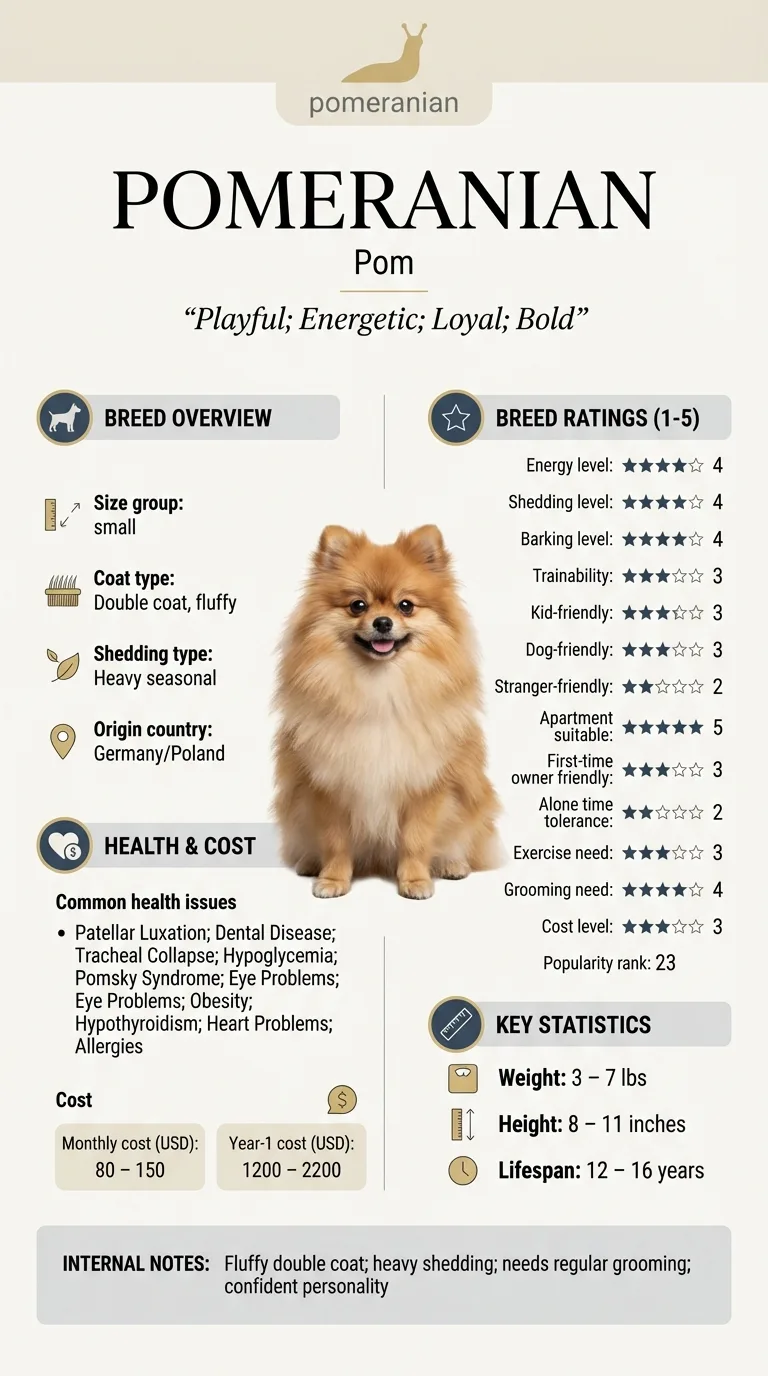
Owners of Pomeranians, especially those new to dog care, often find themselves worried when their pets show unusual symptoms. It’s a tough situation for anyone who loves their dog and wants the best for them.
This guide is not medical advice. If your dog shows pain, sudden behavior change, or worsening symptoms, consult a licensed veterinarian.
Some links may be affiliate links. We may earn a commission at no extra cost to you. We only suggest products we believe are helpful for dog owners.
We research and check what we publish, but we do not warrant that any figure, date, price, or statement is accurate, complete, or current, and we accept no liability for any loss, cost, injury, or other harm arising from the use of this site. Use it as one reference among several. You remain responsible for your own decisions and for your dog's care - confirm anything that matters with a licensed veterinarian or another qualified professional before you act on it. Full disclaimer.
Check this first
Call your vet immediately if your Pomeranian shows any of these red-flag signs: - Frequent infections that are hard to treat. - Unexplained weight loss or lethargy. - Severe diarrhea or vomiting. These symptoms indicate that your dog’s immune system is critically compromised and needs professional evaluation right away.
In contrast, if your Pom displays mild symptoms such as occasional sneezing or minor skin irritations, you can watch and wait. Monitor their behavior and overall health for changes. Keeping a log of symptoms can help you decide when it’s time to seek help. If these minor issues persist for more than a few days or worsen, don’t hesitate to contact your vet.
Being proactive about your Pomeranian's health is essential. Regular vet check-ups can help catch potential problems early. Remember, the earlier you address health concerns, the better the outcome for your furry friend.
If any of these apply, call your vet or an emergency clinic now. The rest of this page is for the cases that are not an emergency.
Pomeranian x-scid, or X-linked severe combined immunodeficiency, is a rare but serious condition affecting Pomeranians. Dogs with this issue often experience a weakened immune system, making them more susceptible to infections and illnesses. Daily life for a Pomeranian with x-scid can involve frequent vet visits and careful monitoring of their health, as they may struggle to fight off common infections.
While x-scid is not very common in the Pomeranian breed, it can occur. Awareness of this condition is critical for owners, as it can significantly impact a dog's quality of life and longevity.
Pomeranians can be genetically predisposed to health issues like X-SCID, a rare immunodeficiency. This condition stems from a lack of functional immune cells, making them vulnerable to infections. Their small size may also contribute to a higher risk of complications related to this condition.
Environmental factors can worsen the symptoms of X-SCID. Poor hygiene, exposure to pathogens, and stress from changes in routine can impact their immune system. Additionally, a lack of proper socialization may increase anxiety and lead to further health issues.
It's crucial to consult a vet if you notice any symptoms of X-SCID, such as frequent infections or unusual lethargy. A vet can offer testing, guidance on care, and help manage your dog's health more effectively.
Addressing Pomeranian x-scid requires a thoughtful approach. Here are common mistakes owners make that can inadvertently worsen the situation, along with safer alternatives.
Start here: Pomeranian Most Common Genetic Disorders: What to Screen For
See all Pomeranian health problems, which breeds are prone to x scid, or the full Pomeranian breed guide for temperament, exercise needs and ownership costs.
You can expect to see some improvement in your Pomeranian x-scid's behavior within 4 to 6 weeks of consistent care and follow-up with your vet. However, full adjustment may take several months.
Success means your Pomeranian becomes more comfortable around people and other pets, reducing anxiety and fear-based behaviors. You'll notice improved confidence and a happier, more relaxed dog.
Jenna, a first-time dog owner in Seattle, adopted a Pomeranian named Max who had x-scid. Max was fearful of strangers and often barked excessively. Jenna initially felt overwhelmed, unsure how to help him. After researching, she enrolled Max in a positive reinforcement training class focused on socialization and desensitization. With patience and regular practice, Max learned to trust people and other dogs. Within a few months, he was more relaxed during outings, allowing Jenna to enjoy their time together.
Key takeaway: With the right training and support, even a dog with x-scid can learn to become more confident and well-adjusted.
Pomeranian x-scid, or X-SCID, stands for severe combined immunodeficiency. It is a rare genetic condition that affects a dog's immune system, making them highly susceptible to infections.
To support a Pomeranian with x-scid, keep them away from other dogs to minimize infection risk. Regular vet check-ups are essential to monitor their health and catch any potential issues early.
Signs of x-scid can include frequent infections, poor growth, and lethargy. If you notice your Pomeranian showing these symptoms, consult your vet immediately.
With careful management, Pomeranians with x-scid can live, but their quality of life may be affected. Keeping them indoors and limiting exposure to other dogs is crucial.
Currently, there is no cure for x-scid. Treatment focuses on managing symptoms and preventing infections, which may involve regular vet visits and possibly medication.
Behavior issues in Pomeranians with x-scid can stem from anxiety due to their condition. Providing a stable environment, consistent routines, and possibly engaging in training can help reduce these behaviors.
Signs of X-SCID in Pomeranians can include frequent infections, lack of growth, and prolonged illness. If your Pom seems unusually lethargic or has persistent health issues, it's crucial to consult your vet for a proper diagnosis.
X-SCID is a genetic condition often seen in young dogs, typically under six months old. However, if an older Pomeranian has a history of recurrent infections or other immune issues, it's essential to discuss these concerns with your veterinarian.
Supporting a Pomeranian with X-SCID involves providing a stress-free environment and regular vet check-ups. Keeping their vaccinations up to date and ensuring they receive proper nutrition can also help improve their overall health.
Currently, there is no cure for X-SCID, and treatment usually focuses on managing symptoms and preventing infections. Your vet may recommend a specialized diet, medications, or even referrals to veterinary specialists for advanced care.
Yes, X-SCID is a hereditary condition inherited from the parents. If you're considering breeding Pomeranians, genetic testing for X-SCID can help prevent passing this condition to future litters.
Keep your Pomeranian indoors and away from other dogs to minimize infection risks. Regular vet visits are crucial for monitoring their health.
Provide a calm home environment and establish a consistent routine to help manage their anxiety and keep them comfortable.
Watch for signs like lethargy, loss of appetite, or unusual coughing. If you notice any of these symptoms, contact your vet right away.
While there's no specific diet for x-scid, a balanced diet that supports their immune system can be beneficial. Discuss with your vet for tailored advice.
Expect to spend additional costs on vet visits and special care, potentially increasing your monthly expenses to $150 or more.
A one-page prep sheet for this condition: the signs, the questions to ask, what to get priced. Unlocks here.
You get: Vet visit prep sheet
No spam. One-click unsubscribe. See our privacy policy.
Preview page 1 before you decide.