Behavior
What are quick tips for Pomeranian skin infections?
Keep your Pomeranian clean and dry, especially in skin folds. Regularly check for signs of irritation and consult a vet if needed.

Quick answer
What are quick tips for Pomeranian skin infections?
Keep your Pomeranian clean and dry, especially in skin folds. Regularly check for signs of irritation and consult a vet if needed.
Pomeranian skin infections can be a frustrating issue for many owners. These infections often stem from various causes, impacting your dog's comfort and health.
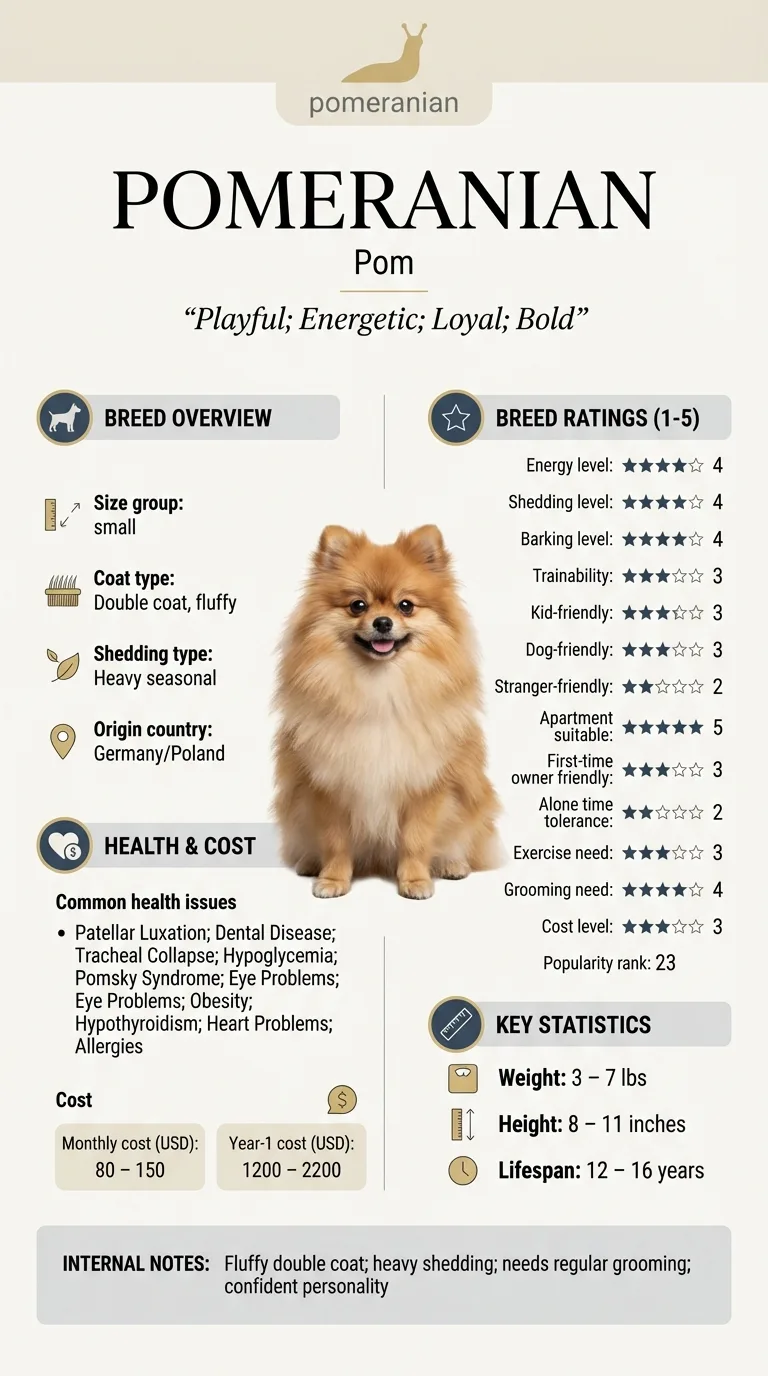
New dog owners or those unfamiliar with Pomeranian grooming may find themselves struggling with skin infections. Busy families or individuals with limited grooming experience can also face challenges when managing their dog's coat and hygiene.
This guide is not medical advice. If your dog shows pain, sudden behavior change, or worsening symptoms, consult a licensed veterinarian.
Some links may be affiliate links. We may earn a commission at no extra cost to you. We only suggest products we believe are helpful for dog owners.
We research and check what we publish, but we do not warrant that any figure, date, price, or statement is accurate, complete, or current, and we accept no liability for any loss, cost, injury, or other harm arising from the use of this site. Use it as one reference among several. You remain responsible for your own decisions and for your dog's care - confirm anything that matters with a licensed veterinarian or another qualified professional before you act on it. Full disclaimer.
Check this first
Recognizing when a Pomeranian skin infection is an emergency can save your dog's health and comfort. Look for red-flag signs that indicate immediate veterinary care is needed. These include severe itching that leads to excessive scratching or biting, open wounds, or swelling. If your Pom is experiencing any of these symptoms, it's crucial to call your vet right away.
If any of these apply, call your vet or an emergency clinic now. The rest of this page is for the cases that are not an emergency.
Pomeranian skin infections are a common issue, often manifesting as red, itchy patches or sores on their skin. These infections can be triggered by allergies, poor grooming, or bacterial growth, leading to discomfort for your fluffy friend. Daily grooming is essential for Poms, as their double coat can trap moisture and dirt, creating an ideal environment for infections.
Skin infections are quite common in Pomeranians, especially those with a history of allergies or poor grooming habits. Many owners report dealing with this issue at least once during their dog's life, making it a significant concern for the breed.
Pomeranians have a double coat that can trap moisture and dirt, making them prone to skin infections. Their unique skin structure may also lead to more sensitivity. Additionally, their playful and energetic nature can cause minor injuries that may become infected.
Skin infections can arise from poor grooming habits, such as infrequent brushing or bathing. Allergens in the environment, like pollen or dust, can irritate their skin. Overheating or humidity can also increase the risk of infections, especially if they spend time outdoors.
If you notice any signs of infection, such as excessive itching, redness, or discharge, it's important to consult your vet. They can provide a proper diagnosis and recommend treatments, such as medicated shampoos or antibiotics.
Avoiding common pitfalls can help manage Pomeranian skin infections more effectively. Here are some mistakes to watch out for, along with safer alternatives.
Start here: Pomeranian Most Common Genetic Disorders: What to Screen For
See all Pomeranian health problems, which breeds are prone to skin infections, or the full Pomeranian breed guide for temperament, exercise needs and ownership costs.
Most Pomeranians can see improvement in their skin condition within 4 to 8 weeks of starting a proper treatment plan.
Success means your Pomeranian's skin infections are minimized, their coat appears healthier, and they show fewer signs of discomfort.
Not all skin infections require urgent care. Mild cases may include localized redness or slight itching without any severe symptoms. You can monitor these situations at home, providing gentle cleaning and over-the-counter treatments recommended by your vet. If the infection doesn't improve in a few days or worsens, then it's time to consult your veterinarian.

Mia, a busy nurse in San Francisco, noticed that her Pomeranian, Charlie, was scratching and had small red patches on his skin. After a vet visit, she learned that Charlie had a skin infection likely caused by allergies. With a treatment plan that included medicated baths and a special diet, Mia committed to a new grooming routine. Over the next couple of months, she noticed Charlie's skin improved significantly, and he was much more comfortable during their walks in the park.
Key takeaway: Consistency in treatment and grooming can lead to significant improvements in managing Pomeranian skin infections.
Pomeranian skin infections can occur due to various reasons, including allergies, poor hygiene, or underlying health issues. Regular grooming and cleaning can help prevent these infections. If your Pom has persistent skin issues, consult your vet for a proper diagnosis.
To stop Pomeranian skin infections, maintain a consistent grooming routine. Regularly bathe your dog with appropriate shampoo and dry their skin thoroughly, especially in facial folds. Additionally, keep an eye on their diet, as allergies can lead to skin problems.
Signs of skin infections in Pomeranians include redness, swelling, and discharge in affected areas. You may also notice your dog scratching, biting, or licking at the skin excessively. If you observe any of these symptoms, it's important to consult a vet.
Yes, providing a balanced diet rich in omega fatty acids can help maintain your Pomeranian's skin health. Foods with high-quality proteins and limited fillers may also reduce allergic reactions that lead to skin infections. Always consult your vet before making dietary changes.
Stress can weaken your Pomeranian's immune system, making them more susceptible to skin infections. Providing a stable environment and regular exercise can help reduce stress. Consider consulting a trainer if you notice anxiety-related behavior.
Groom your Pomeranian at least once a week to prevent matting and skin infections. Frequent brushing helps remove loose fur and dirt, and regular bathing keeps their skin clean. Pay special attention to areas like facial folds, which can trap moisture.
To prevent skin infections, maintain a regular grooming routine to reduce matting and dirt buildup. Keep your Pomeranian's skin dry and clean, especially in areas where moisture can accumulate. Regular vet check-ups can also help catch potential issues early.
If your Pomeranian's skin appears inflamed, has persistent lesions, or shows signs of discomfort, it's time to visit the vet. Additionally, if you notice any unusual odors or if the condition worsens despite home care, seek veterinary advice immediately.
Yes, diet can significantly impact your Pomeranian's skin health. Allergies to certain ingredients can lead to skin infections. Consult your vet to determine if a hypoallergenic diet or supplements could help improve your dog's skin condition.
Older Pomeranians may be more susceptible to skin infections due to weakened immune systems and other health issues. Regular veterinary check-ups and proper skincare can help manage these risks. If you have an older Pom, be vigilant about changes in their skin condition.
Keep your Pomeranian clean and dry, especially in skin folds. Regularly check for signs of irritation and consult a vet if needed.
For minor infections, you can gently clean the area with a vet-recommended antiseptic. Avoid using human products, as they may irritate your dog's skin.
Treatment costs can vary widely, ranging from $100 to several hundred dollars depending on the severity and required medications. Regular vet visits can help catch issues early.
While some over-the-counter products may be safe, it's best to consult your vet before use. They can recommend the most effective treatment for your dog's specific condition.
If your Pomeranian frequently suffers from skin infections, consult your vet for an underlying cause. They may recommend allergy tests or a specialized diet.
A one-page prep sheet for this condition: the signs, the questions to ask, what to get priced. Unlocks here.
You get: Vet visit prep sheet
No spam. One-click unsubscribe. See our privacy policy.
Preview page 1 before you decide.