Behavior
What are quick tips for dealing with Pomeranian PRA?
Ensure your home is safe and familiar for your dog. Use consistent commands and guide them gently when needed. Consider consulting a vet for vision assessments.

Quick answer
What are quick tips for dealing with Pomeranian PRA?
Ensure your home is safe and familiar for your dog. Use consistent commands and guide them gently when needed. Consider consulting a vet for vision assessments.
Pomeranian progressive retinal atrophy (PRA) is a serious condition that leads to vision loss over time. It's essential for owners to recognize the signs early.
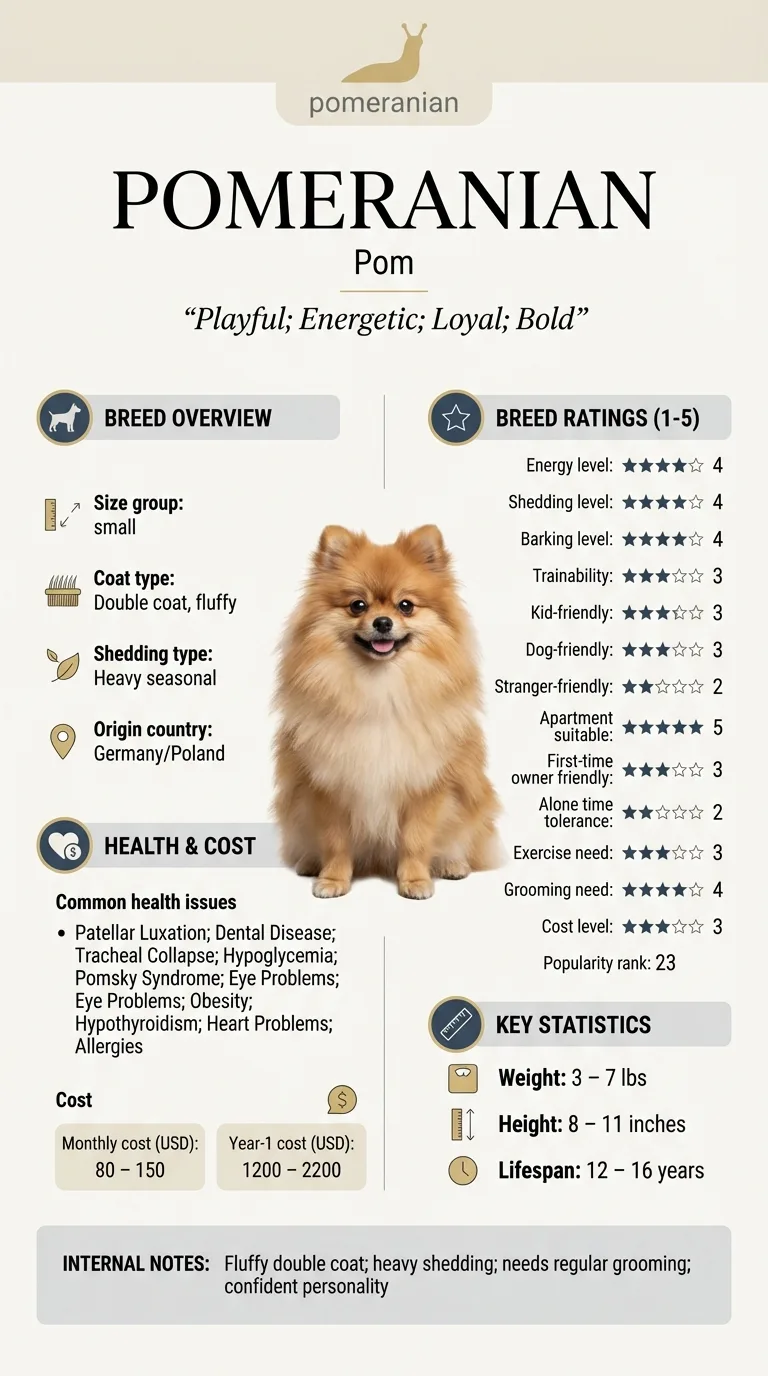
Pomeranian owners, especially those with senior dogs or pets showing signs of vision problems, often face challenges with PRA. If your pup seems disoriented or hesitant in familiar surroundings, this issue may be at play.
This guide is not medical advice. If your dog shows pain, sudden behavior change, or worsening symptoms, consult a licensed veterinarian.
Some links may be affiliate links. We may earn a commission at no extra cost to you. We only suggest products we believe are helpful for dog owners.
We research and check what we publish, but we do not warrant that any figure, date, price, or statement is accurate, complete, or current, and we accept no liability for any loss, cost, injury, or other harm arising from the use of this site. Use it as one reference among several. You remain responsible for your own decisions and for your dog's care - confirm anything that matters with a licensed veterinarian or another qualified professional before you act on it. Full disclaimer.
Check this first
Understanding when Pomeranian progressive retinal atrophy (PRA) is an emergency can help you take the right actions quickly. Red flags include sudden changes in vision, such as your Pomeranian bumping into objects or becoming unusually hesitant in familiar areas. If your dog shows signs of pain or distress in their eyes, it's crucial to contact your vet immediately.
Mild cases of PRA can often be monitored. If your Pomeranian seems to have difficulty seeing in dim light or is occasionally disoriented, you might keep a close watch. Creating a safe environment for them is key. Make sure their living space is free of obstacles and provide support through gentle guidance.
It's important to differentiate between urgent signs and those that can wait. If your Pomeranian has a gradual decline in vision without any other concerning symptoms, you can schedule a vet visit for a later date. However, if they also show signs like squinting, redness, or excessive tearing, those are reasons to seek immediate care.
If any of these apply, call your vet or an emergency clinic now. The rest of this page is for the cases that are not an emergency.
Pomeranian progressive retinal atrophy (PRA) is a serious eye condition that leads to gradual vision loss. Day-to-day, you may notice your Pomeranian struggling to navigate their environment, bumping into furniture or getting disoriented in familiar spaces. This can be distressing for both you and your dog, as they rely heavily on their sight to feel safe and secure.
PRA is relatively common in Pomeranians, with studies showing that around 10-15% of this breed may develop some form of the condition. Being aware of this risk can help you monitor your dog for early signs and seek veterinary advice promptly.
Pomeranians are prone to genetic eye issues, including progressive retinal atrophy (PRA). This breed has a history of inherited conditions that can affect their eyesight. The compact size and structure of their eyes can make them more vulnerable to such diseases.
Environmental factors like poor lighting and lack of mental stimulation can exacerbate eye issues. If a Pomeranian spends too much time in dark or dimly lit areas, their eyesight may worsen. Stressful environments can also affect their overall health, including vision.
If you notice rapid changes in your Pomeranian's vision or behavior, consult your vet immediately. They can provide a proper diagnosis and recommend treatments or interventions for progressive retinal atrophy.
Avoiding these common mistakes can help improve your Pomeranian's experience with progressive retinal atrophy (PRA). Here are key behaviors to avoid.
Start here: Pomeranian Most Common Genetic Disorders: What to Screen For
See all Pomeranian health problems, which breeds are prone to progressive retinal atrophy pra, or the full Pomeranian breed guide for temperament, exercise needs and ownership costs.
Managing Pomeranian progressive retinal atrophy (PRA) typically takes several months to years, depending on the dog's age and severity of the condition. Early intervention can help slow progression and improve quality of life.
Success means your Pomeranian adapts to vision changes, maintains a good quality of life, and enjoys their daily routine despite the challenges posed by PRA.
Sarah, a devoted dog mom, noticed her Pomeranian, Max, bumping into furniture and being hesitant on walks. After a vet visit, she learned about progressive retinal atrophy (PRA). Initially overwhelmed, she began creating a safe environment for Max by rearranging furniture and using tactile cues. She also joined a local support group for owners of dogs with PRA, sharing tips and experiences. With time, Max learned to navigate his space confidently, and their bond deepened as they adapted together.
Key takeaway: With patience and support, you can help your Pomeranian thrive despite the challenges of PRA.
Common signs of PRA include difficulty seeing in low light, changes in behavior, and bumping into objects. You may also notice your Pomeranian becoming hesitant to navigate new environments. Observing these signs early can lead to better management.
While there is no cure for Pomeranian progressive retinal atrophy (PRA), you can make adjustments to help your dog adapt. Keep your home environment consistent, avoid moving furniture, and use cues to guide them. Positive reinforcement training can also help them cope.
Not all Pomeranians will develop PRA, as it is hereditary. The age of onset and severity can vary between dogs. Regular vet check-ups can help monitor eye health and catch potential issues early.
Yes, training is still possible for Pomeranians with progressive retinal atrophy (PRA). Focus on using verbal commands and tactile cues. Consistent training can help maintain their confidence and quality of life.
Unfortunately, Pomeranian progressive retinal atrophy (PRA) is genetic and cannot be prevented. However, responsible breeding practices can help reduce the incidence of this condition. Always choose a reputable breeder who screens for genetic issues.
Yes, older Pomeranians can develop progressive retinal atrophy (PRA). This genetic condition may not show symptoms until later in life, so it's important to monitor your dog's vision as they age. If you notice signs of vision loss, consult your vet for a thorough examination.
Early signs of progressive retinal atrophy (PRA) in Pomeranians include difficulty seeing in low light, bumping into objects, and changes in behavior like increased clumsiness. If you observe these symptoms, it’s crucial to get your dog evaluated by a veterinarian to confirm the diagnosis and discuss potential management options.
Helping your Pomeranian adjust to vision loss from PRA involves creating a safe environment. Use consistent paths at home, avoid rearranging furniture, and consider using tactile markers for guidance. Training with commands can also assist them in navigating their surroundings more confidently.
Currently, there is no cure for progressive retinal atrophy (PRA) in Pomeranians. Management focuses on helping your dog adapt to vision loss. Regular vet check-ups can also help monitor their health and any related conditions that may arise.
If you suspect your Pomeranian has progressive retinal atrophy (PRA), it's essential to schedule a vet appointment as soon as possible. Your vet can perform tests to diagnose the condition and discuss the best ways to support your dog throughout their journey with vision loss.
Ensure your home is safe and familiar for your dog. Use consistent commands and guide them gently when needed. Consider consulting a vet for vision assessments.
Managing Pomeranian progressive retinal atrophy (PRA) can vary, but expect to pay for regular vet visits, which could range from $80 to $150 monthly. Additional costs may include specialized foods or supplements.
Create a stable environment by keeping furniture in the same place and using scent markers. Engage your Pomeranian with verbal cues and tactile guidance to help them navigate.
Regular eye exams are crucial for Pomeranians with PRA. It's important to monitor their overall health and consult a vet about any concerns regarding their vision.
A one-page prep sheet for this condition: the signs, the questions to ask, what to get priced. Unlocks here.
You get: Vet visit prep sheet
No spam. One-click unsubscribe. See our privacy policy.
See a sample page before you decide.
Early access list
The free prep sheet covers the same-day warning signs, a symptom log and the questions to ask. We are considering a fuller kit that adds a cost worksheet for the usual tests and treatments (US price ranges with their sources) and a plain-English guide to ways of covering the bill. It is not built yet; this list tells us whether it is worth building.
One email, no spam, unsubscribe anytime. Information only, not veterinary advice.