Behavior
What are some quick tips for Pomeranian pregnancy complications?
Keep your Pomeranian calm, provide a nutritious diet, and schedule regular vet check-ups. This helps monitor health and catch any potential issues early.

Quick answer
What are some quick tips for Pomeranian pregnancy complications?
Keep your Pomeranian calm, provide a nutritious diet, and schedule regular vet check-ups. This helps monitor health and catch any potential issues early.
Pomeranian pregnancy complications can be serious and worrying for owners.
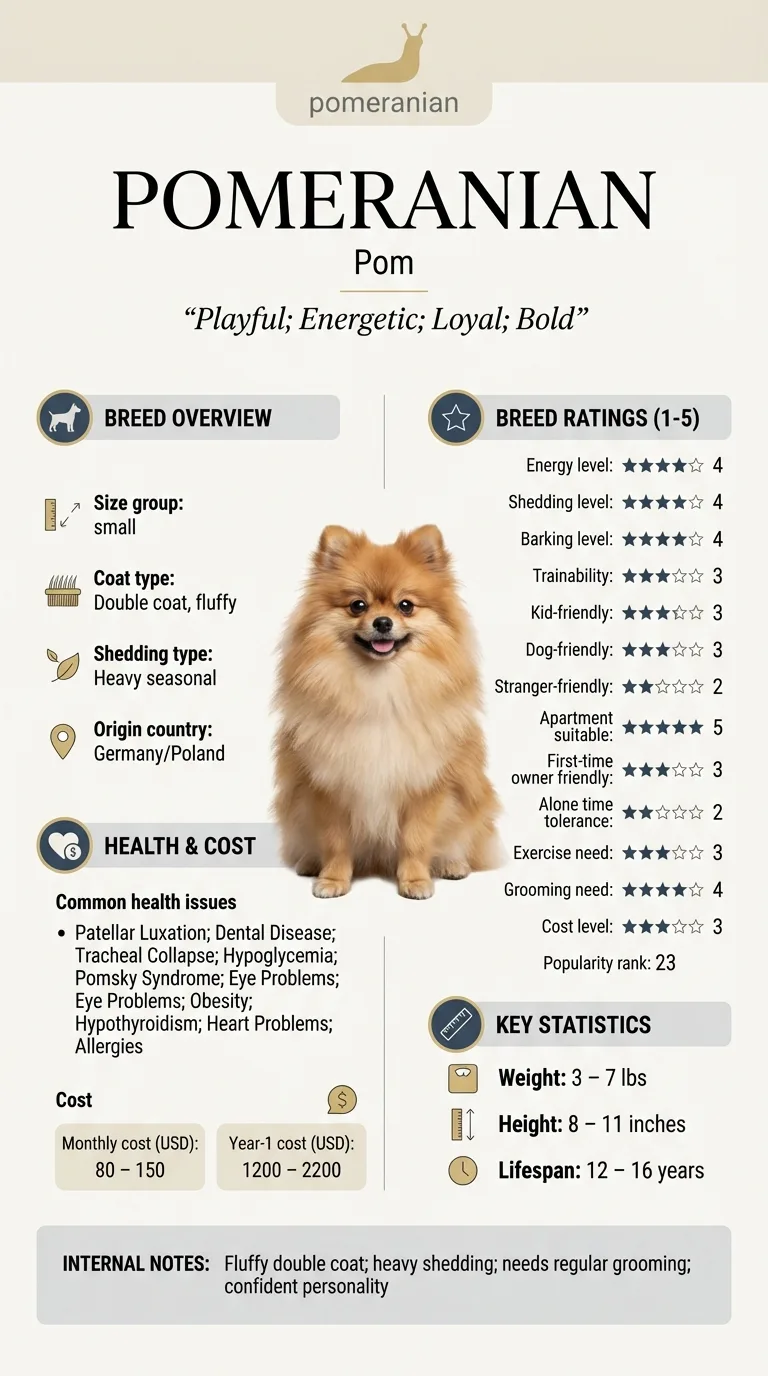
New Pomeranian owners or those with little experience in breeding may find themselves unprepared for the challenges that come with pregnancy complications. Additionally, owners of Pomeranians with pre-existing health issues may face heightened risks during pregnancy.
This guide is not medical advice. If your dog shows pain, sudden behavior change, or worsening symptoms, consult a licensed veterinarian.
Some links may be affiliate links. We may earn a commission at no extra cost to you. We only suggest products we believe are helpful for dog owners.
We research and check what we publish, but we do not warrant that any figure, date, price, or statement is accurate, complete, or current, and we accept no liability for any loss, cost, injury, or other harm arising from the use of this site. Use it as one reference among several. You remain responsible for your own decisions and for your dog's care - confirm anything that matters with a licensed veterinarian or another qualified professional before you act on it. Full disclaimer.
Check this first
Pomeranian pregnancy complications can vary in severity. It's crucial to know when to act quickly and when you can monitor the situation at home. If your pregnant Pomeranian shows any of the red-flag signs listed below, you should call your vet immediately for guidance.
Signs that require urgent veterinary attention include: - Excessive bleeding during or after whelping. - Signs of distress, such as whining or pacing, that persist for more than a few minutes. - Foul-smelling discharge from the vagina. - Lethargy or unresponsiveness. - Seizures or fainting.
If your Pomeranian is experiencing mild complications, such as slight discomfort or minor discharge, you can usually monitor her at home. Keep a close eye on her behavior and take notes on any changes. It’s often helpful to have a plan in place, which includes checking her temperature, appetite, and activity level regularly.
Remember that while mild cases can sometimes resolve without intervention, your vet is the best source for advice. If you're ever in doubt, it's better to err on the side of caution and consult a professional. The health of both your Pomeranian and her puppies is the top priority.
If any of these apply, call your vet or an emergency clinic now. The rest of this page is for the cases that are not an emergency.
Pomeranian pregnancy complications can be a serious issue that affects both the mother and her puppies. Common signs include distress, abnormal discharge, or lack of appetite. These complications can arise from various factors, including genetics and overall health, and can be distressing for owners who want a smooth pregnancy for their furry friends.
Pomeranian pregnancy complications are relatively common due to their small size and specific health vulnerabilities. Breeding Pomeranians can lead to complications that are reported at a rate of 419% higher than in larger breeds. Therefore, it's essential for owners to be vigilant and proactive during the pregnancy.
Pomeranians, like other small breeds, can face significant risks during pregnancy due to their size. Their narrow pelvis may not accommodate larger puppies, leading to complications. Additionally, some Pomeranians may inherit genetic predispositions to certain health issues that can complicate pregnancy.
Stressful environments can exacerbate pregnancy complications in Pomeranians. Factors such as loud noises, sudden changes, or lack of a comfortable space can negatively impact their well-being. Poor nutrition or inadequate veterinary care during pregnancy can also lead to serious issues.
If you notice any unusual symptoms, such as excessive panting, lack of appetite, or signs of distress, reach out to your vet immediately. They can provide medical advice and determine if further intervention is necessary.
Avoiding certain behaviors can help manage Pomeranian pregnancy complications more effectively. Here are common mistakes to watch out for and safer alternatives.
Start here: Pomeranian Most Common Genetic Disorders: What to Screen For
See all Pomeranian health problems, which breeds are prone to pregnancy complications, or the full Pomeranian breed guide for temperament, exercise needs and ownership costs.
If you start addressing Pomeranian pregnancy complications as soon as you notice signs, you could see improvements within a few weeks. However, it may take a few months to fully stabilize the pregnancy and ensure the health of the mother and puppies.
Success looks like a healthy pregnancy with minimal complications, where the mother is comfortable and the puppies are born healthy. Regular vet check-ups and monitoring will help achieve this.
When Sarah, a first-time dog owner, noticed her Pomeranian Bella acting unusually lethargic during her pregnancy, she immediately grew concerned. After consulting with her vet, she learned about common Pomeranian pregnancy complications. By following the vet's advice, including adjusting Bella's diet and creating a calm environment, Sarah saw Bella's energy levels improve significantly. After a few weeks, Bella gave birth to three healthy puppies, and Sarah felt relieved and proud of her proactive approach.
Key takeaway: Early intervention and proper care can make all the difference when dealing with Pomeranian pregnancy complications. Always consult a vet if you notice any unusual behavior during your dog's pregnancy.
Pomeranian pregnancy complications can arise from various factors, including genetic predispositions and health issues. Small breeds like Pomeranians may face higher risks during pregnancy due to their size and potential for delivery difficulties. Regular vet check-ups can help identify and manage these risks.
Signs of complications include excessive bleeding, lethargy, loss of appetite, or difficulty in delivering puppies. If your Pom shows any of these symptoms, consult your vet immediately for a thorough evaluation. Early detection is critical in managing potential issues.
Preventive care starts with providing a balanced diet and ensuring your Pomeranian is at a healthy weight. Regular vet visits are essential for monitoring health throughout the pregnancy. Additionally, avoiding stressful situations can help reduce the risk of complications.
If complications occur, contact your veterinarian right away. They may recommend immediate medical intervention or a visit for further assessment. Being proactive can significantly improve outcomes for both the mother and the puppies.
Training techniques can include creating a calm environment and teaching your Pomeranian to feel secure. Positive reinforcement for gentle behaviors can also help reduce anxiety during pregnancy. Consult a trainer familiar with pregnancy-related issues for tailored advice.
To prepare your Pomeranian for a healthy pregnancy, ensure she has a balanced diet and regular vet check-ups. It’s also helpful to create a calm environment and monitor her behavior closely during this time.
You should take your Pomeranian to the vet for routine check-ups and if you notice any concerning symptoms. Additionally, emergency visits are necessary if she experiences severe discomfort or distress.
Yes, smaller Pomeranians or those with pre-existing health issues may face higher risks during pregnancy. Regular vet visits and monitoring can help manage these risks effectively.
Yes, pregnancy complications can lead to anxiety and stress in Pomeranians, potentially causing behavioral issues. Providing a stable environment and consulting a trainer can help address these problems.
Keep your Pomeranian calm, provide a nutritious diet, and schedule regular vet check-ups. This helps monitor health and catch any potential issues early.
Be prepared for additional vet visits and possible emergency care, which can range from $200 to $1,000. Setting aside a budget will help alleviate financial pressure.
Keep an eye out for signs of hypoglycemia, obesity, and dental disease, as these can exacerbate pregnancy complications. Regular vet check-ups can help manage these risks.
A one-page prep sheet for this condition: the signs, the questions to ask, what to get priced. Unlocks here.
You get: Vet visit prep sheet
No spam. One-click unsubscribe. See our privacy policy.
Preview page 1 before you decide.