Behavior
What should I do if my Pomeranian limps?
If your Pomeranian limps, limit their activity and consult your vet for a full evaluation. Early intervention can prevent further issues.
Pomeranian patellar luxation is a common knee issue that can cause pain and mobility problems.
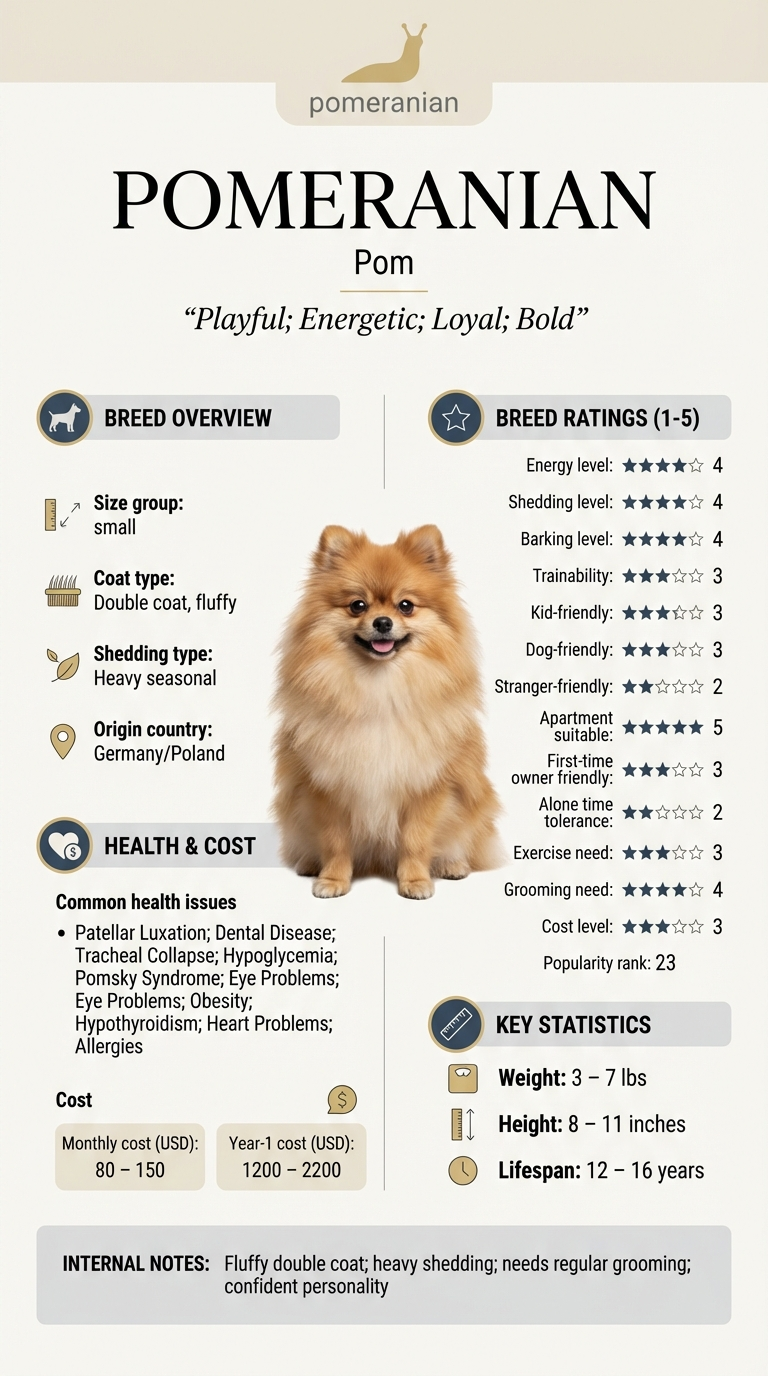
Owners of Pomeranians, especially first-time dog parents, often face this challenge. If your Pom is limping or reluctant to play, you might be dealing with patellar luxation.
This guide is not medical advice. If your dog shows pain, sudden behavior change, or worsening symptoms, consult a licensed veterinarian.
Some links may be affiliate links. We may earn a commission at no extra cost to you. We only suggest products we believe are helpful for dog owners.
Pomeranian patellar luxation is a common issue where the kneecap dislocates or moves out of its normal position. This condition can cause your Pom to limp or skip when walking, and they may show signs of pain or discomfort. It’s particularly prevalent in small breeds like Pomeranians due to their size and build.
About 20% of Pomeranians experience some degree of patellar luxation in their lifetime. This makes it one of the more frequent health issues for this breed, often requiring management or treatment.
Pomeranians are small dogs with unique body structures. Their knee joints may not develop properly, leading to patellar luxation. This issue can be more common in certain small breeds, including the Pom.
Environmental factors like obesity can worsen patellar luxation. Additionally, excessive jumping or rough play can put stress on their fragile joints, increasing the risk of dislocation.
If your Pomeranian shows consistent difficulty with mobility or if training for gentle play becomes a challenge, consider enlisting a professional trainer. They can help create a tailored training plan for your Pom.
If your Pomeranian frequently shows signs of limping, pain, or reluctance to move, it’s time to consult your vet. They can assess the severity of the luxation and recommend treatment options, which may include physical therapy or surgery.
If you start treatment immediately, you can expect to see improvements in your Pomeranian's mobility and comfort within 4 to 6 weeks. However, full recovery may take several months, especially if surgery is needed.
Success means your Pomeranian can move comfortably without pain, showing increased activity and playfulness. You'll also notice less limping and more stable knee function.
Avoiding these common mistakes can help you manage your Pomeranian's patellar luxation more effectively.
Recognizing when Pomeranian patellar luxation becomes an emergency is crucial for your dog's health. There are specific signs you should watch for that require immediate veterinary attention. If your Pomeranian is showing severe limping, refusing to put weight on a leg, or is in obvious pain, you should call your vet right away. Additionally, if you notice any swelling around the knee or if your dog appears to be in distress, don't hesitate to seek help.
On the other hand, if your Pomeranian occasionally skips a leg or seems to have mild, intermittent limping, it may not be an immediate concern. You can monitor these cases at home by observing your dog's behavior and keeping track of any changes. Regular gentle exercise and weight management can help alleviate some discomfort. However, if the symptoms persist or worsen over time, consult your vet for further evaluation and advice.
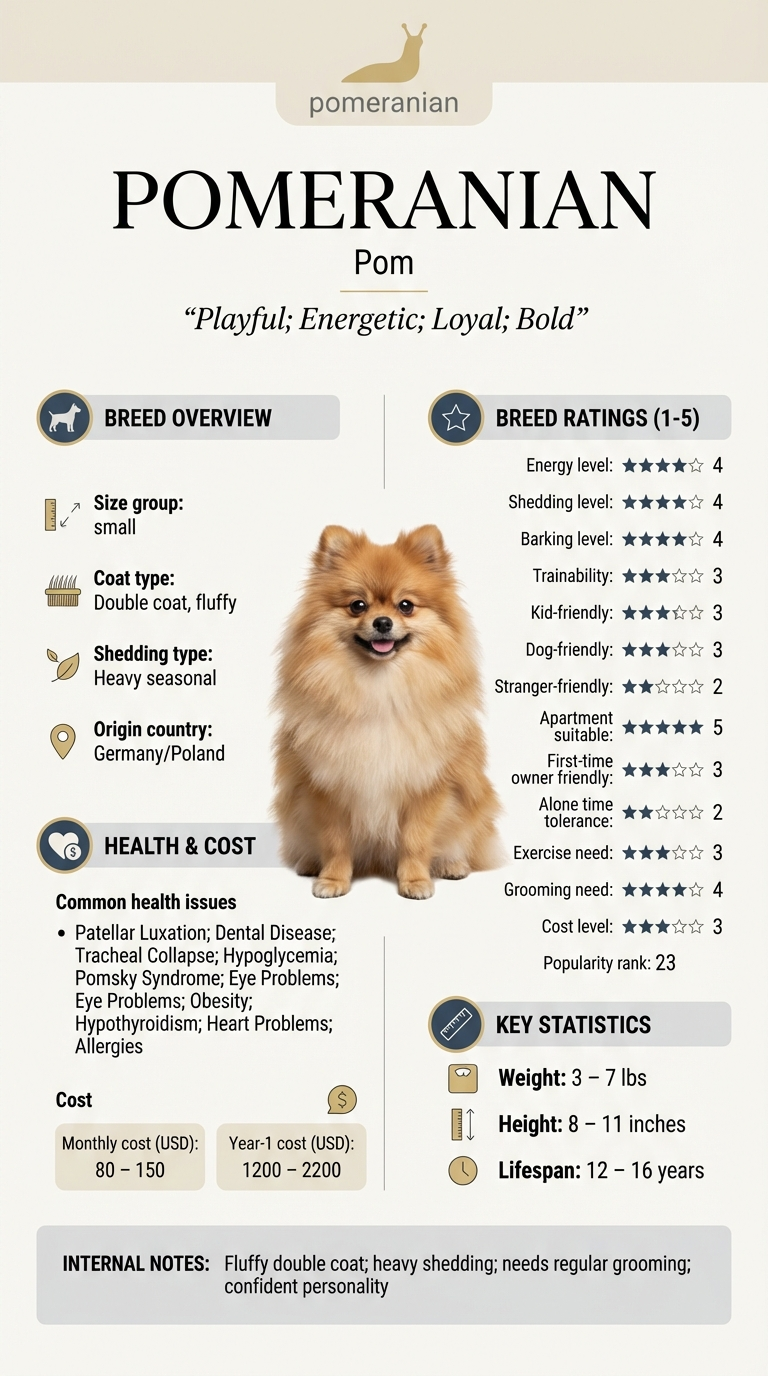
Emily, a busy nurse in Seattle, noticed her Pomeranian, Bella, limping and struggling to jump onto the couch. After researching, she learned about Pomeranian patellar luxation and took Bella to the vet. They discovered that Bella was experiencing a common knee issue. Emily followed a treatment plan that included physical therapy and weight management. With patience, Bella started showing improvement, and within a few months, she was back to her playful self, happily chasing squirrels in the park.
Key takeaway: Being proactive and following a consistent treatment plan can greatly improve your Pomeranian's quality of life, even with health challenges like patellar luxation.
Pomeranian patellar luxation occurs when the kneecap dislocates. This can be due to genetic factors, poor bone structure, or injury. It's common in small breeds like Pomeranians, especially if they are active.
To manage Pomeranian patellar luxation, keep your dog at a healthy weight and avoid excessive jumping or rough play. Regular vet check-ups are also essential to monitor their knee health and catch any issues early.
Signs include limping, difficulty walking, or a sudden yelp of pain when moving. You might also notice your Pomeranian occasionally holding up one leg or skipping while walking.
Not all cases require surgery; many dogs can manage with weight control and physical therapy. However, if your Pomeranian's condition is severe, your vet might recommend surgery to correct the dislocation.
Pomeranian patellar luxation training can help by reinforcing gentle movement and avoiding activities that strain their knees. Teaching commands like 'slow' can help manage their energy and prevent injuries.
Common signs of Pomeranian patellar luxation include limping, difficulty jumping, or sudden changes in activity levels. You might notice your Pom occasionally holding up a leg or having difficulty getting up after resting. If these symptoms occur, it’s best to consult your vet for an evaluation.
Yes, older Pomeranians can develop patellar luxation due to wear and tear on their joints over time. If your senior Pom shows any signs of discomfort or changes in mobility, it’s important to seek veterinary advice. Early intervention can help manage pain and improve their quality of life.
A vet typically diagnoses Pomeranian patellar luxation through a physical examination and may perform X-rays to assess the severity. They will check for any signs of knee instability or dislocation. Accurate diagnosis helps determine the best course of action for treatment.
To help your Pomeranian with patellar luxation, maintain a healthy weight and provide low-impact exercise to strengthen their muscles. Additionally, consider joint supplements or specific training techniques. Consult your vet for a tailored plan that fits your Pom’s needs.
Not always. Surgery for Pomeranian patellar luxation is generally recommended for severe cases where the dog experiences pain or mobility issues. Many mild cases can be managed with weight management, physical therapy, and lifestyle adjustments. Always discuss your options with your vet.
If your Pomeranian limps, limit their activity and consult your vet for a full evaluation. Early intervention can prevent further issues.
To help your Pomeranian lose weight, provide a balanced diet and regular, gentle exercise. Consult your vet for a tailored weight-loss plan.
Keep your Pomeranian's weight in check, avoid stairs when possible, and limit jumping. Regular vet visits are crucial for monitoring their knee health.