Health
How to stop Pomeranian myxomatous mitral valve disease (mmvd)?
While you can't stop mmvd, you can manage it through regular vet visits and medication. Keeping your dog calm and healthy is crucial.

Quick answer
How to stop Pomeranian myxomatous mitral valve disease (mmvd)?
While you can't stop mmvd, you can manage it through regular vet visits and medication. Keeping your dog calm and healthy is crucial.
Pomeranian myxomatous mitral valve disease (MMVD) is a common heart condition that can significantly affect your dog's health.
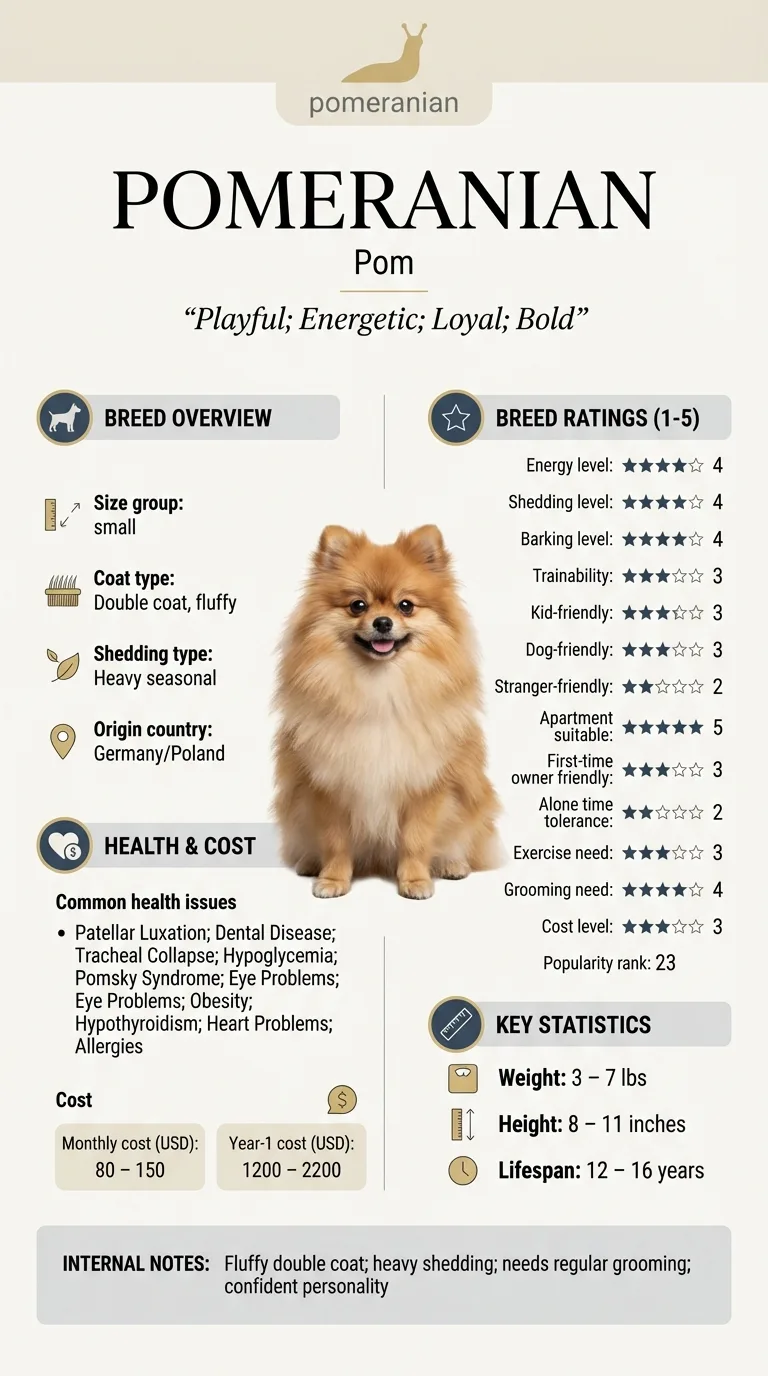
Typical owners facing this issue often include first-time pet parents and individuals unaware of their Pomeranian's health risks. Busy families may also overlook early symptoms, making it vital to stay informed about this significant health concern.
This guide is not medical advice. If your dog shows pain, sudden behavior change, or worsening symptoms, consult a licensed veterinarian.
Some links may be affiliate links. We may earn a commission at no extra cost to you. We only suggest products we believe are helpful for dog owners.
We research and check what we publish, but we do not warrant that any figure, date, price, or statement is accurate, complete, or current, and we accept no liability for any loss, cost, injury, or other harm arising from the use of this site. Use it as one reference among several. You remain responsible for your own decisions and for your dog's care - confirm anything that matters with a licensed veterinarian or another qualified professional before you act on it. Full disclaimer.
Check this first
Recognizing when Pomeranian myxomatous mitral valve disease (MMVD) is an emergency can save your dog's life. If you notice any of the following red-flag signs, it’s crucial to call your vet immediately. These signs include difficulty breathing, persistent coughing, sudden lethargy, or fainting spells. Additionally, if your Pomeranian has swelling in the abdomen or appears to have a bluish tint to their gums, don’t hesitate to seek help.
On the other hand, there are mild cases of MMVD that you can monitor, but you should still have a plan. If your Pomeranian shows mild coughing that isn’t persistent, slight changes in energy levels, or minor fluctuations in appetite, keep a close eye on them. Regular vet check-ups are essential to track the progression of the disease. Make sure to document any changes in their behavior or health to discuss during your next vet visit.
It’s all about finding that balance. Always err on the side of caution when it comes to your furry friend’s health. If you're ever unsure, it's better to consult your vet than to wait and worry. They can provide guidance tailored to your Pomeranian’s specific needs and condition, ensuring you make informed decisions about their care.
If any of these apply, call your vet or an emergency clinic now. The rest of this page is for the cases that are not an emergency.
Pomeranian myxomatous mitral valve disease (MMVD) is a common heart condition that affects many members of this breed. Day-to-day, dogs with MMVD may show signs of lethargy, coughing, or difficulty breathing. These symptoms can vary in severity, making it important for owners to monitor their Pomeranian's health closely.
MMVD is highly prevalent in Pomeranians, especially as they age. Studies suggest that a significant percentage of older Pom breeds exhibit signs of this condition, making it crucial for owners to be aware of potential symptoms and seek veterinary care early.
Pomeranians are prone to myxomatous mitral valve disease (MMVD) due to their genetic makeup. This heart condition is common in small breeds, and Pomeranians, with their small size and specific health predispositions, are particularly affected. Age is also a significant factor, as older Pomeranians are more likely to develop this disease.
Environmental factors can exacerbate MMVD in Pomeranians. Stressful situations, poor nutrition, and lack of exercise can contribute to heart issues. Additionally, exposure to secondhand smoke or pollutants may negatively impact their heart health.
Talk to your vet if you notice any symptoms of MMVD or if your Pomeranian is having difficulty with normal activities. Early intervention is vital to manage heart health effectively.
Avoiding these common mistakes can help improve your Pomeranian's condition.
Start here: Pomeranian Most Common Genetic Disorders: What to Screen For
See all Pomeranian health problems, which breeds are prone to myxomatous mitral valve disease mmvd, or the full Pomeranian breed guide for temperament, exercise needs and ownership costs.
Managing Pomeranian myxomatous mitral valve disease (mmvd) is an ongoing process. Initial improvements in your dog's condition can take 3 to 6 months with proper care and vet guidance. Long-term management will likely require regular check-ups and adjustments to treatment as your dog ages.
Success looks like your Pomeranian maintaining a stable heart condition, enjoying a good quality of life, and showing minimal symptoms. You’ll likely notice improved energy levels and less coughing as you work with your vet for the best treatment plan.
When Sarah adopted her Pomeranian, Maggie, she noticed her pup had a persistent cough. After a vet visit, Maggie was diagnosed with myxomatous mitral valve disease (mmvd). At first, Sarah felt overwhelmed, but she committed to following the vet's advice and adjusted Maggie's diet and medication. Over several months, Maggie's cough lessened, and she became more playful. With consistent vet visits and a tailored care plan, both Sarah and Maggie found a new rhythm in their lives.
Key takeaway: With dedication and a solid vet partnership, you can manage your Pomeranian's mmvd effectively, leading to a happier, healthier life.
Myxomatous mitral valve disease (mmvd) is a common heart condition in Pomeranians, often due to genetic factors. It typically develops as dogs age, leading to valve deterioration. Regular vet check-ups can help catch this early. This answer relates to Pomeranian myxomatous mitral valve disease (mmvd).
To manage mmvd, work closely with your vet on a treatment plan. This might include medication to help the heart function better and regular monitoring. Keeping your Pom calm and reducing stress is also essential.
Symptoms can include coughing, difficulty breathing, and lethargy. You might also notice a decreased appetite or weight loss. If you see any of these signs, contact your vet immediately.
While you can't fully prevent mmvd, you can reduce risk factors. Regular check-ups, a balanced diet, and appropriate exercise can help. Genetic testing is also an option to identify risk.
Provide a calm environment and stick to a routine. Regular vet visits for heart health checks are crucial. You may also consider specific training techniques to help your Pom stay relaxed.
MMVD can impact your Pomeranian's lifespan depending on severity and management. With proper care, many Pomeranians live comfortable lives even with this condition. Early detection and treatment are key.
Symptoms of myxomatous mitral valve disease in Pomeranians can include coughing, difficulty breathing, and lethargy. You might also notice decreased exercise tolerance or a bloated abdomen. If you observe any of these signs, consult your vet promptly.
Yes, myxomatous mitral valve disease is believed to have a genetic component in Pomeranians. It's more common in older dogs, so if you have a younger Pom, you may not need to worry as much. However, regular vet check-ups can help monitor their heart health.
Managing myxomatous mitral valve disease at home includes providing a low-sodium diet and ensuring your Pom gets moderate exercise. Keep an eye on their weight and avoid strenuous activities. Regular vet visits are essential for monitoring their condition.
Many Pomeranians with myxomatous mitral valve disease can live comfortable lives with proper management. Regular veterinary care and medication can help control symptoms and improve quality of life. Each dog's situation is unique, so work closely with your vet.
Yes, if your older Pomeranian shows signs of myxomatous mitral valve disease, it's important to consult your vet. Early detection can lead to better management options. Regular check-ups are crucial for older dogs to catch potential health issues early.
While you can't stop mmvd, you can manage it through regular vet visits and medication. Keeping your dog calm and healthy is crucial.
Stay vigilant for symptoms like coughing or lethargy. Regular check-ups can help catch issues early.
Focus on training that encourages calm behavior and reduces stress. Positive reinforcement methods work well.
A one-page prep sheet for this condition: the signs, the questions to ask, what to get priced. Unlocks here.
You get: Vet visit prep sheet
No spam. One-click unsubscribe. See our privacy policy.
Preview page 1 before you decide.