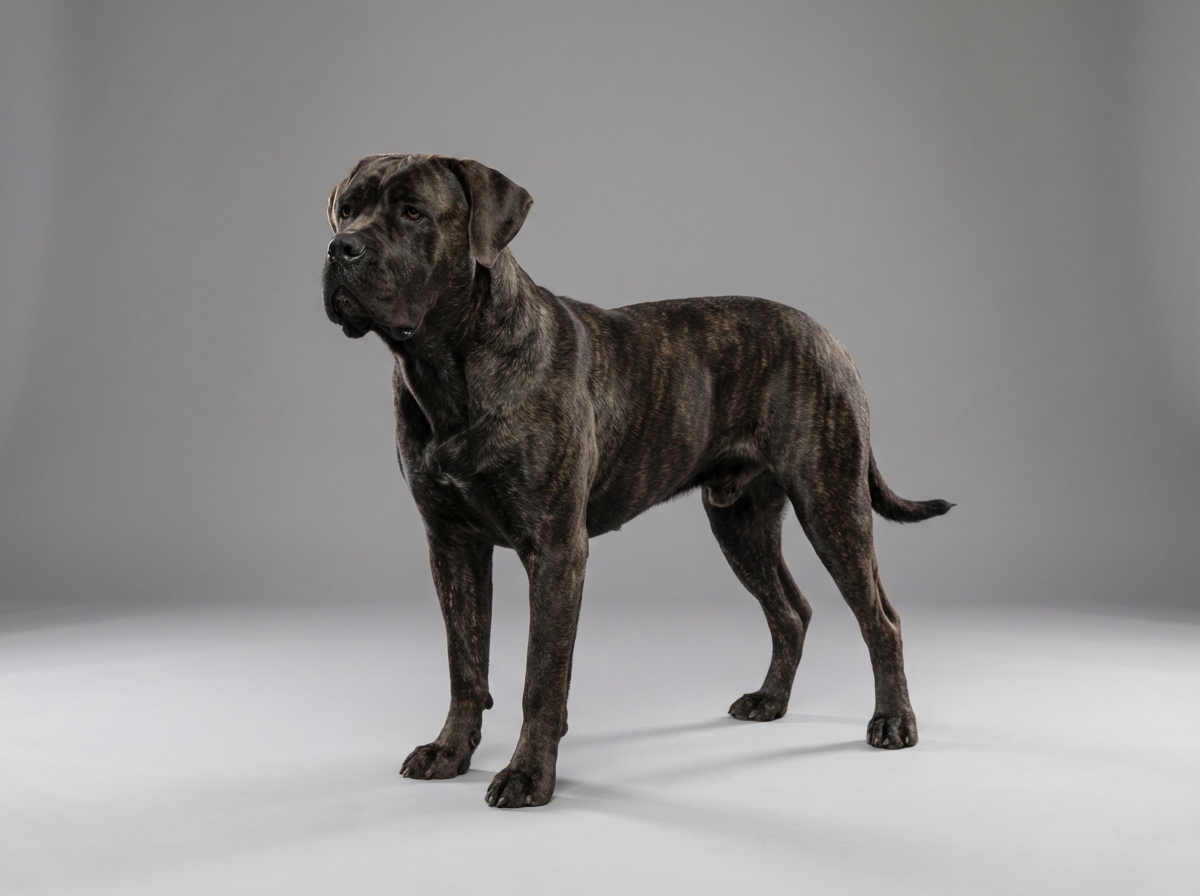
What are quick tips for Pomeranian legg-calvé-perthes disease?
Limit your dog's activity and provide a comfortable space for rest. Regular vet visits are crucial for monitoring the condition and adjusting treatment.
Pomeranian legg-calvé-perthes disease is a serious condition affecting their hip bones. This disease can lead to pain and mobility issues in your furry friend.

Owners of Pomeranians, especially first-time pet parents, often struggle with this condition. They may notice their dog showing signs of pain or reduced activity, leading to confusion about how to help.
This guide is not medical advice. If your dog shows pain, sudden behavior change, or worsening symptoms, consult a licensed veterinarian.
Some links may be affiliate links. We may earn a commission at no extra cost to you. We only suggest products we believe are helpful for dog owners.
Pomeranian legg-calvé-perthes disease is a painful condition affecting the hip joint, commonly seen in this small breed. Owners may notice limping, difficulty jumping, or reluctance to play. These symptoms can lead to a significant decrease in activity and quality of life for your pup.
This condition is relatively common in Pomeranians, particularly those between 4 to 6 months old. Approximately 1 in 1,000 Pomeranians may be affected, making it important for owners to be aware and proactive.
Pomeranians are small dogs, which makes them more prone to certain health issues, including Legg-Calvé-Perthes disease. Their genetic makeup can lead to hip joint problems, resulting in necrosis of the hip bone. Additionally, a lack of proper exercise can exacerbate these conditions.
Environmental factors can also contribute to Legg-Calvé-Perthes disease. For instance, if a Pomeranian lives in a crowded space without enough room to move freely, they might not get adequate exercise. Stressful situations, like frequent loud noises, can increase anxiety and lead to further mobility issues.
If your Pomeranian shows signs of anxiety or discomfort while moving, consider working with a professional trainer who specializes in small dog behavior. They can help you develop a tailored exercise plan that keeps your dog active without risking further injury.
Consult your vet if you notice limping, difficulty getting up, or reluctance to walk. These signs could indicate worsening Legg-Calvé-Perthes disease or another health issue. Early intervention is crucial to manage pain and improve mobility.
It typically takes 4 to 12 weeks of consistent care and training to see improvement in your Pomeranian's symptoms and behavior.
Success means your Pomeranian is more comfortable, can move around without significant pain, and is showing increased energy and playfulness.
Avoiding these common mistakes can help manage your Pomeranian's legg-calvé-perthes disease more effectively.
Recognizing when Pomeranian legg-calvé-perthes disease is an emergency can be crucial for your pet's health. If your Pom shows severe pain, limping, or refuses to bear weight on a leg, these are red-flag signs that require immediate veterinary attention. Other signs include swelling around the hip joint, sudden changes in behavior, or difficulty standing up.
In contrast, if your Pomeranian has mild limping that improves with rest and shows no signs of distress, you can monitor their condition at home. Keeping your dog calm and limiting their activity can help. If you notice any worsening symptoms or if the limp persists, it’s best to consult your vet for guidance.
Always err on the side of caution. If you're unsure whether the situation is serious, it's better to call your vet and discuss your concerns. They can provide the best advice tailored to your dog's specific needs.

Emma, a busy nurse in San Diego, noticed that her Pomeranian, Charlie, had been limping and seemed less energetic. After a vet diagnosis of legg-calvé-perthes disease, she felt overwhelmed by the treatment options. Emma decided to follow a structured approach, which included physical therapy exercises, weight management, and a strict diet. She set aside time each day for Charlie's therapy and noticed improvements after a few weeks. By keeping a positive attitude and being consistent, Charlie began to play more and even started running around the yard. Emma learned that patience and dedication really paid off.
Key takeaway: With the right care and consistency, you can significantly improve your Pomeranian's quality of life when dealing with legg-calvé-perthes disease.
Pomeranian legg-calvé-perthes disease is a condition that affects the hip joint, leading to necrosis of the hip bone. This can cause pain and mobility issues in your dog. It's most commonly seen in small breeds like Pomeranians.
The exact cause of legg-calvé-perthes disease isn't fully understood, but it is believed to be related to blood supply issues to the hip joint. Genetic factors may also play a role. If your dog has this condition, consult your vet for a proper diagnosis and treatment plan.
To help your Pomeranian, you can start by reducing their physical activity to avoid stressing the hip joint. Regular vet check-ups are crucial for monitoring the condition. Your veterinarian may recommend pain management options or even surgery in severe cases.
Focus on gentle, low-impact training techniques, like basic commands and mental stimulation games. Avoid high-energy activities that could worsen your dog's condition. Positive reinforcement can also help keep your Pomeranian engaged without excessive physical strain.
While some aspects can be managed at home, such as providing a comfortable resting area and limited activity, you should always consult your veterinarian for a comprehensive treatment plan. Home remedies are not a substitute for professional care.
Symptoms include limping, pain when moving, reluctance to walk or play, and, in some cases, muscle atrophy in the hind legs. If you notice these symptoms, schedule a vet visit for an accurate diagnosis and treatment options.
Pomeranians with untreated legg-calvé-perthes disease may suffer from chronic pain and mobility issues. Early intervention can improve outcomes and potentially restore mobility. Regular veterinary care is essential for long-term management.
Early signs of Pomeranian legg-calvé-perthes disease include limping, difficulty in moving, and reluctance to play. If you notice your Pom favoring one leg or showing signs of pain when you touch their hip area, it's essential to consult a vet.
Yes, Pomeranian legg-calvé-perthes disease can occur in older dogs, although it is more common in younger ones. If your older Pomeranian shows signs of discomfort or changes in mobility, a vet visit is crucial for an accurate diagnosis.
Managing pain from Pomeranian legg-calvé-perthes disease often involves medication prescribed by your vet, along with limited activity to prevent strain. Ensure your Pom has a comfortable resting area and monitor their activity levels closely.
Surgery is often recommended for Pomeranian legg-calvé-perthes disease, especially if the dog experiences significant pain or mobility issues. Your vet will discuss the best options based on your dog's specific condition.
While there is no guaranteed way to prevent Pomeranian legg-calvé-perthes disease, ensuring a healthy diet, maintaining a healthy weight, and regular vet check-ups can help. Early detection and intervention are key to managing this condition.
Limit your dog's activity and provide a comfortable space for rest. Regular vet visits are crucial for monitoring the condition and adjusting treatment.
Discuss pain management options with your vet, including medications and lifestyle adjustments to help ease discomfort.
If your Pomeranian limps or seems in pain, contact your veterinarian immediately for an evaluation and treatment plan.
Focus on gentle exercises like short leash walks and basic training to keep them engaged without straining their hips.
A balanced diet can support overall health, but consult your vet for specific dietary recommendations tailored to your dog's needs.