Behavior
What are some quick tips for managing Great Dane epilepsy?
Keep a seizure diary, maintain a consistent routine, and consult your vet for medication options.

Quick answer
What are some quick tips for managing Great Dane epilepsy?
Keep a seizure diary, maintain a consistent routine, and consult your vet for medication options.
Great Dane epilepsy can be a daunting challenge for owners. It's crucial to understand this condition to ensure your dog's well-being.
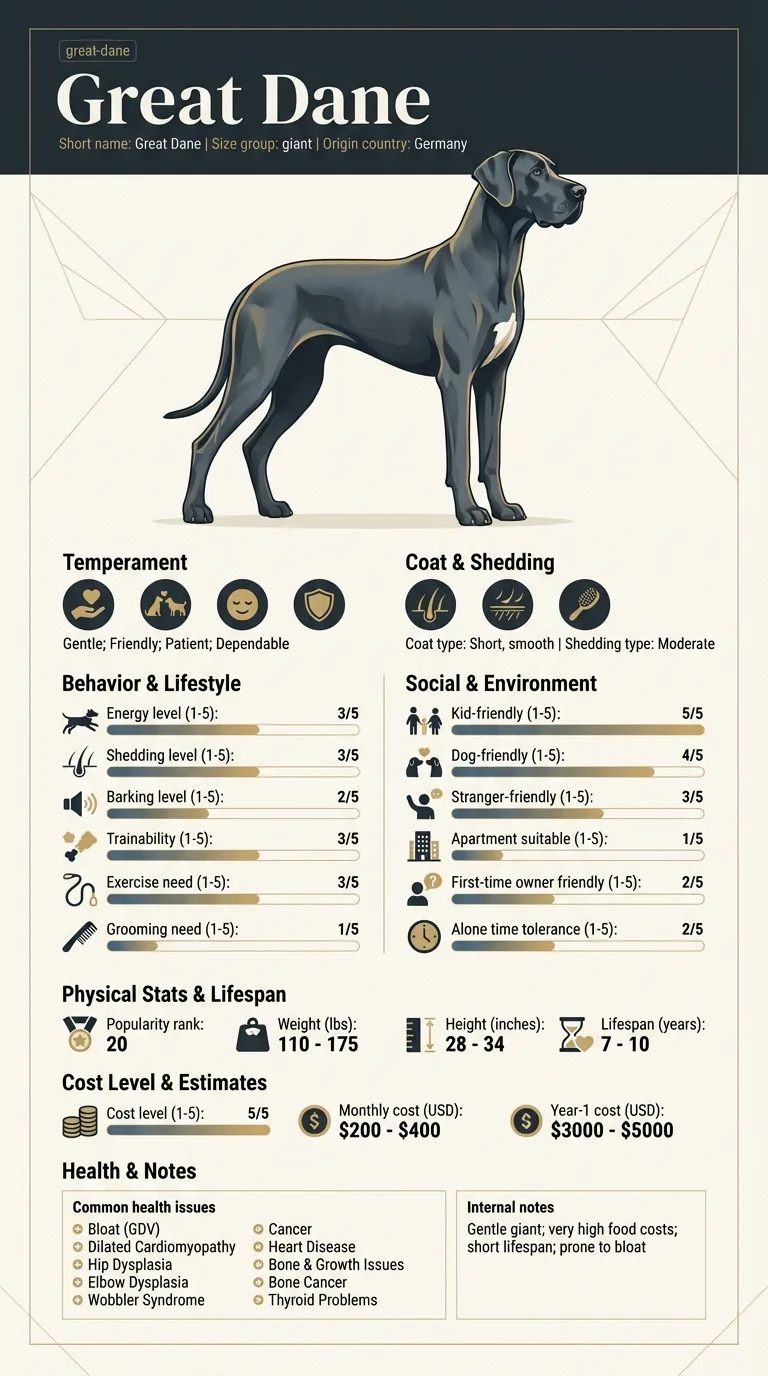
This issue often affects owners of Great Danes, particularly those who may be first-time dog parents. They may feel overwhelmed as they seek ways to manage their dog's health.
This guide is not medical advice. If your dog shows pain, sudden behavior change, or worsening symptoms, consult a licensed veterinarian.
Some links may be affiliate links. We may earn a commission at no extra cost to you. We only suggest products we believe are helpful for dog owners.
We research and check what we publish, but we do not warrant that any figure, date, price, or statement is accurate, complete, or current, and we accept no liability for any loss, cost, injury, or other harm arising from the use of this site. Use it as one reference among several. You remain responsible for your own decisions and for your dog's care - confirm anything that matters with a licensed veterinarian or another qualified professional before you act on it. Full disclaimer.
Check this first
Understanding when Great Dane epilepsy becomes an emergency can save your dog's life. Look for these red-flag signs that indicate you should call your vet immediately. If your Great Dane has a seizure lasting more than five minutes, multiple seizures in a row, or shows signs of severe distress, don’t wait—contact your vet right away.
Other signs that require urgent attention include difficulty breathing, excessive drooling, or if your dog appears unresponsive after a seizure. These could indicate a more serious underlying issue. On the other hand, if your Great Dane has a single seizure that lasts a short time and they seem to recover well afterward, you may be able to monitor them at home.
In milder cases, it’s important to keep a log of the seizure's frequency, duration, and any triggers you notice. This information will be valuable for your vet in managing your dog's epilepsy. You can also work on training and lifestyle adjustments to minimize future episodes. However, never hesitate to seek help if you’re unsure about your dog's condition. Your Great Dane's health and safety should always come first.
If any of these apply, call your vet or an emergency clinic now. The rest of this page is for the cases that are not an emergency.
Great Dane epilepsy can be a serious concern for owners. This condition typically manifests as seizures, which can vary in frequency and severity. Day-to-day, you may notice your Great Dane experiencing sudden muscle twitching, loss of consciousness, or even drooling during these episodes, making life unpredictable for both you and your pet.
Epilepsy is relatively common among Great Danes, with studies suggesting that approximately 1 in 100 dogs may be affected. This breed's susceptibility, combined with other potential health issues, means that owners should be vigilant and proactive in managing their dog's health.
Great Danes can be genetically predisposed to epilepsy. This means that their breed may carry genes that increase the likelihood of developing seizure disorders. Additionally, their large size can influence the severity of symptoms.
Environmental factors like exposure to toxins, trauma, or infections can trigger seizures in Great Danes. Stressful situations, such as loud noises or changes in routine, may also contribute to seizure activity.
If your Great Dane experiences seizures, it's crucial to consult your vet. They can determine if medication or further testing is necessary. Seek immediate veterinary care if seizures last longer than five minutes or if they occur in rapid succession.
Many owners unintentionally make their Great Dane's epilepsy worse. Here are some common mistakes to avoid, along with better alternatives.
Start here: Great Dane Most Common Genetic Disorders: What to Screen For
See all Great Dane health problems, which breeds are prone to epilepsy, or the full Great Dane breed guide for temperament, exercise needs and ownership costs.
Managing Great Dane epilepsy usually takes several months. You may see improvements within 6-12 weeks of starting treatment and follow-up.
Success means having fewer and less severe seizures, along with an overall improvement in your dog's quality of life. You'll also feel more confident in handling their condition.
When Mia, a busy nurse in Seattle, adopted her Great Dane, Max, she was excited to share her home with a gentle giant. However, after a few months, Max experienced his first seizure. Frightened and overwhelmed, Mia quickly researched Great Dane epilepsy and consulted her vet. Together, they created a plan that included medication and specialized training to help Max cope with his condition. Over time, with consistent care and attention, Mia noticed Max's seizures became less frequent. She learned to recognize his triggers and manage his stress levels effectively.
Key takeaway: With the right support and knowledge, you can help your Great Dane manage epilepsy and improve their quality of life.
Great Dane epilepsy can be caused by genetic factors, head trauma, or infections. Many times, the exact cause remains unknown. Regular vet check-ups can help monitor and manage your dog's health.
To manage Great Dane epilepsy, consult your veterinarian about medication options. Treatments can help reduce the frequency and severity of seizures. Keeping a seizure diary can also help identify triggers.
Stay calm and ensure your Great Dane is in a safe area without sharp objects. Avoid putting anything in their mouth and time the seizure. After it ends, comfort your dog and consult your vet for guidance.
Some owners find that a high-quality diet low in carbohydrates helps manage seizures. Consult your vet about a suitable diet plan, as individual needs may vary. Supplements may also be recommended.
Training can help create a calm environment, reducing stress that may trigger seizures. Consider basic obedience training and positive reinforcement methods. However, it won't eliminate the condition.
Common signs include restlessness, excessive drooling, or unusual behavior. Being aware of these signs can help you prepare and ensure your dog's safety during a seizure.
Yes, epilepsy can have a genetic component in Great Danes. Reputable breeders often screen for epilepsy in breeding dogs. Consider this if you're thinking of getting a puppy.
Common signs of a seizure in a Great Dane include shaking, loss of consciousness, and uncontrolled movements. You might also notice drooling or unusual vocalizations during a seizure. It's important to monitor your dog and consult your vet if you suspect seizures.
Yes, epilepsy can be hereditary in Great Danes. If your dog has a family history of seizures, they may be more susceptible. Testing and genetic counseling from a vet can help you understand the risks.
If your Great Dane has a seizure, stay calm and ensure they are in a safe environment. Avoid putting anything in their mouth, and time the duration of the seizure. If it lasts longer than five minutes, contact your veterinarian immediately.
Training a Great Dane with epilepsy focuses on creating a safe, predictable environment. Positive reinforcement methods can help reduce anxiety. Your vet may also recommend specific training exercises tailored to your dog's needs.
Managing your Great Dane's epilepsy at home includes keeping a seizure diary, maintaining a consistent routine, and ensuring they have a stress-free environment. Regular vet check-ups are crucial to adjust medications as needed.
Keep a seizure diary, maintain a consistent routine, and consult your vet for medication options.
Regular vet visits are essential, typically every 6 to 12 months, especially if your dog is on medication.
Yes, but ensure it's calm and controlled exercise. Avoid strenuous activities that could trigger stress.
Include a seizure diary, contact information for your vet, and any prescribed medications.
Yes, costs can vary widely, with medications and vet visits adding up to several hundred dollars monthly.
A one-page prep sheet for this condition: the signs, the questions to ask, what to get priced. Unlocks here.
You get: Vet visit prep sheet
No spam. One-click unsubscribe. See our privacy policy.
Preview page 1 before you decide.