Health
What are quick tips for managing Great Dane cardiac disease?
Ensure regular vet check-ups, maintain a healthy diet, and monitor any symptoms closely. Staying informed and proactive can significantly impact your dog's heart health.

Quick answer
What are quick tips for managing Great Dane cardiac disease?
Ensure regular vet check-ups, maintain a healthy diet, and monitor any symptoms closely. Staying informed and proactive can significantly impact your dog's heart health.
Great Dane cardiac disease is a serious concern for dog owners. This condition can lead to severe health complications and reduced lifespan.
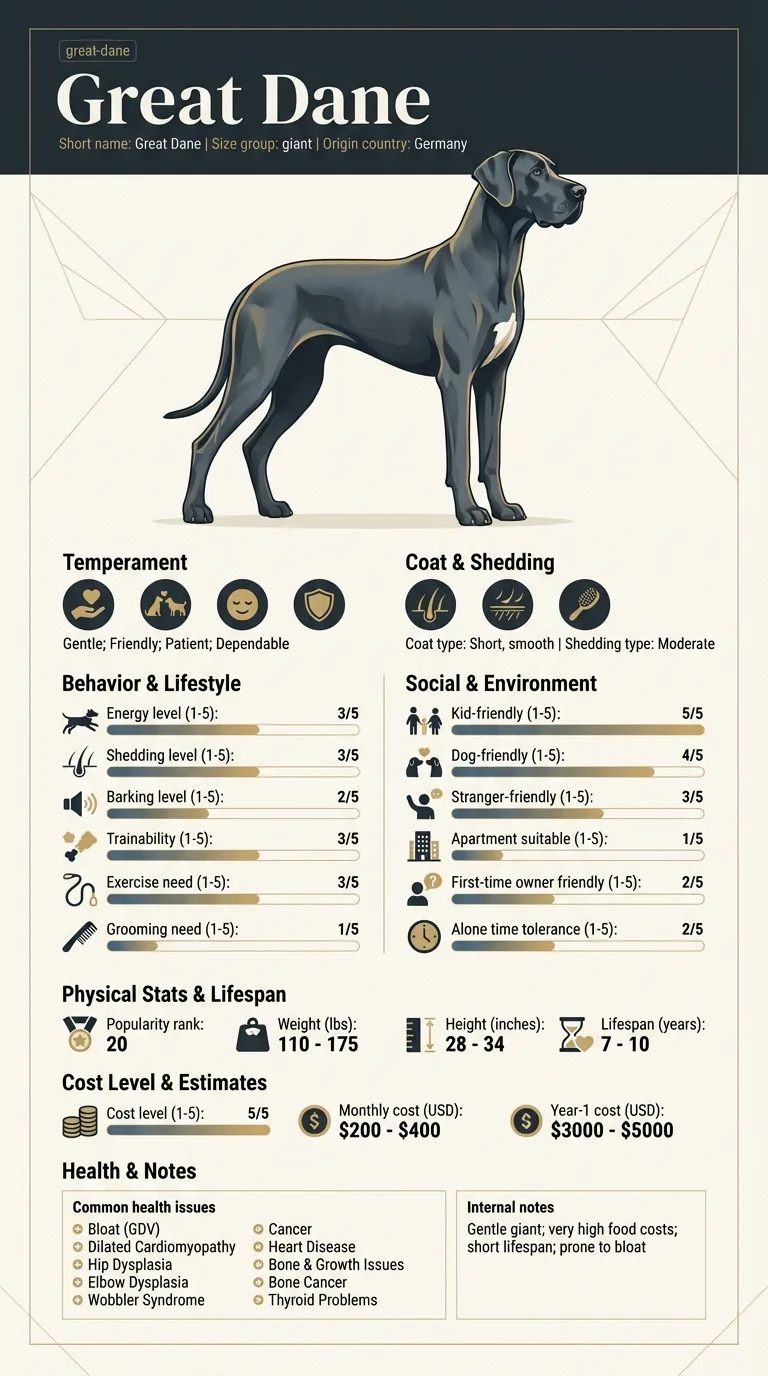
Owners of Great Danes, especially first-time dog parents and families with busy lifestyles, may find it challenging to recognize and manage cardiac disease symptoms in their beloved pets.
This guide is not medical advice. If your dog shows pain, sudden behavior change, or worsening symptoms, consult a licensed veterinarian.
Some links may be affiliate links. We may earn a commission at no extra cost to you. We only suggest products we believe are helpful for dog owners.
We research and check what we publish, but we do not warrant that any figure, date, price, or statement is accurate, complete, or current, and we accept no liability for any loss, cost, injury, or other harm arising from the use of this site. Use it as one reference among several. You remain responsible for your own decisions and for your dog's care - confirm anything that matters with a licensed veterinarian or another qualified professional before you act on it. Full disclaimer.
Check this first
Recognizing when Great Dane cardiac disease becomes an emergency can be life-saving. If your dog exhibits severe symptoms, such as difficulty breathing, persistent coughing, fainting, or extreme lethargy, you should contact your vet immediately. These signs indicate that your Great Dane may be in critical condition and needs urgent care.
On the other hand, if your dog shows mild symptoms, such as occasional coughing or slight fatigue after exercise, you can monitor their condition at home. Keep a close eye on their behavior and energy levels, and create a plan to visit the vet for check-ups or tests. Regular monitoring can help catch any worsening symptoms before they escalate into a serious issue.
In summary, if you notice any alarming signs, don’t hesitate; call your vet. For milder cases, stay observant and proactive. It’s always best to err on the side of caution with your gentle giant.
If any of these apply, call your vet or an emergency clinic now. The rest of this page is for the cases that are not an emergency.
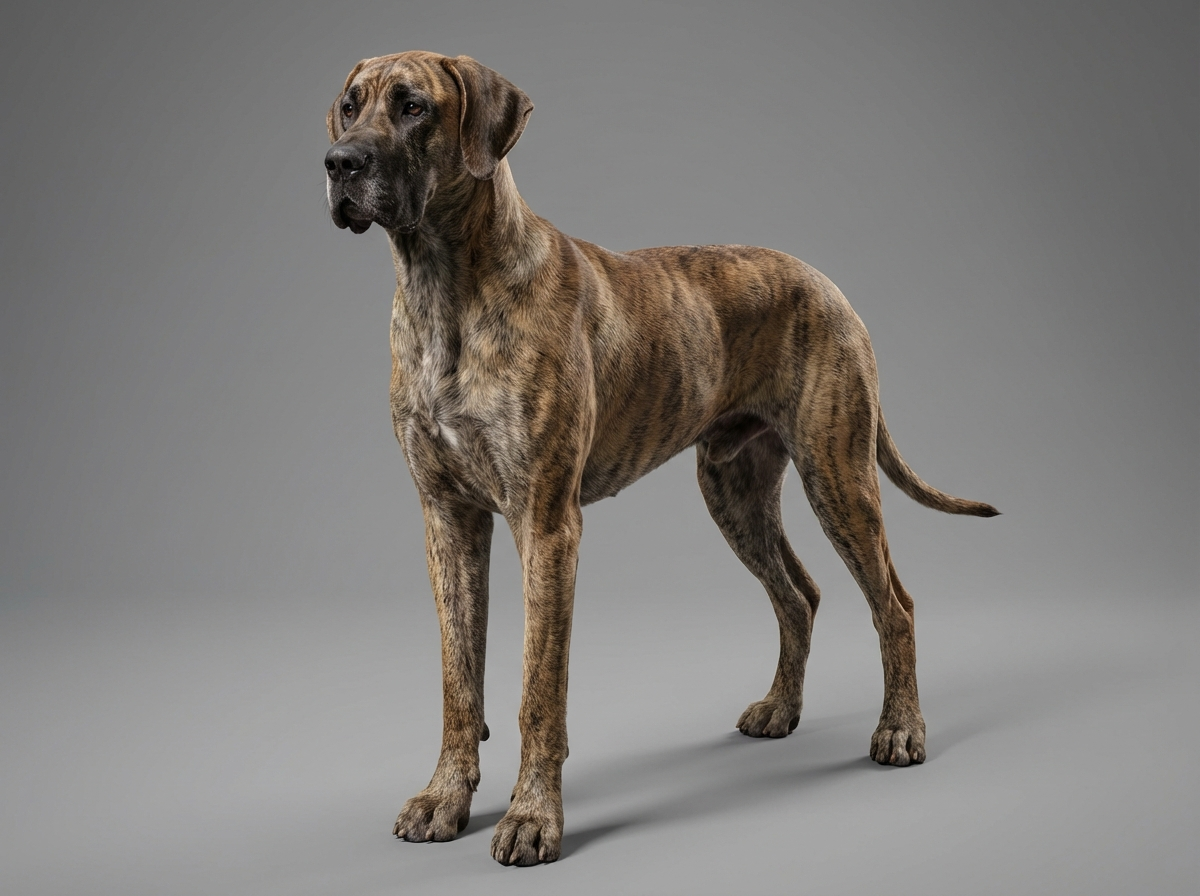
Great Dane cardiac disease is a serious condition that can affect these gentle giants. Day-to-day, affected dogs may show signs like fatigue, coughing, or difficulty breathing. It's important for owners to recognize these symptoms early, as they can indicate worsening heart health.
Cardiac disease is relatively common in Great Danes, particularly as they age. The breed is known for a shorter lifespan, typically 7 to 10 years, which can increase the likelihood of heart problems developing. Owners should be vigilant and proactive with regular vet check-ups to monitor heart health.
Great Danes are prone to certain genetic health issues, including cardiac disease. Their large size means their hearts work harder, which can lead to conditions like dilated cardiomyopathy. This issue is often hereditary and may not show symptoms until they are older.
Environmental factors can also contribute to cardiac disease. Poor diet, obesity, and lack of exercise are significant risks. Stressful living conditions or inadequate healthcare can exacerbate these issues, especially for such a large breed.
If you notice symptoms like coughing, difficulty breathing, or lethargy, contact your vet immediately. Regular check-ups are essential for early detection of heart issues. Discuss any changes in behavior that may signal heart problems.
Many owners unintentionally make Great Dane cardiac disease worse. Here are some common mistakes and safer alternatives to consider.
Start here: Great Dane Most Common Genetic Disorders: What to Screen For
See all Great Dane health problems, which breeds are prone to cardiac disease, or the full Great Dane breed guide for temperament, exercise needs and ownership costs.
Managing Great Dane cardiac disease can take several months to see noticeable improvements. Regular vet visits and consistent care under your vet's plan are key.
Success means your Great Dane shows improved energy levels, better weight management, and reduced symptoms related to cardiac issues, allowing them to enjoy daily activities safely.
Sarah, a first-time Great Dane owner, noticed her dog Max was lethargic and struggled to catch his breath after short walks. After a vet visit, she learned that Max had early signs of cardiac disease. Determined to help him, Sarah adjusted his diet, incorporated low-impact exercises, and followed a training plan focused on stress reduction. Over time, Max regained some of his energy and was able to enjoy longer walks without strain. Although not fully cured, he was happier and healthier than before.
Key takeaway: With the right care and management, you can improve your Great Dane's quality of life even with cardiac disease.
Great Danes are predisposed to cardiac disease due to their size and genetic factors. Conditions like dilated cardiomyopathy are common in large breeds, especially as they age. Regular vet check-ups can help catch any issues early.
While you can't always prevent cardiac disease, you can manage your Great Dane's health through a balanced diet, regular exercise, and routine vet visits. Keeping their weight in check and monitoring for signs of distress is crucial.
Common symptoms include coughing, lethargy, difficulty breathing, and fainting. If you notice these signs, it's important to consult your veterinarian immediately to discuss potential treatments or lifestyle adjustments.
While training won't cure cardiac disease, it can help manage stress and anxiety, which are important for heart health. Training your dog to be calm and relaxed can also reduce strain on their heart.
A heart-healthy diet, low in sodium and rich in essential nutrients, is beneficial for Great Danes with cardiac disease. Consulting your vet for specific dietary recommendations is highly advised.
Regular vet check-ups, medication adherence, and monitoring their activity levels are essential. Keeping a calm environment and providing mental stimulation can also help maintain their quality of life.
Early signs of cardiac disease in a Great Dane can include excessive coughing, fatigue during exercise, and difficulty breathing. If you notice any of these symptoms, it's essential to consult your vet as soon as possible for a thorough examination.
To help your Great Dane with cardiac disease, focus on a heart-healthy diet and maintain a moderate exercise routine. Regular vet check-ups are crucial to monitor the condition and adjust treatment as needed.
Yes, many Great Danes with cardiac disease can lead a normal life with proper management and care. This includes following a vet-recommended treatment plan, maintaining a healthy lifestyle, and being attentive to changes in their behavior.
Older Great Danes may experience more severe symptoms of cardiac disease due to their age and overall health. Regular check-ups and tailored care plans are essential to address their specific needs as they age.
You should see a vet if your Great Dane shows signs of lethargy, persistent coughing, or difficulty breathing. Early intervention can be vital in managing cardiac disease and improving your dog's quality of life.
Ensure regular vet check-ups, maintain a healthy diet, and monitor any symptoms closely. Staying informed and proactive can significantly impact your dog's heart health.
Create a stress-free environment and limit strenuous activities. Focus on gentle exercise and provide plenty of mental stimulation to keep them happy.
Positive reinforcement training can help mentally stimulate your dog without overexerting them. It’s important to keep sessions short and enjoyable.
Monthly costs can range from $200 to $400, depending on vet visits and medications. Budgeting for potential emergencies is also wise.
A one-page prep sheet for this condition: the signs, the questions to ask, what to get priced. Unlocks here.
You get: Vet visit prep sheet
No spam. One-click unsubscribe. See our privacy policy.
Preview page 1 before you decide.