Health
What are quick tips for managing ventricular arrhythmias?
Ensure regular vet check-ups and follow prescribed medications. Maintain a balanced diet and reduce stress in your dog's environment.

Quick answer
What are quick tips for managing ventricular arrhythmias?
Ensure regular vet check-ups and follow prescribed medications. Maintain a balanced diet and reduce stress in your dog's environment.
Golden Retriever ventricular arrhythmias are irregular heartbeats that can pose serious health risks for your furry friend. Understanding this condition is crucial for their well-being.
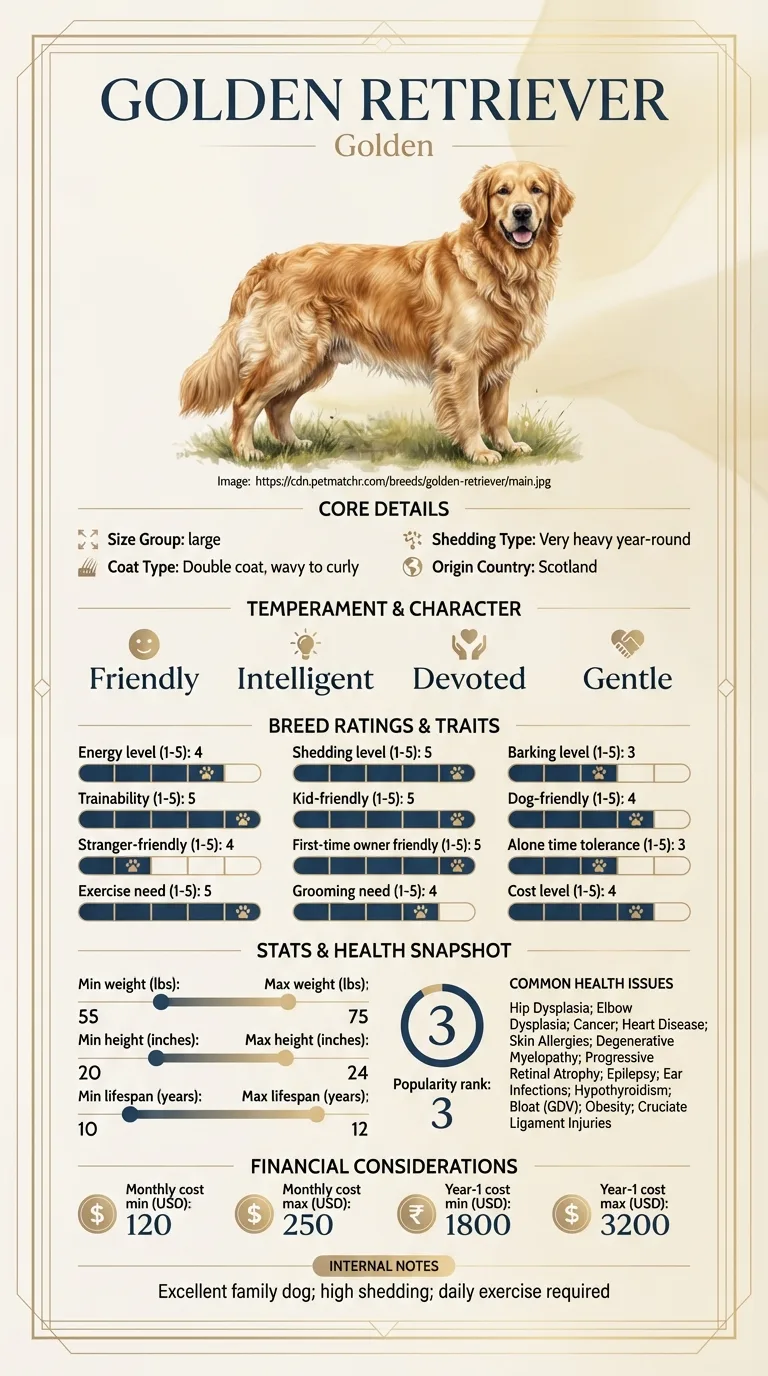
Typically, owners of Golden Retrievers may face this issue, especially those who notice unusual behaviors like sudden lethargy, fainting, or breathing difficulties. First-time dog owners or those unfamiliar with canine health issues may find this particularly challenging.
This guide is not medical advice. If your dog shows pain, sudden behavior change, or worsening symptoms, consult a licensed veterinarian.
Some links may be affiliate links. We may earn a commission at no extra cost to you. We only suggest products we believe are helpful for dog owners.
We research and check what we publish, but we do not warrant that any figure, date, price, or statement is accurate, complete, or current, and we accept no liability for any loss, cost, injury, or other harm arising from the use of this site. Use it as one reference among several. You remain responsible for your own decisions and for your dog's care - confirm anything that matters with a licensed veterinarian or another qualified professional before you act on it. Full disclaimer.
Check this first
Recognizing when your Golden Retriever's ventricular arrhythmias become an emergency is crucial. Some signs require immediate veterinary attention, while others can be monitored at home with a plan.
Red-Flag Signs: If your Golden is experiencing severe symptoms like fainting, extreme lethargy, difficulty breathing, or persistent coughing, these are immediate red flags. If you notice any of these symptoms, call your vet right away. Other concerning signs include a rapid or irregular heartbeat that lasts longer than a few minutes and signs of distress.
Mild Cases: If your dog shows occasional irregular heartbeats without severe symptoms, you can monitor the situation. Look for minor signs like mild lethargy or a temporary increase in panting after exercise. Keep a close eye on these symptoms and document any changes, as they can help your vet diagnose the issue more effectively.
In summary, always trust your instincts. If something feels off, don’t hesitate to reach out to your veterinarian. Early intervention can make a big difference in your dog's health.
If any of these apply, call your vet or an emergency clinic now. The rest of this page is for the cases that are not an emergency.
Golden Retriever ventricular arrhythmias are serious heart conditions characterized by irregular heartbeats. Daily life for a dog with this issue may include symptoms such as lethargy, coughing, or fainting spells. These signs can be alarming for owners and may require immediate veterinary attention.
Ventricular arrhythmias are relatively common in Golden Retrievers, especially as they age. Many owners report issues arising in dogs over the age of five, but younger dogs can also be affected. Regular vet check-ups are crucial to catch this condition early.
Golden Retrievers are prone to certain cardiac issues, including ventricular arrhythmias. This breed's genetic predisposition to heart disease can lead to irregular heartbeats. Their large size and weight can also contribute to cardiovascular stress, increasing the likelihood of these conditions.
Environmental factors such as high-stress situations, poor diet, and lack of exercise can trigger or worsen ventricular arrhythmias. An inactive lifestyle or obesity can strain a Golden Retriever's heart, leading to irregularities. Additionally, exposure to extreme temperatures can affect their overall heart health.
If you notice symptoms like coughing, lethargy, or fainting, contact your vet immediately. Regular check-ups are crucial to monitor your Golden's heart health, especially if they show any signs of irregular heartbeats.
Avoiding these common mistakes can help your Golden Retriever manage ventricular arrhythmias more effectively.
Start here: Golden Retriever Most Common Genetic Disorders: Screening
See all Golden Retriever health problems, which breeds are prone to ventricular arrhythmias, or the full Golden Retriever breed guide for temperament, exercise needs and ownership costs.
With consistent care and veterinary guidance, you may see improvements in your Golden Retriever's ventricular arrhythmias within a few weeks to several months.
Success means your dog experiences fewer irregular heartbeats, improved overall health, and a more stable energy level, allowing them to enjoy daily activities without distress.
When Sarah, a first-time dog owner, adopted Max, her Golden Retriever, she was excited. However, she soon noticed Max frequently had irregular heartbeats, leaving her worried. After consulting a vet, Sarah learned Max had ventricular arrhythmias. They developed a management plan, including regular vet check-ups and a calming training routine. Over time, with patience and consistency, Max's episodes decreased, and he became more relaxed during walks and playtime.
Key takeaway: Working closely with a veterinarian and committing to a structured training plan can significantly improve your Golden Retriever's quality of life when facing health challenges.
Golden Retrievers may experience ventricular arrhythmias due to various factors, including genetic predisposition, underlying heart disease, or other health issues. Regular check-ups with your vet can help identify the cause early. If you notice symptoms like lethargy or fainting, consult your veterinarian immediately.
To manage Golden Retriever ventricular arrhythmias, it's crucial to follow a vet-recommended treatment plan. This may include medication, dietary changes, or lifestyle adjustments such as reduced stress and regular exercise. Always consult your vet before making changes to your dog's routine.
Signs of ventricular arrhythmias can include irregular heartbeats, weakness, lethargy, or fainting spells. If you see any unusual behavior, contact your veterinarian for an evaluation. Early detection is key to effective management.
While training won't directly stop ventricular arrhythmias, it can help reduce stress and promote a calm environment. Positive reinforcement training can also strengthen your bond, making it easier for your dog to cope with any health issues. Consult your vet for tailored training suggestions.
A balanced diet is essential for a Golden Retriever with ventricular arrhythmias. Some vets may recommend heart-healthy diets rich in omega-3 fatty acids and low in sodium. Always consult your veterinarian before changing your dog's diet.
It's best to schedule regular vet visits every 6 to 12 months for your Golden Retriever, especially if they have a history of heart issues. Your vet can monitor their heart health and adjust treatments as necessary. Frequent check-ups can help catch any problems early.
Management of Golden Retriever ventricular arrhythmias at home should always be guided by your vet. You can help by providing a calm environment, maintaining a healthy diet, and ensuring regular check-ups. Additionally, reduce stressors that could trigger episodes.
Yes, some breeds, including Golden Retrievers, may have a higher risk of developing ventricular arrhythmias due to genetic predispositions. Regular veterinary check-ups can help catch any heart issues early. Speaking with your vet can provide insights specific to your dog's health.
Older Golden Retrievers may experience more severe symptoms from ventricular arrhythmias due to age-related heart changes. It's crucial to monitor their health closely and consult your vet about any changes in their behavior or energy levels. Early intervention can help manage their condition.
If your Golden Retriever collapses, it’s essential to stay calm and check for breathing. If they are not breathing or unresponsive, contact emergency veterinary services immediately. Always follow up with your vet to address any underlying issues, including ventricular arrhythmias.
Ensure regular vet check-ups and follow prescribed medications. Maintain a balanced diet and reduce stress in your dog's environment.
While training isn't a cure, it can help reduce anxiety. Focus on positive reinforcement techniques to create a calm atmosphere.
Watch for lethargy, fainting, or irregular heartbeats. If you notice these signs, contact your vet immediately.
Yes, a heart-healthy diet can help manage the condition. Consult your vet about the best dietary options for your dog.
A one-page prep sheet for this condition: the signs, the questions to ask, what to get priced. Unlocks here.
You get: Vet visit prep sheet
No spam. One-click unsubscribe. See our privacy policy.
Preview page 1 before you decide.