Health
What should I do if my Golden Retriever shows signs of vision loss?
Contact your veterinarian immediately for an eye exam and guidance on managing the situation.
Golden Retriever progressive retinal atrophy (PRA-RCD3) is a serious condition that leads to vision loss in dogs. Understanding this issue is crucial for your dog's well-being.
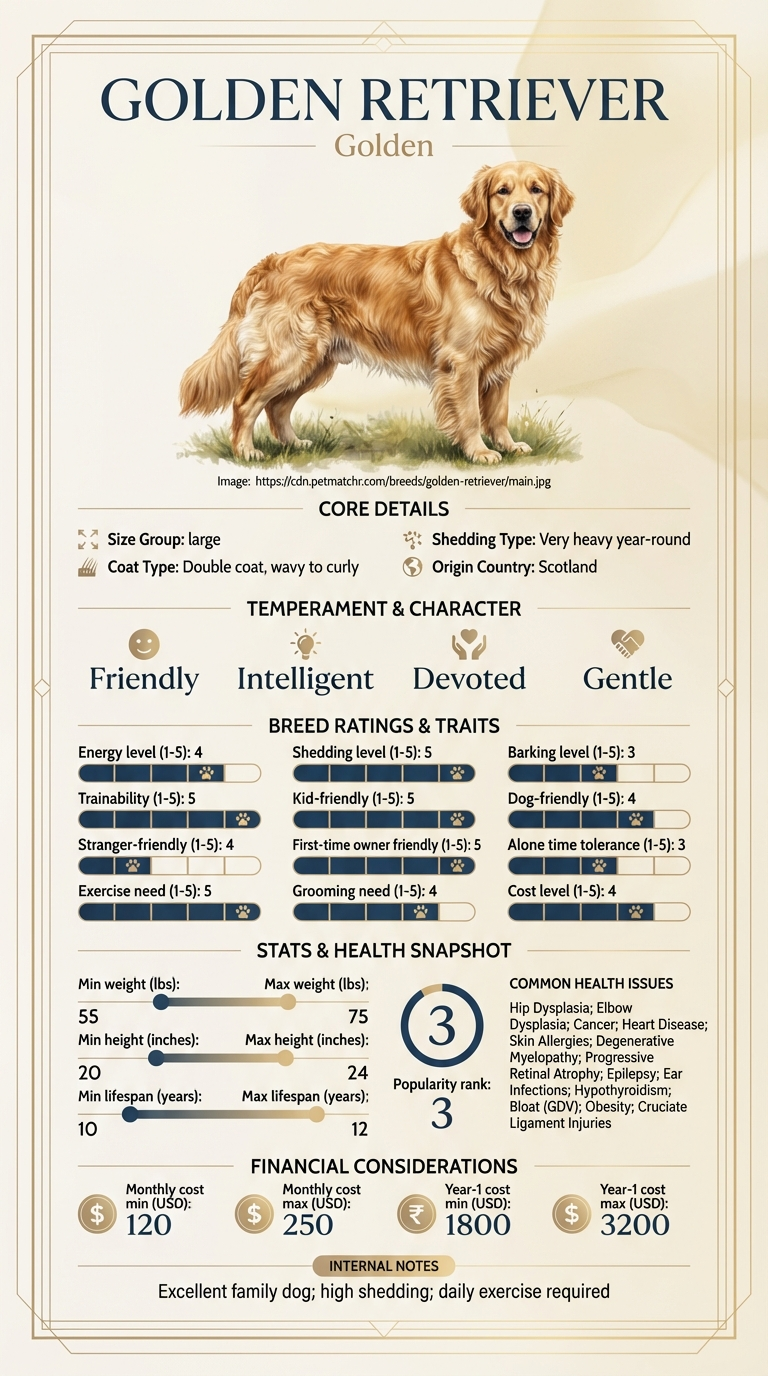
Owners of Golden Retrievers may face this issue, especially as their pets age. Those who love their dogs and want to provide the best care can feel overwhelmed by the implications of this condition.
This guide is not medical advice. If your dog shows pain, sudden behavior change, or worsening symptoms, consult a licensed veterinarian.
Some links may be affiliate links. We may earn a commission at no extra cost to you. We only suggest products we believe are helpful for dog owners.
Golden Retriever progressive retinal atrophy (pra-rcd3) is a genetic condition that leads to gradual vision loss. This can manifest in daily life as your Golden struggles to navigate familiar spaces, bumps into furniture, or hesitates to go outside. As the disease progresses, you may notice your dog becoming more anxious or withdrawn due to their impaired vision.
Progressive retinal atrophy is relatively common in Golden Retrievers, affecting about 10-15% of the breed. It's important to monitor your dog's vision, especially if they show signs of difficulty navigating their surroundings.
Golden Retrievers can inherit certain genetic traits that may lead to progressive retinal atrophy (PRA-rcd3). This condition affects the retina and gradually leads to vision loss. It's essential to understand that these genetic factors are beyond your control but can be managed with care.
Environmental factors, like insufficient exposure to varied lighting and stimulation, can sometimes exacerbate the effects of PRA. Additionally, a lack of appropriate mental and physical activities can contribute to the overall well-being of your Golden Retriever's vision.
If your Golden Retriever shows signs of fear, anxiety, or confusion due to their vision loss, consider consulting a professional dog trainer. They can help implement tailored training strategies to support your dog's needs and improve their confidence.
Speak to your vet if you notice any sudden changes in your dog's vision or behavior. They can provide guidance on the best treatments available, including nutritional support and any necessary medications.
Managing Golden Retriever progressive retinal atrophy (pra-rcd3) is a gradual process that can take several months to years. With consistent care and training, you might begin to see improvements in your dog's adaptability within a few months.
Success means your Golden Retriever learns to navigate their environment with confidence, relying on their other senses. They should also show comfort in their daily routines and maintain a good quality of life despite vision loss.
Avoiding common pitfalls can help manage Golden Retriever progressive retinal atrophy (PRA-rcd3) better. Here are some mistakes to steer clear of.
Recognizing when Golden Retriever progressive retinal atrophy (PRA-rcd3) becomes an emergency is crucial. Immediate veterinary attention is necessary if your dog shows sudden vision loss, disorientation, or appears to bump into objects frequently. Other red flags include pupil dilation, unusual eye movements, or if your dog seems unusually fearful or anxious, which could indicate they are struggling to see their environment.

In contrast, you can monitor mild cases where your Golden Retriever shows slight changes in vision or seems to have difficulty adjusting to low light. If your dog is still able to navigate familiar spaces and shows no distress, it might be okay to watch and wait. Keeping a journal of any changes in behavior or vision can help you assess if the condition is progressing and if a vet visit is warranted.

Sarah, a loving owner of a five-year-old Golden Retriever named Bailey, noticed her dog struggling to find his toys and bumping into furniture. After a vet diagnosed Bailey with progressive retinal atrophy (pra-rcd3), Sarah felt overwhelmed. However, she dedicated time to training Bailey using sound cues for directions and creating a safe, obstacle-free space at home. Over several months, Bailey adapted well, learning to navigate with confidence, and their bond grew stronger as they enjoyed outdoor adventures together.
Key takeaway: With patience and consistent training, you can help your Golden Retriever adapt to progressive retinal atrophy, improving their quality of life.
Golden Retriever progressive retinal atrophy (pra-rcd3) is a genetic condition that leads to vision loss. It affects the cells in the retina, gradually impairing sight over time. If your Golden is showing signs of vision problems, it’s essential to consult a veterinarian.
This condition is inherited and affects the retina's photoreceptor cells. If your Golden has developed pra-rcd3, it's likely due to genetics passed down through their lineage. Regular veterinary check-ups can help catch this early.
While there’s no cure for pra-rcd3, you can help your dog adapt. Keep their environment consistent, avoid rearranging furniture, and use commands to guide them. Training can help them learn to navigate their surroundings safely.
Common signs include difficulty seeing in dim light, bumping into objects, and changes in behavior like increased anxiety. If you notice these signs, consult your vet for a thorough assessment. Early detection is key to managing the condition.
The prognosis varies based on the severity of the condition. Most dogs adapt well to partial or complete blindness with proper support. Regular veterinary check-ups are crucial to monitor their condition and quality of life.
Yes, training can be beneficial. Teaching your Golden verbal cues and commands can help them navigate their environment more confidently. Consistent, positive reinforcement can aid in their adaptation process.
Currently, there are no effective treatments to reverse the effects of pra-rcd3. However, supportive care such as maintaining a familiar environment and training can improve their quality of life. Always consult your vet for personalized advice.
Early signs of Golden Retriever progressive retinal atrophy (pra-rcd3) include difficulty seeing in low light, bumping into objects, and hesitation when approaching familiar places. If you notice these changes, it's important to consult your vet for a proper diagnosis.
Currently, there is no cure for progressive retinal atrophy (pra-rcd3) in Golden Retrievers. Treatment focuses on supportive care and helping your dog adapt to vision loss, which can include training and environmental modifications.
To help your Golden Retriever adjust at home, keep furniture in the same place and use non-slip mats to prevent falls. Providing a consistent routine and using voice commands can also help your dog navigate their environment safely.
You should take your Golden Retriever to the vet if you notice any changes in their vision, such as bumping into things or difficulty navigating stairs. Early intervention can help manage the condition and improve your dog's quality of life.
Yes, progressive retinal atrophy (pra-rcd3) is a hereditary condition in Golden Retrievers. If you're considering breeding, it's crucial to test for this condition to avoid passing it on to future generations.
Contact your veterinarian immediately for an eye exam and guidance on managing the situation.
Maintain a consistent layout in your home and use verbal commands to guide them, helping reduce anxiety.
Focus on verbal cues and reward-based training to help your Golden navigate safely. Consistency is key.
Yes, genetic testing can identify carriers of the disease, helping breeders make informed decisions.
Costs can vary but typically include regular vet visits and specialized care, averaging between $120 to $250 a month.

