Behavior
What are quick tips for preventing German Wirehaired Pointer ear infections?
Regularly clean your dog's ears with a vet-approved solution, keep their ears dry after baths, and watch for signs of allergies.

Quick answer
What are quick tips for preventing German Wirehaired Pointer ear infections?
Regularly clean your dog's ears with a vet-approved solution, keep their ears dry after baths, and watch for signs of allergies.
German Wirehaired Pointer ear infections can be a persistent problem that affects your dog's health and comfort.
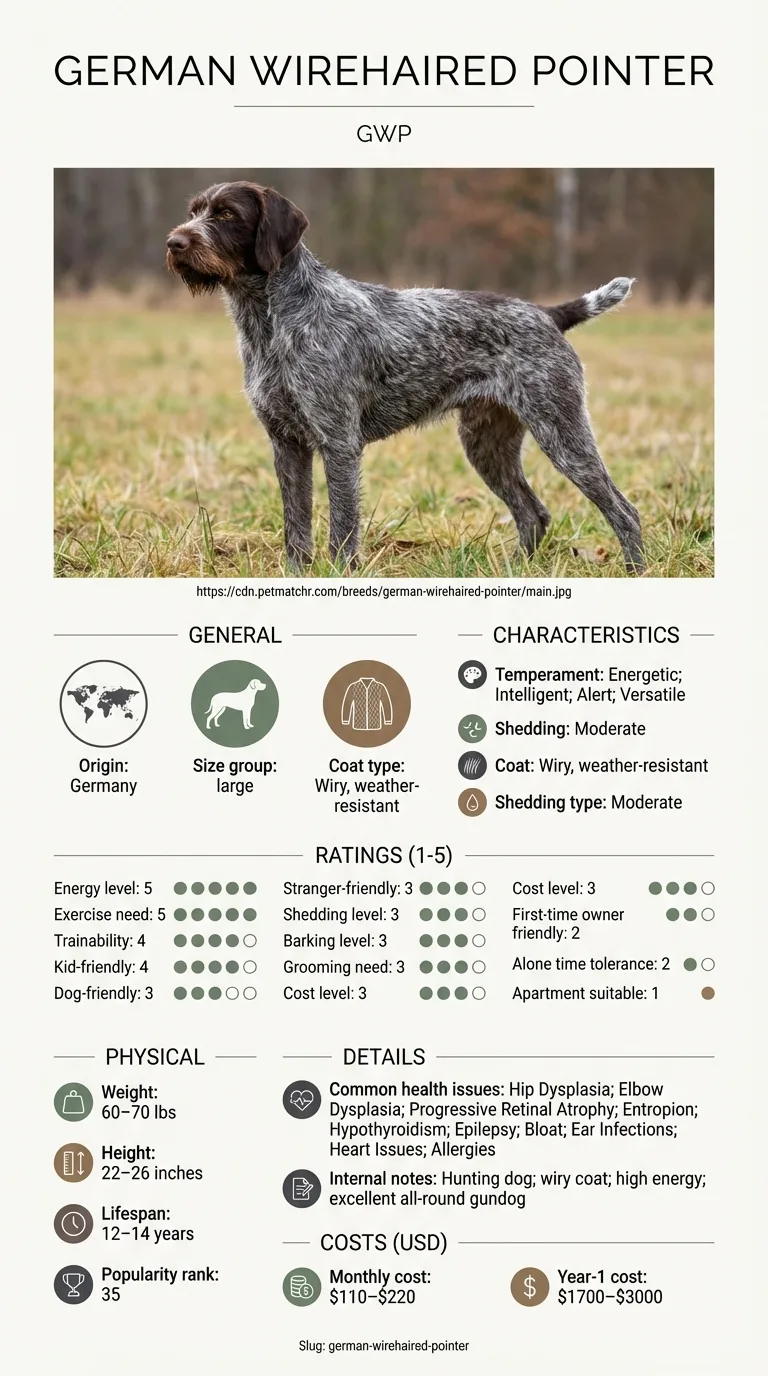
Owners of German Wirehaired Pointers, especially those who enjoy outdoor activities, may find their dogs more prone to ear infections due to environmental factors. Busy families or first-time dog owners might struggle to identify the signs and take action quickly.
This guide is not medical advice. If your dog shows pain, sudden behavior change, or worsening symptoms, consult a licensed veterinarian.
Some links may be affiliate links. We may earn a commission at no extra cost to you. We only suggest products we believe are helpful for dog owners.
We research and check what we publish, but we do not warrant that any figure, date, price, or statement is accurate, complete, or current, and we accept no liability for any loss, cost, injury, or other harm arising from the use of this site. Use it as one reference among several. You remain responsible for your own decisions and for your dog's care - confirm anything that matters with a licensed veterinarian or another qualified professional before you act on it. Full disclaimer.
Check this first
Not all ear infections in your German Wirehaired Pointer require immediate vet attention. However, knowing when to act quickly can make a big difference in your dog's health. Here are some red flags that indicate you should call your vet right away.
If any of these apply, call your vet or an emergency clinic now. The rest of this page is for the cases that are not an emergency.
German Wirehaired Pointer ear infections can be a frustrating issue for owners. These infections often manifest as excessive scratching at the ears, shaking of the head, and a foul odor coming from the ear canal. If left untreated, they can lead to more serious health problems and discomfort for your dog.
Ear infections are relatively common in German Wirehaired Pointers, especially due to their wiry coat that can trap moisture and debris. Owners should be proactive about ear care to minimize the risk of these infections.
German Wirehaired Pointers have a wiry coat that can trap moisture and debris in their ears, leading to infections. Their active nature sometimes results in exposure to dirt and water, which can irritate their ears. Additionally, this breed is prone to allergies that may contribute to ear issues.
Environmental factors, such as humidity and allergens, can also play a significant role in ear infections. If your home has a lot of dust or pollen, it can irritate your dog's ears. Frequent exposure to water, such as swimming or bath time, can create the perfect breeding ground for bacteria.
Consult your vet if your dog displays persistent symptoms like redness, foul odor, or discharge from the ears. These could indicate a more serious infection needing medical treatment. Regular vet check-ups are also essential to maintain ear health.
Avoiding the right care for your German Wirehaired Pointer's ear infections is crucial. Here are common mistakes that can worsen the issue, along with safer alternatives.
Start here: German Wirehaired Pointer Most Common Genetic Disorders: Guide
See all German Wirehaired Pointer health problems, which breeds are prone to ear infections, or the full German Wirehaired Pointer breed guide for temperament, exercise needs and ownership costs.
You can expect to see improvements in your German Wirehaired Pointer's ear condition within 2 to 4 weeks of consistent care. However, it may take longer for complete resolution, especially if there are underlying allergies or other health issues.
Success looks like your dog having fewer ear infections, reduced scratching, and a clear, healthy appearance of the ears. Regular check-ups with the vet and home care routines will help maintain ear health.
Jenna, a busy nurse in Chicago, noticed her German Wirehaired Pointer, Max, frequently scratching his ears. After multiple vet visits confirmed he had chronic ear infections, Jenna felt overwhelmed by the constant care needed. She learned how to clean his ears properly, adjusted his diet to reduce allergens, and followed a consistent treatment plan from the vet. Over a few months, Max's ear infections decreased significantly, and Jenna felt relieved knowing she was doing the right things for him.
Key takeaway: With dedication and the right approach, you can effectively manage your German Wirehaired Pointer's ear infections and improve their quality of life.
Signs of ear infections in a German Wirehaired Pointer include shaking their head, scratching at their ears, and unusual odors coming from the ear. You might also notice redness or discharge in the ear canal. If you see these symptoms, it's important to consult your vet.
To stop German Wirehaired Pointer ear infections, keep their ears clean and dry. Use a vet-recommended ear cleaner once a week. If infections persist, consult your vet for possible allergies or underlying health issues.
Signs of ear infections include shaking their head, scratching at their ears, and a foul odor. You may also notice redness or discharge in the ear. If you see these signs, it's best to take them to the vet.
Yes, a diet rich in omega-3 fatty acids can help reduce inflammation and support skin and ear health. Foods that are high in protein and low in fillers may also be beneficial. Always consult your vet before changing their diet.
Yes, you can train your German Wirehaired Pointer to accept ear cleaning by using positive reinforcement. Start by letting them sniff the ear cleaner, then gradually introduce the cleaning process. Reward them with treats to create a positive association.
Yes, untreated ear infections can potentially lead to hearing loss in German Wirehaired Pointers. Chronic infections can damage the ear structures, so it's crucial to address any issues promptly. Regular vet check-ups can help catch problems early.
Yes, environments that are humid or wet can increase the risk of ear infections in German Wirehaired Pointers. Swimming or bathing can introduce moisture into the ears, so it's important to dry their ears thoroughly afterward. Keeping the ears clean and dry is essential.
Preventing ear infections in your German Wirehaired Pointer involves regular ear cleaning and monitoring for any signs of irritation. Using a vet-recommended ear cleaner can help keep ears healthy. Additionally, maintain a dry environment after baths or swimming.
If your German Wirehaired Pointer shows persistent signs of discomfort, such as shaking their head or excessive scratching, it's time to consult your vet. Also, if you notice a strong odor or discharge, don't wait—seek professional help to prevent complications.
Regularly clean your dog's ears with a vet-approved solution, keep their ears dry after baths, and watch for signs of allergies.
Aim to clean your German Wirehaired Pointer's ears at least once a week to prevent infections.
If you suspect an ear infection, take your dog to the vet for a proper diagnosis and treatment plan.
Yes, recurrent ear infections in German Wirehaired Pointers can indicate underlying allergies, so it's important to consult with your vet.
A one-page prep sheet for this condition: the signs, the questions to ask, what to get priced. Unlocks here.
You get: Vet visit prep sheet
No spam. One-click unsubscribe. See our privacy policy.
Preview page 1 before you decide.