Behavior
What are quick tips for managing German Wirehaired Pointer corneal dystrophy?
Regular vet visits, using lubricating eye drops, and maintaining a calm environment can help manage corneal dystrophy effectively.

Quick answer
What are quick tips for managing German Wirehaired Pointer corneal dystrophy?
Regular vet visits, using lubricating eye drops, and maintaining a calm environment can help manage corneal dystrophy effectively.
German Wirehaired Pointer corneal dystrophy is a condition that affects your dog's vision. This corneal cloudiness can lead to discomfort and potential vision loss if not managed properly.
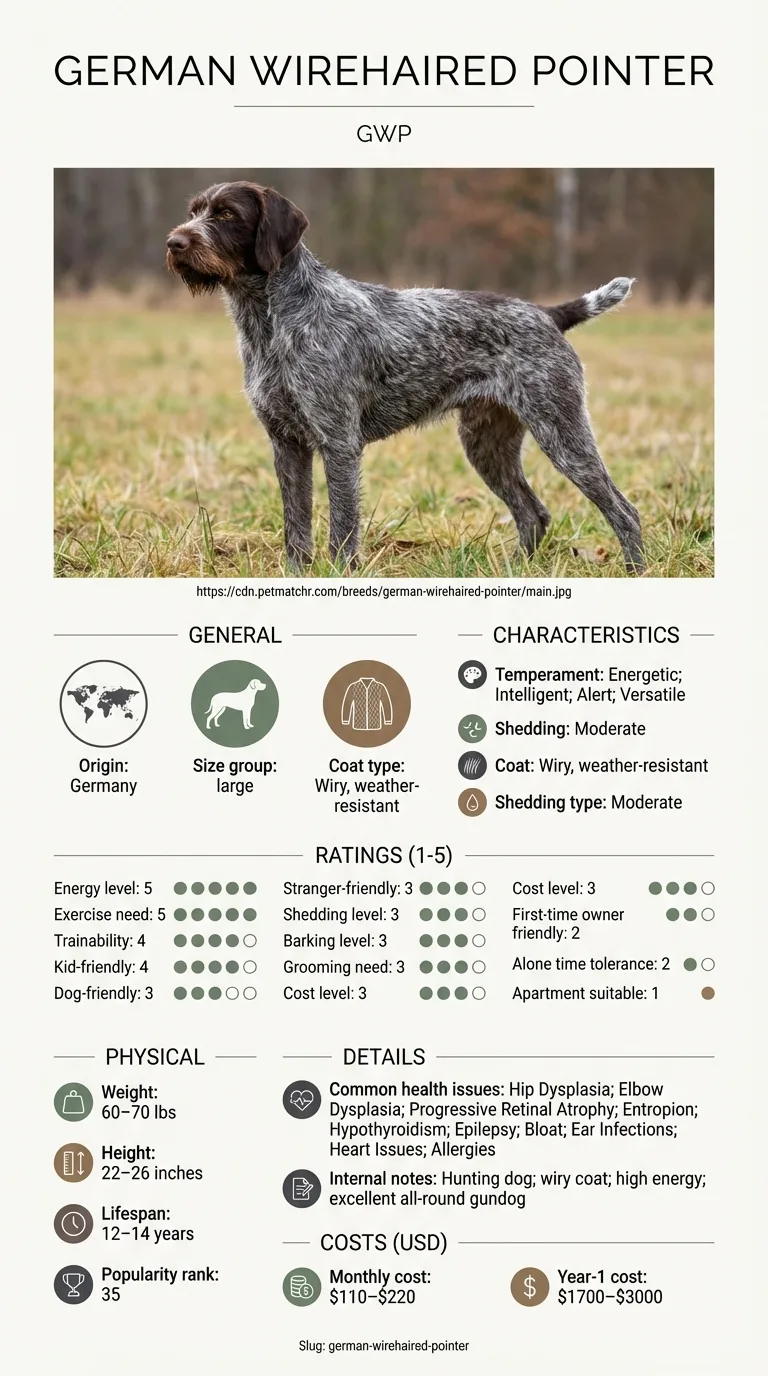
Typically, owners of German Wirehaired Pointers may face this issue as their dogs age. Those who are first-time pet owners or unfamiliar with canine health issues might struggle to identify the symptoms and find effective solutions.
This guide is not medical advice. If your dog shows pain, sudden behavior change, or worsening symptoms, consult a licensed veterinarian.
Some links may be affiliate links. We may earn a commission at no extra cost to you. We only suggest products we believe are helpful for dog owners.
We research and check what we publish, but we do not warrant that any figure, date, price, or statement is accurate, complete, or current, and we accept no liability for any loss, cost, injury, or other harm arising from the use of this site. Use it as one reference among several. You remain responsible for your own decisions and for your dog's care - confirm anything that matters with a licensed veterinarian or another qualified professional before you act on it. Full disclaimer.
Check this first
Understanding when German Wirehaired Pointer corneal dystrophy requires immediate attention is crucial. Some symptoms signal urgent care, while others can be monitored with a plan. If your dog shows any of the following red-flag signs, call your vet immediately:
- Sudden, severe eye pain indicated by squinting or pawing at the eye. - Significant vision loss or disorientation. - Severe redness in the eye or surrounding area. - Discharge from the eye that is excessive or unusual.
If your German Wirehaired Pointer exhibits mild symptoms, such as slight cloudiness or occasional squinting, you can likely monitor them. Take note of any changes in behavior or eye appearance over a few days. Create a plan to observe these symptoms closely and schedule a vet visit if they persist or worsen. Regular check-ups can help manage corneal dystrophy effectively, ensuring your dog remains comfortable. Always trust your instincts; if something seems off, it's best to err on the side of caution and consult your vet. Regular eye examinations may also help catch any worsening conditions early on.
If any of these apply, call your vet or an emergency clinic now. The rest of this page is for the cases that are not an emergency.
German Wirehaired Pointer corneal dystrophy is a condition where the eyes develop a cloudy appearance. This can lead to vision issues and discomfort for the dog. Owners may notice their pet squinting, having difficulty seeing, or rubbing their eyes frequently.
Corneal dystrophy is relatively common in German Wirehaired Pointers. While not every dog will experience this issue, it can affect a significant number of individuals within the breed.
German Wirehaired Pointers can inherit genetic conditions, including corneal dystrophy. This breed is more prone to eye issues because of their unique lineage, which can lead to a higher likelihood of developing corneal cloudiness.
Environmental factors like exposure to harsh sunlight, dust, or allergens can also contribute to corneal dystrophy. If your dog spends a lot of time outdoors or has allergies, these factors might worsen their eye condition.
If you notice persistent cloudiness in your dog's eyes or signs of pain, such as squinting or excessive tearing, schedule a vet appointment. A veterinarian can provide a proper diagnosis and recommend treatments, which may include medications or surgical options.
When dealing with German Wirehaired Pointer corneal dystrophy, certain common mistakes can hinder progress or worsen the situation. Avoiding these pitfalls can be crucial for your dog's comfort and health.
Start here: German Wirehaired Pointer Most Common Genetic Disorders: Guide
See all German Wirehaired Pointer health problems, which breeds are prone to corneal dystrophy, or the full German Wirehaired Pointer breed guide for temperament, exercise needs and ownership costs.
You can expect to see improvements in your German Wirehaired Pointer's corneal dystrophy symptoms within 2 to 6 months of consistent care and treatment.
Success looks like reduced cloudiness in the eyes and improved comfort for your dog, allowing them to be more active and engaged without discomfort.
When Sarah adopted her German Wirehaired Pointer, Max, she quickly noticed his eyes had a cloudy appearance. Concerned about his comfort, she took him to the vet, who diagnosed him with corneal dystrophy. Sarah learned about proper eye care, including regular vet check-ups and medication to manage the condition. After several months of treatment, Max's symptoms improved significantly, leading to a happier, more active pup. Sarah felt relieved to see Max playing fetch again, free from discomfort.
Key takeaway: With regular veterinary care and attention, managing corneal dystrophy in German Wirehaired Pointers can lead to a significant improvement in their quality of life.
Corneal dystrophy in German Wirehaired Pointers is often hereditary. This condition causes cloudiness in the cornea, which can affect your dog's eyesight. It's important to consult a vet for a proper diagnosis and treatment options.
To manage corneal dystrophy, regular eye check-ups with your vet are crucial. Your vet may recommend treatments like lubricating eye drops or even surgery, depending on the severity of the condition.
While there are no specific training methods for corneal dystrophy, ensuring your dog is comfortable and secure can help. Using positive reinforcement and avoiding distractions can make training sessions more effective.
Yes, vision problems from corneal dystrophy can make your German Wirehaired Pointer feel anxious or hesitant. Keeping their environment familiar and safe can help ease their anxiety and improve their confidence.
The long-term outlook for German Wirehaired Pointers with corneal dystrophy varies. Some dogs may live comfortably with the condition, while others might require surgery or ongoing treatment to maintain their quality of life.
While you can't completely stop corneal dystrophy, you can manage its effects. Regular vet check-ups, proper eye care, and addressing any discomfort can help keep your dog healthy and happy.
Corneal dystrophy in German Wirehaired Pointers is often linked to genetic factors and can result in cloudiness in the eye. This condition may be inherited, so it's essential to consult your vet if you notice changes in your dog's eyes.
For older German Wirehaired Pointers with corneal dystrophy, regular vet check-ups are crucial. Maintaining a comfortable environment with low light and using recommended eye drops can help alleviate discomfort.
If your German Wirehaired Pointer shows signs of eye discomfort, such as excessive tearing, squinting, or redness, it's time to see a vet. Prompt attention can help manage corneal dystrophy effectively.
Yes, corneal dystrophy can potentially affect your dog's vision, depending on the severity. If you notice any changes in their sight or behavior, consult your veterinarian for guidance.
Training a German Wirehaired Pointer with corneal dystrophy should focus on positive reinforcement and patience. Be mindful of their visual limitations and adapt the training environment to reduce stress.
Regular vet visits, using lubricating eye drops, and maintaining a calm environment can help manage corneal dystrophy effectively.
Surgery may be necessary in severe cases, but many dogs manage well with ongoing treatment and care.
Gentle exercise is beneficial, but avoid overly stimulating activities that could stress your dog's vision.
It's best to have your dog checked at least once a year, or more frequently if you notice any changes in their eyes.
Consult your vet about any dietary changes that may support eye health, though diet alone won't resolve corneal dystrophy.
A one-page prep sheet for this condition: the signs, the questions to ask, what to get priced. Unlocks here.
You get: Vet visit prep sheet
No spam. One-click unsubscribe. See our privacy policy.
Preview page 1 before you decide.
Early access list
The free prep sheet covers the same-day warning signs, a symptom log and the questions to ask. We are considering a fuller kit that adds a cost worksheet for the usual tests and treatments (US price ranges with their sources) and a plain-English guide to ways of covering the bill. It is not built yet; this list tells us whether it is worth building.
One email, no spam, unsubscribe anytime. Information only, not veterinary advice.