DogBreedCompass
← Back to breed profile

Understanding German Wirehaired Pointer Autoimmune Diseases

Autoimmune diseases can significantly affect your German Wirehaired Pointer's health and happiness. These conditions can lead to skin issues, hair loss, and other serious health problems. (German Wirehaired Pointer autoimmune diseases)

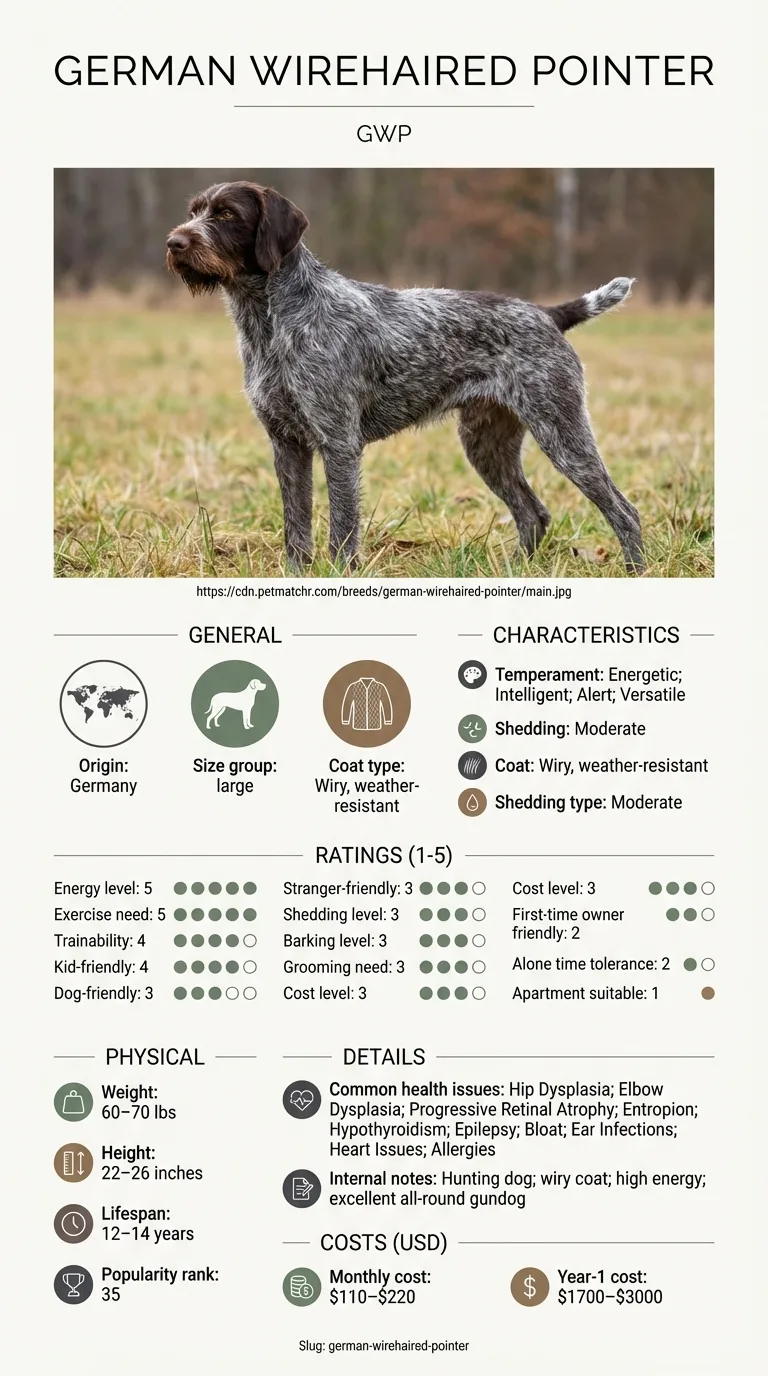
Understanding German Wirehaired Pointer Autoimmune Diseases infographic

Owners of German Wirehaired Pointers may find themselves facing these health challenges, especially if they have a dog prone to allergies or skin issues. First-time owners or busy families might struggle the most, as managing these problems can be time-consuming and stressful.

Important reminder

This guide is not medical advice. If your dog shows pain, sudden behavior change, or worsening symptoms, consult a licensed veterinarian.

Some links may be affiliate links. We may earn a commission at no extra cost to you. We only suggest products we believe are helpful for dog owners.

What this problem looks like

German Wirehaired Pointers can suffer from autoimmune diseases, which may manifest as skin conditions like sores and hair loss. Owners often notice these symptoms during regular grooming or playtime. The dog's skin may appear inflamed or irritated, leading to discomfort and potential secondary infections.

Common triggers

  • Genetic predisposition
  • Environmental allergens
  • Stressful situations or changes in routine

Autoimmune diseases are relatively common in German Wirehaired Pointers, with many owners experiencing this issue at least once in their dog's life. Studies suggest that these diseases can affect a notable percentage of the breed, making awareness and prompt veterinary care vital.

Why this happens

Breed factors

German Wirehaired Pointers can be predisposed to certain autoimmune diseases due to their genetic makeup. Some breeds have specific vulnerabilities that can lead to conditions such as skin disorders or allergies. This breed's energetic and active nature can also lead to stress, which may exacerbate health issues.

Environment factors

Environmental factors play a significant role in autoimmune diseases. Exposure to allergens, toxins, or harsh climates can trigger reactions in sensitive dogs. Additionally, an inconsistent diet or lack of proper care can weaken their immune systems, making them more susceptible to these conditions.

What you can try

At-home strategies

  • Provide a balanced diet rich in omega-3 fatty acids to support their immune system. Consider high-quality dog food or supplements after consulting with your vet.
  • Ensure regular grooming to keep their wiry coat healthy and free from irritants. This includes brushing to prevent skin issues and checking for any unusual sores.
  • Create a stress-free environment. Engage in regular exercise and mental stimulation to keep your German Wirehaired Pointer calm and happy.

When to consider a trainer

If your dog exhibits behavioral changes or signs of anxiety, consider consulting a professional trainer. They can provide strategies tailored to your dog's needs, particularly if stress is a contributing factor to their health issues.

When to talk to your vet

If you notice persistent skin issues, hair loss, or other unusual symptoms, it's essential to consult your veterinarian. Early intervention can lead to better management of autoimmune diseases and prevent further complications.

Realistic expectations

Most owners will notice improvement in their German Wirehaired Pointer's autoimmune disease symptoms within 3 to 6 months of implementing a consistent treatment and care plan.

Success means a significant reduction in symptoms, such as fewer skin flare-ups and improved quality of life for your dog.

Mistakes that make this worse – German Wirehaired Pointer autoimmune diseases

Avoiding these common mistakes can help manage autoimmune diseases in your German Wirehaired Pointer more effectively.

  • Ignoring early symptoms: Not noticing the initial signs of autoimmune diseases can delay treatment. Watch for skin issues, hair loss, or unusual behavior.
  • Delaying vet visits: Some owners wait too long to seek veterinary help, thinking the issue will resolve on its own. Early intervention can make a significant difference.
  • Over-restraining exercise: While it's essential to manage activity, overly limiting exercise can lead to weight gain and stress. Find a balance with gentle, supervised play.
  • Neglecting nutrition: A poor diet can exacerbate health issues. Consult your vet about a suitable diet that supports your dog's immune system.
  • Using harsh shampoos or treatments: Many owners resort to over-the-counter products that may irritate the skin further. Always choose vet-recommended products.
  • Ignoring mental health: Stress can worsen autoimmune diseases. Provide mental stimulation through training and interactive toys to keep your dog engaged.
  • Not following treatment plans: Some owners fail to stick to prescribed medication or treatments. Consistency is key for managing chronic conditions.

When It Is an Emergency

Autoimmune diseases in your German Wirehaired Pointer can range from mild to severe. It's essential to know when to act quickly versus when you can monitor the situation. Watch for red-flag signs that mean you should call your vet immediately.

Understanding German Wirehaired Pointer Autoimmune Diseases - When It Is an Emergency

Finding Relief for Bella: A German Wirehaired Pointer's Journey

Sarah, a busy veterinary technician, adopted Bella, a German Wirehaired Pointer, who struggled with autoimmune diseases. Initially, Bella had severe skin sores and hair loss, which left Sarah feeling overwhelmed. After consulting with a specialist and adjusting Bella's diet, including omega-3 fatty acids, and starting a gentle medication regimen, Sarah saw noticeable improvements. Within a few months, Bella's coat began to recover, and her energy levels soared. Sarah also learned the importance of routine vet visits and understanding Bella’s triggers, like stress and certain foods.

Key takeaway: With patience and a solid care plan, German Wirehaired Pointer owners can effectively manage autoimmune diseases, leading to happier and healthier dogs.

Frequently asked questions

Why does my German Wirehaired Pointer have autoimmune diseases?

Autoimmune diseases in German Wirehaired Pointers can be caused by genetic predisposition, environmental factors, or infections. These diseases occur when the immune system mistakenly attacks healthy cells. Regular vet check-ups and a healthy diet can help manage and prevent these conditions.

How can I stop my German Wirehaired Pointer from suffering from autoimmune diseases?

While you can't completely prevent autoimmune diseases, you can minimize risk factors. Ensure your dog has a balanced diet, regular exercise, and routine vet visits. Early detection and treatment can significantly improve their quality of life.

What are the common signs of autoimmune diseases in German Wirehaired Pointers?

Common signs include skin sores, hair loss, lethargy, and unusual behavior. If you notice any of these symptoms, consult your veterinarian immediately. Early intervention is key to managing these conditions effectively.

Are autoimmune diseases hereditary in German Wirehaired Pointers?

Yes, some autoimmune diseases can be hereditary. If your dog has a family history of such conditions, be vigilant for symptoms. Discuss with your vet about potential genetic testing and preventive care.

Can stress trigger autoimmune diseases in German Wirehaired Pointers?

Yes, stress can exacerbate underlying autoimmune diseases. Providing a stable and loving environment is essential for their well-being. Consider training programs to help manage stress and anxiety.

What treatments are available for German Wirehaired Pointer autoimmune diseases?

Treatment options include medications, dietary changes, and immunotherapy. Your vet will help determine the best course of action based on your dog's specific needs. Regular follow-ups will be necessary to monitor their condition.

How often should I take my German Wirehaired Pointer to the vet for autoimmune disease management?

It's advisable to have regular vet visits, ideally every 6 to 12 months. These visits can help catch any issues early and ensure your dog remains healthy. Your vet may recommend more frequent visits based on your dog's health status.

What are the signs of autoimmune diseases in a German Wirehaired Pointer?

Signs of autoimmune diseases can include skin lesions, hair loss, and lethargy. You might also notice frequent infections or unusual behaviors. If your dog shows any of these symptoms, it's essential to consult your vet.

Can diet affect autoimmune diseases in German Wirehaired Pointers?

Yes, diet can play a significant role in managing autoimmune diseases. A balanced diet rich in omega fatty acids and antioxidants may help reduce inflammation. Always discuss dietary changes with your veterinarian first.

Is there a genetic predisposition for autoimmune diseases in German Wirehaired Pointers?

Some studies suggest that certain breeds, including German Wirehaired Pointers, may have a genetic predisposition to autoimmune diseases. It's important to research your dog's lineage and consult with knowledgeable breeders or veterinarians about potential risks.

How can I support my German Wirehaired Pointer with autoimmune diseases?

Supportive care includes regular vet check-ups, a healthy diet, and stress reduction. Engaging in gentle exercise and providing a calm environment can also help your dog cope. Training can be beneficial to manage stress and anxiety.

When should I take my German Wirehaired Pointer to the vet for autoimmune issues?

If you notice persistent symptoms like skin lesions, unusual behavior, or frequent infections, it's time to visit the vet. Early diagnosis and treatment are crucial in managing autoimmune diseases effectively.

Quick answers

View more answers
Health

What are quick tips for managing autoimmune diseases in German Wirehaired Pointers?

Maintain a balanced diet, ensure regular exercise, and schedule routine vet check-ups. Early detection and consistent care are crucial.

Health

How can I support my German Wirehaired Pointer's immune system?

Provide them with high-quality nutrition and consider supplements that support immune health. Always consult your vet before starting any new supplements.

Training

Are there any specific training techniques for anxious German Wirehaired Pointers?

Positive reinforcement training can help reduce anxiety. Techniques like crate training and gradual desensitization may also be beneficial.

Health

What should I do if my German Wirehaired Pointer shows signs of skin issues?

Take them to the vet for a check-up as soon as possible. Skin issues can be a sign of underlying autoimmune diseases that need medical attention.

Costs

How much does it cost to manage autoimmune diseases in a German Wirehaired Pointer?

Monthly costs can range from $110 to $220, depending on treatments and vet visits. It's essential to budget for ongoing care.

Related DogBreedCompass guides

Related guides