What are some quick tips for German Shepherd ocular disease?
Regular vet check-ups are crucial to catch any eye issues early. Ensure your dog has a balanced diet and keep their environment free from irritants. Pay attention to any changes in behavior related to their vision.
German Shepherd ocular disease is a serious concern for many owners, as it can lead to vision loss and discomfort.
Owners of German Shepherds, particularly those who notice signs of eye discomfort or vision changes, often find themselves unsure of how to help. This is especially true for first-time dog owners who may not recognize the early symptoms of ocular disease.
Important reminder
This guide is not medical advice. If your dog shows pain, sudden behavior change, or worsening symptoms, consult a licensed veterinarian.
Some links may be affiliate links. We may earn a commission at no extra cost to you. We only suggest products we believe are helpful for dog owners.
We research and check what we publish, but we do not warrant that any figure, date, price, or statement is accurate, complete, or current, and we accept no liability for any loss, cost, injury, or other harm arising from the use of this site. Use it as one reference among several. You remain responsible for your own decisions and for your dog's care - confirm anything that matters with a licensed veterinarian or another qualified professional before you act on it. Full disclaimer.
Check this first
When German Shepherd Ocular Disease is an Emergency
Recognizing when German Shepherd ocular disease becomes an emergency is crucial for your dog's health. If you notice any severe symptoms, it's important to act quickly. Signs such as sudden blindness, excessive tearing, or a bloodshot eye can indicate a serious issue.
These symptoms require immediate veterinary attention to prevent long-term damage or pain.
If any of these apply, call your vet or an emergency clinic now. The rest of this page is for the cases that are not an emergency.
What this problem looks like
German Shepherd ocular disease can manifest as redness, excessive tearing, or cloudy eyes. Daily life with this condition can involve frequent vet visits and special care routines to manage symptoms. The emotional toll can be significant for owners, as they want their beloved dogs to be healthy and happy.
Common triggers
Genetic predisposition due to the breed's lineage
Environmental factors like dust and allergens
Age-related changes leading to conditions like cataracts or glaucoma
Ocular disease is notably common in German Shepherds, with studies indicating they have a 467% higher risk compared to other breeds. This makes regular check-ups and awareness of symptoms essential for proactive care.
Why this happens
Breed factors
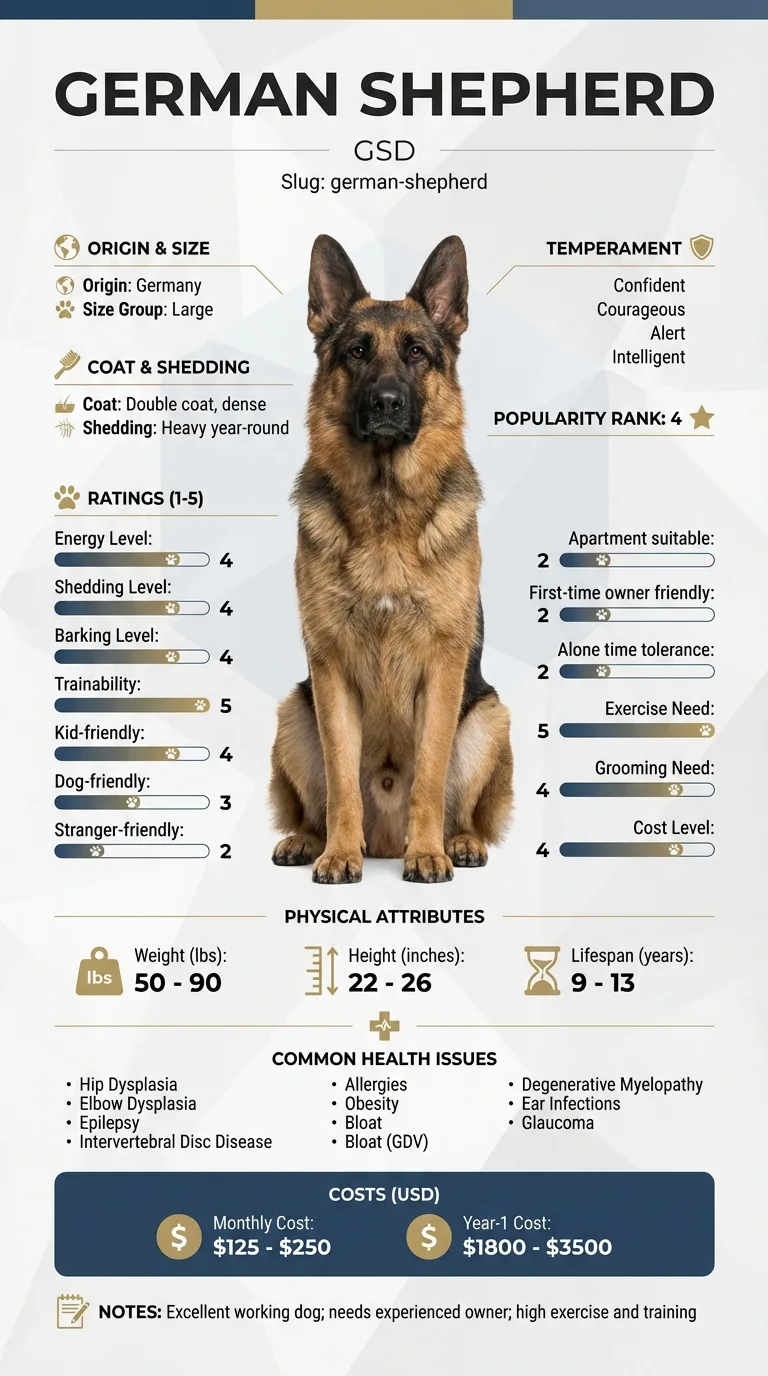
German Shepherds are prone to certain genetic conditions, including ocular diseases. Their large size and specific facial structure can contribute to eye problems like glaucoma and cataracts. Additionally, their high energy levels can sometimes lead to injuries or stress that affect their eyes.
Environment factors
Environmental factors such as exposure to allergens, pollutants, or harsh weather can exacerbate ocular diseases in German Shepherds. Lack of regular veterinary check-ups can also mean that issues go unnoticed and untreated, worsening the condition over time.
What you can do at home (once it is not an emergency)
When to talk to your vet
If you notice any changes in your German Shepherd's vision, like difficulty seeing or squinting, contact your vet immediately. Additionally, if your dog seems to be in pain or discomfort, don’t hesitate to seek professional advice.
At home, alongside your vet's plan
Regularly check your dog's eyes for signs of redness, discharge, or cloudiness. If you notice any changes, schedule a vet visit promptly.
Maintain a clean environment by reducing dust and allergens in your home. Use air purifiers and keep your dog's bedding clean.
Provide a balanced diet rich in omega fatty acids to support overall eye health. Consider adding supplements after discussing with your vet.
Mistakes that make Ocular Disease worse
Avoiding these common mistakes can help manage German Shepherd ocular disease more effectively.
Ignoring Symptoms: Failing to notice changes in your dog's eyes can delay treatment. Regular checks can help catch issues early.
Over-restraining Activity: While it's important to protect your dog's eyes, keeping them too inactive can lead to other behavioral problems. Incorporate gentle activities that don’t strain their eyes.
Neglecting Vet Visits: Skipping regular vet check-ups can lead to untreated conditions worsening. Make it a priority to schedule routine eye exams.
Using Harsh Cleansers: Some household cleaners can irritate your dog's eyes. Opt for vet-recommended products to keep their environment safe.
Self-Diagnosing: Relying on online sources instead of consulting a vet can lead to misunderstandings about your dog's condition. Always seek professional advice for eye health.
Inconsistent Medication: If your vet prescribes eye drops or medications, failing to administer them consistently can hinder recovery. Follow the prescribed schedule closely.
Ignoring Environmental Factors: Changes in your dog's environment, such as dust or smoke, can exacerbate eye conditions. Ensure your home is clean and free from irritants.
Addressing German Shepherd ocular disease typically takes several weeks to months, depending on the severity. Regular vet visits and consistent care are crucial during this time.
Success means your dog shows improvement in eye health, reduced symptoms, and a better quality of life. You should see increased comfort and fewer signs of distress.
When to Monitor Mild Cases
In less severe situations, you can monitor your German Shepherd's ocular health with a plan. Mild signs like occasional squinting or minor eye discharge can be observed for a few days. Keeping a close eye on these symptoms is essential, but if they persist or worsen, consult your vet for guidance.
Understanding German Shepherd Ocular Disease - When to Monitor Mild CasesUnderstanding German Shepherd Ocular Disease - When to Monitor Mild CasesUnderstanding German Shepherd Ocular Disease - When to Monitor Mild Cases
Emma and Max: A Journey Through Ocular Disease
Emma, a first-time German Shepherd owner, noticed her dog Max squinting and often rubbing his eyes. Concerned, she took him to the vet and discovered he had a common ocular disease. Emma learned that with proper medication, regular check-ups, and a few lifestyle adjustments, Max's condition could improve.
Emma committed to daily eye cleaning routines and followed her vet's advice diligently. After a few months, Max's symptoms significantly decreased, and he was back to playing fetch with his friends.
Key takeaway: Early detection and consistent care are vital in managing German Shepherd ocular disease. Don’t hesitate to seek veterinary help if you notice any changes in your dog's eyes.
Frequently asked questions
Why does my German Shepherd have ocular disease?
German Shepherd ocular disease can be due to genetic factors, age, or environmental influences. It's important to monitor your dog's eyes regularly for signs of trouble, such as excessive tearing or cloudiness. If you notice any symptoms, consult your veterinarian promptly.
How can I prevent ocular disease in my German Shepherd?
Preventative care is key for German Shepherd ocular disease. Regular eye exams by a vet can help catch issues early. Additionally, maintaining a healthy diet and keeping your dog's environment safe can reduce the risks.
What are the treatment options for ocular disease in German Shepherds?
Treatment options for German Shepherd ocular disease vary based on the severity. Options may include medications, surgery, or lifestyle changes. Your vet will suggest the best course of action based on your dog's specific condition.
How to stop German Shepherd ocular disease from worsening?
To stop German Shepherd ocular disease from worsening, follow your vet's recommendations closely. This may include administering prescribed medications and avoiding irritants in your dog's environment. Regular check-ups will also help track your dog's progress.
What signs should I look for in my German Shepherd’s eyes?
Look for signs like redness, cloudiness, excessive tearing, or squinting in your German Shepherd's eyes. If you notice any of these symptoms, it's essential to consult with your veterinarian. Early intervention can make a significant difference.
What are the early signs of German Shepherd ocular disease?
Early signs of German Shepherd ocular disease can include excessive tearing, redness in the eyes, and squinting. If your dog is frequently rubbing their eyes or showing sensitivity to light, these may also be warning signs that require a vet's attention.
Can German Shepherd ocular disease affect older dogs differently?
Yes, older German Shepherds may experience ocular disease symptoms more severely due to age-related factors. Their immune systems are weaker, and they might have other health issues that complicate treatment or worsen the condition.
What treatments are available for German Shepherd ocular disease?
Treatment options for German Shepherd ocular disease may include medicated eye drops, surgery, or changes in diet and environment. It's important to consult your vet to determine the best course of action based on the specific condition and severity.
How can I help my German Shepherd manage ocular disease at home?
To help your German Shepherd manage ocular disease at home, keep their environment clean and free of irritants, and follow your vet's recommendations for medication. Regularly check their eyes for changes and maintain a healthy diet to support their overall well-being.
What are some quick tips for German Shepherd ocular disease?
Regular vet check-ups are crucial to catch any eye issues early. Ensure your dog has a balanced diet and keep their environment free from irritants. Pay attention to any changes in behavior related to their vision.
Costs
How much does it cost to treat German Shepherd ocular disease?
Treatment costs for German Shepherd ocular disease can range from $200 to $1,500 depending on the severity and type of treatment. Regular veterinary care can help manage costs long-term.
Training
What is the best training method for a German Shepherd with ocular disease?
Positive reinforcement training is effective for German Shepherds with ocular disease. Focus on commands that enhance their confidence and accommodate their vision limitations. Consistency is key.
Behavior
Is ocular disease common in German Shepherds?
Yes, German Shepherds are predisposed to various ocular diseases due to genetic factors. Regular vet visits can help monitor their eye health and catch any problems early.
A fuller vet-visit kit for German Shepherd Ocular Disease
The free prep sheet covers the same-day warning signs, a symptom log and the questions to ask. We are considering a fuller kit that adds a cost worksheet for the usual tests and treatments (US price ranges with their sources) and a plain-English guide to ways of covering the bill. It is not built yet; this list tells us whether it is worth building.
One email, no spam, unsubscribe anytime. Information only, not veterinary advice.