Health
What are quick tips for managing German Shepherd genetic disorders?
Regular vet check-ups, a balanced diet, and consistent exercise can help manage genetic disorders. Early detection is key to effective treatment.

Quick answer
What are quick tips for managing German Shepherd genetic disorders?
Regular vet check-ups, a balanced diet, and consistent exercise can help manage genetic disorders. Early detection is key to effective treatment.
German Shepherds are prone to several genetic disorders that can affect their health and happiness. Knowing these issues is crucial for any owner.
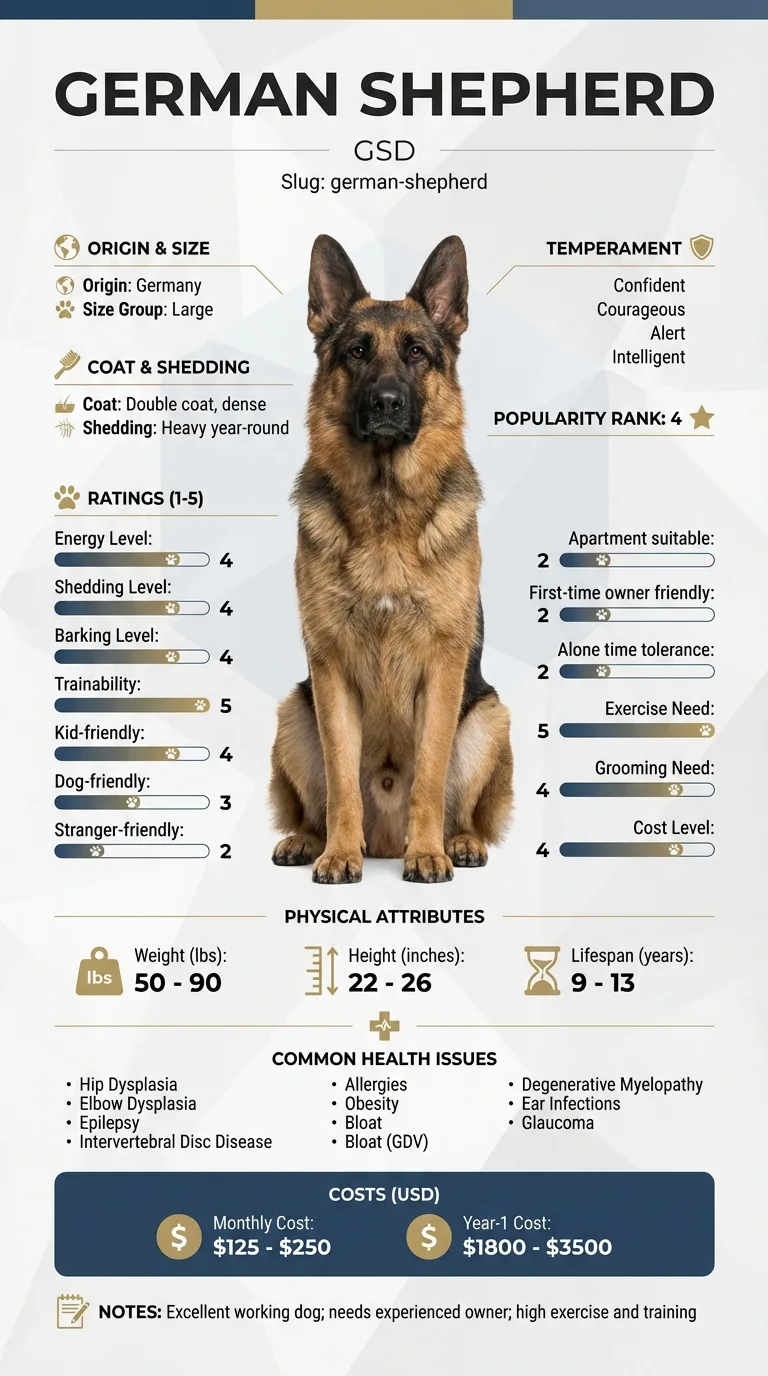
First-time dog owners and busy families may find it particularly challenging to navigate these health issues. Understanding the implications of these genetic disorders is essential for anyone looking to adopt or currently owning a German Shepherd.
This guide is not medical advice. If your dog shows pain, sudden behavior change, or worsening symptoms, consult a licensed veterinarian.
Some links may be affiliate links. We may earn a commission at no extra cost to you. We only suggest products we believe are helpful for dog owners.
We research and check what we publish, but we do not warrant that any figure, date, price, or statement is accurate, complete, or current, and we accept no liability for any loss, cost, injury, or other harm arising from the use of this site. Use it as one reference among several. You remain responsible for your own decisions and for your dog's care - confirm anything that matters with a licensed veterinarian or another qualified professional before you act on it. Full disclaimer.
Check this first
Understanding when German Shepherd most common genetic disorders become an emergency is crucial. Certain symptoms require immediate veterinary attention. Look out for signs such as difficulty breathing, extreme lethargy, or sudden loss of coordination.
If your dog collapses, has severe pain, or shows signs of bloat, these are urgent situations that need a vet's expertise without delay.
On the other hand, some mild symptoms can be monitored at home. If your German Shepherd shows slight limping or occasional coughing, it might not be an immediate cause for alarm. Keep track of these symptoms and develop a plan to discuss them with your vet during a regular check-up.
If the symptoms persist or worsen, that's when you should reach out for professional help.
Being proactive can make a big difference in managing your dog's health. Always trust your instincts; if you're unsure, it's better to be safe and consult your vet.
If any of these apply, call your vet or an emergency clinic now. The rest of this page is for the cases that are not an emergency.
German Shepherds are known for their intelligence and loyalty, but they are also prone to several genetic disorders. Common issues include hip dysplasia, elbow dysplasia, and degenerative myelopathy. These disorders can affect their daily lives, leading to pain, reduced activity levels, and a need for special care.
These genetic disorders are quite common in German Shepherds, with studies showing that around 20-30% of these dogs may experience some form of health issue related to their genetics.
German Shepherds are prone to certain genetic disorders due to their breeding history. Common issues include hip and elbow dysplasia and degenerative myelopathy, which are often inherited traits. The breed's popularity has led to breeding practices that sometimes prioritize appearance over health, increasing the likelihood of genetic disorders.
Environmental factors can also contribute to health problems in German Shepherds. Poor nutrition, lack of exercise, and obesity can exacerbate genetic conditions. Additionally, improper training or neglecting regular veterinary check-ups can lead to unaddressed health issues.
If you notice symptoms like limping, excessive barking, or changes in appetite, schedule a vet appointment. Discuss your concerns, especially if your dog has a family history of genetic disorders. Regular vet visits are crucial for managing existing conditions and preventing new ones.
Avoiding common pitfalls can greatly improve your German Shepherd's health. Here are key mistakes to watch out for.
See all German Shepherd health problems, which breeds are prone to most common genetic disorders, or the full German Shepherd breed guide for temperament, exercise needs and ownership costs.
Addressing genetic disorders in German Shepherds can take several months to years, depending on the specific issues. Regular vet visits and early intervention are key.
Success looks like a healthier dog with fewer symptoms and a well-managed treatment plan. Owners should notice improved mobility and comfort as well as a better quality of life.
Rita, a single mom in Seattle, adopted Max, a German Shepherd puppy. She soon learned he had hip dysplasia, a common genetic disorder. At first, she felt overwhelmed and unsure of how to help him. After consulting with her vet and joining a support group, Rita began a tailored exercise routine and invested in joint supplements. With time and dedication, Max became more active, and Rita felt relieved watching him play without pain.
Key takeaway: Early detection and a proactive approach can significantly improve the life of a German Shepherd with genetic disorders.
German Shepherds are prone to several genetic disorders, including hip dysplasia, elbow dysplasia, and degenerative myelopathy. These conditions can affect their mobility and overall health. Regular vet check-ups and screenings can help catch these issues early.
While you can't completely prevent genetic disorders, you can reduce the risk by choosing a reputable breeder who tests for hereditary conditions. Additionally, maintaining a healthy diet and exercise routine can improve your dog's overall well-being.
Genetic disorders in German Shepherds often arise from breeding practices. Inbreeding can lead to a higher prevalence of these disorders. Always research breeders and their practices to ensure you're getting a healthy puppy.
Symptoms can vary by disorder but may include limping, difficulty climbing stairs, or lethargy in the case of hip dysplasia. Other signs include seizures for epilepsy and excessive thirst or urination for conditions like diabetes. Observing your dog closely can help you recognize these issues.
Managing genetic disorders often involves veterinary care, including medication, physical therapy, and weight management. Regular vet visits are crucial for monitoring your dog's health and adjusting treatment plans as needed.
Treatment costs can vary widely, ranging from $500 to over $2,000 annually depending on the condition. It's essential to budget for routine vet visits and any potential treatments to keep your German Shepherd healthy.
If your German Shepherd displays signs like limping or unusual behavior, it's important to consult a vet. Early diagnosis can help manage conditions like hip dysplasia or epilepsy effectively.
Yes, older German Shepherds can be more prone to genetic disorders, especially conditions like degenerative myelopathy and bloat. Regular check-ups can help catch these issues early.
While training can help manage some behaviors linked to genetic disorders, it won't prevent them. Focus on providing a healthy lifestyle, including proper diet and exercise, to support your dog's overall well-being.
Genetic disorders in German Shepherds often stem from inherited traits. Breeding practices can increase the likelihood of these issues, so it's important to choose a reputable breeder.
Support your German Shepherd by following your vet's treatment plan, providing a balanced diet, and ensuring they get regular exercise. Adjusting their activity level can also help manage symptoms and improve their quality of life.
Regular vet check-ups, a balanced diet, and consistent exercise can help manage genetic disorders. Early detection is key to effective treatment.
It's best to take your German Shepherd for a check-up at least once a year, or more frequently if they show signs of illness or have known genetic disorders.
Watch for limping, excessive thirst, or changes in appetite. These can indicate underlying health issues.
Yes, a diet rich in omega fatty acids can support joint health, while weight management is crucial for overall wellness.
A one-page prep sheet for this condition: the signs, the questions to ask, what to get priced. Unlocks here.
You get: Vet visit prep sheet
No spam. One-click unsubscribe. See our privacy policy.
See a sample page before you decide.
Early access list
The free prep sheet covers the same-day warning signs, a symptom log and the questions to ask. We are considering a fuller kit that adds a cost worksheet for the usual tests and treatments (US price ranges with their sources) and a plain-English guide to ways of covering the bill. It is not built yet; this list tells us whether it is worth building.
One email, no spam, unsubscribe anytime. Information only, not veterinary advice.