Health
What are the quick tips for managing German Shepherd liver shunts?
Keep your dog on a high-quality diet, schedule regular vet check-ups, and monitor for symptoms like lethargy or confusion.

Quick answer
What are the quick tips for managing German Shepherd liver shunts?
Keep your dog on a high-quality diet, schedule regular vet check-ups, and monitor for symptoms like lethargy or confusion.
German Shepherd liver shunts are serious health issues that affect your dog's well-being. These abnormalities in the portal vein can lead to significant health challenges if not addressed.
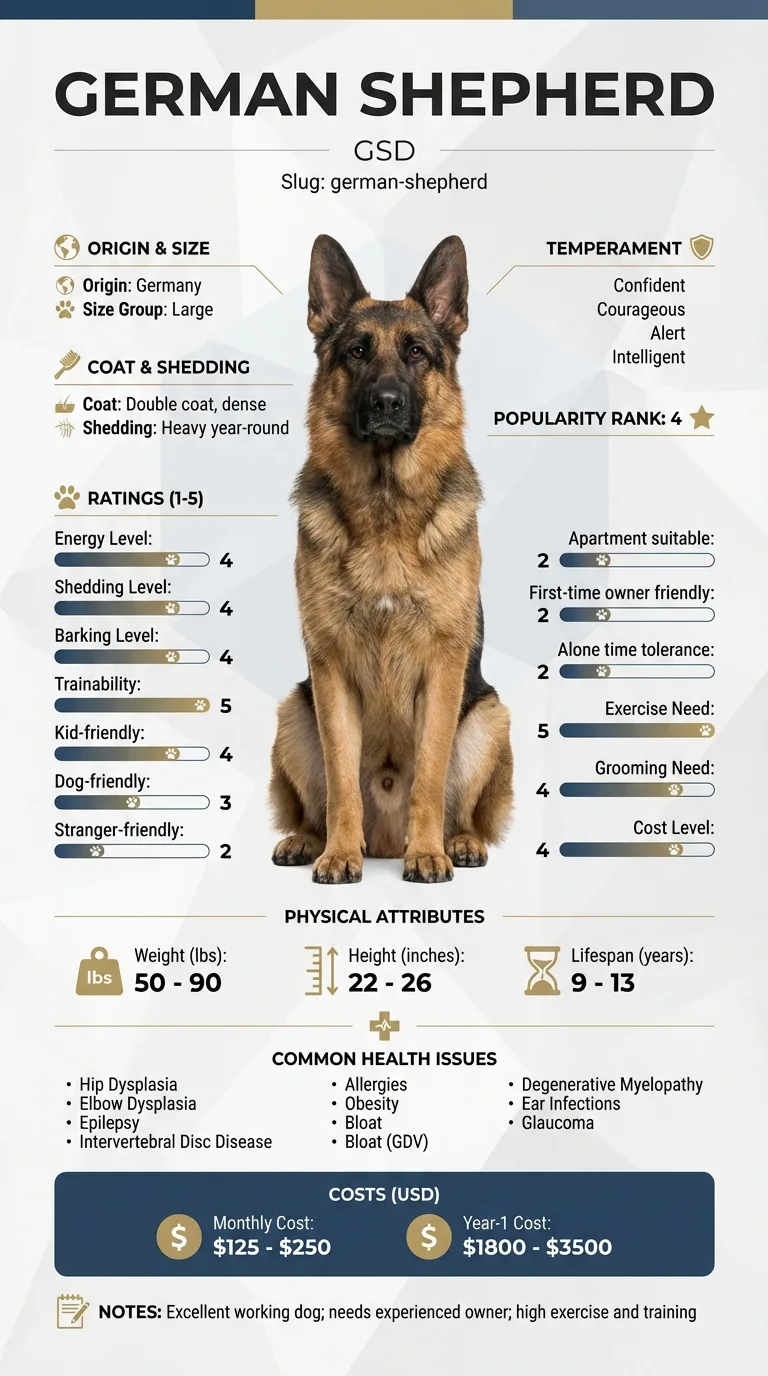
Many German Shepherd owners, especially first-time pet parents, may struggle with understanding liver shunts. Those who notice unusual behavior or health symptoms in their dogs often feel overwhelmed and confused about the next steps.
This guide is not medical advice. If your dog shows pain, sudden behavior change, or worsening symptoms, consult a licensed veterinarian.
Some links may be affiliate links. We may earn a commission at no extra cost to you. We only suggest products we believe are helpful for dog owners.
We research and check what we publish, but we do not warrant that any figure, date, price, or statement is accurate, complete, or current, and we accept no liability for any loss, cost, injury, or other harm arising from the use of this site. Use it as one reference among several. You remain responsible for your own decisions and for your dog's care - confirm anything that matters with a licensed veterinarian or another qualified professional before you act on it. Full disclaimer.
Check this first
Recognizing the signs of German Shepherd liver shunts is crucial. Some symptoms indicate an emergency situation, while others can be monitored. If your German Shepherd shows any of the following red-flag signs, it’s time to call your vet immediately.
Emergency signs include severe lethargy, seizures, vomiting, or any sudden changes in behavior. If your dog is experiencing difficulty breathing or has a bloated abdomen, don't wait. These symptoms could mean that the liver shunt is causing serious complications.
Milder cases may still require attention but can often be watched at home. If your German Shepherd is occasionally lethargic or has mild digestive issues, monitor their behavior closely. Keeping a journal of their eating habits and energy levels can help you notice any concerning changes.
However, if these symptoms persist or worsen, seek veterinary advice promptly.
If any of these apply, call your vet or an emergency clinic now. The rest of this page is for the cases that are not an emergency.
German Shepherd liver shunts are serious health issues involving abnormal blood flow in the liver. This condition can lead to liver dysfunction, which may cause symptoms like vomiting, lethargy, and poor growth in puppies. Owners often notice these signs during the early stages of their dog's life, making it crucial to understand the potential for liver problems in this breed.
Liver shunts in German Shepherds are not the most common health issue, but they do occur with enough frequency to warrant attention. Breeders should screen for genetic conditions, and proactive pet owners should be vigilant about their dog's health.
German Shepherds may be predisposed to liver shunts due to their genetics. These large, intelligent dogs can inherit traits from their parents that affect liver development.
Environmental factors can also play a role. Poor diet, exposure to toxins, and lack of proper veterinary care can contribute to liver health issues in these dogs.
If you suspect your dog has liver shunts, or if they show symptoms such as vomiting, lethargy, or jaundice, reach out to your vet immediately. Early intervention is crucial for managing liver health.
It’s easy to unintentionally make German Shepherd liver shunts worse. Here are some common mistakes to avoid, along with safer alternatives.
Start here: German Shepherd Most Common Genetic Disorders: Screening
See all German Shepherd health problems, which breeds are prone to liver shunts, or the full German Shepherd breed guide for temperament, exercise needs and ownership costs.
If you suspect your German Shepherd has liver shunts, it’s crucial to seek veterinary attention immediately. Diagnosis and treatment can take a few weeks. With proper management, many dogs can lead happy lives, but monitoring will be ongoing.
Success means your German Shepherd responds well to treatment and shows improvement in energy levels and overall health. Regular check-ups and a tailored diet can help manage their condition effectively.
When Sarah adopted Max, her German Shepherd, she noticed he was lethargic and didn’t have much of an appetite. After several vet visits, Max was diagnosed with liver shunts. Determined to help him, Sarah followed the vet’s advice on dietary changes and medication. Over the next few months, Max gradually gained energy and began to enjoy his daily walks again. Sarah learned to monitor his condition closely and stick to a vet-approved regimen.
Key takeaway: With the right treatment and care, dogs like Max can still enjoy life despite health challenges.
German Shepherd liver shunts are abnormal blood vessels that bypass the liver, which can prevent toxins from being filtered out. This condition can lead to serious health issues, including neurological problems and stunted growth. It's essential to have your dog evaluated by a vet if you suspect liver shunts.
Preventing liver shunts isn't straightforward, as many cases are genetic. However, you can support liver health by providing a balanced diet, regular exercise, and routine vet visits. If diagnosed, your vet may recommend surgical options or specific dietary changes.
Symptoms of liver shunts can include poor growth, lethargy, confusion, and gastrointestinal issues. Some dogs may also have neurological signs like seizures. If you notice these symptoms, consult your veterinarian immediately.
Yes, treatment options for liver shunts vary depending on severity. Surgical correction is often the most effective approach. Your vet will discuss the best options based on your dog's specific condition.
The long-term outlook depends on the severity of the shunt and the treatment provided. With proper management, many dogs can lead healthy lives. Regular follow-ups with your vet are crucial for monitoring.
Signs of liver shunts in German Shepherds can include vomiting, poor growth, lethargy, and unusual behavior. If your dog is showing any of these symptoms, it's important to consult with your vet immediately.
While liver shunts are often congenital, they can also develop later in life due to liver disease or other health issues. If your older German Shepherd is showing signs of liver problems, a vet evaluation is crucial.
Yes, a low-protein diet is often recommended for German Shepherds with liver shunts to reduce the amount of waste the liver has to filter. Always consult your vet for personalized dietary advice.
Supporting your German Shepherd during treatment may involve providing a consistent routine, monitoring their diet, and keeping them calm. Regular vet check-ups are essential to track their progress.
Keep your dog on a high-quality diet, schedule regular vet check-ups, and monitor for symptoms like lethargy or confusion.
Treatment can range from a few thousand dollars for surgery to ongoing costs for medications and special diets.
Focus on gentle training that reinforces positive behavior without overstressing your dog. Avoid strenuous activities.
A special diet low in protein and high in specific nutrients is usually recommended. Consult your vet for tailored advice.
A one-page prep sheet for this condition: the signs, the questions to ask, what to get priced. Unlocks here.
You get: Vet visit prep sheet
No spam. One-click unsubscribe. See our privacy policy.
See a sample page before you decide.
Early access list
The free prep sheet covers the same-day warning signs, a symptom log and the questions to ask. We are considering a fuller kit that adds a cost worksheet for the usual tests and treatments (US price ranges with their sources) and a plain-English guide to ways of covering the bill. It is not built yet; this list tells us whether it is worth building.
One email, no spam, unsubscribe anytime. Information only, not veterinary advice.