Behavior
What are quick tips for managing German Shepherd chondrodystrophy (cddy)?
Focus on weight management, regular vet check-ups, and gentle exercise to keep your German Shepherd comfortable. Consider joint supplements for added support.

Quick answer
What are quick tips for managing German Shepherd chondrodystrophy (cddy)?
Focus on weight management, regular vet check-ups, and gentle exercise to keep your German Shepherd comfortable. Consider joint supplements for added support.
German Shepherd chondrodystrophy (cddy) is a developmental disorder affecting your dog's bones. It can lead to discomfort and mobility issues, making it vital for owners to recognize the signs early.
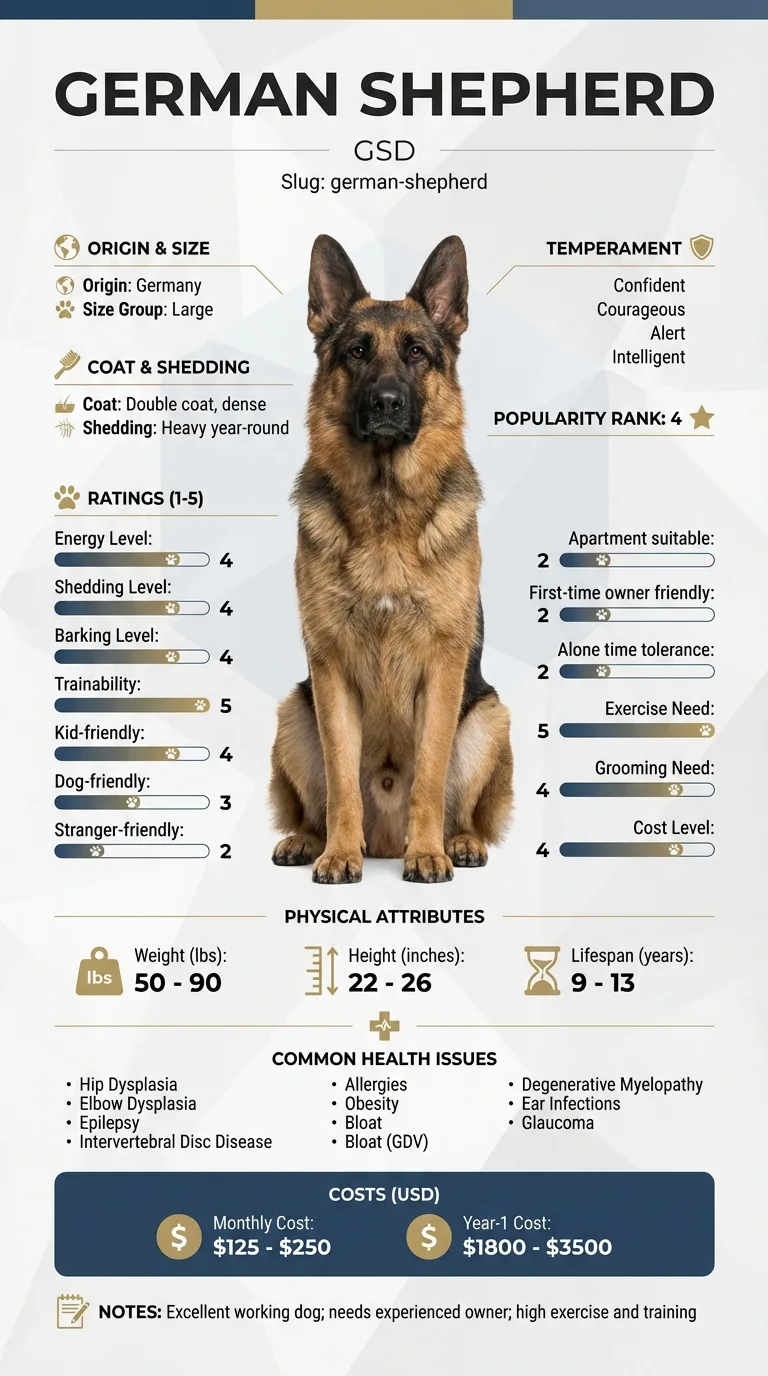
Typical owners facing this issue are those who may not be aware of the genetic predispositions in their German Shepherds. First-time owners or those unfamiliar with specific breed health issues often find themselves needing guidance on how to manage cddy effectively.
This guide is not medical advice. If your dog shows pain, sudden behavior change, or worsening symptoms, consult a licensed veterinarian.
Some links may be affiliate links. We may earn a commission at no extra cost to you. We only suggest products we believe are helpful for dog owners.
We research and check what we publish, but we do not warrant that any figure, date, price, or statement is accurate, complete, or current, and we accept no liability for any loss, cost, injury, or other harm arising from the use of this site. Use it as one reference among several. You remain responsible for your own decisions and for your dog's care - confirm anything that matters with a licensed veterinarian or another qualified professional before you act on it. Full disclaimer.
Check this first
Recognizing when German Shepherd chondrodystrophy (cddy) becomes an emergency is crucial. Immediate veterinary attention is necessary if you notice severe symptoms. These include significant difficulty walking, severe pain, or any signs of distress, such as whining or excessive panting.
Additionally, if your dog experiences sudden swelling in the limbs or abnormal posture, it's time to call your vet immediately. These can be signs of serious complications that require urgent care.
On the other hand, if your German Shepherd shows mild symptoms like slight limping or occasional stiffness, you can monitor the situation. It’s wise to keep a close eye on their movements and behavior. Make a plan for gradual exercise adjustments and gentle stretching to help manage their condition at home.
If any of these apply, call your vet or an emergency clinic now. The rest of this page is for the cases that are not an emergency.
German Shepherd chondrodystrophy (cddy) is a developmental disorder that affects bone formation, particularly in the growth plates. This can lead to abnormal bone development, mobility issues, and pain. Owners may notice their German Shepherd struggling with physical activities or displaying unusual postures as they grow.
Chondrodystrophy (cddy) is relatively uncommon but can occur in German Shepherds due to their genetic background. While not all GSDs will develop this condition, it's important for potential owners to be aware of the risks, especially in breeding lines known for health issues.
German Shepherd chondrodystrophy (cddy) is primarily linked to genetic predispositions. This hereditary condition affects bone development, leading to abnormal growth patterns. Breeds like the German Shepherd are more susceptible due to selective breeding practices focused on certain traits.
Environmental factors can also play a role in the severity of cddy. Poor nutrition during the puppy stage can exacerbate bone development issues. Additionally, over-exercising a young dog or allowing them to jump excessively can worsen their condition.
It's important to consult a vet if your dog exhibits pain, limping, or any signs of discomfort. Regular check-ups can help monitor the progression of cddy and adjust care plans as needed. If you suspect worsening symptoms or have concerns about their health, don’t hesitate to reach out.
Avoiding certain behaviors can significantly improve your German Shepherd's chondrodystrophy (cddy). Here are some common mistakes to steer clear of.
Start here: German Shepherd Most Common Genetic Disorders: Screening
See all German Shepherd health problems, which breeds are prone to chondrodystrophy cddy, or the full German Shepherd breed guide for temperament, exercise needs and ownership costs.
With consistent care and follow-up with your vet, you can start noticing improvements in your German Shepherd's behavior and comfort within 2-3 months.
Success looks like your German Shepherd showing increased mobility, comfort, and reduced anxiety. You'll also notice improved training responsiveness and a stronger bond with your dog.
When Sarah, a busy nurse from Denver, adopted Max, her German Shepherd, she quickly noticed his struggles with mobility. Max often hesitated to jump or run, showing signs of discomfort. After a vet visit, they diagnosed him with chondrodystrophy (CDDY). Determined to help, Sarah started a tailored training program focusing on gentle exercises and strengthening routines. She also incorporated specific commands that encouraged Max to engage without straining himself. Over the next few months, Max began to show improvement. He became more active and responsive to training, and their bond deepened as they worked together to manage his condition.
Key takeaway: With patience and the right approach, even dogs with chondrodystrophy can lead happy, active lives. Tailored training is key.
Signs of German Shepherd chondrodystrophy (cddy) include abnormal bone growth, difficulty walking, and joint pain. You may also notice your dog struggling to keep up during exercise or having a stiff gait. If you see these symptoms, it's important to consult your vet.
Managing cddy involves regular vet check-ups and possibly medication to alleviate pain. Maintaining a healthy weight can reduce stress on joints. Additionally, gentle exercise is crucial to keep your dog mobile without overexerting them.
While training won't cure cddy, it can improve your dog's quality of life. Focus on gentle commands and activities that promote mental stimulation without putting strain on their body. Consistency is key in training.
Signs of cddy include limping, difficulty in mobility, and unusual postures. You may also notice stiffness after resting. If you observe these signs, it’s important to consult your veterinarian.
Support can come from providing a comfortable living environment and a balanced diet. Look into joint supplements and consider orthopedic bedding to ease discomfort. Regular vet visits will help monitor your dog's condition.
Yes, while chondrodystrophy (cddy) is typically a developmental disorder, older German Shepherds can also experience its effects. Age-related changes can exacerbate the symptoms, leading to increased discomfort or mobility issues. Regular check-ups with your vet can help manage these concerns.
Training a German Shepherd with chondrodystrophy (cddy) should focus on positive reinforcement and gentle exercises. Avoid high-impact activities that may strain their joints. Instead, engage in low-impact training that encourages mental stimulation without overexertion.
You should seek veterinary help if your German Shepherd shows signs of pain, difficulty moving, or any sudden changes in behavior. Early intervention is key in managing chondrodystrophy (cddy) effectively. Your vet can recommend treatment options to alleviate discomfort.
German Shepherds with chondrodystrophy (cddy) may benefit from a diet rich in joint-supporting nutrients like omega fatty acids and glucosamine. Consult your vet for tailored dietary recommendations to support your dog's overall health and joint function.
Focus on weight management, regular vet check-ups, and gentle exercise to keep your German Shepherd comfortable. Consider joint supplements for added support.
Yes, training can improve your dog's mental health and provide structure. Use gentle training methods to encourage movement without putting strain on their joints.
Common symptoms include limping, stiffness, and unusual body postures. If you notice these signs, it's time to consult a vet.
A one-page prep sheet for this condition: the signs, the questions to ask, what to get priced. Unlocks here.
You get: Vet visit prep sheet
No spam. One-click unsubscribe. See our privacy policy.
Preview page 1 before you decide.