Health
What are quick tips for managing German Shepherd autoimmune diseases?
Regular vet check-ups, a balanced diet, and minimizing stress can help manage autoimmune diseases in German Shepherds.

Quick answer
What are quick tips for managing German Shepherd autoimmune diseases?
Regular vet check-ups, a balanced diet, and minimizing stress can help manage autoimmune diseases in German Shepherds.
German Shepherd autoimmune diseases can lead to serious health issues like skin conditions and hair loss. These diseases occur when the immune system mistakenly attacks the dog's own body.
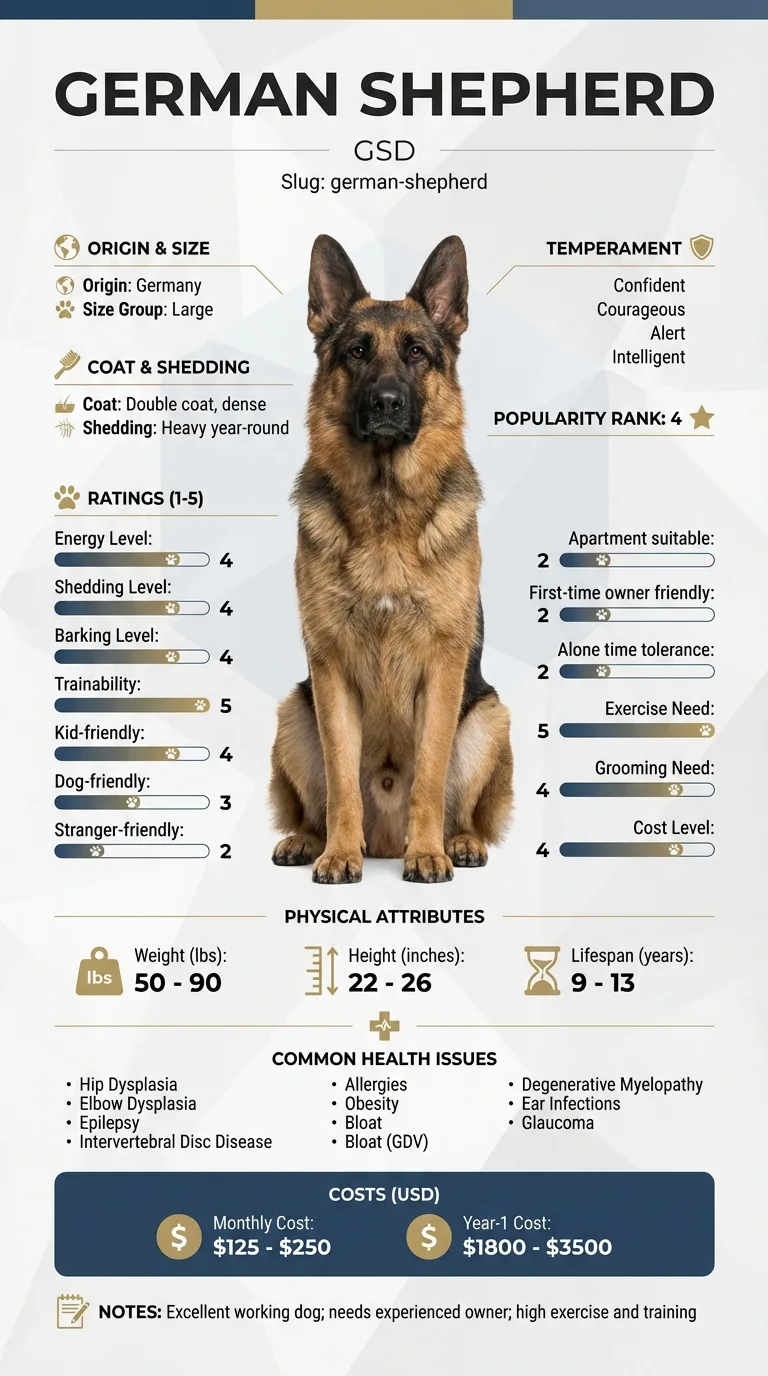
This issue often affects dedicated dog owners who are deeply invested in their pets’ health. New owners or those unfamiliar with the breed's health risks might feel overwhelmed when faced with these challenges.
This guide is not medical advice. If your dog shows pain, sudden behavior change, or worsening symptoms, consult a licensed veterinarian.
Some links may be affiliate links. We may earn a commission at no extra cost to you. We only suggest products we believe are helpful for dog owners.
We research and check what we publish, but we do not warrant that any figure, date, price, or statement is accurate, complete, or current, and we accept no liability for any loss, cost, injury, or other harm arising from the use of this site. Use it as one reference among several. You remain responsible for your own decisions and for your dog's care - confirm anything that matters with a licensed veterinarian or another qualified professional before you act on it. Full disclaimer.
Check this first
Call your vet immediately if you notice any of the following red-flag signs:
- Severe lethargy or weakness - Difficulty breathing - Swelling or sudden bumps on the skin - Uncontrolled bleeding or bruising - Persistent vomiting or diarrhea - Signs of pain, such as whining or reluctance to move
These symptoms could indicate a serious complication or exacerbation of autoimmune diseases. In such cases, timely intervention can save your dog's life.
On the other hand, if your German Shepherd shows mild symptoms, you might monitor them at home. Mild signs include:
- Occasional skin irritation or itching - Mild lethargy that doesn’t worsen - Decreased appetite without other symptoms - Minor changes in behavior
In these cases, keep a close eye on your dog. Create a plan that includes regular vet check-ups and symptom tracking. However, if symptoms escalate or new ones arise, don’t hesitate to contact your veterinarian.
Always trust your instincts; better safe than sorry when it comes to your furry friend’s health.
If any of these apply, call your vet or an emergency clinic now. The rest of this page is for the cases that are not an emergency.
German Shepherd autoimmune diseases can lead to chronic skin conditions, including sores and hair loss. These issues often manifest as redness, itching, or inflammation, significantly impacting your dog's comfort and quality of life. Owners may notice their GSD scratching excessively or developing hot spots, which can be distressing for both the dog and the owner.
Autoimmune diseases are relatively common in German Shepherds, primarily due to their genetic background. Many owners report these health issues as significant concerns, with a noticeable percentage of GSDs experiencing skin problems at some point in their lives.
German Shepherds are prone to certain genetic conditions, including autoimmune diseases. These diseases can stem from their strong genetics, which may predispose them to immune system issues. Their large size and unique coat type can also contribute to skin problems that lead to autoimmune responses.
Environmental factors play a significant role in autoimmune diseases in German Shepherds. Stressful living conditions, such as a chaotic household or lack of socialization, can weaken their immune system. Additionally, exposure to allergens, poor diet, or inadequate veterinary care can trigger or worsen these diseases.
If you notice persistent skin issues, unexplained lethargy, or changes in appetite, consult your vet immediately. They can provide a proper diagnosis and recommend treatment options for managing autoimmune diseases.
Avoiding these common mistakes can help manage German Shepherd autoimmune diseases more effectively.
Start here: German Shepherd Most Common Genetic Disorders: Screening
See all German Shepherd health problems, which breeds are prone to autoimmune diseases, or the full German Shepherd breed guide for temperament, exercise needs and ownership costs.
Managing German Shepherd autoimmune diseases often takes several months. Initial symptoms might improve within 4-6 weeks with proper treatment, but it may take 3-6 months to see significant overall progress.
Success looks like stable health, reduced flare-ups, and your German Shepherd enjoying a better quality of life. You'll also notice improved energy levels and a happier demeanor.
When Sarah adopted Max, her German Shepherd, he had persistent skin issues and hair loss. After a vet visit revealed autoimmune diseases, Sarah felt overwhelmed. She committed to a strict diet and regular vet check-ups. With consistent care and patience, Max's skin improved within months. Now, he happily runs in the yard, flaunting his shiny coat, and Sarah feels relieved knowing she made a difference.
Key takeaway: With time, dedication, and the right care, managing German Shepherd autoimmune diseases can lead to a healthier and happier pet.
Autoimmune diseases in German Shepherds can stem from genetic factors, environmental triggers, or infections. These conditions occur when the immune system mistakenly attacks the dog's own tissues. It's important to consult a vet for a proper diagnosis and treatment plan.
While you can't always prevent autoimmune diseases, you can manage them by providing a balanced diet, minimizing stress, and ensuring regular vet check-ups. Some medications may also help control symptoms, so work closely with your veterinarian for the best approach.
Signs of autoimmune diseases in German Shepherds can include skin sores, hair loss, and unusual behavior. You may also notice changes in appetite or lethargy. If you observe these symptoms, it's important to consult a vet.
Feeding a high-quality, hypoallergenic diet may help manage autoimmune issues. Consult your vet about suitable food options to reduce allergens and support your dog's immune health.
Caring for a German Shepherd with autoimmune diseases involves regular veterinary visits, a proper diet, and monitoring for any new symptoms. Providing a stress-free environment and reducing exposure to allergens can also be beneficial.
Moderate exercise can benefit your German Shepherd by keeping them healthy and reducing stress. However, avoid overexertion and consult your vet to tailor an exercise routine that suits your dog's condition.
Helping your German Shepherd may involve a combination of proper diet, medication, and regular vet check-ups. Providing a stress-free environment is also crucial. Training and socialization can aid in their overall well-being.
Yes, some German Shepherds may be more prone to autoimmune diseases due to genetics. If your dog has a family history of such conditions, discuss it with your vet. Regular health screenings can help catch issues early.
You should take your German Shepherd to the vet if you notice persistent skin issues or behavioral changes. If they show signs of pain or discomfort, it's essential to get them checked out as soon as possible. Early intervention can lead to better outcomes.
Yes, training can help reduce anxiety in German Shepherds, even those with autoimmune diseases. Positive reinforcement techniques can create a more relaxed environment and improve their coping mechanisms. Consider consulting a trainer experienced with dogs facing health challenges.
Regular vet check-ups, a balanced diet, and minimizing stress can help manage autoimmune diseases in German Shepherds.
It’s best to take your German Shepherd for check-ups every 6 to 12 months, or more frequently if they have ongoing health issues.
Yes, your vet may prescribe immunosuppressive medications or corticosteroids to help control symptoms of autoimmune diseases.
Focus on high-quality, hypoallergenic foods and consider supplements that support immune function, like Omega-3 fatty acids.
Yes, stress can worsen autoimmune symptoms, so creating a calm and consistent environment is important.
A one-page prep sheet for this condition: the signs, the questions to ask, what to get priced. Unlocks here.
You get: Vet visit prep sheet
No spam. One-click unsubscribe. See our privacy policy.
Preview page 1 before you decide.