Behavior
What are quick tips for German Shepherd allergic reactions?
To manage allergic reactions in your German Shepherd, keep their environment clean, use hypoallergenic products, and consult your vet for allergy testing.
German Shepherd allergic reactions can be a frustrating issue for many owners. These reactions can lead to discomfort and health problems for your pet.
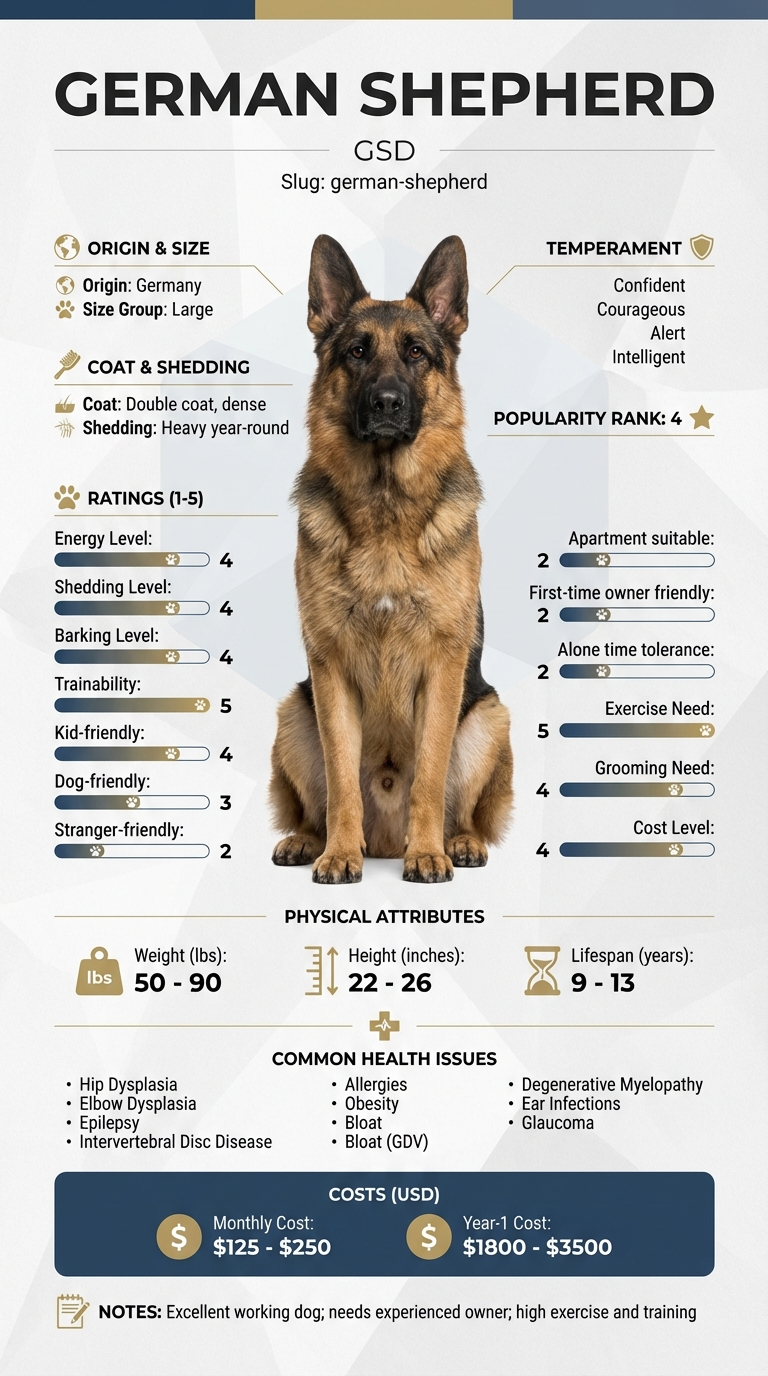
Owners of German Shepherds, especially first-time pet parents or those living in allergy-prone areas, often face this issue. These owners may notice unusual behaviors or symptoms in their dogs and feel overwhelmed trying to manage them.
This guide is not medical advice. If your dog shows pain, sudden behavior change, or worsening symptoms, consult a licensed veterinarian.
Some links may be affiliate links. We may earn a commission at no extra cost to you. We only suggest products we believe are helpful for dog owners.
German Shepherd allergic reactions can be frustrating for both the dog and the owner. These reactions often manifest as skin irritations, itching, or gastrointestinal issues. Common triggers include environmental allergens, specific foods, and even flea bites, making it essential for owners to identify and address these factors.
Allergic reactions are relatively common in German Shepherds, with studies suggesting they may be at a higher risk for allergies than other breeds. Many owners report dealing with some form of allergies throughout their dog's life.
German Shepherds can be prone to allergies due to their genetic makeup. Conditions such as skin allergies, food sensitivities, and environmental allergies are common in the breed. Their dense double coat can also trap allergens, making reactions more likely.
Environmental factors play a significant role in allergic reactions. Common triggers include pollen, mold, dust mites, and certain chemicals in cleaning products. Changes in diet or exposure to new substances can also lead to sudden reactions.
If your German Shepherd's allergic reactions lead to behavioral changes like excessive scratching or anxiety, a trainer can help address these issues. They can also guide you in creating a comfortable environment for your dog.
Consult your vet if your dog’s allergic reactions worsen or if you notice symptoms like persistent itching, swelling, or gastrointestinal issues. They can recommend allergy testing or medications to help manage your dog's condition.
You can expect to see improvements in your German Shepherd's allergic reactions within 4 to 8 weeks after implementing a consistent treatment plan.
Success means your German Shepherd experiences fewer allergic reactions, with noticeable changes in their skin condition, energy levels, and overall comfort.
Avoiding common mistakes can help manage your German Shepherd's allergic reactions effectively. Here are some behaviors to watch out for.
It's important to know when your German Shepherd's allergic reactions require immediate vet attention. Emergency signs can indicate a serious problem that needs fast action. If your dog experiences swelling of the face, difficulty breathing, or severe vomiting, you should call your vet right away.
These symptoms could mean anaphylaxis, which can be life-threatening.
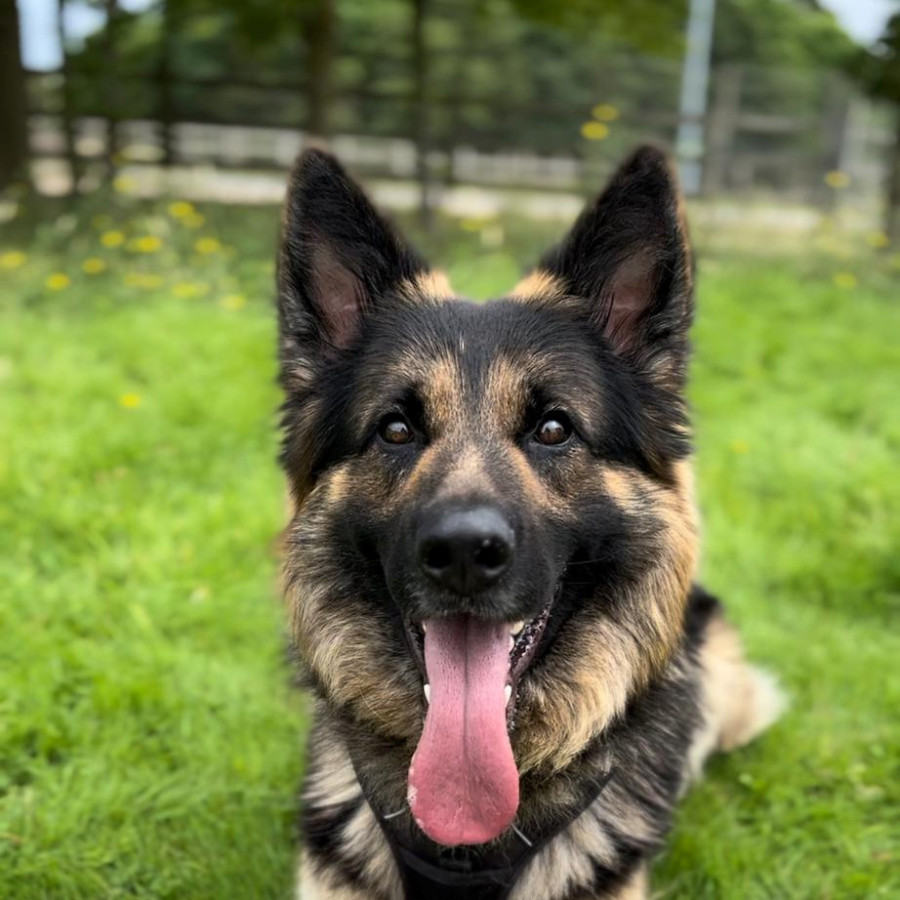
If your German Shepherd has mild symptoms like occasional itching, sneezing, or a slight rash, you can monitor the situation. Keep a diary of their reactions to help identify triggers. Consider consulting your vet for advice on how to stop German Shepherd allergic reactions and develop a management plan.
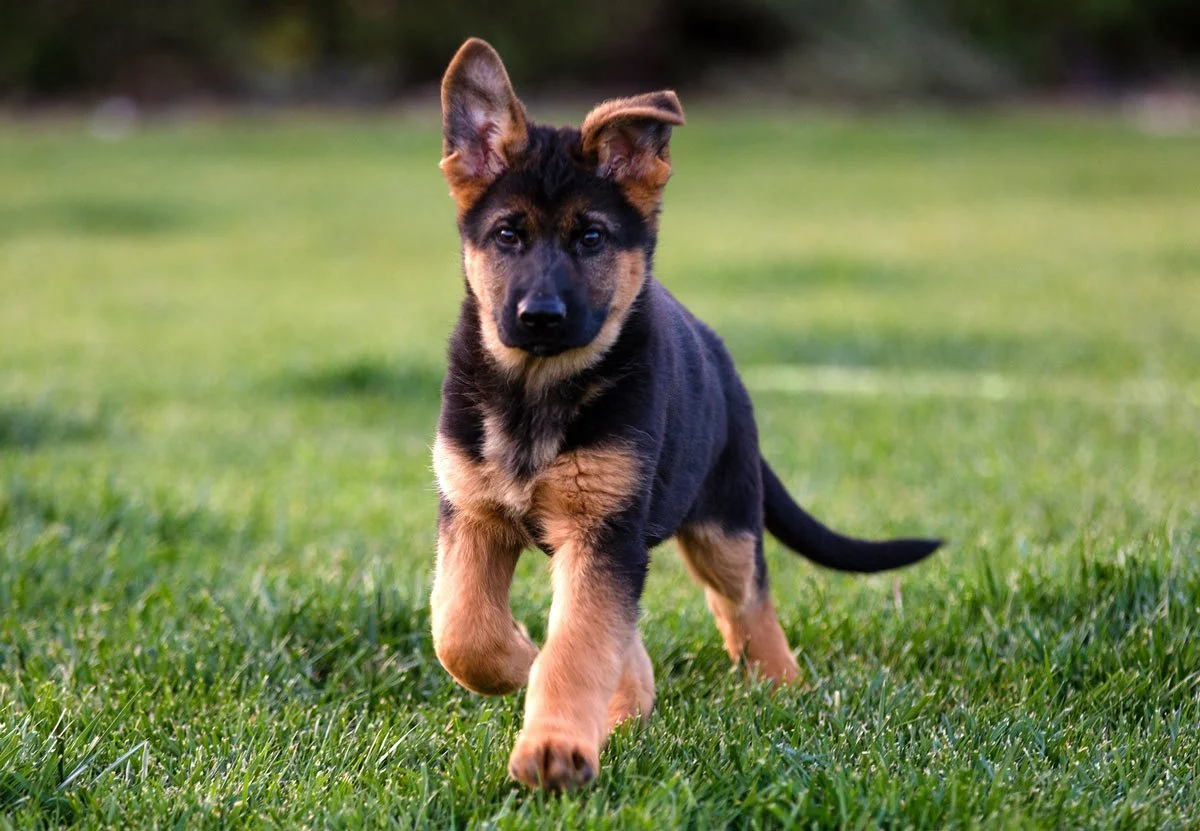
Jenna, a busy nurse, noticed her German Shepherd, Max, scratching incessantly and developing red patches on his skin. After researching German Shepherd allergic reactions, she consulted a vet who recommended dietary changes and a regular grooming schedule to reduce allergens in their home. With patience and dedication, Jenna followed the vet's advice and saw significant improvement in Max's condition within two months. He was happier and less uncomfortable, allowing them to enjoy their walks together again.
Key takeaway: Understanding your dog's specific needs and being proactive can lead to effective management of allergic reactions.
German Shepherd allergic reactions can be caused by various allergens such as pollen, dust mites, pet dander, or certain foods. These dogs have a higher risk for allergies, which can manifest as skin irritations or digestive issues. Identifying the specific allergen through observation or testing can help in managing these reactions.
To reduce allergic reactions, start by eliminating known allergens from your dog's environment. Regularly cleaning your home and using hypoallergenic dog food can also help. Consult with your vet for allergy testing and possible treatments such as medications or immunotherapy.
Common symptoms include itching, redness, swelling, and ear infections. You might also notice digestive issues like vomiting or diarrhea. If your dog shows any of these signs, a vet visit is necessary for diagnosis and treatment.
Yes, a grain-free or limited-ingredient diet may help reduce allergic reactions. These diets minimize exposure to common allergens found in traditional dog food. Always consult your vet before making significant dietary changes.
Training can assist in managing allergic reactions by helping your dog learn to avoid certain triggers. Desensitization techniques, guided by a professional trainer or behaviorist, can be effective in some cases. However, training alone won't eliminate allergies; it should be part of a broader management plan.
Common signs of allergic reactions in German Shepherds include itching, redness, swelling, and digestive issues like vomiting or diarrhea. You might also notice excessive scratching or ear infections. Observing your dog's behavior closely can help pinpoint the cause.
If your German Shepherd shows severe symptoms, such as difficulty breathing, swelling of the face, or persistent vomiting, you should seek veterinary care immediately. Even mild symptoms that persist over a few days warrant a vet visit to identify the allergen and get the appropriate treatment.
Yes, German Shepherds can develop allergies at any age, even if they have previously been healthy. Allergies can emerge due to environmental changes or exposure to new foods, so it's important to monitor your dog for any new symptoms as they grow older.
Managing allergic reactions at home can involve dietary changes, regular grooming to reduce allergens, and using hypoallergenic products. Keeping your home clean and minimizing exposure to known allergens can also help. Always consult your vet for guidance on effective home remedies.
While any dog can develop allergies, certain breeds, including German Shepherds, are more predisposed due to their genetics. It's essential to understand your dog's specific health risks and discuss them with your vet for proactive management.
To manage allergic reactions in your German Shepherd, keep their environment clean, use hypoallergenic products, and consult your vet for allergy testing.
Bathing your German Shepherd once a month can help remove allergens from their coat and skin. Use a gentle, hypoallergenic shampoo.
If your dog’s symptoms worsen, seek veterinary care immediately. It may indicate a severe allergic reaction that requires prompt attention.
Some over-the-counter medications can be safe for dogs, but always check with your vet before administering any medications to ensure safety and correct dosage.