Behavior
What are quick tips for managing myotonia congenita?
Keep a consistent exercise routine and incorporate physical therapy to help manage myotonia congenita in your English Cocker Spaniel.

Quick answer
What are quick tips for managing myotonia congenita?
Keep a consistent exercise routine and incorporate physical therapy to help manage myotonia congenita in your English Cocker Spaniel.
English Cocker Spaniel myotonia congenita leads to muscle stiffness, affecting your dog's mobility. This condition matters because it can impact your dog's quality of life and daily activities.
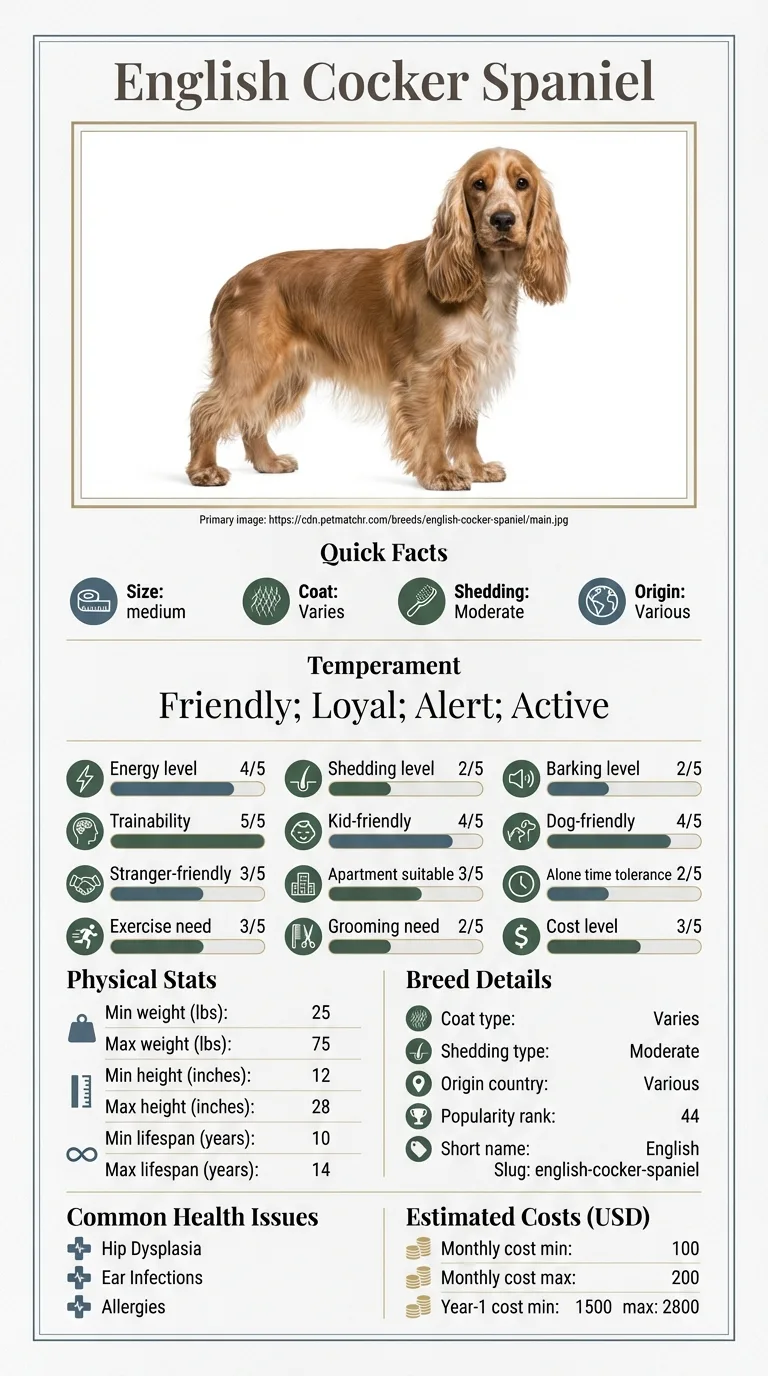
This issue typically affects owners who are new to dog training or those with busy lifestyles who may not recognize the signs of myotonia congenita. It can also be a concern for families with children or other pets, where mobility issues can complicate playtime and interactions.
This guide is not medical advice. If your dog shows pain, sudden behavior change, or worsening symptoms, consult a licensed veterinarian.
Some links may be affiliate links. We may earn a commission at no extra cost to you. We only suggest products we believe are helpful for dog owners.
We research and check what we publish, but we do not warrant that any figure, date, price, or statement is accurate, complete, or current, and we accept no liability for any loss, cost, injury, or other harm arising from the use of this site. Use it as one reference among several. You remain responsible for your own decisions and for your dog's care - confirm anything that matters with a licensed veterinarian or another qualified professional before you act on it. Full disclaimer.
Check this first
Recognizing when myotonia congenita in your English Cocker Spaniel becomes an emergency is crucial. Immediate veterinary attention is necessary if your dog shows severe muscle stiffness that prevents movement, collapses, or exhibits signs of pain. Additionally, if your dog struggles to breathe or has a rapid heart rate, don’t hesitate to call your vet right away.
These could indicate serious complications that require urgent intervention.
If any of these apply, call your vet or an emergency clinic now. The rest of this page is for the cases that are not an emergency.
English Cocker Spaniel myotonia congenita is a condition that causes muscle stiffness, making everyday movement difficult for your dog. This stiffness can lead to challenges in running, jumping, or even walking. Owners may notice their dog hesitating to move or appearing stiff after resting, which can be concerning.
Myotonia congenita is relatively uncommon in English Cocker Spaniels, but it can affect a small percentage of this breed. If you notice signs of muscle stiffness in your dog, it's important to consult a veterinarian for advice.
English Cocker Spaniels can inherit myotonia congenita due to genetic factors. This condition leads to muscle stiffness, making movement difficult. It's essential to understand that this is often a breed-specific issue linked to their genetic makeup.
Environmental factors can also influence the severity of myotonia congenita. Stressful situations, lack of exercise, or poor nutrition may exacerbate the symptoms. A supportive and calm environment is crucial for managing this condition effectively.
Consult your vet if you notice significant changes in your dog's mobility or behavior. A vet can provide guidance on treatment options and recommend therapies that may help alleviate symptoms of myotonia congenita.
Avoid these common mistakes that can worsen your English Cocker Spaniel's myotonia congenita.
Start here: English Cocker Spaniel Most Common Genetic Disorders
See all English Cocker Spaniel health problems, which breeds are prone to myotonia congenita, or the full English Cocker Spaniel breed guide for temperament, exercise needs and ownership costs.
Improving an English Cocker Spaniel with myotonia congenita usually takes several weeks to a few months. Consistent care and follow-up with your vet can lead to noticeable changes in muscle control and behavior.
Success means your dog shows improved muscle flexibility, reduced stiffness, and an overall happier demeanor. You should see them enjoying playtime and moving more freely.
Mild cases of myotonia congenita can often be managed at home. If your English Cocker Spaniel experiences occasional stiffness but otherwise seems healthy and playful, you can monitor the situation. Keeping a diary of symptoms can help track any changes, and adjusting their exercise routine may alleviate mild stiffness.
Always consult with your vet for guidance on creating a management plan tailored to your dog's needs.

Maria, a busy veterinarian in Seattle, adopted Max, an English Cocker Spaniel with myotonia congenita. At first, Max struggled with muscle stiffness, making him hesitant to play or even walk. Maria researched how to stop English Cocker Spaniel myotonia congenita and began a regimen of gentle exercises, stretching, and positive reinforcement training. Over time, Max became more playful and confident, showcasing his true personality. Maria also involved a local trainer who specialized in dog behavior problems, which greatly helped their journey.
Key takeaway: Patience and a tailored training approach can make a significant difference for dogs with myotonia congenita, leading to a happier and more active life.
English Cocker Spaniel myotonia congenita is a muscle disorder that results in stiffness and difficulty relaxing muscles after use. This condition can lead to awkward movements and may affect the dog's ability to play or walk normally.
To help your English Cocker Spaniel manage myotonia congenita, consider implementing a consistent exercise routine to keep their muscles active. Additionally, physical therapy may provide relief and help improve their overall mobility.
Yes, training can be beneficial for your English Cocker Spaniel. Focus on positive reinforcement techniques to encourage gentle movements and build confidence, but avoid overly strenuous activities that may exacerbate stiffness.
While myotonia congenita can impact your dog's quality of life, it can often be managed with proper care and lifestyle adjustments. Regular veterinary check-ups are crucial to monitor your dog's health and adjust their care plan as needed.
Signs of myotonia congenita in English Cocker Spaniels include muscle stiffness, especially after rest or exercise. You may notice your dog having difficulty moving or appearing rigid. If you observe these symptoms, it’s best to consult your vet for a proper diagnosis.
Yes, older English Cocker Spaniels may experience more severe symptoms of myotonia congenita. As they age, their muscles may not recover as quickly, leading to increased stiffness and discomfort. Regular check-ups with your vet are crucial to manage their condition effectively.
While there isn't a specific diet for myotonia congenita, a balanced diet rich in omega-3 fatty acids can support muscle health. Foods that promote overall well-being can help your dog manage symptoms better. Always discuss dietary changes with your vet to ensure they are appropriate for your pet.
If your English Cocker Spaniel's symptoms are affecting their quality of life, such as causing pain or severe stiffness, it may be time to discuss medication options with your vet. Medications can help manage symptoms and improve mobility. Regular monitoring and communication with your vet are key.
Myotonia congenita can make training more challenging due to muscle stiffness. Short, positive training sessions with plenty of breaks can help. Focus on gentle exercises that encourage movement without overexertion, and always pay attention to your dog’s comfort level.
Keep a consistent exercise routine and incorporate physical therapy to help manage myotonia congenita in your English Cocker Spaniel.
Aim for short, daily exercise sessions to help maintain muscle health without overexerting your dog.
A balanced diet can support your dog's overall health and muscle function, so consult your vet for dietary recommendations.
Use positive reinforcement training methods to encourage your dog while being mindful of their physical limitations.
If your English Cocker Spaniel experiences severe stiffness, contact your vet immediately for advice on managing the condition.
A one-page prep sheet for this condition: the signs, the questions to ask, what to get priced. Unlocks here.
You get: Vet visit prep sheet
No spam. One-click unsubscribe. See our privacy policy.
Preview page 1 before you decide.