DogBreedCompass
← Back to breed profile

Doberman Pinscher Myxomatous Mitral Valve Disease (MMVD)

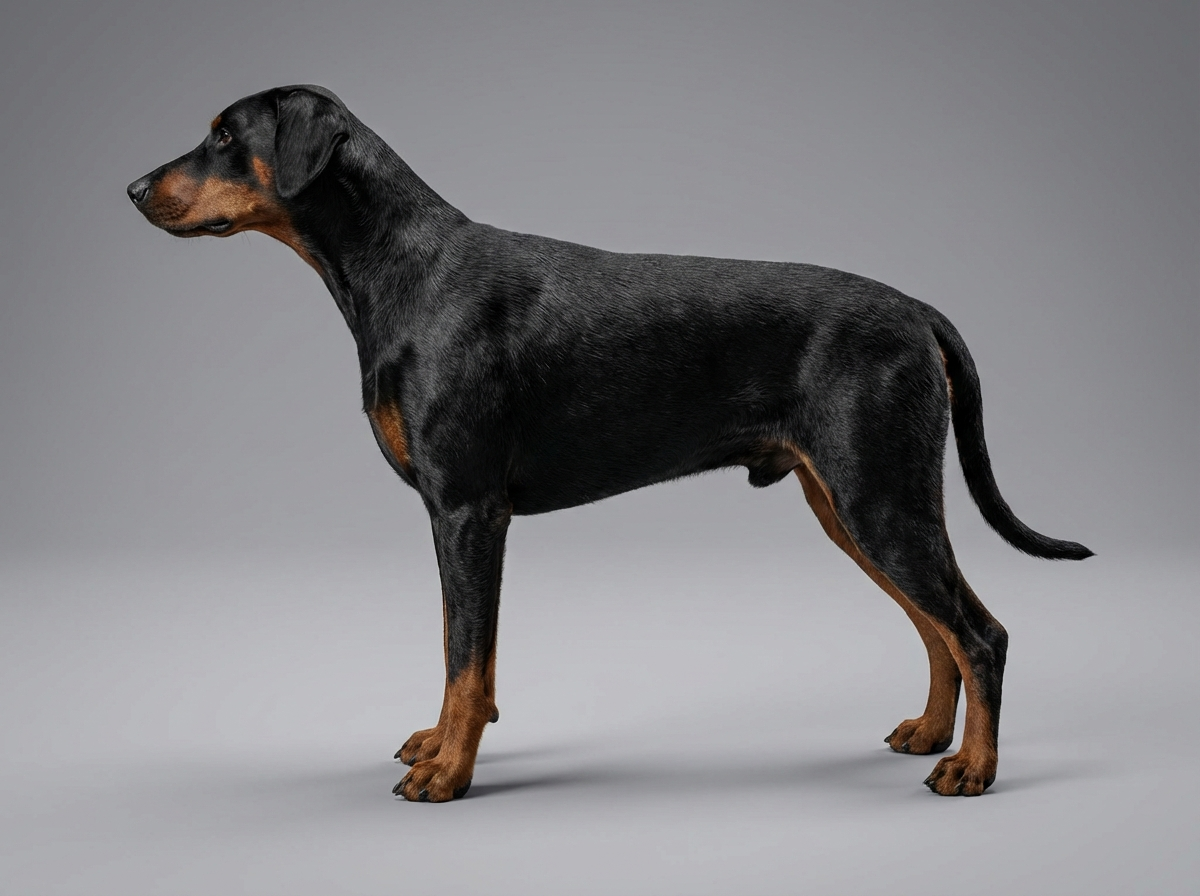
Myxomatous mitral valve disease (MMVD) is a serious heart condition affecting many Doberman Pinschers. (Doberman Pinscher myxomatous mitral valve disease (mmvd))

Doberman Pinscher Myxomatous Mitral Valve Disease (MMVD) infographic

Owners of Doberman Pinschers, especially those with older dogs, often find themselves grappling with this diagnosis. New dog owners may feel overwhelmed trying to navigate treatment options and lifestyle changes.

Important reminder

This guide is not medical advice. If your dog shows pain, sudden behavior change, or worsening symptoms, consult a licensed veterinarian.

Some links may be affiliate links. We may earn a commission at no extra cost to you. We only suggest products we believe are helpful for dog owners.

What this problem looks like

Doberman Pinscher myxomatous mitral valve disease (mmvd) is a serious heart condition that affects many Dobermans as they age. This disease typically leads to heart murmurs and can cause more severe symptoms like coughing, fatigue, and difficulty breathing. Owners may notice their dog becoming less active or having trouble keeping up during walks.

Common triggers

  • Genetic predisposition, as Dobermans are particularly prone to this condition.
  • Age, with symptoms often appearing in middle-aged dogs.
  • Stressful situations, which may exacerbate heart issues.

Myxomatous mitral valve disease (mmvd) is alarmingly common in Doberman Pinschers, with many experiencing some form of this condition by the age of 8. Regular vet check-ups can help catch early signs and manage the condition more effectively.

Why this happens

Breed factors

Doberman Pinschers are predisposed to myxomatous mitral valve disease (MMVD) due to genetic factors. This breed often faces heart-related conditions, which can be linked to their size and breed-specific health traits. A family history of heart disease can also increase the likelihood of developing MMVD.

Environment factors

Environmental factors can heighten the risk of MMVD in Doberman Pinschers. Poor nutrition, lack of exercise, or excessive stress can contribute to heart problems. Additionally, exposure to secondhand smoke or other pollutants may also impact their heart health.

What you can try

At-home strategies

  • Maintain a balanced diet tailored for large breeds. Consult with your vet for the best options.
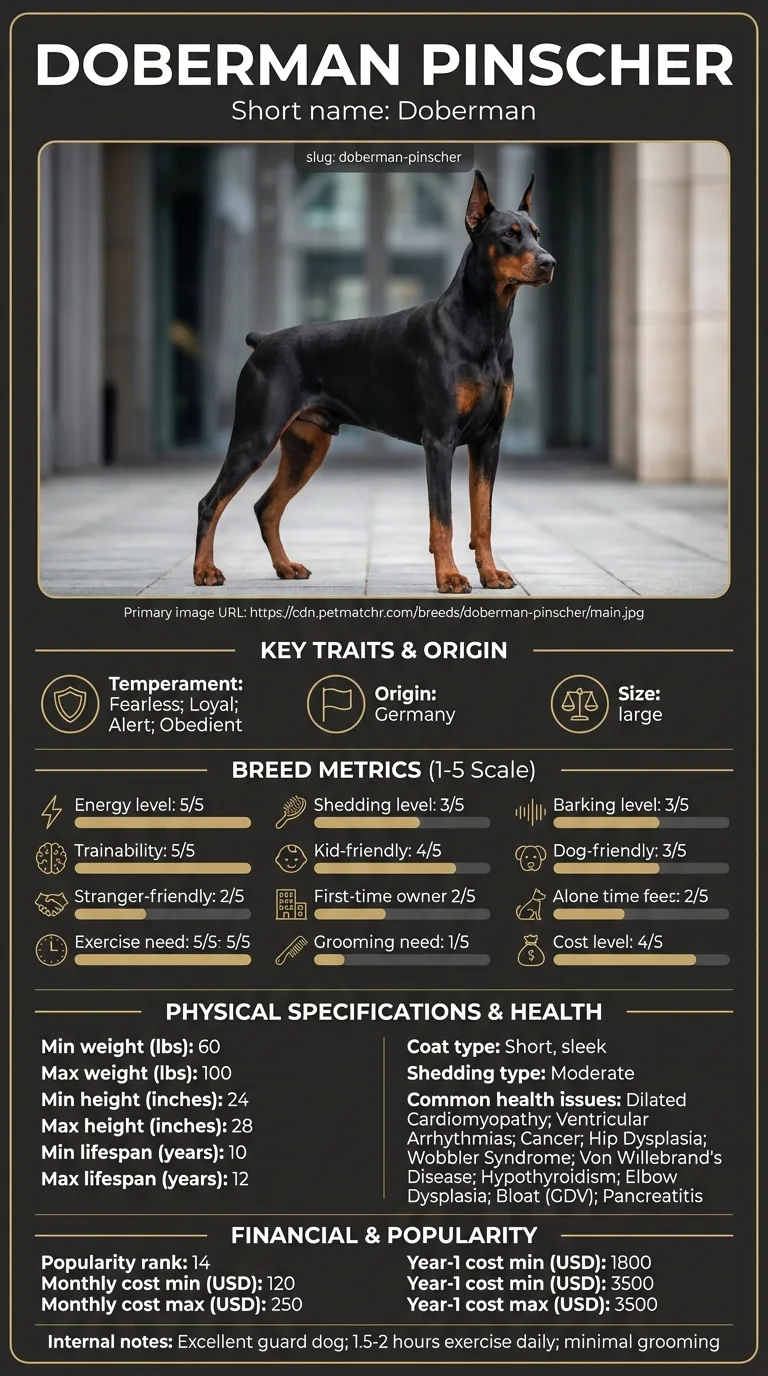
  • Ensure regular exercise, aiming for 1.5 to 2 hours daily. Activities like walking, running, and playing fetch can help keep their heart healthy.
  • Monitor their weight and body condition. Obesity can worsen heart conditions, so regular weigh-ins are essential.
  • Create a stress-free environment by providing a quiet space for rest and minimizing loud noises.

When to consider a trainer

If your Doberman shows signs of anxiety or behavior issues related to their condition, consider consulting a professional dog trainer. A trainer can help with obedience and socialization, which can ease stress and promote a healthier lifestyle.

When to talk to your vet

If you notice symptoms like coughing, difficulty breathing, or lethargy, it's crucial to talk to your vet immediately. Regular check-ups are also important, especially as they age. Early detection and management can significantly improve their quality of life.

Realistic expectations

It typically takes several months to see improvements in managing Doberman Pinscher myxomatous mitral valve disease (MMVD) through a combination of lifestyle changes, medication, and regular vet check-ups.

Success means your Doberman is stable, showing fewer symptoms, and maintaining a good quality of life with appropriate treatment and care.

Mistakes that make this worse

Avoiding these common mistakes can help manage your Doberman Pinscher's myxomatous mitral valve disease (MMVD) more effectively.

  • Ignoring regular vet check-ups: Skipping routine visits can delay diagnosis and treatment of MMVD. Regular check-ups allow early detection and timely intervention.
  • Overfeeding your Doberman: Excess weight can strain their heart. Stick to a balanced diet and consult your vet for portion guidelines.
  • Neglecting exercise: While too much can be harmful, a lack of exercise can worsen heart health. Aim for moderate, regular activity suitable for their condition.
  • Using harsh training methods: Stress can exacerbate heart issues. Positive reinforcement training is more effective and safer for your Doberman's health.
  • Avoiding medications: Some owners may hesitate to use prescribed medications. Always follow your vet's advice to manage MMVD effectively.
  • Failing to monitor symptoms: Ignoring changes in behavior or energy can be risky. Keep a close eye on your dog's condition and report any concerns to your vet.

When Doberman Pinscher Myxomatous Mitral Valve Disease (MMVD) is an Emergency

Emergency signs include sudden lethargy, severe coughing, difficulty breathing, or fainting. If your Doberman shows any of these symptoms, don’t hesitate—call your vet immediately. These could indicate that the heart is struggling to function properly, and prompt action is vital.

Watchful waiting is appropriate for milder symptoms, such as occasional coughing or decreased activity levels. In these cases, monitor your dog’s overall behavior and maintain a close eye on any changes. Keep a journal to track symptoms, as this information can help your vet make better decisions.

Always be proactive. If your Doberman Pinscher has a known history of MMVD or other heart-related issues, regular veterinary check-ups are essential. These visits can help catch any developments early, ensuring your furry friend stays healthy and happy.

Doberman Pinscher Myxomatous Mitral Valve Disease (MMVD) - When Doberman Pinscher Myxomatous Mitral Valve Disease (MMVD) is an Emergency

Emily's Journey with Her Doberman's Heart Condition

Emily, a dedicated dog mom in Atlanta, noticed her Doberman, Max, was more tired than usual and had a persistent cough. After a vet visit, she learned he had myxomatous mitral valve disease (MMVD). Initially overwhelmed, Emily committed to a daily routine of heart-healthy meals, regular vet visits, and gentle exercise. With support from a dog trainer, she also learned techniques to keep Max calm and engaged. Over six months, Max's health improved significantly, allowing him to enjoy walks and playtime again.

Key takeaway: With the right care and support, managing MMVD in Doberman Pinschers can lead to a better quality of life for your dog.

Frequently asked questions

Why does my Doberman Pinscher have myxomatous mitral valve disease (mmvd)?

Myxomatous mitral valve disease (mmvd) is a common heart condition in Doberman Pinschers, often caused by genetic factors. Regular veterinary check-ups can help catch it early, so monitor for symptoms like coughing or lethargy. This answer relates to Doberman Pinscher myxomatous mitral valve disease (mmvd).

How can I stop my Doberman Pinscher from developing myxomatous mitral valve disease (mmvd)?

While you can't prevent mmvd completely due to its genetic nature, maintaining a healthy weight and providing regular exercise can help. Consult your vet for tailored advice on diet and exercise for your Doberman.

What are the symptoms of myxomatous mitral valve disease (mmvd) in Doberman Pinschers?

Common symptoms include coughing, difficulty breathing, and fatigue. If you notice these signs, it's crucial to get your Doberman evaluated by a veterinarian as soon as possible.

What treatments are available for myxomatous mitral valve disease (mmvd)?

Treatment options vary based on the severity of the disease. Medications can help manage symptoms, and in some cases, surgery may be considered. Always discuss treatment plans with your veterinarian.

Is myxomatous mitral valve disease (mmvd) hereditary in Doberman Pinschers?

Yes, mmvd is often hereditary in Doberman Pinschers. Responsible breeding practices can help reduce the prevalence of this condition in future generations.

How often should I have my Doberman Pinscher checked for myxomatous mitral valve disease (mmvd)?

Regular vet visits are key. It's advisable to have your Doberman checked at least once a year, or more frequently if they show symptoms or have a family history of heart disease.

What causes my Doberman Pinscher to develop myxomatous mitral valve disease (MMVD)?

Myxomatous mitral valve disease (MMVD) in Doberman Pinschers is often caused by genetic factors. It can also be influenced by age, as older dogs are more susceptible to heart conditions. Regular veterinary check-ups can help identify early signs.

How can I manage my Doberman's MMVD symptoms at home?

Managing your Doberman's MMVD symptoms at home involves providing a balanced diet and maintaining a healthy weight. Regular, moderate exercise can help keep their heart healthy, but avoid overexertion. Always consult with your vet for personalized advice.

When should I take my Doberman Pinscher to the vet for MMVD concerns?

If you notice signs like coughing, difficulty breathing, or lethargy in your Doberman, it's time to visit the vet. Early intervention is key to managing MMVD and improving your dog's quality of life. Regular check-ups are also important as the disease progresses.

Can younger Doberman Pinschers get myxomatous mitral valve disease (MMVD)?

While MMVD is more common in older Doberman Pinschers, younger dogs can also be affected, particularly if there is a genetic predisposition. It's essential to monitor their health and consult with your vet if you notice any unusual symptoms.

What is the long-term outlook for a Doberman with myxomatous mitral valve disease (MMVD)?

The long-term outlook for a Doberman with MMVD varies greatly depending on the severity of the disease and how well it is managed. With proper care and regular veterinary visits, many dogs can live comfortably for years. It's important to stay informed about their condition and adjust care as needed.

Quick answers

View more answers
Health

What are quick tips for managing Doberman Pinscher myxomatous mitral valve disease (mmvd)?

Ensure regular vet check-ups and maintain a healthy diet to manage mmvd effectively. Monitor your dog for any breathing difficulties or fatigue and report these to your vet.

Living

How can I exercise my Doberman with myxomatous mitral valve disease (mmvd)?

Engage in low-impact activities and short walks rather than intense exercise. Always consult your veterinarian for specific recommendations based on your dog's condition.

Costs

Are there any dietary changes for Dobermans with myxomatous mitral valve disease (mmvd)?

A heart-healthy diet rich in omega-3 fatty acids can be beneficial. Work with your vet to find the best food options for your Doberman's specific needs.

Behavior

What should I do if my Doberman shows signs of myxomatous mitral valve disease (mmvd)?

Schedule a vet appointment immediately if you notice symptoms like coughing or lethargy. Early detection is crucial for effective management.

Related DogBreedCompass guides

Related guides