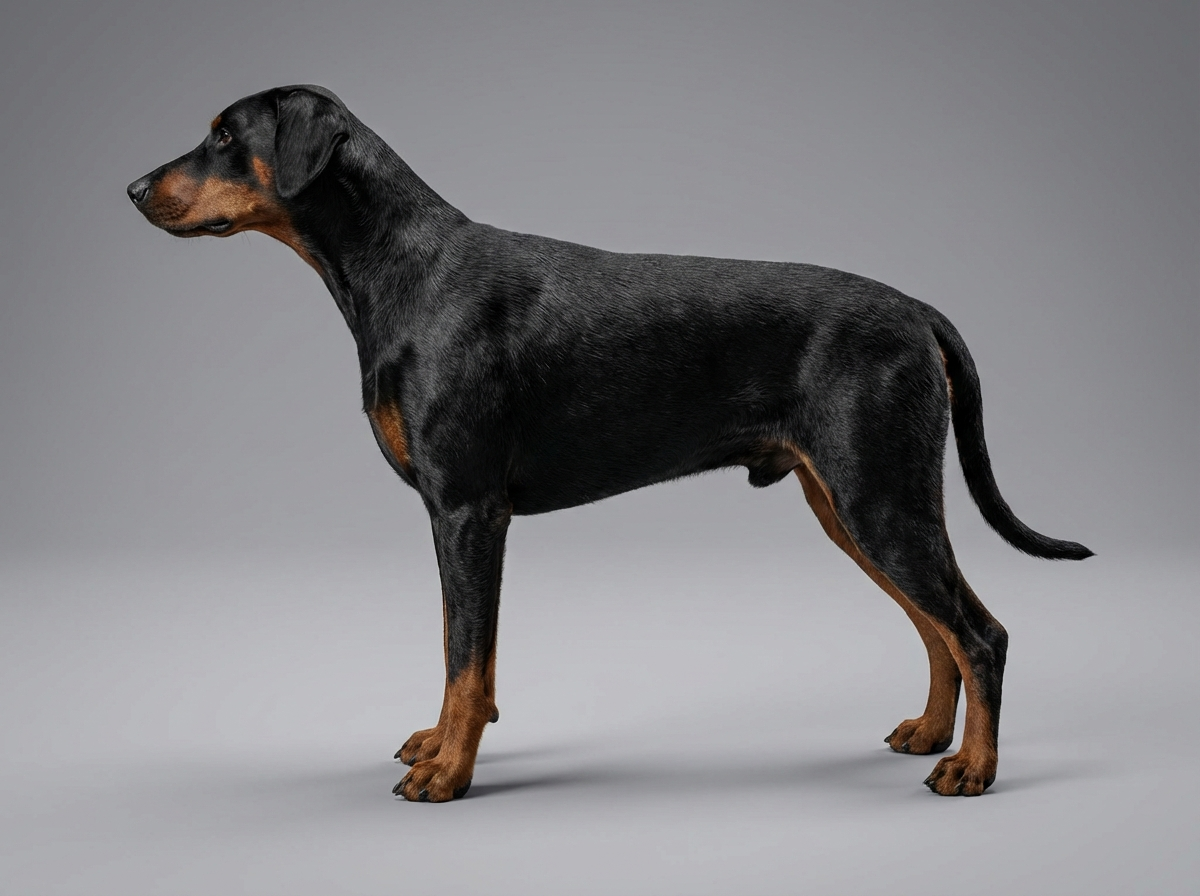
Behavior
What are some quick tips for Doberman Pinscher cruciate ligament injuries?
Ensure your Doberman maintains a healthy weight, provide low-impact exercise, and consult your vet about joint health supplements.

Quick answer
What are some quick tips for Doberman Pinscher cruciate ligament injuries?
Ensure your Doberman maintains a healthy weight, provide low-impact exercise, and consult your vet about joint health supplements.
Doberman Pinscher cruciate ligament injuries can lead to serious mobility issues and pain in your dog.
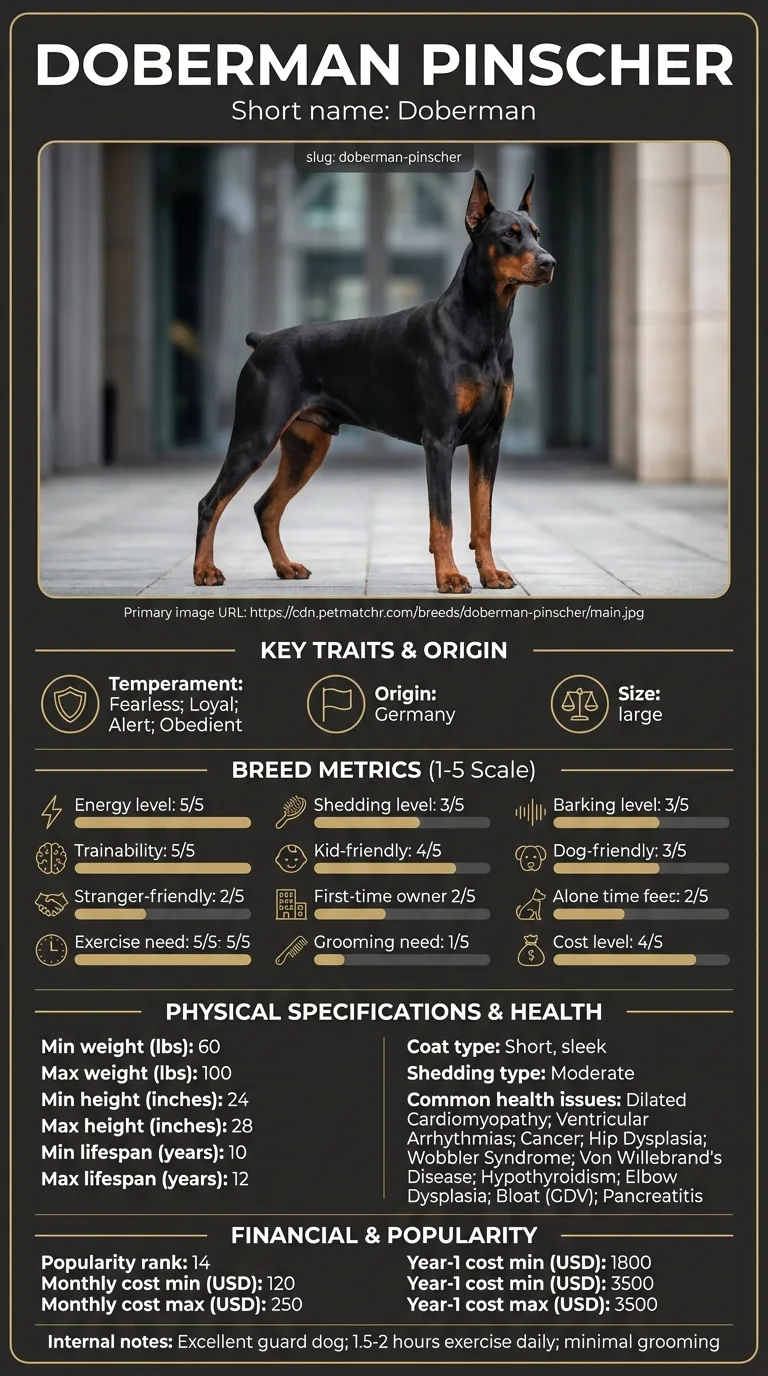
Owners of Doberman Pinschers, especially those who love outdoor activities, frequently face this problem. If you notice your dog limping or struggling to jump, it’s crucial to investigate.
This guide is not medical advice. If your dog shows pain, sudden behavior change, or worsening symptoms, consult a licensed veterinarian.
Some links may be affiliate links. We may earn a commission at no extra cost to you. We only suggest products we believe are helpful for dog owners.
We research and check what we publish, but we do not warrant that any figure, date, price, or statement is accurate, complete, or current, and we accept no liability for any loss, cost, injury, or other harm arising from the use of this site. Use it as one reference among several. You remain responsible for your own decisions and for your dog's care - confirm anything that matters with a licensed veterinarian or another qualified professional before you act on it. Full disclaimer.
Check this first
Recognizing when a Doberman Pinscher's cruciate ligament injury requires immediate veterinary attention can be crucial. If your dog shows signs of severe pain, such as yelping or refusing to bear weight on the affected leg, it's time to call your vet. Additionally, if you notice swelling around the knee, a noticeable limp, or if your dog is unable to move comfortably, these are clear red flags.
If any of these apply, call your vet or an emergency clinic now. The rest of this page is for the cases that are not an emergency.
Doberman Pinscher cruciate ligament injuries can lead to significant pain and mobility issues. These injuries often manifest as limping, difficulty in standing up, or reluctance to engage in physical activities. This breed, known for its loyalty and strength, can be particularly prone to these injuries due to their large size and active lifestyle.
Cruciate ligament injuries are relatively common in Doberman Pinschers, especially in those that are highly active or overweight. It's important for owners to be aware of the risks, as these injuries can lead to long-term health issues if not addressed promptly.
Doberman Pinschers are large, athletic dogs known for their strength and agility. Their size and energy can put extra strain on their joints, making them more susceptible to cruciate ligament injuries. Additionally, genetics may play a role, as some breeds are predisposed to ligament issues.
Environmental factors can also contribute to these injuries. High-impact activities, slippery surfaces, and excessive jumping can increase the risk. Lack of proper exercise or sudden changes in activity levels can strain their ligaments, leading to injuries.
If your Doberman shows signs of pain, limping, or reluctance to exercise, consult your vet. They can assess for injuries and recommend appropriate treatment or preventive measures.
Here are some common mistakes Doberman owners make that can worsen cruciate ligament injuries. Avoiding these can help your dog heal and prevent future issues.
Start here: Doberman Pinscher Most Common Genetic Disorders: Screening
See all Doberman Pinscher health problems, which breeds are prone to cruciate ligament injuries, or the full Doberman Pinscher breed guide for temperament, exercise needs and ownership costs.
Most Doberman Pinschers will show improvement within 6 to 12 weeks with consistent care and follow-up with your vet.
Success means your Doberman is able to move comfortably without limping, enjoys regular activity, and has a lower risk of re-injury.
In less severe cases, you might see mild limping or occasional stiffness after exercise. If your Doberman seems to be in moderate discomfort but still enjoys activities like walking or playing, you can monitor the situation. Create a rest plan that limits high-impact activities and consider using ice packs on the knee to reduce inflammation. Always keep an eye on their behavior and consult your vet if symptoms persist or worsen.

Mark, a first-time Doberman owner, noticed his dog Bella limping after a game of fetch. Concerned, he visited the vet and learned Bella had a cruciate ligament injury. Over the next few months, Mark followed a rehabilitation plan, incorporating gentle exercises and physical therapy. He also learned to manage Bella's energy levels with controlled playtime and specific training to strengthen her legs. Gradually, Bella regained her mobility and was even able to join Mark on short hikes.
Key takeaway: With patience and the right approach, you can help your Doberman recover from cruciate ligament injuries and enjoy a healthy, active life again.
Doberman Pinschers are prone to cruciate ligament injuries due to their size and activity level. Factors like obesity, lack of exercise, and previous injuries can increase the risk. Regular vet check-ups and maintaining a healthy weight can help prevent these issues. This answer relates to Doberman Pinscher cruciate ligament injuries.
To prevent injuries, ensure your Doberman gets at least 1.5 to 2 hours of exercise daily. Incorporate low-impact activities, like swimming, to build strength without stressing the joints. Additionally, keep their weight in check and consult your vet about joint supplements.
Signs of cruciate ligament injuries include limping, difficulty in standing or sitting, and decreased activity. If your Doberman has swelling around the knee or seems in pain while moving, it's essential to consult your vet promptly. Early detection can lead to better treatment outcomes.
Treatment options range from rest and physical therapy to surgical repair, depending on the severity of the injury. Your vet may recommend a tailored rehabilitation program to strengthen the muscles around the knee. Always follow your vet's guidance for the best recovery plan.
Yes, training can play a significant role in recovery and prevention. Focus on building strength and flexibility through controlled exercises. Working with a professional dog trainer or a vet can help create a safe routine that enhances recovery without risking further injury.
Yes, older Doberman Pinschers are more prone to cruciate ligament injuries due to age-related changes in their joints. Regular check-ups with your vet can help monitor their joint health.
If your dog is in significant pain, has limited mobility, or shows no improvement with conservative treatment, surgery may be necessary. Always consult your vet for a thorough evaluation.
Gentle range-of-motion exercises and swimming can be beneficial. A veterinary physical therapist can provide a tailored rehabilitation plan to help your dog recover safely.
Ensure your Doberman maintains a healthy weight, provide low-impact exercise, and consult your vet about joint health supplements.
Aim for at least 1.5 to 2 hours of daily exercise, mixing activities like walking, running, and swimming.
Incorporate gentle stretching and strengthening exercises into their routine to support joint health and recovery.
Watch for signs like limping, reluctance to move, or whining when getting up; these could indicate pain.
A one-page prep sheet for this condition: the signs, the questions to ask, what to get priced. Unlocks here.
You get: Vet visit prep sheet
No spam. One-click unsubscribe. See our privacy policy.
Preview page 1 before you decide.