DogBreedCompass
← Back to breed profile

Doberman Pinscher Brachycephalic Obstructive Airway Syndrome (BOAS)

Doberman Pinschers can suffer from Brachycephalic Obstructive Airway Syndrome (BOAS), a condition that affects their breathing. (Doberman Pinscher brachycephalic obstructive airway syndrome (boas))

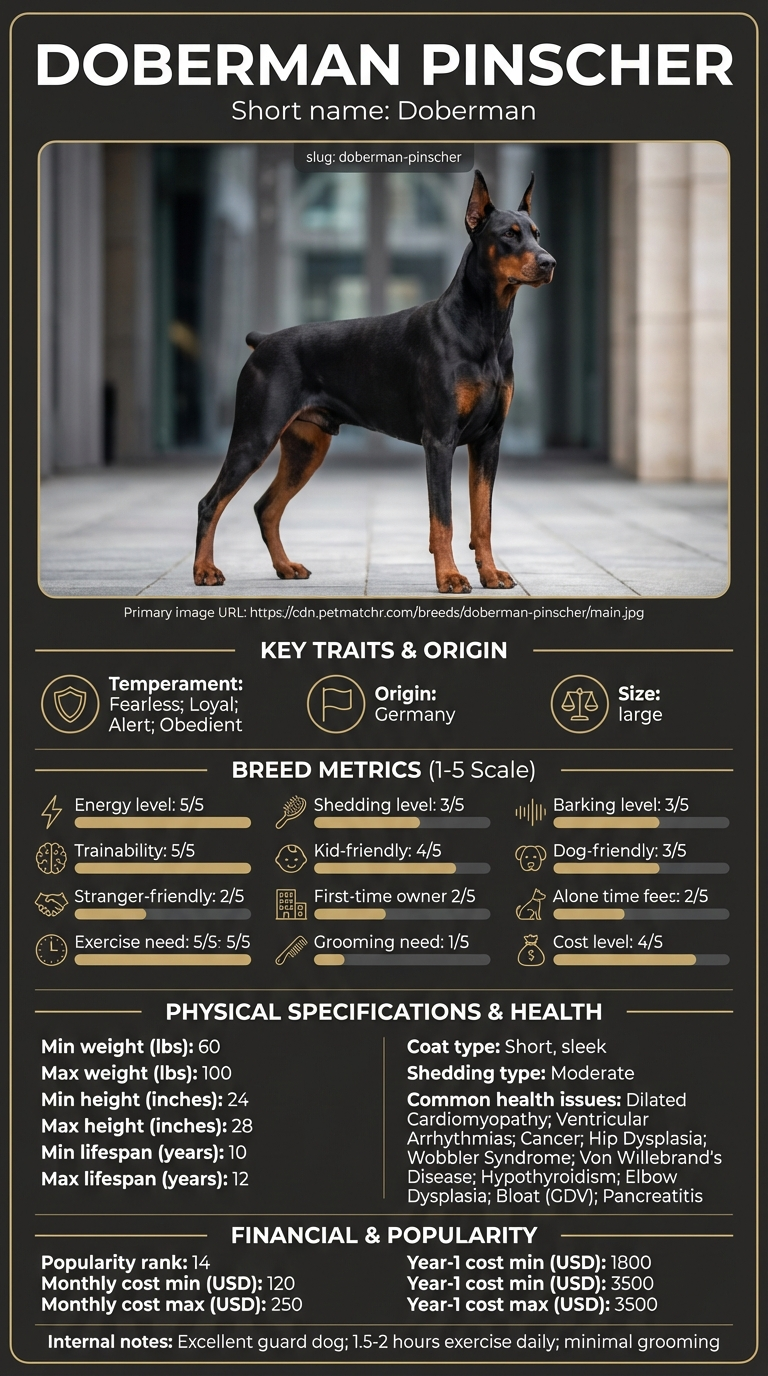
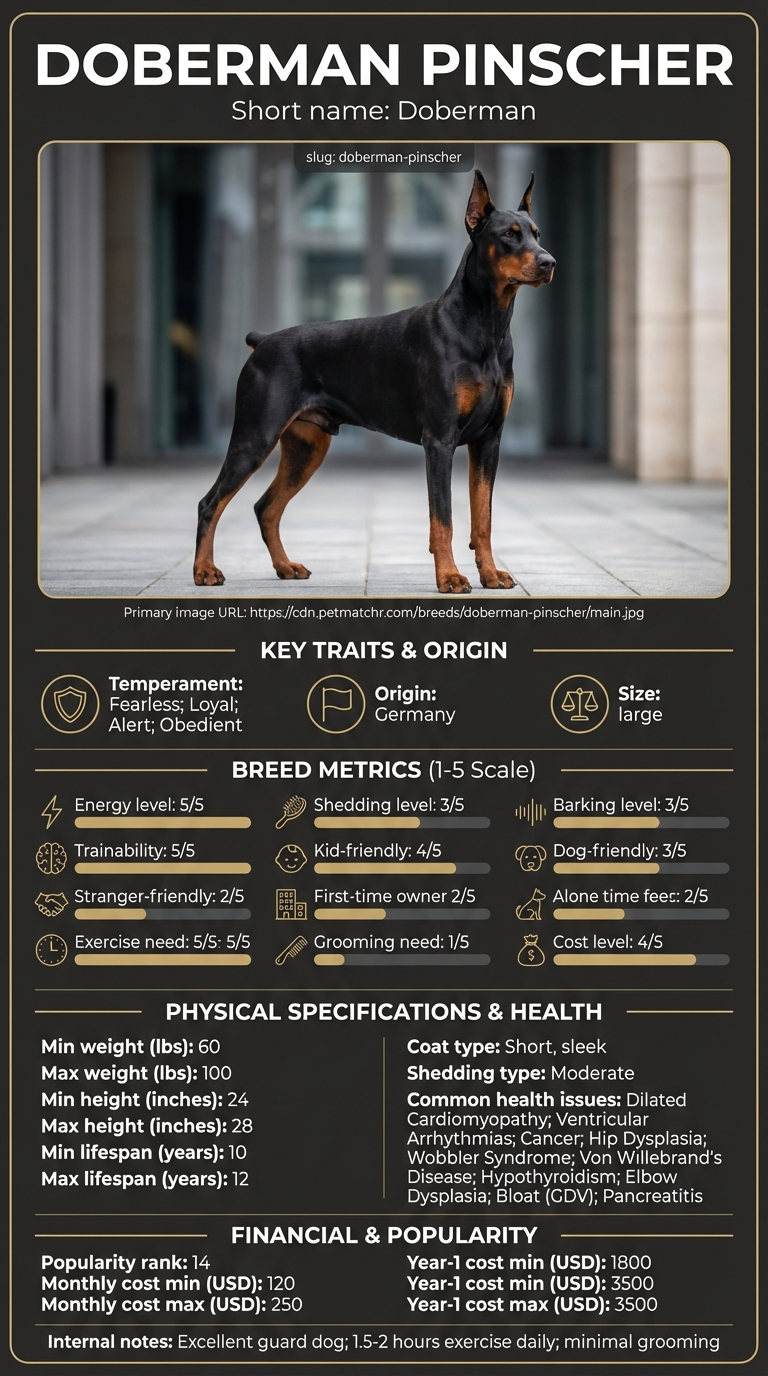
Doberman Pinscher Brachycephalic Obstructive Airway Syndrome (BOAS) infographic

Owners of Doberman Pinschers, especially first-time dog owners, often face challenges managing this condition. It’s essential for them to recognize the signs and seek appropriate training and care.

Important reminder

This guide is not medical advice. If your dog shows pain, sudden behavior change, or worsening symptoms, consult a licensed veterinarian.

Some links may be affiliate links. We may earn a commission at no extra cost to you. We only suggest products we believe are helpful for dog owners.

What this problem looks like

Doberman Pinschers can suffer from Brachycephalic Obstructive Airway Syndrome (BOAS), a condition that leads to breathing difficulties. This problem often manifests as loud snoring, labored breathing, and excessive panting, especially during exercise or in warm weather. Owners may notice their Doberman struggling to catch its breath or becoming easily fatigued.

Common triggers

  • Hot weather and high humidity
  • Strenuous exercise or play
  • Stressful situations or anxiety

While BOAS is more common in breeds with shorter snouts, Doberman Pinschers can also be affected due to their unique anatomy. Many Dobermans experience mild symptoms, but serious cases can lead to significant health issues requiring veterinary attention.

Why this happens

Breed factors

The Doberman Pinscher is not typically classified as a brachycephalic breed. However, individual variations can occur. Some Dobermans may develop traits that lead to breathing difficulties, especially if they have inherited certain genetic predispositions.

Environment factors

Environmental factors can contribute to Doberman Pinschers experiencing brachycephalic obstructive airway syndrome (BOAS). Poor air quality, excessive heat, and obesity can exacerbate breathing issues. Stressful environments can also lead to anxiety, which may worsen respiratory health.

What you can try

At-home strategies

  • Ensure your Doberman maintains a healthy weight. Weight management can significantly reduce the strain on their respiratory system.
  • Create a comfortable environment. Keep your dog cool and avoid strenuous exercise during hot weather.
  • Monitor your Doberman's breathing. If you notice excessive snoring or labored breathing, take note of when it happens and how severe it is.

When to consider a trainer

If your Doberman struggles with anxiety or exhibits panic when breathing difficulties occur, a professional trainer can help. They can teach you techniques to create a calmer environment and manage stress triggers.

When to talk to your vet

Consult your vet if you notice persistent coughing, wheezing, or if your dog seems to struggle for air. These could indicate more serious respiratory issues that need medical attention.

Realistic expectations

You may see improvements in your Doberman's breathing within a few weeks of implementing changes. However, significant progress may take several months, especially if surgery is needed.

Success means your Doberman can breathe easier during normal activities, has more energy, and shows less stress during exercise or hot weather.

Mistakes that make this worse – Doberman Pinscher brachycephalic obstructive airway syndrome (boas)

Avoiding certain actions can help improve your Doberman's condition. Here are common mistakes to steer clear of:

  • Ignoring signs of distress: Many owners overlook symptoms like heavy panting or excessive snoring. If you notice these signs, consult your vet for guidance.
  • Overexerting your dog: Pushing your Doberman to exercise too much can worsen breathing issues. Stick to moderate exercise and ensure they take breaks.
  • Not monitoring temperature: Dobermans can struggle in hot weather. Keep them cool and avoid long walks during peak heat.
  • Neglecting weight management: Obesity can worsen BOAS. Keep an eye on their diet to maintain a healthy weight.
  • Using harsh training methods: Stress can exacerbate anxiety and breathing difficulties. Focus on positive reinforcement techniques instead.
  • Failing to provide a calm environment: Loud noises and chaos can stress your Doberman. Create a peaceful space for them to relax.
  • Skipping regular vet check-ups: Regular check-ups help catch issues early. Don’t delay in scheduling vet visits.

When Brachycephalic Obstructive Airway Syndrome (BOAS) is an Emergency

If your Doberman is struggling to breathe, making loud noises while inhaling, or has a blue-tinged tongue or gums, these are red flags. These symptoms mean you should call your vet immediately as they can indicate severe airway obstruction. Additionally, if your dog collapses or seems lethargic after exercise, it’s crucial to seek veterinary assistance right away.

On the other hand, if your Doberman is snoring or has mild breathing difficulties during hot weather, these may be manageable at home. Keep an eye on their behavior and ensure they have access to fresh water and a cool environment. If your dog is panting excessively but still able to walk and respond to commands, monitor them closely and consider consulting your vet if symptoms persist.

Always err on the side of caution. If you’re uncertain about your dog’s condition or if their symptoms worsen, don’t hesitate to reach out for professional help. Being proactive can make all the difference in your Doberman's health.

Doberman Pinscher Brachycephalic Obstructive Airway Syndrome (BOAS) - When Brachycephalic Obstructive Airway Syndrome (BOAS) is an Emergency

Emily's Journey with Max

Emily, a busy nurse in Chicago, adopted Max, a Doberman Pinscher. She quickly noticed he struggled to breathe, especially during walks. After consulting her vet, she learned about brachycephalic obstructive airway syndrome (BOAS) and started adjusting his exercise routine. She limited walks to cooler times and focused on short, gentle outings. After a few weeks, Max showed improvement and could enjoy walks without gasping for air. Emily even enrolled Max in a training class that emphasized calm behavior to reduce his excitement-induced breathing issues. Now, Max is happier and healthier, and Emily feels more confident as a pet owner.

Key takeaway: Understanding your dog's specific needs and being proactive about their health can lead to significant improvements in their quality of life.
Frequently asked questions

Why does my Doberman Pinscher have brachycephalic obstructive airway syndrome (boas)?

Brachycephalic obstructive airway syndrome (boas) in Doberman Pinschers is usually due to genetic factors affecting their airway structure. This condition can lead to breathing difficulties, snoring, and heat sensitivity. If your Doberman shows these symptoms, it's essential to consult a vet.

How can I help my Doberman Pinscher with brachycephalic obstructive airway syndrome (boas)?

To help your Doberman manage boas, ensure they have a cool, comfortable environment and avoid strenuous exercises in hot weather. Regular vet check-ups are crucial for monitoring their breathing and overall health. Training techniques that promote calm behavior can also be beneficial.

What are the signs of brachycephalic obstructive airway syndrome (boas) in Doberman Pinschers?

Common signs include difficulty breathing, excessive snoring, and heat intolerance. You might also notice your Doberman coughing or having a hard time during physical activity. If you see these symptoms, contact your veterinarian for advice.

Can brachycephalic obstructive airway syndrome (boas) be treated in Doberman Pinschers?

Treatment for boas can include lifestyle changes, medication, and in some cases, surgery to improve airflow. Your vet can guide you on the best approach for your Doberman based on their specific needs. Early intervention can help prevent more severe complications.

How to stop Doberman Pinscher brachycephalic obstructive airway syndrome (boas) issues?

Preventing boas involves selecting breeding practices that reduce the risk and maintaining your dog's weight. Regular exercise is important, but it should be done in cooler temperatures to avoid stress on their respiratory system. Training for calmness can also help.

What are the signs of brachycephalic obstructive airway syndrome (BOAS) in Doberman Pinschers?

Signs of BOAS in Doberman Pinschers include labored breathing, excessive snoring, and difficulty exercising. You may also notice your dog feeling fatigued after light activity or having trouble cooling down. If you observe these symptoms, it's crucial to consult your vet.

Can older Doberman Pinschers develop BOAS even if they didn't have it as puppies?

Yes, older Doberman Pinschers can develop BOAS over time, even if they showed no symptoms as puppies. Weight gain, changes in activity level, or other health issues can contribute to the development of breathing difficulties. Regular check-ups with your vet can help monitor and manage these risks.

How can I help my Doberman Pinscher with BOAS during hot weather?

To help your Doberman Pinscher with BOAS during hot weather, keep your dog in a cool, shaded area and provide plenty of fresh water. Avoid strenuous exercise during peak heat hours. If your dog shows signs of distress, such as excessive panting or lethargy, seek immediate veterinary advice.

Is surgery a solution for Doberman Pinschers with severe BOAS?

Surgery can be an option for severe cases of BOAS in Doberman Pinschers. The procedure aims to open the airway and improve breathing. It's important to discuss the potential benefits and risks with your veterinarian to determine the best course of action for your dog.

What lifestyle changes can help a Doberman Pinscher with BOAS?

Lifestyle changes to help a Doberman Pinscher with BOAS include maintaining a healthy weight, providing a balanced diet, and ensuring regular but moderate exercise. Training can also help your dog develop good breathing habits. Consult your vet for tailored advice and resources.

Quick answers

View more answers
Behavior

What are some quick tips for Doberman Pinscher brachycephalic obstructive airway syndrome (boas)?

Keep your Doberman cool, avoid excessive exercise in heat, and monitor their breathing regularly. Consult your vet for tailored advice and potential treatments.

Living

Are there exercises suitable for Dobermans with boas?

Choose low-impact activities during cooler parts of the day. Short, gentle walks can help maintain their fitness without straining their breathing.

Health

How often should I take my Doberman to the vet for boas?

Regular vet visits every 6-12 months are recommended, especially if your Doberman shows symptoms of breathing difficulties.

Related DogBreedCompass guides

Related guides