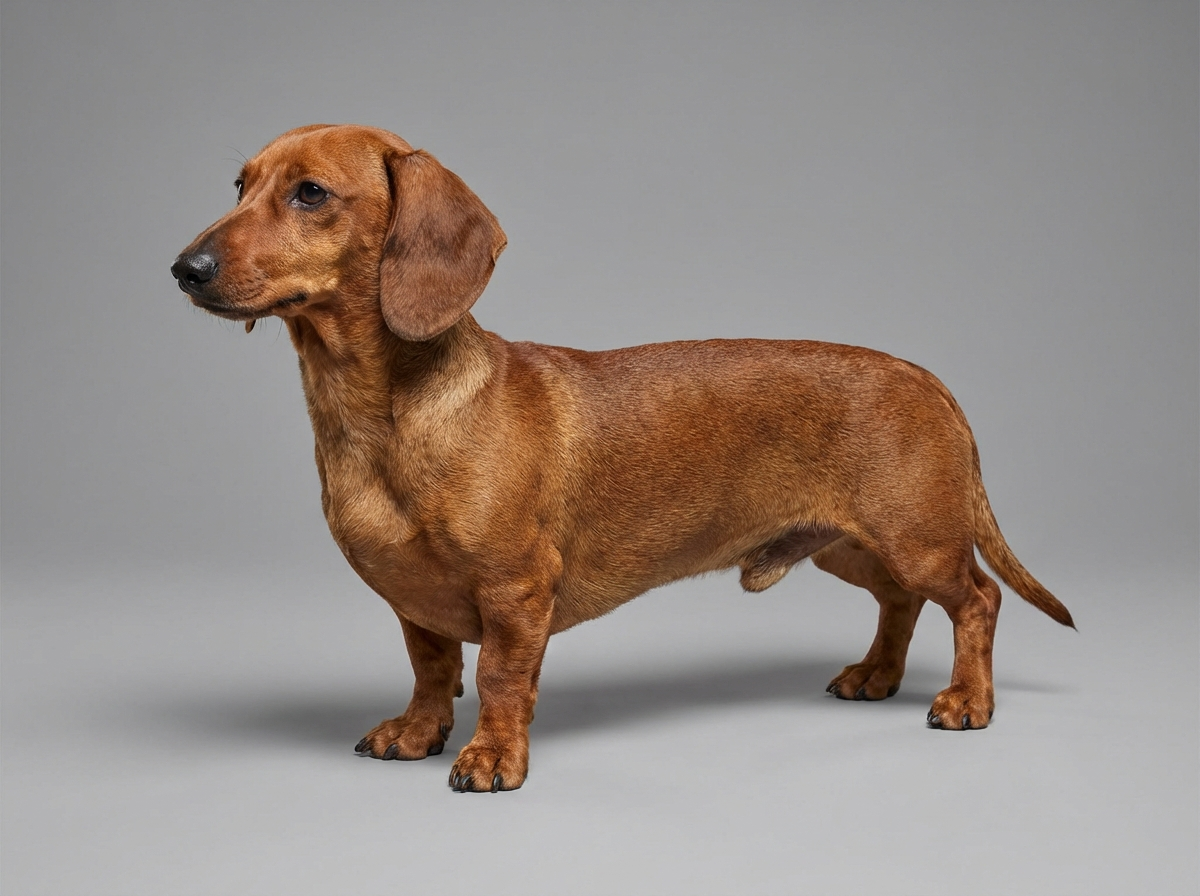
Behavior
What are quick tips for managing Dachshund ventricular arrhythmias?
Keep your Dachshund's environment calm, provide regular vet check-ups, and ensure they get moderate exercise. Stress-reducing activities like training can also help.

Quick answer
What are quick tips for managing Dachshund ventricular arrhythmias?
Keep your Dachshund's environment calm, provide regular vet check-ups, and ensure they get moderate exercise. Stress-reducing activities like training can also help.
Dachshund ventricular arrhythmias can lead to irregular heartbeats, posing serious health risks for your furry friend.
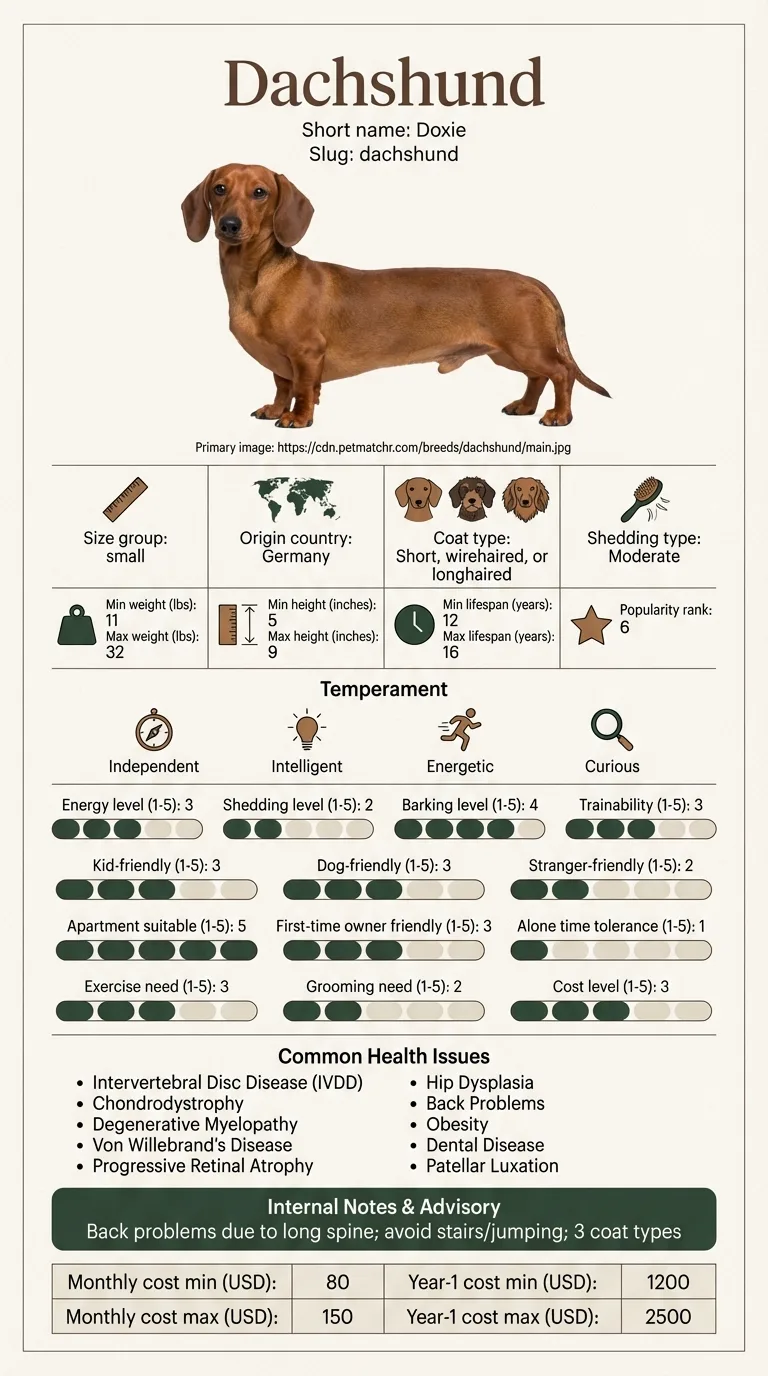
Owners of Dachshunds, especially those with a family history of heart issues, may face challenges managing this condition. It's crucial for these owners to understand how to identify symptoms and seek proper care.
This guide is not medical advice. If your dog shows pain, sudden behavior change, or worsening symptoms, consult a licensed veterinarian.
Some links may be affiliate links. We may earn a commission at no extra cost to you. We only suggest products we believe are helpful for dog owners.
We research and check what we publish, but we do not warrant that any figure, date, price, or statement is accurate, complete, or current, and we accept no liability for any loss, cost, injury, or other harm arising from the use of this site. Use it as one reference among several. You remain responsible for your own decisions and for your dog's care - confirm anything that matters with a licensed veterinarian or another qualified professional before you act on it. Full disclaimer.
Check this first
Dachshund ventricular arrhythmias can be serious, and knowing when to act is crucial. If you notice any of these red-flag signs, it’s time to call your vet immediately. Signs like fainting, severe lethargy, difficulty breathing, or a persistent cough mean your pup needs urgent care. These symptoms indicate that their heart isn’t functioning properly and could lead to severe complications.
On the other hand, mild cases of ventricular arrhythmias can often be monitored with a plan. If your Dachshund occasionally shows signs like slight panting, mild restlessness, or a sporadic cough, keep a close watch. It’s essential to document these episodes and consult your veterinarian for guidance. They can help you determine if a more in-depth evaluation is necessary.
Always trust your instincts as a pet owner. If something feels off, it’s better to be safe and reach out for professional advice. Your dog’s health is paramount, and timely intervention can make all the difference.
If any of these apply, call your vet or an emergency clinic now. The rest of this page is for the cases that are not an emergency.
Dachshund ventricular arrhythmias refer to irregular heartbeats that can be alarming for both dogs and their owners. These irregularities can manifest in various forms, from occasional skipped beats to more severe rhythm disturbances. Day-to-day, a Dachshund with this condition may exhibit signs like lethargy, weakness, or fainting spells, especially during exercise or stressful situations.
While not the most common issue for Dachshunds, ventricular arrhythmias can occur, particularly in older dogs or those with other heart conditions. Owners should be aware of their dog's health history and monitor for any signs of irregular heartbeats.
Dachshunds can be predisposed to ventricular arrhythmias due to their unique heart structure and size. Certain genetic factors may also contribute to these irregular heartbeats, making them more common in this breed. Their overall health can be affected by issues related to their long spine, which may indirectly influence heart function.
Environmental factors can play a significant role as well. Stress, such as that caused by loud noises or sudden changes in routine, can trigger arrhythmias. Additionally, poor diet, lack of exercise, and obesity may lead to heart problems in Dachshunds.
Consult your vet if your Dachshund experiences frequent irregular heartbeats, shows signs of lethargy, or has trouble breathing. Your vet can assess their heart health and recommend appropriate tests or treatments.
Here are some common mistakes that can worsen your Dachshund's ventricular arrhythmias. Avoiding these will help you manage the condition more effectively.
Start here: Dachshund Most Common Genetic Disorders: What to Screen For
See all Dachshund health problems, which breeds are prone to ventricular arrhythmias, or the full Dachshund breed guide for temperament, exercise needs and ownership costs.
With consistent care and veterinary follow-up, you may see improvements in your Dachshund's ventricular arrhythmias within 4 to 6 weeks.
Success means your dog has more stable heart rhythms, which can lead to improved energy levels and overall well-being.
Ella, a first-time Dachshund owner, noticed her pup Daisy had irregular heartbeats. Initially worried, she consulted her vet, who recommended a combination of medication and stress-reducing training techniques. Over the following weeks, Ella committed to daily training sessions to calm Daisy and adjusted her environment to minimize stressors. By the end of two months, Daisy's heart rhythm stabilized, and she was much more active and playful.
Key takeaway: Regular vet check-ups and a structured training routine can significantly improve a Dachshund's health, especially when dealing with conditions like ventricular arrhythmias.
Dachshund ventricular arrhythmias can occur due to various reasons, including heart disease, stress, or genetic predisposition. It's essential to consult a veterinarian for a proper diagnosis and treatment plan tailored to your dog's specific needs.
To manage Dachshund ventricular arrhythmias, focus on reducing stress, providing a balanced diet, and ensuring regular exercise. Medication may also be necessary, so always consult with your vet for the best approach.
Symptoms of ventricular arrhythmias in Dachshunds can include fainting, lethargy, or rapid breathing. Some dogs may also show signs of weakness or exercise intolerance. If you notice any of these symptoms, it's important to consult a veterinarian.
While training alone won't cure ventricular arrhythmias, it can help reduce stress and anxiety. Positive reinforcement techniques can create a more stable environment, promoting overall health.
Regular check-ups with your veterinarian, a healthy diet, and a controlled exercise routine can greatly benefit your Dachshund. Additionally, calming activities like puzzle toys can help alleviate stress.
While there isn't a one-size-fits-all diet, focusing on high-quality, heart-healthy foods can support your Dachshund. Consult your vet for personalized dietary recommendations.
Yes, certain heart conditions, including ventricular arrhythmias, can have a hereditary component in Dachshunds. If your dog has a family history of heart issues, be vigilant about regular veterinary check-ups to monitor their heart health.
To help manage your Dachshund's ventricular arrhythmias, maintain a calm environment and avoid strenuous activities. Regular vet visits are crucial for monitoring their condition and adjusting any treatment plans as needed.
Exercise may need to be limited for Dachshunds with ventricular arrhythmias, depending on the severity of their condition. Always consult your veterinarian about the appropriate level of activity for your dog to ensure their safety and well-being.
You should take your Dachshund to the vet if they experience frequent fainting spells, persistent coughing, or any sudden changes in behavior. Prompt veterinary attention can help prevent more serious complications related to ventricular arrhythmias.
Keep your Dachshund's environment calm, provide regular vet check-ups, and ensure they get moderate exercise. Stress-reducing activities like training can also help.
Regular vet visits every 6 to 12 months are ideal for monitoring your Dachshund's heart health. Your vet may recommend more frequent visits based on your dog's condition.
Yes, genetic factors may contribute to ventricular arrhythmias in Dachshunds. Responsible breeding practices can help reduce the risk of inherited heart issues.
Positive reinforcement training techniques can help build your Dachshund's confidence and reduce anxiety levels. Consistency and patience are key.
A one-page prep sheet for this condition: the signs, the questions to ask, what to get priced. Unlocks here.
You get: Vet visit prep sheet
No spam. One-click unsubscribe. See our privacy policy.
Preview page 1 before you decide.