Behavior
What are quick tips for managing Dachshund progressive retinal atrophy (pra-rcd3)?
Keep your home environment consistent and avoid obstacles. Use verbal cues and scent trails to help them navigate safely.
Dachshund progressive retinal atrophy (PRA-RCD3) is a serious condition that leads to vision loss in these beloved dogs.
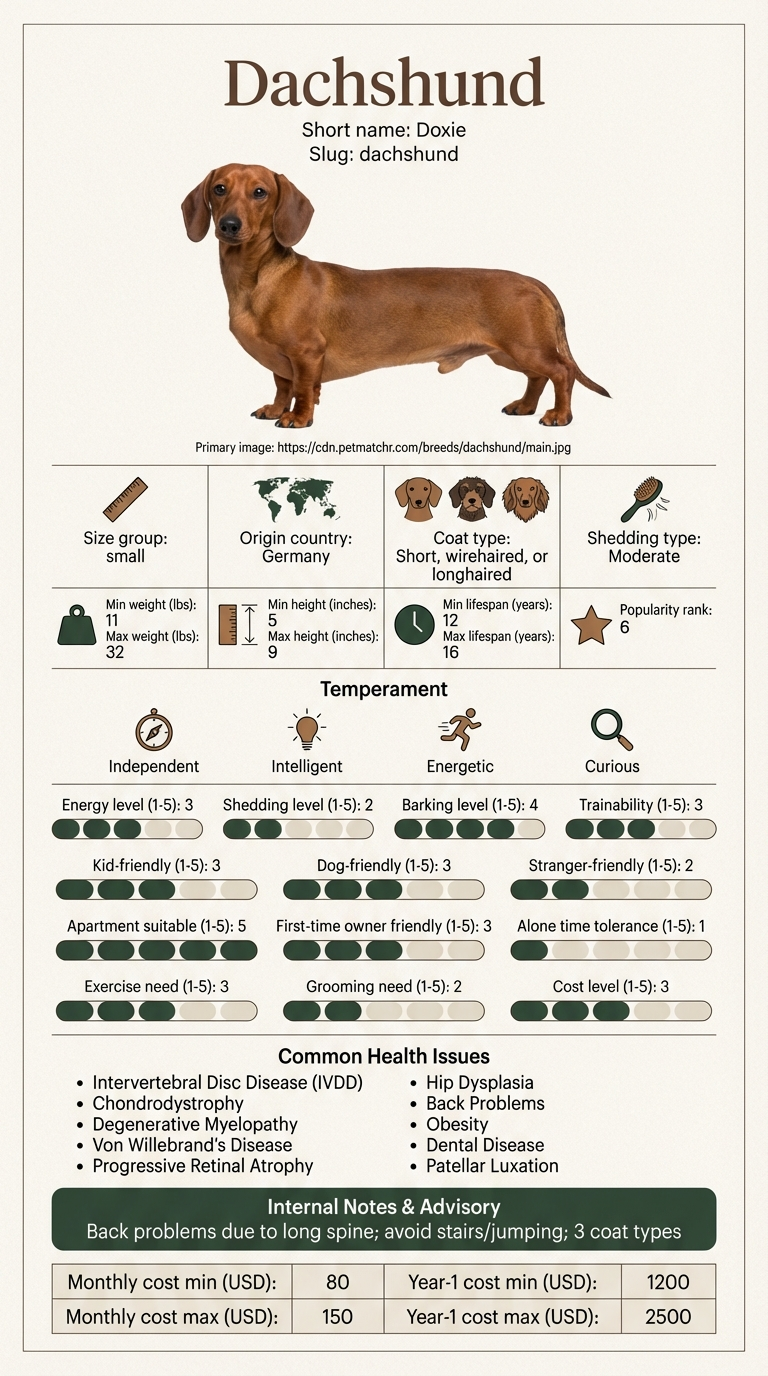
Typically, owners of Dachshunds who notice signs like difficulty navigating familiar spaces or an increase in anxiety may struggle with this issue. New pet parents or those who may not have experienced vision-related problems in dogs before might feel particularly overwhelmed.
This guide is not medical advice. If your dog shows pain, sudden behavior change, or worsening symptoms, consult a licensed veterinarian.
Some links may be affiliate links. We may earn a commission at no extra cost to you. We only suggest products we believe are helpful for dog owners.
Dachshund progressive retinal atrophy (pra-rcd3) is a genetic condition that leads to gradual vision loss in Dachshunds. Day-to-day, you might notice your Doxie bumping into furniture, struggling to navigate familiar spaces, or appearing disoriented. While this condition is generally more common in older dogs, it can start as early as three years of age.
Progressive retinal atrophy (pra-rcd3) is fairly common in Dachshunds, with studies suggesting that a significant percentage of the breed may be genetically predisposed to this condition. It's essential for owners to monitor their dogs closely for signs of vision changes.
Dachshunds are prone to Progressive Retinal Atrophy (PRA-rcd3) due to genetic factors. This condition is inherited and affects their vision as they age. If your Doxie has a family history of PRA, they may be more susceptible.
Environmental factors can also play a role in the progression of PRA. Poor lighting conditions or lack of stimulation might worsen their adaptation to vision loss. Ensuring a safe and familiar environment can help your Dachshund cope better.
If your Dachshund struggles to adapt to their vision loss or shows signs of anxiety, consider consulting a dog trainer. A professional can provide tailored strategies and techniques to help your dog adjust.
If you notice sudden changes in your Dachshund's behavior or if their vision seems to worsen rapidly, it's time to speak with a vet. They can assess the condition and discuss any potential treatments or management options.
Managing Dachshund progressive retinal atrophy (pra-rcd3) is an ongoing process. Expect to see gradual changes in your dog's vision over several months to years. Consistent training and adaptation can help improve their quality of life.
Success means your Dachshund can navigate their environment with minimal stress. You'll notice them using their other senses effectively and maintaining a happy, active life despite their vision challenges.
Avoiding common pitfalls can help your Dachshund cope better with progressive retinal atrophy (PRA-rcd3). Here are some mistakes to avoid and safer alternatives.
If your Dachshund shows sudden changes in vision, such as bumping into furniture or being unable to navigate familiar areas, this is a red flag. Other signs include sudden eye swelling, excessive tearing, or signs of pain like squinting or pawing at the eyes. In these cases, call your vet immediately for an evaluation.
On the other hand, if your Dachshund is gradually experiencing vision changes without signs of distress, you may not need to rush to the vet. Monitor their behavior to see if they adapt to their surroundings. You can create a safe space for them at home, minimizing obstacles and ensuring they can move around comfortably.
Ultimately, trust your instincts. If you're unsure whether your dog's symptoms are serious, it's better to err on the side of caution and consult your veterinarian. Regular check-ups can also help track the progression of Dachshund progressive retinal atrophy (PRA-rcd3) and plan for any needed interventions.
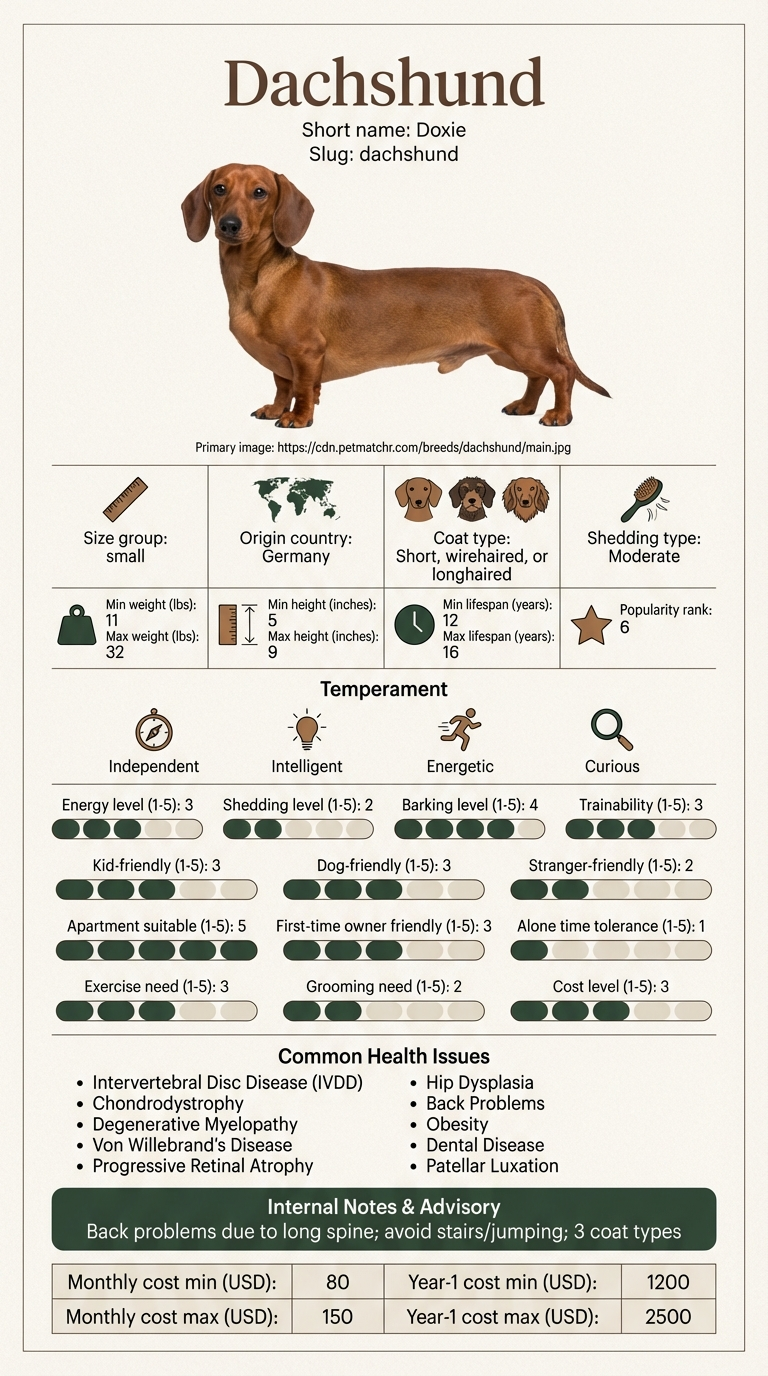
Sarah, a busy nurse in Chicago, noticed her Dachshund, Max, had begun bumping into furniture and hesitating on walks. After a vet visit, she learned he had progressive retinal atrophy (pra-rcd3). At first, she felt overwhelmed, worrying about Max's quality of life. However, she started using consistent commands and created a safe, obstacle-free space at home. Over time, Max adapted, confidently navigating his surroundings. Sarah also invested in tactile toys to stimulate his other senses, and they began regular training sessions to reinforce his confidence.
Key takeaway: With patience and proactive adjustments, you can help your Dachshund thrive even with vision loss.
Dachshund progressive retinal atrophy (pra-rcd3) is a genetic condition that leads to vision loss over time. It occurs due to a deterioration of the retina, which can be inherited from either parent. Regular vet check-ups can help catch this early.
To help your Dachshund adapt to vision loss, maintain a consistent environment. Avoid moving furniture around and use scent trails or sounds to guide them. Training them to respond to verbal cues can also aid in navigation.
Currently, there is no cure for Dachshund progressive retinal atrophy (pra-rcd3). However, supportive care, such as keeping their environment safe and using visual aids, can improve their quality of life. Consult your vet for personalized strategies.
Signs of worsening vision include bumping into objects, hesitance in new environments, or difficulty navigating stairs. If you notice these behaviors, it’s essential to consult your veterinarian for an evaluation.
Absolutely! Many Dachshunds with progressive retinal atrophy (pra-rcd3) adapt well to their condition. With proper care, training, and a supportive environment, they can enjoy life despite their vision challenges.
Early signs of Dachshund progressive retinal atrophy (pra-rcd3) may include difficulty in seeing in dim light, bumping into objects, or reluctance to navigate unfamiliar spaces. If you notice these symptoms, it's best to consult your veterinarian for a thorough examination.
You can support your Dachshund by creating a safe environment, keeping furniture in the same place, and using consistent verbal cues to guide them. Training them to respond to commands can also help them navigate their surroundings more confidently.
Progressive retinal atrophy (pra-rcd3) itself is not painful, but the resulting vision loss can lead to anxiety and stress in your Dachshund. Monitoring their behavior and providing comfort can help ease any discomfort they may feel from the changes.
Yes, Dachshunds with progressive retinal atrophy (pra-rcd3) can still enjoy outdoor activities, but you may need to monitor them closely. Avoiding crowded or unfamiliar areas can help them feel secure while exploring the outdoors.
If you notice any signs of vision loss or changes in behavior, it's important to take your Dachshund to the vet as soon as possible. Early intervention can help manage the condition and improve their quality of life.
Keep your home environment consistent and avoid obstacles. Use verbal cues and scent trails to help them navigate safely.
Yes, Dachshunds are prone to progressive retinal atrophy (pra-rcd3) due to genetic factors. Regular vet checks can help monitor their eye health.
Training can enhance their reliance on other senses and verbal commands. This makes it easier for them to navigate their surroundings safely.

