Behavior
What are quick tips for managing Cane Corso von Willebrand's disease?
Ensure regular vet visits, avoid risky activities, and keep a calm environment for your dog.

Quick answer
What are quick tips for managing Cane Corso von Willebrand's disease?
Ensure regular vet visits, avoid risky activities, and keep a calm environment for your dog.
Cane Corso von Willebrand's disease is a bleeding disorder that can impact your dog's health and quality of life.
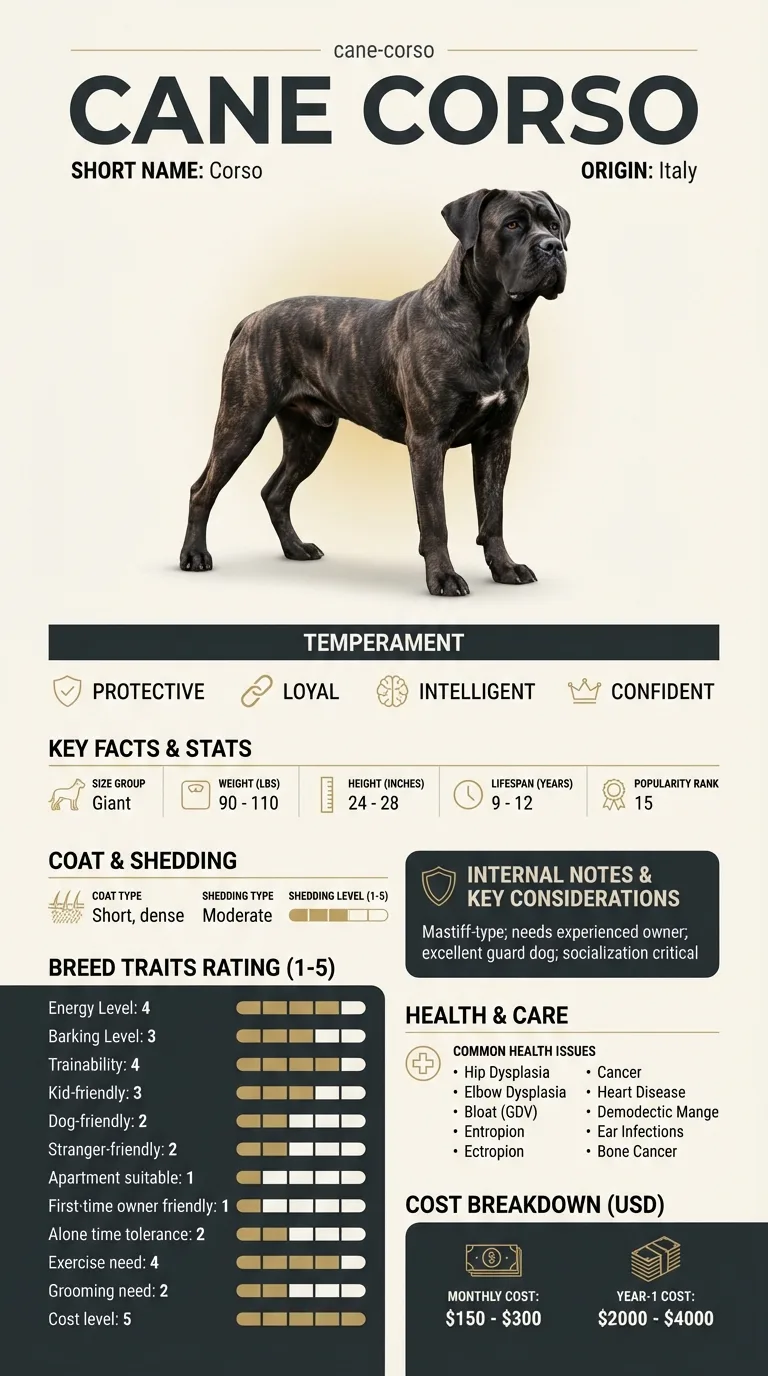
Owners of Cane Corsos, especially those who are first-time pet parents or have active lifestyles, often face challenges with this issue. It's vital for these owners to understand the implications of this disease to ensure their furry friends remain healthy and happy.
This guide is not medical advice. If your dog shows pain, sudden behavior change, or worsening symptoms, consult a licensed veterinarian.
Some links may be affiliate links. We may earn a commission at no extra cost to you. We only suggest products we believe are helpful for dog owners.
We research and check what we publish, but we do not warrant that any figure, date, price, or statement is accurate, complete, or current, and we accept no liability for any loss, cost, injury, or other harm arising from the use of this site. Use it as one reference among several. You remain responsible for your own decisions and for your dog's care - confirm anything that matters with a licensed veterinarian or another qualified professional before you act on it. Full disclaimer.
Check this first
Understanding when Cane Corso von Willebrand's disease becomes an emergency is crucial for your dog's health. There are clear signs that indicate you should contact your vet immediately. If your dog experiences excessive bleeding from minor cuts, has prolonged bleeding after surgery, or shows signs of blood in the urine or stool, these are red flags. Additionally, if your Cane Corso is lethargic or displaying unusual weakness, it’s time to seek help right away.
On the other hand, there are situations where you can monitor your dog's condition at home. If your Cane Corso has a mild case, you might notice occasional nosebleeds or minor bruising without excessive bleeding. In these cases, it’s best to create a plan with your vet that includes regular check-ups and monitoring. Keeping a close eye on your dog's symptoms and keeping track of any changes can help you know when to act.
Being informed about the signs of an emergency versus mild cases can make all the difference. Always trust your instincts; if you feel something isn't right, it's better to be safe and consult your vet.
If any of these apply, call your vet or an emergency clinic now. The rest of this page is for the cases that are not an emergency.
Cane Corso von Willebrand's disease is a bleeding disorder that affects your dog's ability to clot blood. This can lead to excessive bleeding from minor injuries or during surgeries. Owners may notice their dog bruising easily or experiencing prolonged bleeding after a cut or injury.
Von Willebrand's disease is relatively common in Cane Corsos, particularly among those with a family history of the disorder. It's essential for prospective owners to be aware of this risk when selecting a Cane Corso.
Cane Corsos can inherit von Willebrand's disease due to their genetic makeup. This condition affects their blood's ability to clot, leading to excessive bleeding. As a breed, they are more susceptible to this issue compared to others.
Environmental factors, such as stress or injury, can exacerbate the symptoms of von Willebrand's disease in Cane Corsos. A stressful environment may lead to increased bleeding incidents. Additionally, lack of proper exercise can weaken their overall health, making them more prone to complications.
Consult your vet if you notice any unusual bleeding or if your Cane Corso seems to be in pain. Regular check-ups are essential for monitoring their condition. If you suspect von Willebrand's disease, genetic testing and tailored care plans may be necessary.
Avoiding certain behaviors can help manage Cane Corso von Willebrand's disease effectively. Here are common mistakes to avoid and better alternatives.
Start here: Cane Corso Most Common Genetic Disorders: What to Screen For
See all Cane Corso health problems, which breeds are prone to von willebrands disease, or the full Cane Corso breed guide for temperament, exercise needs and ownership costs.
Managing Cane Corso von Willebrand's disease typically takes several months of consistent care and monitoring. Regular vet visits and possible medication adjustments are crucial for success.
Success means your Cane Corso maintains a stable condition with minimal bleeding episodes, allowing them to live a happy, active life.
Emily, a first-time dog owner in Seattle, adopted Max, a lively Cane Corso. Shortly after bringing him home, she noticed he was prone to excessive bleeding from minor cuts. A visit to the vet confirmed that Max had von Willebrand's disease. Emily felt overwhelmed but committed to learning how to manage his condition. She researched the disease, followed the vet's advice, and adjusted Max's exercise routine to minimize risks. Over time, Emily learned to recognize signs of potential bleeding and how to handle them. With proper care, Max now enjoys his walks and playtime while staying safe.
Key takeaway: With the right knowledge and proactive care, managing Cane Corso von Willebrand's disease can lead to a fulfilling life for both the dog and owner.
Signs of von Willebrand's disease in a Cane Corso can include excessive bleeding from minor cuts, prolonged bleeding after surgery, or frequent nosebleeds. If you notice any of these symptoms, it's essential to consult your vet for a proper diagnosis.
Management includes regular vet check-ups to monitor your dog's health. Keeping your Cane Corso calm and avoiding high-risk activities can help reduce the chances of bleeding incidents.
Common symptoms include excessive bleeding from cuts, nosebleeds, or bleeding gums. If you notice these signs, it's crucial to seek veterinary care immediately.
While there is no cure for von Willebrand's disease, treatment focuses on managing symptoms. Your vet may recommend specific medications or lifestyle changes to help your Cane Corso live a healthy life.
To prevent accidents, keep your Cane Corso in a safe environment, free from sharp objects or hazards. Additionally, inform anyone who interacts with your dog about their condition.
Training should focus on socialization and basic commands to ensure your Cane Corso remains calm in various situations. Positive reinforcement is key, but avoid overly strenuous activities that could lead to injury.
While there is no cure for von Willebrand's disease, treatment options can help manage the condition. Your vet may recommend specific medications or procedures to help control bleeding during emergencies or surgeries.
Yes, von Willebrand's disease is hereditary and can be passed down from parent to offspring. If you're considering breeding, it's crucial to test for this condition to avoid passing it on.
To prevent complications, it's vital to keep your Cane Corso calm and avoid situations that could lead to injury. Regular vet check-ups and blood tests can also help monitor their condition and catch any issues early.
If your Cane Corso experiences a bleeding episode, remain calm and apply gentle pressure to the wound. Contact your vet immediately for guidance, as they may need to provide treatment to control the bleeding.
Ensure regular vet visits, avoid risky activities, and keep a calm environment for your dog.
Regular checks for unusual bleeding should be part of your routine, especially after any minor injuries.
Create a stress-free space for your Cane Corso, minimizing loud noises and sudden movements.
You may incur costs for regular vet check-ups and any specific treatments recommended for managing the condition.
Consult your vet for dietary recommendations, as a balanced diet can support overall health.
A one-page prep sheet for this condition: the signs, the questions to ask, what to get priced. Unlocks here.
You get: Vet visit prep sheet
No spam. One-click unsubscribe. See our privacy policy.
Preview page 1 before you decide.