DogBreedCompass
← Back to breed profile

Understanding Boxer Immune-Mediated Thyroiditis

Boxer immune-mediated thyroiditis is a serious autoimmune disease affecting your dog's thyroid.

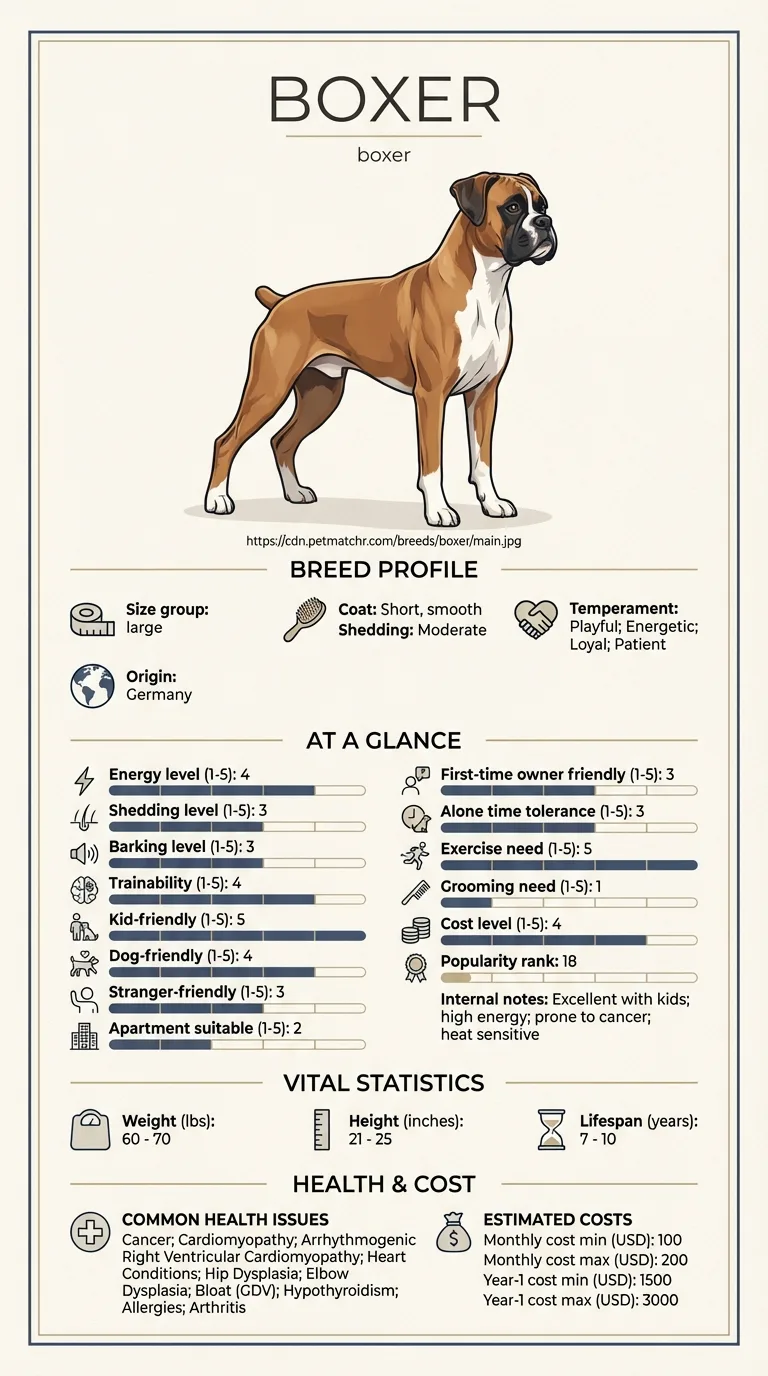
Understanding Boxer Immune-Mediated Thyroiditis infographic

Owners of Boxers may notice these symptoms and feel overwhelmed. This is particularly true for first-time pet parents or those unfamiliar with autoimmune conditions in dogs.

Important reminder

This guide is not medical advice. If your dog shows pain, sudden behavior change, or worsening symptoms, consult a licensed veterinarian.

Some links may be affiliate links. We may earn a commission at no extra cost to you. We only suggest products we believe are helpful for dog owners.

What this problem looks like

Boxer immune-mediated thyroiditis is an autoimmune condition that affects the thyroid gland. This can lead to symptoms like weight gain, lethargy, and changes in coat quality. Owners may notice their Boxer becoming less active or having unusual weight fluctuations, which can be alarming.

Common triggers

  • Genetic predisposition
  • Environmental factors
  • Stressful situations

This condition is relatively uncommon in Boxers, but autoimmune diseases can be a concern in this breed. Regular veterinary check-ups can help catch potential thyroid issues early, especially since Boxers are generally predisposed to certain health problems.

Why this happens

Breed factors

Boxers are genetically predisposed to certain autoimmune disorders, including immune-mediated thyroiditis. This means their immune system may mistakenly attack their own thyroid gland, leading to health issues.

Environment factors

Environmental factors such as stress, poor diet, and exposure to toxins can trigger or worsen immune-mediated thyroiditis in Boxers. These factors may contribute to their overall health and immune function.

What you can try

At-home strategies

  • Monitor your Boxer's weight regularly, as thyroid issues can lead to weight gain or loss.
  • Provide a balanced diet rich in nutrients to support thyroid health, avoiding fillers and artificial additives.
  • Keep your dog's environment calm and stress-free, offering plenty of exercise and mental stimulation to help reduce stress-related triggers.

When to consider a trainer

If your Boxer shows signs of anxiety or behavior changes due to their condition, a professional trainer can help create a tailored training plan that addresses these issues while promoting a sense of security.

When to talk to your vet

If you notice symptoms like lethargy, changes in appetite, or unusual weight fluctuations, it's crucial to consult your vet. They can perform tests to diagnose immune-mediated thyroiditis and suggest an appropriate treatment plan.

Realistic expectations

Managing Boxer immune-mediated thyroiditis can take several months. Initial results from treatment may be seen in 6 to 8 weeks, but ongoing adjustments and monitoring are often needed.

Success means your Boxer shows improved energy levels, stable weight, and balanced hormone levels through regular vet check-ups. Your dog should also have a better quality of life with reduced symptoms.

Mistakes that make this worse

Avoiding common pitfalls can greatly help improve your Boxer’s immune-mediated thyroiditis. Here are some mistakes to watch out for, along with safer alternatives.

  • Ignoring Symptoms: Many owners overlook early signs like weight changes or lethargy. Instead, keep a close eye on your Boxer’s behavior and consult a vet at the first sign of concern.
  • Inconsistent Medication: Missing doses can lead to setbacks. Stick to a strict schedule for any prescribed medications to ensure your Boxer stays on track.
  • Overlooking Diet: Feeding low-quality food can worsen health issues. Opt for a high-quality diet rich in nutrients that support thyroid function.
  • Neglecting Regular Check-ups: Skipping vet visits can delay necessary adjustments in treatment. Schedule regular check-ups to monitor your Boxer’s thyroid levels and overall health.
  • Allowing Stressful Situations: Stress can exacerbate thyroid issues. Create a calm environment and minimize exposure to stressors, especially during treatment.
  • Self-Diagnosing: Trying to treat symptoms without professional advice can lead to complications. Always consult your vet before making changes to your Boxer’s health plan.

When Boxer Immune-Mediated Thyroiditis is an Emergency

Recognizing when Boxer immune-mediated thyroiditis becomes an emergency is crucial for your dog's health. Immediate veterinary attention is necessary if you notice severe symptoms like extreme lethargy, rapid weight loss, or excessive vomiting. These signs could indicate that your dog's thyroid condition has worsened and needs urgent care.

In contrast, mild symptoms like slight fatigue, occasional changes in appetite, or minor weight fluctuations can often be monitored at home. It's important to keep a close eye on these less severe signs and maintain regular vet check-ups to ensure your Boxer stays healthy.

If you’re unsure, a good rule of thumb is to trust your instincts. If something feels off about your Boxer, don’t hesitate to consult your veterinarian. Early intervention can make a world of difference in managing Boxer immune-mediated thyroiditis effectively.

Understanding Boxer Immune-Mediated Thyroiditis - When Boxer Immune-Mediated Thyroiditis is an Emergency

Emma's Journey with Max's Diagnosis

Emma, a dedicated dog owner, noticed her Boxer, Max, was lethargic and gaining weight unexpectedly. After a vet visit, they discovered he had immune-mediated thyroiditis. Emma felt overwhelmed but learned that with proper medication and dietary adjustments, Max could thrive. Over the next few months, she monitored his weight and energy levels closely, adjusting his routine as needed. With patience and care, Max returned to his playful self, and Emma felt relieved to see him happy again.

Key takeaway: Early diagnosis and a tailored treatment plan are crucial for managing Boxer immune-mediated thyroiditis effectively.

Frequently asked questions

Why does my Boxer have immune-mediated thyroiditis?

Boxer immune-mediated thyroiditis occurs when the immune system mistakenly attacks thyroid tissue. This can be influenced by genetics, environmental factors, or infections. If your Boxer shows symptoms like weight changes or lethargy, consult your vet for a proper diagnosis.

How can I help my Boxer with immune-mediated thyroiditis?

To help your Boxer, regular vet check-ups are crucial for monitoring thyroid hormone levels. Medication, such as thyroid hormone replacement, may be necessary to manage the condition. Pair this with a balanced diet and exercise to maintain overall health.

What are the symptoms of immune-mediated thyroiditis in Boxers?

Symptoms of Boxer immune-mediated thyroiditis can include weight gain or loss, lethargy, and changes in coat quality. Some Boxers may also experience behavioral changes or sensitivity to cold. If you notice these signs, it's important to consult your veterinarian.

Can immune-mediated thyroiditis be cured in Boxers?

While there is no cure for Boxer immune-mediated thyroiditis, it can be effectively managed with medication and lifestyle adjustments. Regular vet visits will help keep the condition under control and improve your dog's quality of life.

Is there a specific diet for Boxers with immune-mediated thyroiditis?

A balanced diet is essential for Boxers with immune-mediated thyroiditis. Focus on high-quality proteins and avoid excess carbohydrates. Consulting your veterinarian for tailored dietary advice can help ensure your Boxer gets the nutrients they need.

What are the symptoms of Boxer immune-mediated thyroiditis?

Symptoms often include weight gain, lethargy, and skin issues. You may also notice changes in your Boxer's coat, such as excessive shedding or a dull appearance. If you observe these signs, it's essential to consult a vet.

Can Boxer immune-mediated thyroiditis be treated?

Yes, treatment usually involves medication to help regulate thyroid levels. Your vet may prescribe hormone replacement therapy and recommend regular check-ups to monitor your dog's progress. Early intervention can lead to better outcomes.

Is Boxer immune-mediated thyroiditis hereditary?

Research indicates that immune-mediated thyroiditis can have a genetic component in Boxers. If your dog has a family history of thyroid issues, be vigilant about monitoring for symptoms. Early detection can help manage the condition more effectively.

How can I support my Boxer with immune-mediated thyroiditis?

In addition to following your vet's treatment plan, a balanced diet and regular exercise can help. Keeping your Boxer at a healthy weight is crucial, as obesity can worsen thyroid problems. Consider consulting a pet nutritionist for tailored dietary advice.

When should I take my Boxer to the vet for immune-mediated thyroiditis?

If you notice signs like persistent weight gain, lethargy, or skin problems, it's time to see the vet. Regular check-ups are essential, especially if your Boxer is at higher risk. Early intervention can make a significant difference in managing the condition.

Quick answers

View more answers
Behavior

What are quick tips for managing Boxer immune-mediated thyroiditis?

Regular vet check-ups and medication compliance are key for managing Boxer immune-mediated thyroiditis. Keep track of any changes in your dog's behavior or weight and report them to your vet.

Health

How often should I take my Boxer to the vet for thyroid issues?

For Boxers with immune-mediated thyroiditis, a vet visit every 6-12 months is recommended to monitor thyroid hormone levels. More frequent visits may be needed if your dog's condition changes.

Training

Are there any training tips for Boxers with immune-mediated thyroiditis?

Training a Boxer with immune-mediated thyroiditis should remain consistent and positive. Short sessions with plenty of rewards can help keep your dog's energy and motivation high.

Related DogBreedCompass guides

  • Boxer separation anxiety guideLearn how to manage and train your Boxer to handle separation anxiety effectively.
  • Boxer behavior problemsDiscover common behavior problems in Boxers and how to address them.
  • Boxer cost breakdownGet insights on the costs associated with owning a Boxer, including medical expenses.
  • Boxer immune-mediated thyroiditis trainingExplore training tips to help your Boxer cope with immune-mediated thyroiditis.
  • Common health issues in BoxersUnderstand the common health issues that can affect Boxers and how to prevent them.

Related guides