Behavior
What are quick tips for Boxer bloat (GDV)?
Feed smaller meals multiple times a day, avoid vigorous exercise after eating, and consider a slow feeder bowl.

Quick answer
What are quick tips for Boxer bloat (GDV)?
Feed smaller meals multiple times a day, avoid vigorous exercise after eating, and consider a slow feeder bowl.
Boxer bloat (GDV) is a serious condition that can affect your dog's life. It occurs when the stomach twists, leading to dangerous complications.
First-time dog owners or those unfamiliar with the breed may struggle with recognizing the symptoms of bloat. Busy families with active Boxers also face challenges in managing their dog's exercise and eating habits, which can contribute to this problem.
This guide is not medical advice. If your dog shows pain, sudden behavior change, or worsening symptoms, consult a licensed veterinarian.
Some links may be affiliate links. We may earn a commission at no extra cost to you. We only suggest products we believe are helpful for dog owners.
We research and check what we publish, but we do not warrant that any figure, date, price, or statement is accurate, complete, or current, and we accept no liability for any loss, cost, injury, or other harm arising from the use of this site. Use it as one reference among several. You remain responsible for your own decisions and for your dog's care - confirm anything that matters with a licensed veterinarian or another qualified professional before you act on it. Full disclaimer.
Check this first
Boxer bloat, or GDV, can be life-threatening, so it's crucial to know when to act quickly. If your Boxer shows signs like a swollen belly, pacing, drooling, or attempts to vomit without success, these are red flags. Call your vet immediately if you notice any of these symptoms, as they could indicate a twisted stomach that needs urgent care.
In less severe cases, you may notice mild signs like occasional gagging, slight lethargy, or a decrease in appetite. While these symptoms can be concerning, they don't always mean an emergency is imminent. Monitor your Boxer closely, and if symptoms persist or worsen over the next few hours, it's best to consult your vet for further guidance. It’s always better to err on the side of caution when it comes to your pet’s health.
If any of these apply, call your vet or an emergency clinic now. The rest of this page is for the cases that are not an emergency.
Boxer bloat (GDV) is a serious condition that can happen quickly. It occurs when the stomach fills with gas and twists, preventing blood flow. You might notice your Boxer trying to vomit but unable to, along with signs of distress like pacing or restlessness.
Bloat (GDV) is a well-known risk for Boxers, particularly during middle age. While not every Boxer will experience this, the breed's anatomy makes them more susceptible.
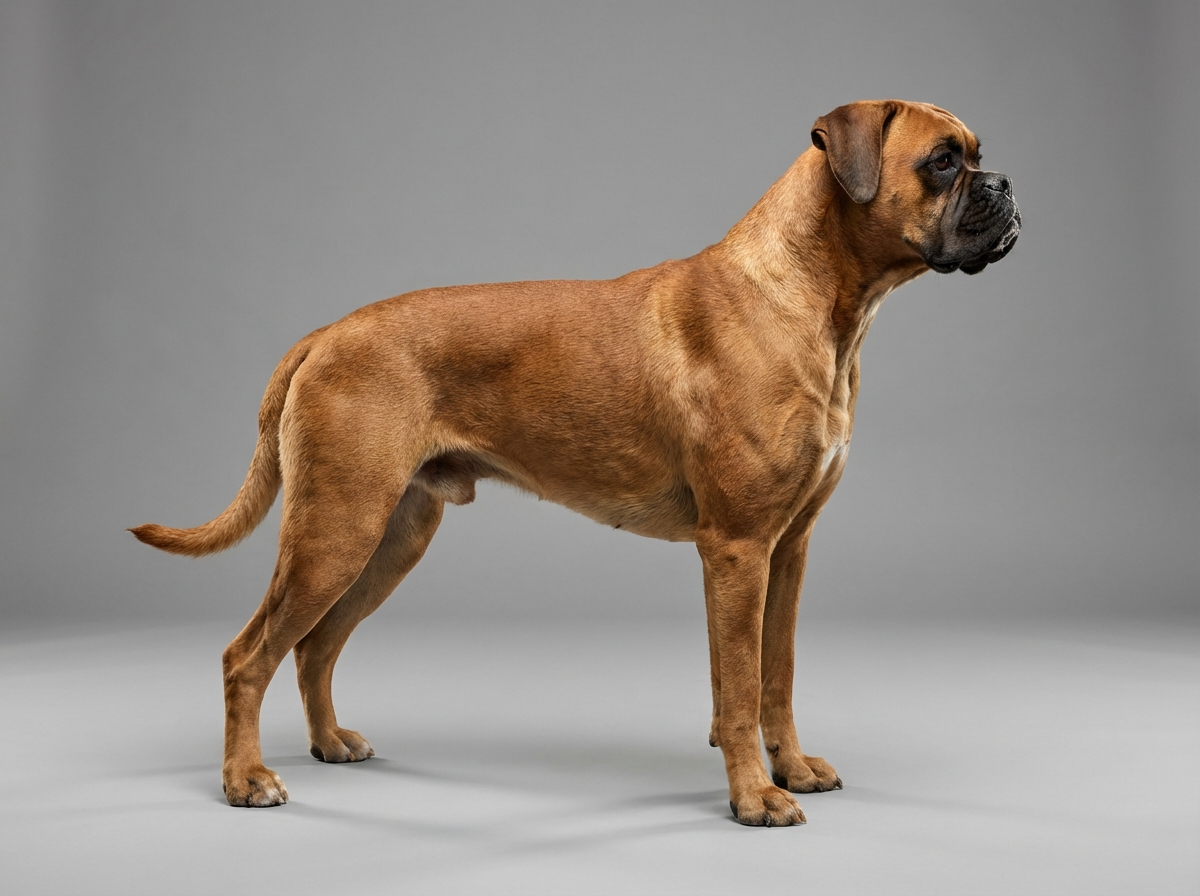
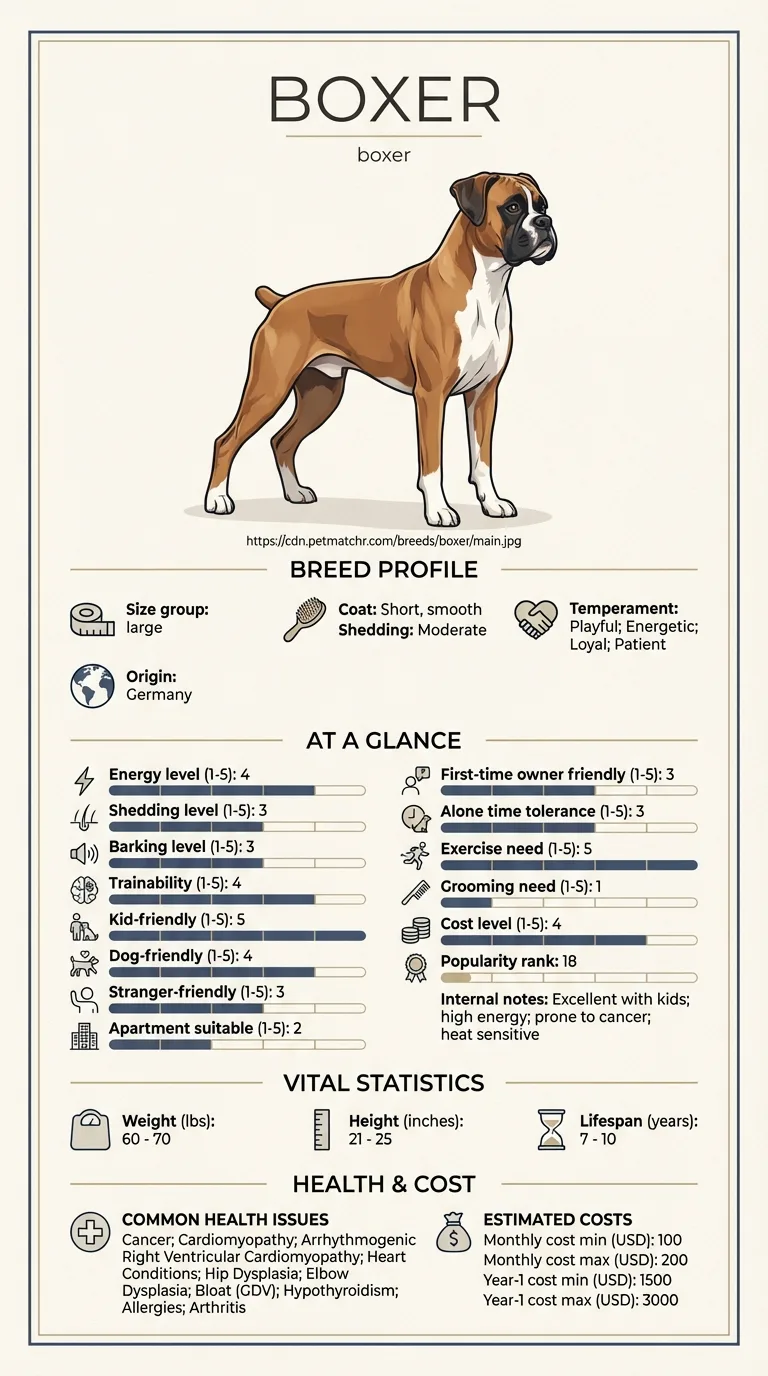
Boxers are large dogs with deep chests, making them more prone to bloat (GDV). Their anatomy can cause the stomach to twist, trapping gas and food. This condition can be exacerbated by fast eating or drinking.
Bloat can also be influenced by stress or rapid changes in routine. If a Boxer is anxious or excited, it may eat or drink quickly, increasing the risk of bloat. Additionally, certain feeding practices, like using raised bowls, can contribute to the problem.
If you notice symptoms of bloat, such as a swollen abdomen, excessive drooling, or restlessness, contact your vet immediately. Bloat can be life-threatening and requires prompt veterinary attention.
Dealing with Boxer bloat (GDV) can be tricky. Some common mistakes can actually make the problem worse and delay improvement. Here are some behaviors to avoid and safer alternatives you can try.
Start here: Boxer Most Common Genetic Disorders: What to Screen For
See all Boxer health problems, which breeds are prone to bloat gdv, or the full Boxer breed guide for temperament, exercise needs and ownership costs.
With consistent care and management, you can expect to see improvements in your Boxer's comfort level within a few weeks. However, ongoing monitoring is essential, as bloat can still occur unexpectedly.
Success means your Boxer shows fewer signs of discomfort after eating and has a stable eating routine without exhibiting signs of anxiety. You’ll also feel more confident in managing your dog's health.
Maria, a busy nurse in Dallas, adopted Max, her energetic Boxer. She noticed that after eating, Max would often seem restless and anxious. After researching, Maria learned about Boxer bloat (GDV) and the importance of feeding routines. She started feeding Max smaller meals throughout the day and made sure to keep him calm for an hour after eating. Within weeks, Max was much more comfortable and relaxed after meals, giving Maria peace of mind.
Key takeaway: Establishing a consistent feeding schedule and managing your dog's activity post-meal can significantly reduce the risk of bloat in Boxers.
Bloat in Boxers can occur due to a variety of factors, including eating too quickly, exercising after meals, or genetic predisposition. Boxers are particularly at risk due to their deep chest structure. Monitor their eating habits and consult a vet if you notice unusual behavior.
To help prevent bloat, feed your Boxer smaller meals more frequently, rather than one large meal. Avoid vigorous exercise right after meals, and consider using a slow feeder bowl to reduce the speed of eating. Regular vet check-ups can also help monitor for any risk factors.
If you suspect your Boxer has bloat, do not wait for symptoms to worsen. Take them to the nearest emergency vet clinic right away. Prompt treatment is essential to prevent severe complications or death.
While training cannot directly prevent bloat, it can help manage your Boxer's behavior around meal times. Teaching commands like 'slow' and using positive reinforcement during feeding can encourage them to eat at a safer pace.
Often, surgery is necessary to correct bloat and prevent it from recurring. This procedure, called a gastropexy, involves tacking the stomach to the abdominal wall. Discuss options with your vet to determine the best course of action for your boxer.
Early signs of Boxer bloat (gdv) include restlessness, drooling, and a distended abdomen. If your Boxer seems uncomfortable or is pacing, these could be warning signs that need immediate attention.
Yes, older Boxers may be at a higher risk for bloat (gdv) due to age-related changes in their stomach and digestive system. It's important to monitor them closely for any signs of discomfort, especially as they age.
Feeding smaller, more frequent meals and avoiding high-starch diets can help reduce the risk of bloat (gdv) in Boxers. Always consult with your vet for dietary recommendations tailored to your dog's needs.
While training alone won't prevent bloat (gdv), teaching your Boxer to eat slowly and managing their excitement around food can help. Techniques like using slow feeders or spreading food over a larger surface can make a difference.
Feed smaller meals multiple times a day, avoid vigorous exercise after eating, and consider a slow feeder bowl.
Get your Boxer to a vet immediately if you notice symptoms like a swollen abdomen or difficulty breathing.
Treating bloat can cost anywhere from $1,500 to $3,000, depending on the severity and necessary procedures.
Yes, Boxers with deeper chests or those who have had bloat in the past are at higher risk.
While stress is not a direct cause, it can contribute to rapid eating and drinking, which increases the risk of bloat.
A one-page prep sheet for this condition: the signs, the questions to ask, what to get priced. Unlocks here.
You get: Vet visit prep sheet
No spam. One-click unsubscribe. See our privacy policy.
Preview page 1 before you decide.