Border Collie Brachycephalic Features: Understanding the Challenges
Border Collie brachycephalic features can lead to breathing difficulties, impacting your dog's quality of life.
Owners of Border Collies with these features often include active families and first-time dog parents who may not recognize the signs of respiratory distress. Understanding this issue is crucial for their pet's well-being.
Important reminder
This guide is not medical advice. If your dog shows pain, sudden behavior change, or worsening symptoms, consult a licensed veterinarian.
Some links may be affiliate links. We may earn a commission at no extra cost to you. We only suggest products we believe are helpful for dog owners.
What this problem looks like
Border Collie brachycephalic features can lead to breathing difficulties and discomfort. These traits usually show up with snoring, labored breathing, or excessive panting. While not as pronounced as in other breeds, some Border Collies may still experience these issues, especially during exercise or in hot weather.
Common triggers
Overexertion during play or exercise
Hot or humid weather
Stressful situations like loud noises or crowds
Brachycephalic features in Border Collies are relatively uncommon compared to breeds like Bulldogs or Pugs. However, some individuals may still display mild symptoms, often becoming noticeable after physical activity or when exposed to heat.
Why this happens
Breed factors
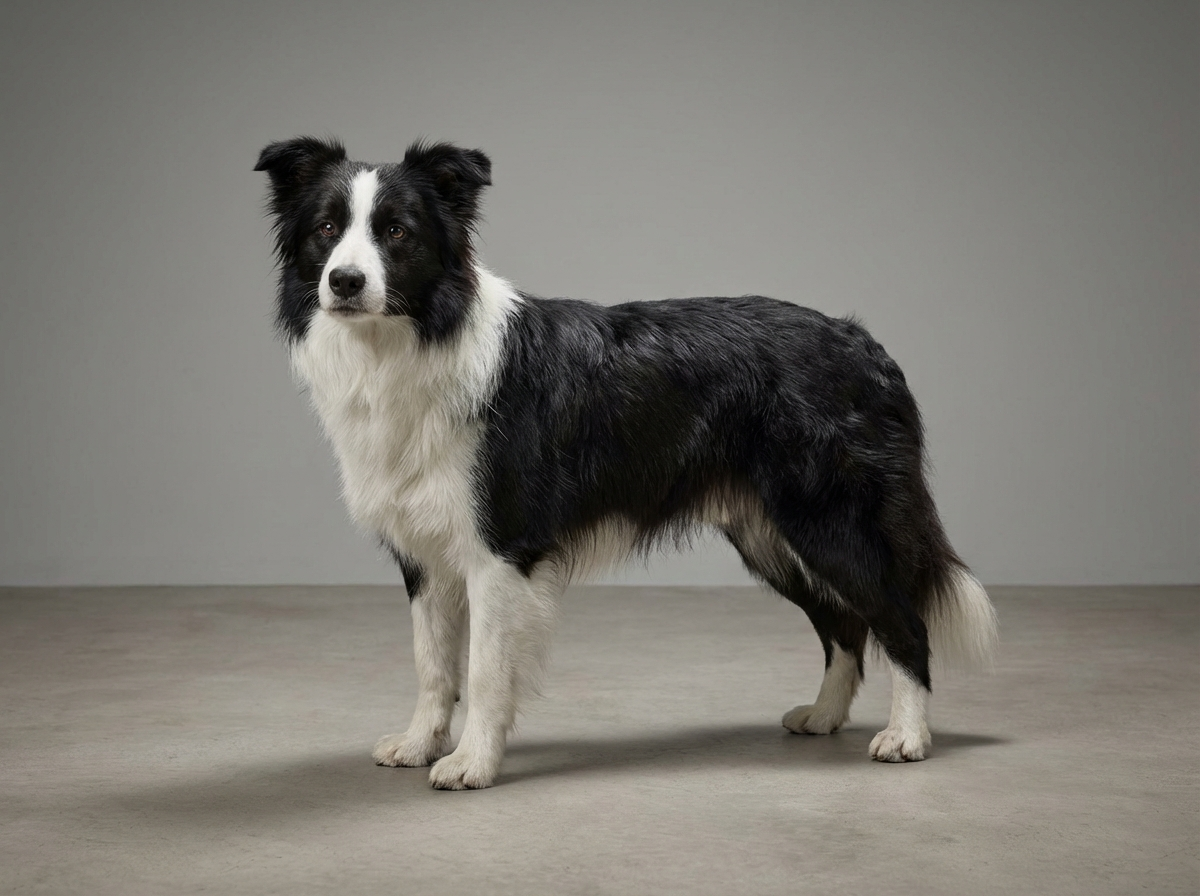
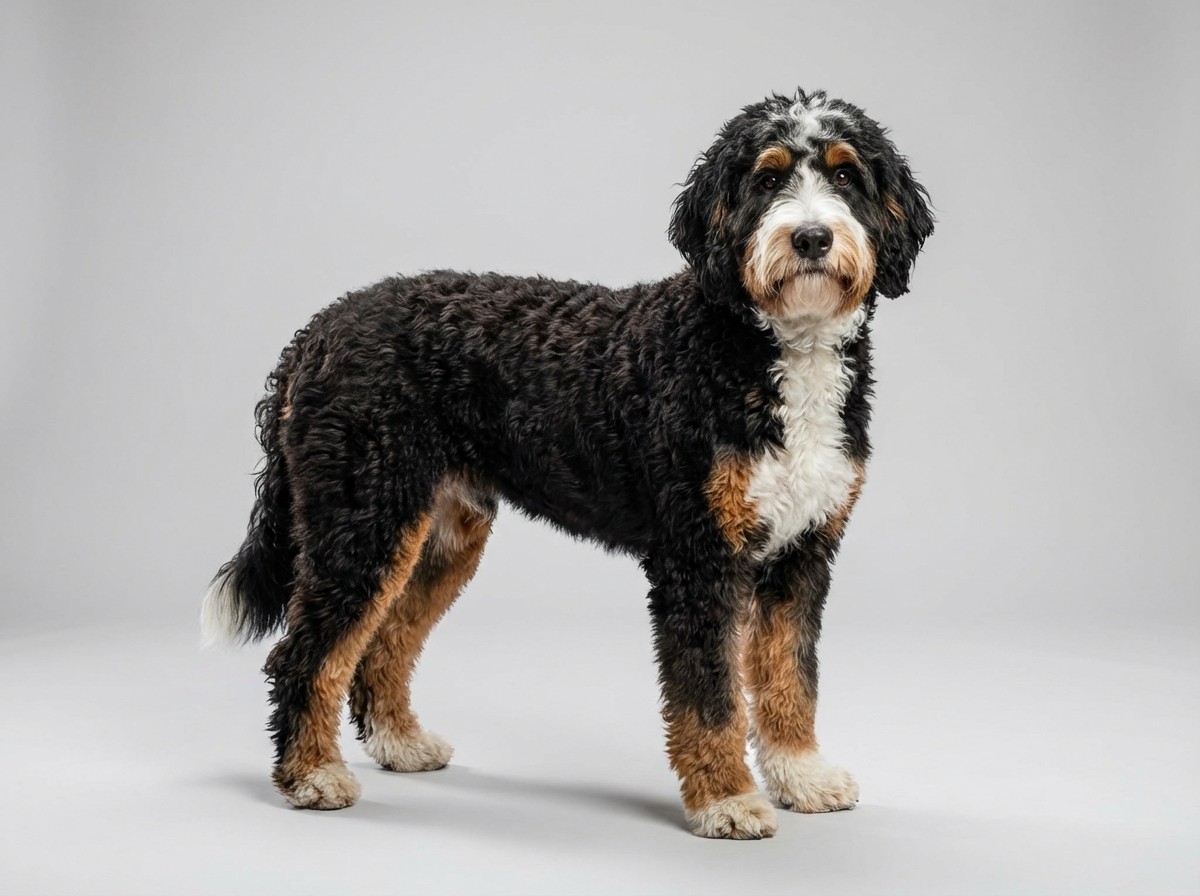
Border Collies are generally not known for having brachycephalic features. However, if your Border Collie does exhibit these traits, it could be due to mixed breeding. Some individuals may inherit physical characteristics from brachycephalic breeds, which can lead to breathing difficulties.
Environment factors
Environmental factors can also contribute to the appearance of brachycephalic features. Poor air quality, obesity, and lack of exercise can exacerbate breathing issues. Additionally, if a Border Collie is kept in a hot or humid environment, it may struggle more with its breathing.
What you can try
At-home strategies
Monitor your dog's weight regularly. Keeping your Border Collie at a healthy weight can reduce the strain on its respiratory system.
Provide plenty of fresh air. Ensure your dog has access to a well-ventilated area, especially during hot weather.
Engage in regular, moderate exercise. While Border Collies are energetic, avoid excessive exertion during high temperatures.
When to consider a trainer
If your Border Collie struggles with obedience or shows signs of anxiety related to its breathing, consider consulting a professional dog trainer. They can help with training strategies tailored to your dog's needs, ensuring a calmer environment.
When to talk to your vet
If you notice persistent coughing, wheezing, or difficulty in breathing, it's important to consult a veterinarian. They can assess your dog's health and recommend treatment options if necessary.
Realistic expectations
You can expect to see improvements in your Border Collie's breathing and overall comfort within 4 to 6 weeks of consistent training and management.
Success means your Border Collie can breathe more easily during exercise, has better energy levels, and shows reduced signs of stress or discomfort.
Mistakes that make this worse
Avoid these common mistakes to help your Border Collie manage brachycephalic features more effectively.
Allowing excessive exercise in hot weather: Overexertion can lead to breathing difficulties. Opt for shorter, more frequent walks during cooler times.
Ignoring signs of distress: If your Border Collie is panting excessively or seems lethargic, it’s crucial to take breaks and cool them down. Always pay attention to their cues.
Using harsh training methods: Negative reinforcement can increase anxiety and worsen breathing issues. Use positive reinforcement to encourage good behavior instead.
Feeding inappropriate food: Low-quality diets can lead to obesity, worsening breathing problems. Choose high-quality, breed-appropriate food to maintain a healthy weight.
Neglecting regular vet check-ups: Skipping vet visits can lead to undetected health issues. Regular check-ups can help catch problems early and keep your dog healthy.
Failing to provide a calm environment: Stress can exacerbate breathing difficulties. Create a soothing space where your Border Collie feels safe and secure.
When Border Collie Brachycephalic Features Are an Emergency
Understanding when Border Collie brachycephalic features become an emergency is crucial for your dog's health. There are clear signs that indicate you should call your vet immediately, while other situations may allow for monitoring at home.
If your Border Collie shows severe difficulty breathing, excessive coughing, or has blue-tinged gums, these are red flags that require urgent veterinary attention. Other symptoms like unresponsiveness, fainting, or extreme lethargy also signal an emergency. In these cases, it's always better to err on the side of caution and seek immediate help.
On the other hand, if your dog experiences mild breathing challenges or seems slightly more tired than usual, you might be able to monitor the situation. Keeping an eye on their activity level, ensuring they’re not overheating, and maintaining a calm environment can help. However, if these symptoms persist or worsen, it's essential to consult your vet for advice.

Border Collie Brachycephalic Features: Understanding the Challenges - When Border Collie Brachycephalic Features Are an Emergency
Sarah's Journey with Max the Border Collie
Sarah, a busy nurse in Chicago, adopted Max, a lively Border Collie. She quickly noticed that he struggled with breathing during walks and playtime, which worried her. After researching, she learned about training techniques and lifestyle adjustments to help manage his brachycephalic features. She gradually introduced short training sessions focusing on controlled breathing exercises and ensured Max took frequent breaks during activities. With patience, Max became more comfortable during exercise, and Sarah felt relieved watching him thrive.
Key takeaway: With the right training and adjustments, you can help your Border Collie manage brachycephalic features and enjoy a happier, healthier life.
Frequently asked questions
Why does my Border Collie have brachycephalic features?
Brachycephalic features in a Border Collie can occur due to genetic traits or selective breeding. These traits can lead to breathing difficulties, especially during exercise or in hot weather. It's important to monitor your dog’s breathing and consult a vet for advice. This answer relates to Border Collie brachycephalic features.
How can I help my Border Collie with brachycephalic features?
To support your Border Collie, ensure they have regular vet check-ups to monitor their breathing. Provide a cool environment and avoid strenuous activities in hot weather. Training can also help your dog learn to manage their energy levels and breathing.
What are the signs of breathing problems in Border Collies?
Signs of breathing problems include excessive panting, snoring, or difficulty breathing during exercise. If your Border Collie is showing these symptoms, it's essential to consult a veterinarian. Early detection can help manage potential health issues.
Can training help with brachycephalic features in Border Collies?
Yes, training can help your Border Collie learn to manage their energy and stress levels. Focus on positive reinforcement and consider incorporating calming exercises. Avoid high-intensity training during warm weather to prevent breathing difficulties.
What can I do to stop my Border Collie from developing more severe brachycephalic features?
To prevent worsening features, prioritize responsible breeding practices if you plan to breed your dog. Regular vet visits and proper training can also help manage their condition. Be vigilant about their health, especially as they age.
What should I do if my Border Collie shows signs of breathing difficulties?
If your Border Collie is experiencing breathing difficulties, it's important to consult a vet immediately. Signs to watch for include excessive panting, coughing, or lethargy. Early intervention can help manage any underlying issues.
Can older Border Collies develop brachycephalic features?
Yes, older Border Collies can show brachycephalic features, especially if they've had previous health issues or weight gain. Regular vet check-ups can help monitor any changes in their breathing or overall health. Weight management is crucial for their well-being.
How can I train my Border Collie to cope with brachycephalic features?
Training your Border Collie to cope with brachycephalic features involves positive reinforcement and gradual exposure to exercise. Start with shorter walks and monitor their breathing closely. Always reward calm behavior to help them adjust.
Why does my Border Collie have brachycephalic features even though it's not a typical trait?
While brachycephalic features are not common in Border Collies, some may inherit them through mixed breeding. Genetics can play a significant role in physical traits. If you're concerned, consult with a vet about your dog's specific traits.
What are some quick tips for managing my Border Collie's brachycephalic features?
To manage your Border Collie's brachycephalic features, ensure they stay cool and hydrated, especially during exercise. Limit strenuous activities on hot days, and consider using a harness instead of a collar to reduce strain on their neck. Regular vet visits are essential to monitor their health.
What are quick tips for managing Border Collie brachycephalic features?
Keep your Border Collie cool and avoid hot weather activities. Regular vet check-ups are crucial to monitor any breathing issues. Training for calm behavior can also help manage their energy.
Costs
How much does it cost to care for a Border Collie with breathing issues?
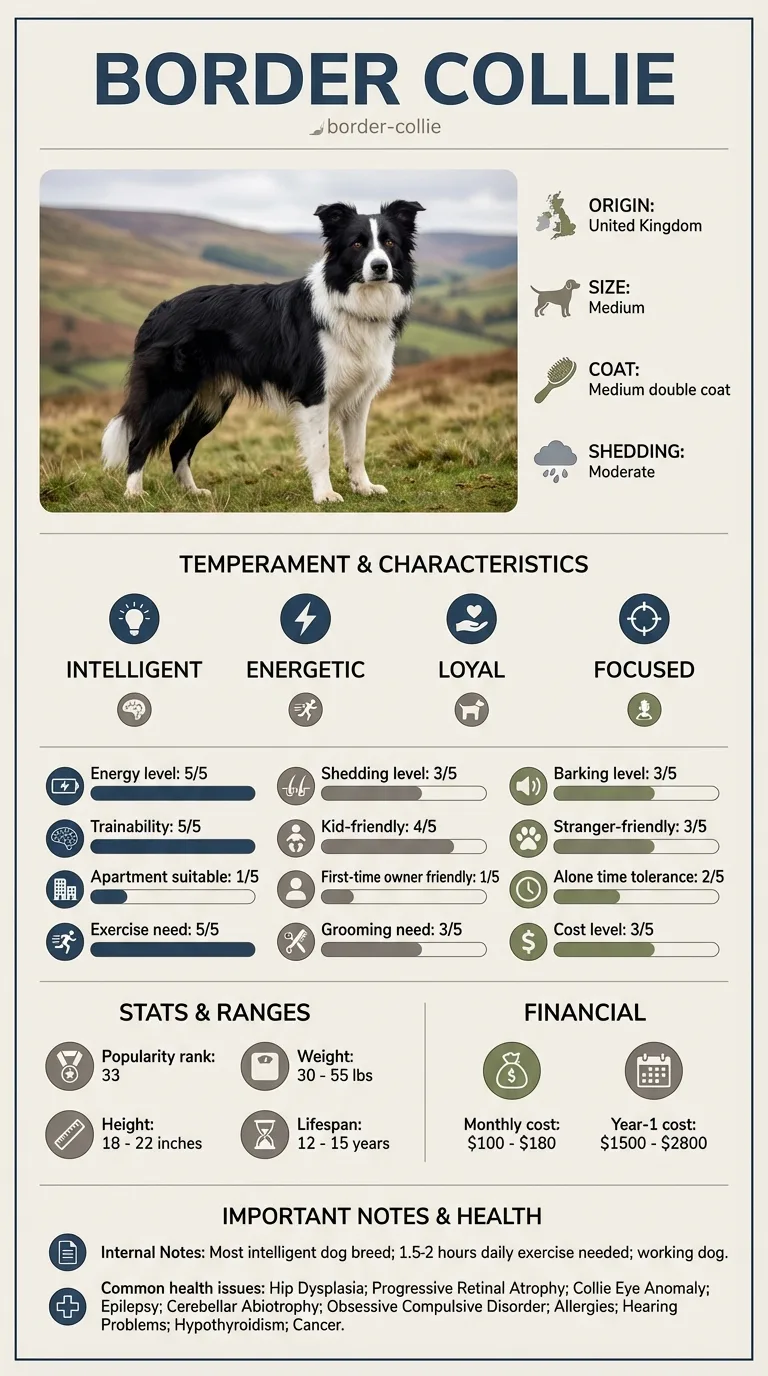
Expect monthly costs between $100 and $180 for general care. Additional vet visits for breathing problems could increase your expenses, so budgeting for $1,500 to $2,800 in the first year is wise.
Health
Are brachycephalic features harmful to my Border Collie?
These features can lead to breathing difficulties, especially in hot or stressful situations. It's essential to monitor their health and consult your vet for any concerns.