Behavior
How to stop Bernedoodle bloat (gastric dilatation-volvulus/gdv)?
Feed smaller meals and avoid exercise right after eating to help prevent bloat.
Bernedoodle bloat, or gastric dilatation-volvulus (GDV), is a serious and potentially life-threatening condition that affects many dogs. Understanding this problem can save your dog's life. (Bernedoodle bloat (gastric dilatation-volvulus/gdv))
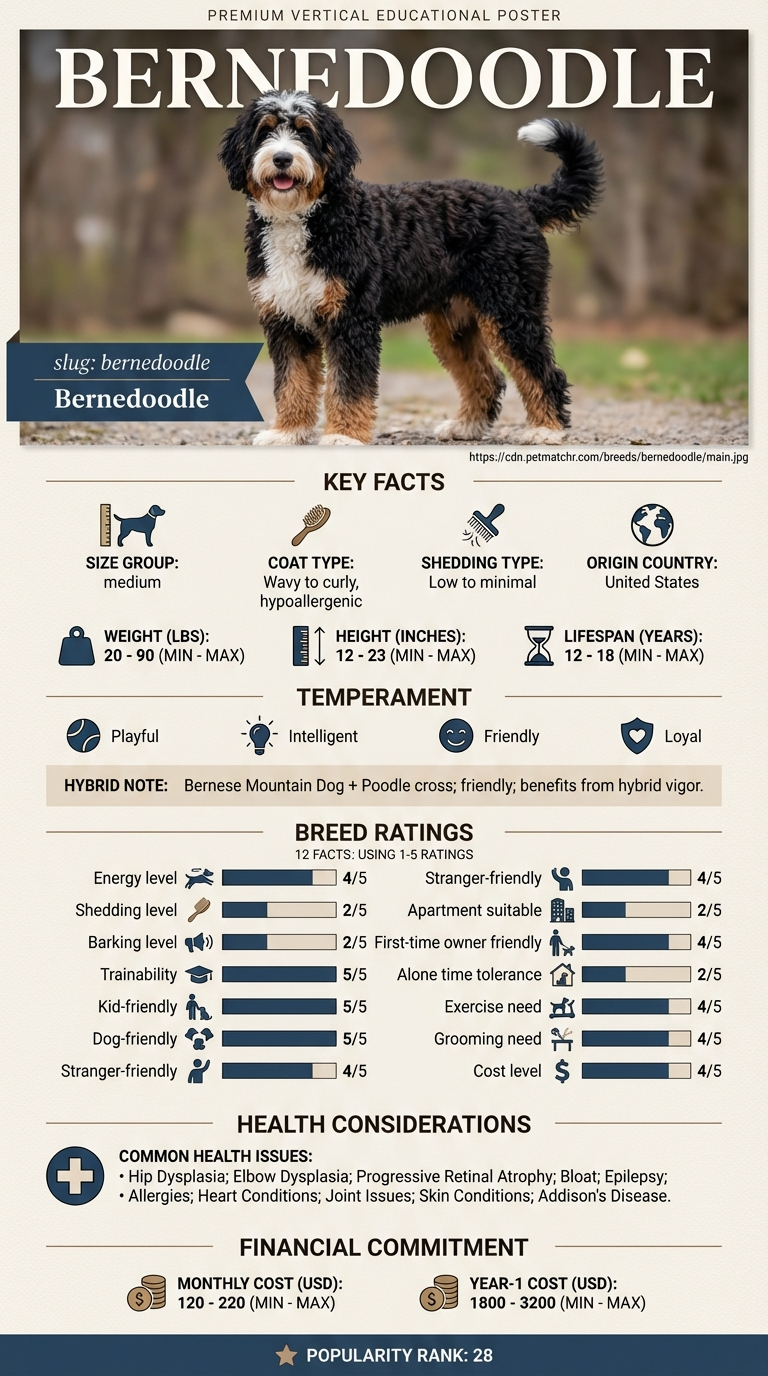
New dog owners, especially those with Bernedoodles, often struggle with bloat due to their lack of experience. Additionally, busy families or individuals may miss warning signs, putting their pets at risk.
This guide is not medical advice. If your dog shows pain, sudden behavior change, or worsening symptoms, consult a licensed veterinarian.
Some links may be affiliate links. We may earn a commission at no extra cost to you. We only suggest products we believe are helpful for dog owners.
Bernedoodle bloat, also known as gastric dilatation-volvulus (GDV), is a serious condition that can affect your dog. It occurs when the stomach fills with gas and twists, which can be life-threatening. Symptoms may include a distended abdomen, restlessness, excessive drooling, and attempts to vomit without success.
Bloat is a notable risk for Bernedoodles, especially as they are a medium to large breed. While not every Bernedoodle will experience this issue, it's important for owners to be aware of the signs and take preventive measures.
Bernedoodles, like many large breeds, are prone to bloat due to their body structure. Their deep chests can trap gas, leading to a dangerous condition called gastric dilatation-volvulus (GDV). Additionally, their tendency to gulp food quickly can increase the risk of this issue.
Environmental factors can also contribute to bloat in Bernedoodles. Stressful situations, such as loud noises or changes in routine, may cause anxiety that triggers excessive gas production. Feeding habits, like giving large meals in one sitting or allowing vigorous exercise right after eating, can further exacerbate the risk.
If your Bernedoodle shows signs of anxiety during feeding or exhibits excessive gulping, consider consulting a dog trainer. A professional can help with training techniques to create a calm feeding environment, which can help reduce stress and bloat risk.
If you notice symptoms of bloat, such as a swollen abdomen, restlessness, or attempts to vomit without success, contact your veterinarian immediately. Bloat is a medical emergency and requires prompt attention to prevent serious health consequences.
If you notice signs of bloat in your Bernedoodle, immediate veterinary care is crucial. Recovery can take days to weeks, depending on the severity and treatment. Long-term management involves consistent monitoring and preventive care.
Successful management means your Bernedoodle shows no recurring symptoms and maintains a healthy diet and exercise routine. You're able to identify early signs of distress and act quickly.
Avoiding these common mistakes can help prevent Bernedoodle bloat.
Recognizing when Bernedoodle bloat (gastric dilatation-volvulus) is an emergency is crucial. This condition can escalate quickly and can be life-threatening. Immediate vet attention is necessary if you observe any of the following red-flag signs: severe abdominal swelling, excessive drooling, unproductive retching, restlessness, or signs of pain.
If your Bernedoodle is experiencing any of these symptoms, do not hesitate—call your vet immediately. Delaying treatment can lead to serious complications or even death. On the other hand, if your dog is mildly bloated but is still eating, drinking, and behaving normally, you might monitor the situation with a plan.
In cases where your Bernedoodle seems slightly uncomfortable but not in distress, consider keeping a close eye on them for a few hours. Ensure they have access to water and try to keep their activity level low. However, trust your instincts; if anything seems off or worsens, seek veterinary care. Always prioritize your dog's well-being and err on the side of caution.
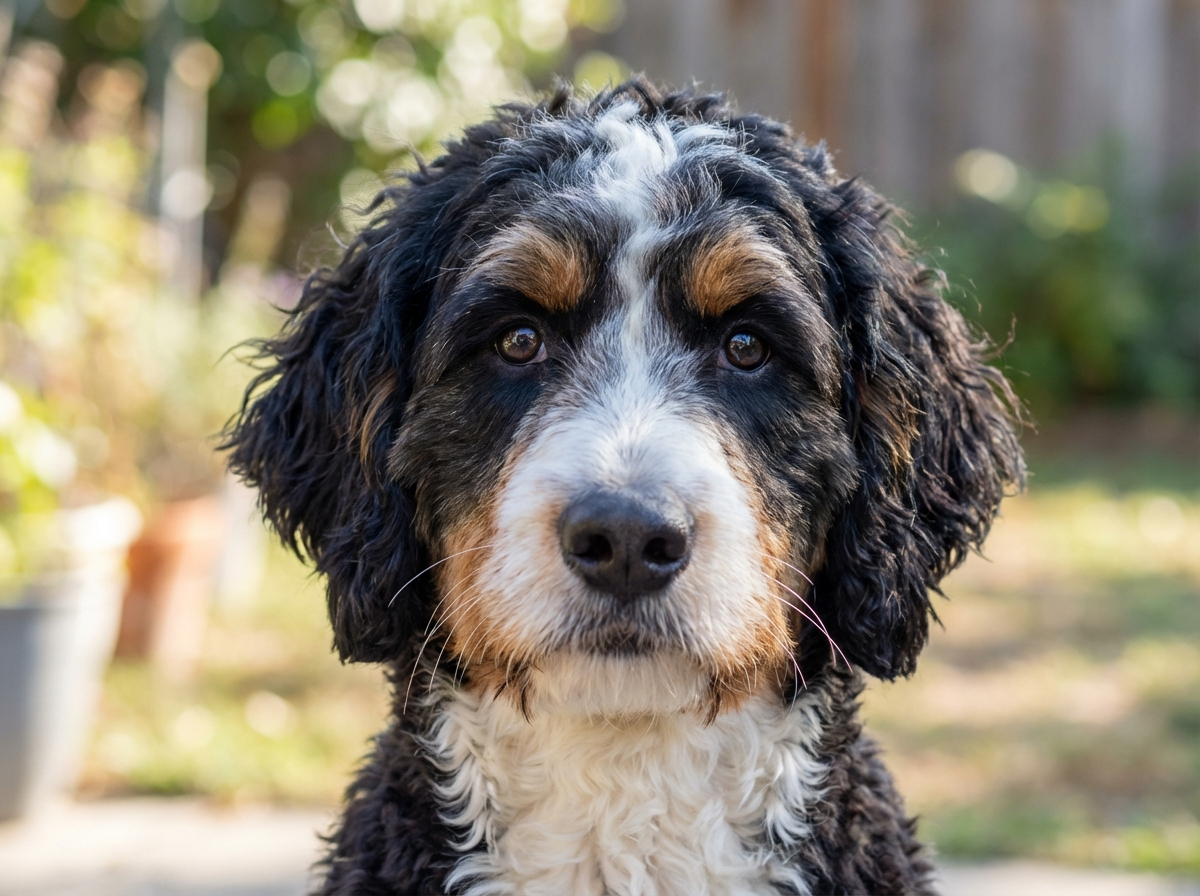
Diane, a busy mother of three in San Diego, noticed that her Bernedoodle, Max, was unusually restless and had a bloated stomach. After a midnight trip to the emergency vet, Max was diagnosed with bloat and required surgery. Through this experience, Diane learned to manage Max's meal sizes and prevent exercise right after eating. With a new feeding routine, Max has been bloat-free for over a year now.
Key takeaway: Understanding how to stop Bernedoodle bloat (gastric dilatation-volvulus/gdv) through proper feeding and exercise can save your dog’s life. Early recognition and intervention are vital.
Bernedoodle bloat can be caused by eating too quickly, exercising right after meals, or consuming large amounts of water. It can also be influenced by genetics or a predisposition to certain health issues. If you notice signs like a swollen abdomen or distress, seek immediate veterinary help.
To help prevent bloat, feed your Bernedoodle smaller meals throughout the day instead of one large meal. Ensure they eat slowly by using a slow feeder bowl and avoid vigorous exercise for at least an hour after eating. Regular vet check-ups can also catch underlying issues early.
Common symptoms include a swollen stomach, excessive drooling, restlessness, and attempts to vomit without success. If your Bernedoodle shows any of these signs, it's crucial to get them to a vet immediately. Bloat is a life-threatening condition that requires urgent treatment.
If you suspect bloat, take your Bernedoodle to the vet immediately. Time is critical, as bloat can lead to severe complications or even death within hours. Your vet may perform emergency surgery if GDV is diagnosed.
While bloat can affect any dog, certain breeds, including Bernedoodles, may be at higher risk. This increased risk is often due to their size and shape. Regular monitoring and preventive measures are key to reducing the risk.
Common warning signs of bloat include a distended abdomen, excessive drooling, restlessness, and attempts to vomit without success. If you notice these symptoms, it’s critical to seek veterinary help immediately, as bloat can be life-threatening.
Yes, older Bernedoodles can develop bloat, especially if they have a history of eating quickly or are prone to anxiety. Regular vet check-ups can help monitor their health and mitigate risks associated with bloat.
Bloat can occur after eating due to factors like rapid eating or consuming large amounts of food at once. Encouraging slower eating through puzzle feeders or smaller, more frequent meals can help reduce the risk of bloat.
If you suspect your Bernedoodle has bloat, take them to the vet immediately. Time is critical, as prompt treatment is necessary to prevent serious complications or death.
Preventing bloat involves feeding smaller meals more frequently, avoiding vigorous exercise right after eating, and being mindful of their stress levels. Consulting your vet for personalized advice can also be beneficial.
Feed smaller meals and avoid exercise right after eating to help prevent bloat.
Use slow feeders and monitor water intake to reduce bloat risk.
Treatment for bloat can range from $1,500 to $7,500, depending on severity.

